
ℹ️ 🛹 Web Média Skate 🛹 ℹ️

Chroniques · Opinion
Etnies Turns 40: What Still Keeps the Original Brand Real?
En 1986, deux frères de Cholet lancent une marque de chaussures pour skateurs. Quarante ans et un rachat suisse plus tard, que reste-t-il d'etnies ?
→ Pour aller plus loin : 42 ans sous contrat : comment Mark Gonzales garde un sponsor aussi longtemps ?
In 1986, in Cholet, two brothers who make shoes, Guy and Yvon Rautureau, launch a brand for skaters. In May 2024, that brand, etnies, is bought by Nidecker, a Swiss group that mainly sells snowboards.
Between the two, there was the first skate shoe named after a rider, an MTV show, a massive skatepark in California, and two million trees. Forty years later, everyone who wore a Lo‑Cut in high school asks: what’s left of the Cholet brand?
Cholet, 1986: the name that had to change

At first, the brand was called Etnics, for “ethnic.” The name didn’t stick. According to Wikipedia, a legal battle over a too‑similar name forced a change. The brand tells another story: it was the Paris crews, led by the Mazo Rats, who flipped Etnics into etnies. Two tales for one word, and that already says a lot about the character.
In the early crew, there’s a name that will outshine the rest. Pierre‑André Senizergues, a former freestyle champ, moved from board to board art. He signed the Senix, the Lo‑Cut, the Scam, the Intercity. Models you still recognize with your eyes closed if you’ve hung out in a skate shop between 1990 and 1998.
A brand born between Cholet and Vendée that would end up dressing California. — The Path of etnies
Natas, 1987: the idea everyone copied
In 1987, etnies offered Natas Kaupas a shoe named after him. The English profile of Natas Kaupas talks about a concept “completely new” in skate. Natas had a say on the design and the ad. It’s the first pro model in the brand’s history.
Think about what that sparked. The P‑Rod with Nike, the Reynolds with Emerica, the pro models from Vans—all stem from that logic. A skater gives their name, taste, credibility. The brand pays them back. Without Natas in 1987, there’d be no P‑Rod 1 in 2005.
In 1989, Senizergues grabbed the U.S. license. He headed to Venice Beach with a van and boxes of shoes. His pitch boiled down to one line, per etnies’ official history: French shoes built to last. The early days were rough. It wasn’t until the mid‑90s that the brand took off there and carved out its independence from Rautureau.
Sheckler, MTV and 40,000 square feet of concrete
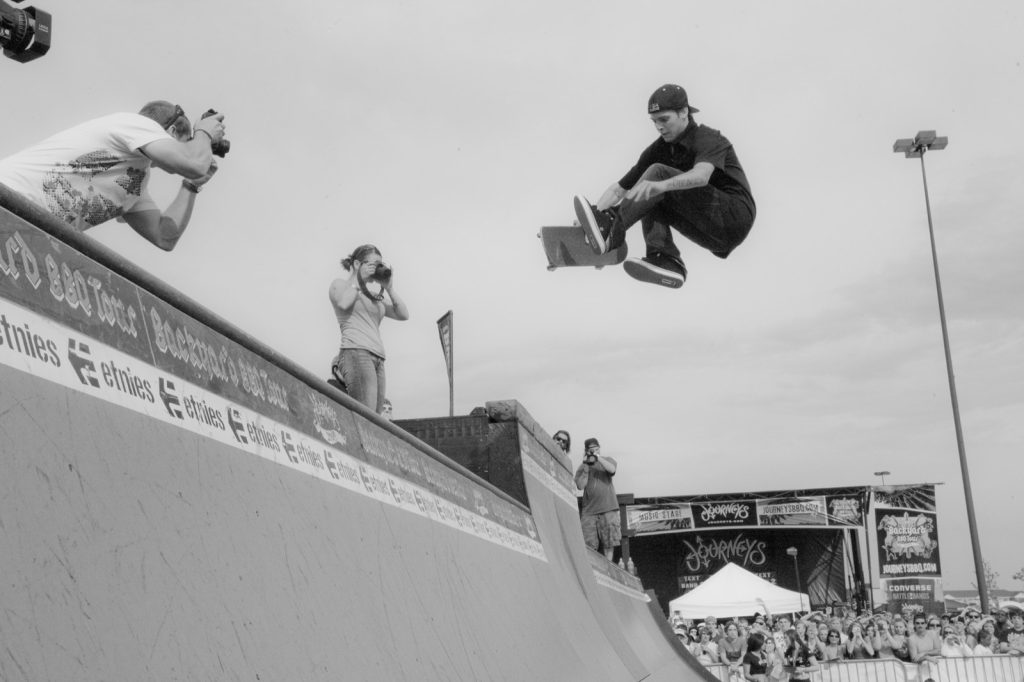
In 1996, Senizergues launched Sole Technology, a parent company for etnies, eS, Emerica and ThirtyTwo. Sal Barbier had his Sal 23. Chad Muska joined the crew. And etnies spotted a seven‑year‑old in California: Ryan Sheckler.
Sheckler won the X Games in 2003. In August 2007, MTV dropped Life of Ryan, a reality show about his life. Three seasons. For a 30‑year‑old skater at the time, it was the moment skate was hitting teens who’d never tried it. For etnies, it was the dream showcase.
On the women’s side, the brand opened doors too. It cites Stéphanie Person and pro model Elissa Steamer, who proved a female skater could sell a shoe under her name.
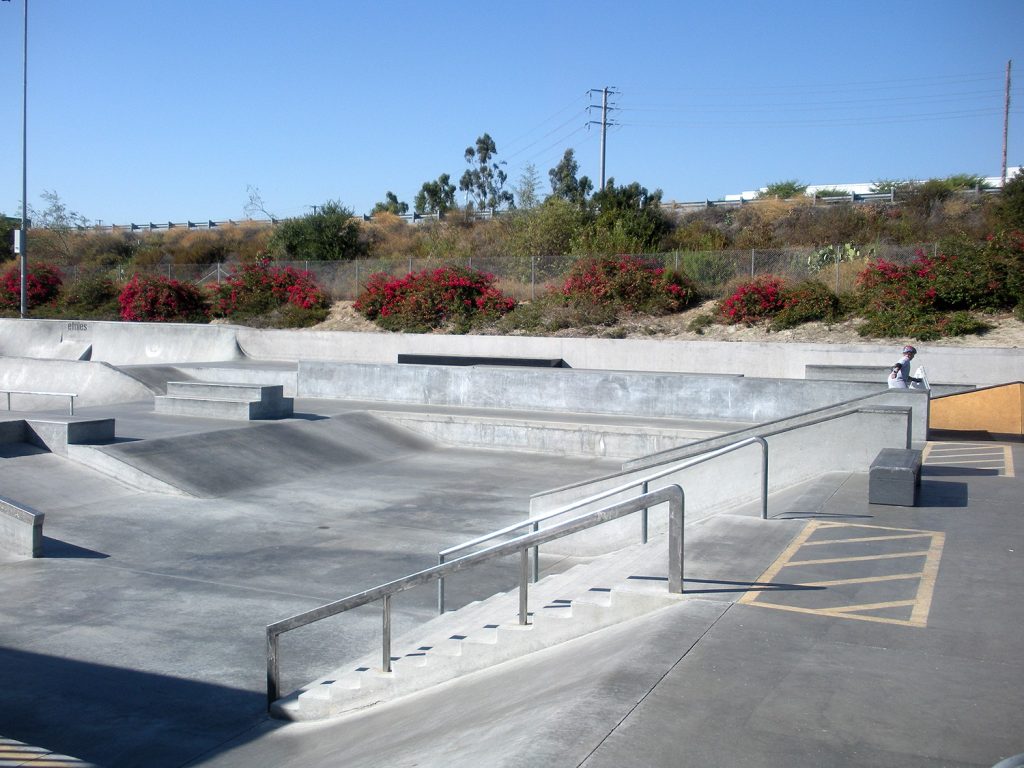
In 2003, etnies and the city of Lake Forest opened a public skatepark of over 40,000 square feet, about 3,700 m². The biggest in the state at the time, according to the etnies page on Wikipedia. Then came Michelin soles on the Marana, solar factories, the announced carbon neutrality in 2015 and over two million trees planted.
The kid spotted at seven became the biggest showcase for the brand. — MTV Era
May 2024: a Swiss group takes over the empire
In May 2024, Nidecker acquired etnies, éS, Emerica and ThirtyTwo. The Sole Technology profile says it straight up: the Sole Technology name will fade away little by little. The parent company founded in 1996 only exists on paper now.
The roster shifted too. In 2022, etnies signed Andy Anderson and Aurélien Giraud. Today, Sheckler and Giraud appear on the alumni list. The team shown in 2026: Andy Anderson, Barney Page, Corey Glick, Josef Skott-Jatta, Julian Lewis, Kylie Frank, Mikey Ray, Nick Garcia and Weronika Choromanska. No TV stars. Skaters you see in parts, not on MTV.
What still sticks, what’s gone
That’s the clear answer. What’s gone: France, the Rautureau brothers, the Cholet factory, the parent company name and the MTV star. What stays: a man and an idea.
The man is Senizergues. Forty years after his first sketches, he still runs the brand, even under a Swiss flag: Nidecker put him at the helm of each of the four labels. Founders still in charge after a sale are a rarity.
The idea goes back to 1987: a shoe named after a skater. In 2026, etnies drops a Lo‑Cut signed by Andy Anderson. The Lo‑Cut is a throwback to Senizergues’ late ’80s design. The founder’s model pays homage to a rider from back then. Without Natas in ’87, there wouldn’t be an Andy Anderson on a Lo‑Cut in 2026.
The rest is memory. If you want to compare with another brand that’s stood the test of time, check out what’s still going on at Zero. And if you’re hunting for a pair today, our 2026 skate shoe guide helps you sort it out.
Your first etnies pair was which one: Lo‑Cut, Scam, Sal 23 or Marana? Drop it in the comments ↓
Follow NOSK8 where you hang out
Parts, spots, behind the scenes: it all drops on the accounts first.
Continue ta lecture
ChroniquesTop 10 des vidéos skate des années 2000 — le classement qui va faire débat
Fully Flared, Menikmati, Yeah Right — notre top 10 des meilleures vidéos skate des années 2000. Un classement qui va faire débat, et c’est voulu.
Commentaires (0)