
ℹ️ 🛹 Web Média Skate 🛹 ℹ️

★ Chroniques · Opinion
€217 to Build a Complete Setup: When Did Skateboarding Get This Expensive?
Setup monté ligne par ligne le 27 août 2026 : 217,03 €. La même planche existe à 115,28 €. Et en euros comparables, ton matériel coûte moins cher qu'en 2005. L'année de la bascule, elle, est datée.

On August 27, 2026, I pulled up the online catalog of a French skateshop and built a complete line by line, like I was standing right there at the counter. Deck, grip, two trucks, four wheels, eight bearings, eight bolts. Grand total: €217.03. Not some luxury cart, not a limited edition: gear that thousands of people ride every single day.
And that’s when you think what everybody thinks: wasn’t this cheaper back in the day? Short answer, the one that’s going to annoy you: no. In comparable euros, this setup costs less than it did twenty years ago. So why does everyone feel like it’s the opposite? And more importantly, when did prices actually take off? There’s a date. It’s more recent than you think, and it’s waiting in the last third of this article.
The €217 line by line: what you’re actually paying for
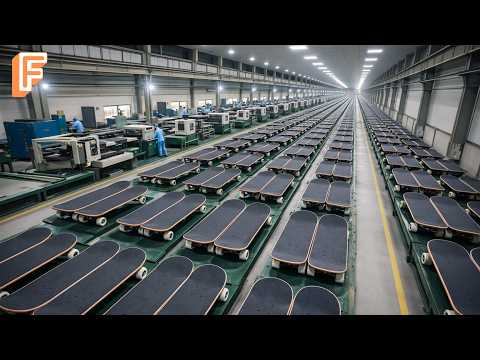
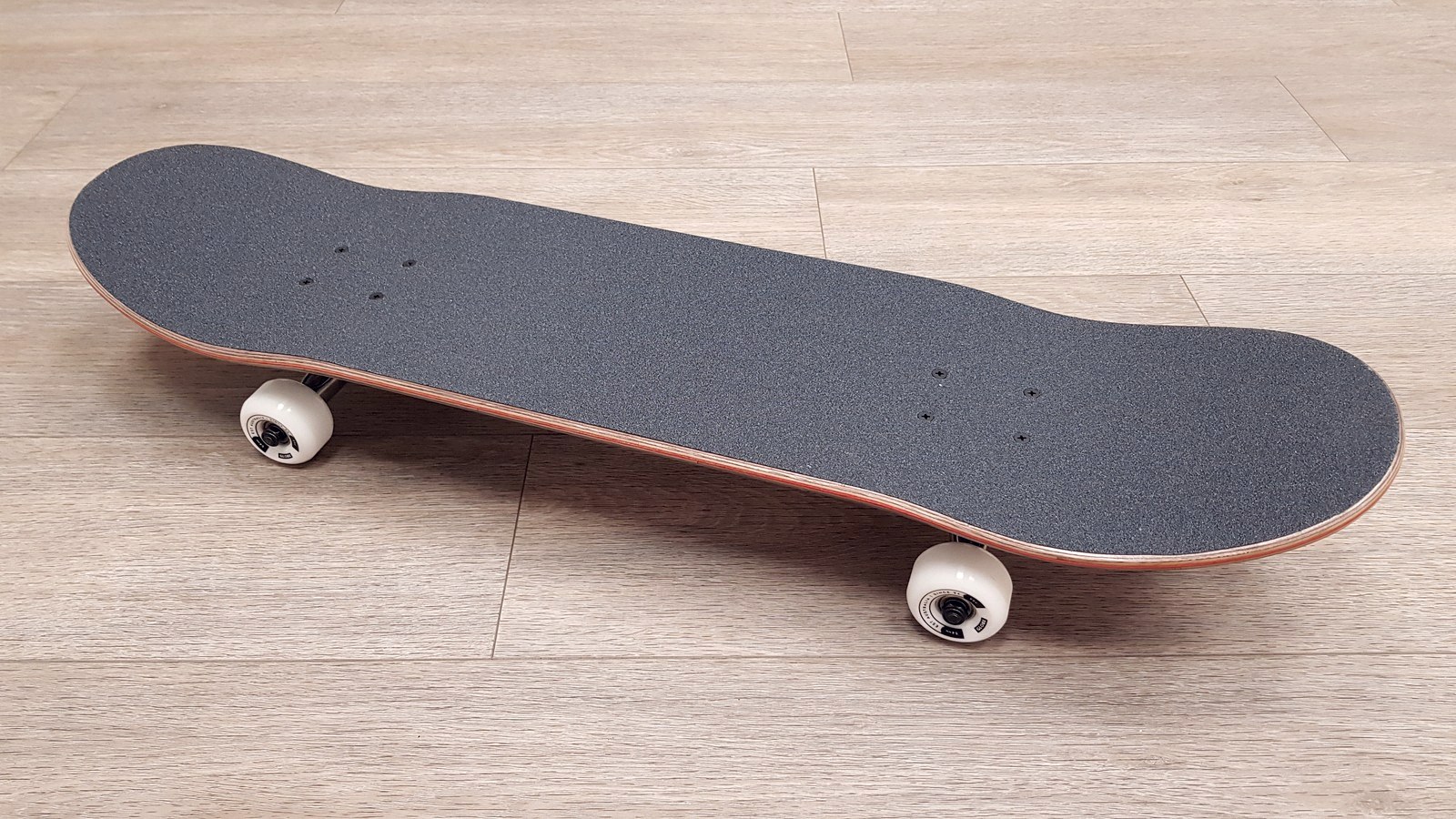
Here’s the cart, item by item, pulled on August 27, 2026 from HawaiiSurf, a shop in Ivry-sur-Seine that’s been selling online for twenty years. A Jart Classic deck in 8 inches: €54.95. Two Independent Raw 149 trucks — the metal axles that hold your wheels and let you turn: €26.56 each, so €53.12. A set of four Spitfire Formula Four wheels: €74.95. Eight bearings — the little steel-ball rings inside the wheels: €17.95. A sheet of grip, the sandpaper glued on top: €12.56. Hardware: €3.50.
Add it up. €217.03. And look closely at what costs what, because this is where it gets interesting: the deck is only 25% of the total. Three quarters of the bill is hardware — metal, urethane and steel balls. The set of wheels alone costs more than the wooden board you actually stand on.
So when people say “boards got expensive,” they’re really talking about something else: an assembly of six parts from six factories, across three continents, only one of which is made of wood.
The deck is 25% of the bill. The other three quarters? Nobody ever talks about them. — The cart, priced on August 27, 2026
The same setup for €115: there are two markets on the same wall
Now run the same exercise picking the cheapest option on every line, same shop, same day. Jart Chrome 8-inch deck: €49.95. Two Iron trucks: €12.56 each. Jart 53 mm wheels: €20.96. Prohibition bearings: €9.80. Grip: €5.95. Hardware: €3.50.
Total: €115.28. Same object, same purpose, rolling, complete. The gap between the two carts — €101.75 — is more than the price of an entire deck.
And that’s exactly where the misunderstanding lives. When a beginner walks into a shop and asks “how much to get started,” they’re rarely shown the €115 cart. They get shown the cart of people who’ve been skating for ten years. Then they walk out thinking this sport isn’t for them. It’s the same mechanism we described with wide decks making their big comeback: it’s not the product that changed, it’s what you get offered by default.
2004-2019: fifteen years where sports gear didn’t move a single cent
To know whether skateboarding actually got expensive, you have to stop comparing memories and look at a data series. It exists. Eurostat publishes a yearly price index for “sports and outdoor equipment” in France. Base 100 in 2015.
In 2004, the index sat at 99.44. In 2019, fifteen years later: 98.89. It had gone down. Over those same fifteen years, overall consumer prices in France climbed more than 20%. In other words: from 2004 to 2019, your gear got a little cheaper every year compared to everything else in your life. Bread, your phone plan, movie tickets — everything went up. Skate gear didn’t.
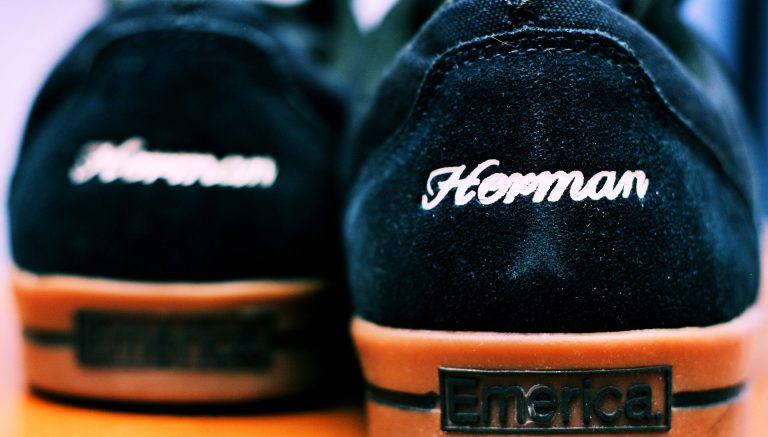
It’s the exact opposite of what everybody says. And you could see it in the shops: that’s the era when €25 no-name blank decks flooded the walls, when skate brands started selling shoes instead of boards just to survive — a shift we told in detail through the story of Emerica and its 28 years of refusing to become Nike.
From 2004 to 2019, the French sports equipment index went from 99.44 to 98.89. Fifteen years, and nothing. — Eurostat, harmonized consumer prices
2021: wood jumps 35% in one year, and the streak breaks
Then something happens. Look at the rest of that same Eurostat series: 2020, the index is at 99.74. 2021: 101.73. 2022: 105.54. 2023: 109.82. 2024: 110.90. In four years, sports equipment gained more than it had in the previous fifteen.
The main cause shows up in another series, an American one this time: the hardwood price index published by the Federal Reserve Bank of St. Louis. A skateboard deck is seven plies of Canadian maple glued under a press. In 2020, the average index sits at 207.0. In 2021: 279.3. That’s +34.9% in twelve months, the biggest annual jump in the entire series since the 1940s.
Now add the rest of 2021: ocean freight going through the roof, truck factories at a standstill, and demand going off the rails — during lockdowns, everybody bought a board at the same time. Shops sat out of stock for months. When things picked back up, prices never came back down.
The answer: the turning point is 2021 — and your setup is still cheaper than in 2005
Here’s the answer to the question in the headline, plain and simple. The shift happened in 2021. Not the Olympics, not the big brands moving in, not some industry decision: a year when wood gained a third of its value, when ships stopped sailing and demand doubled. Three independent data series all point to the same date.
But you have to finish the math, because it lands on a result nobody expects. Over twenty years, the French sports equipment index went from 98.75 (2005) to 110.37 (2025): +11.8%. Over the same stretch, overall French prices climbed +43.9%. Converted into comparable euros, your gear has actually lost 22% of its real price in twenty years.
Concretely: today’s €217.03 is €150.82 in 2005 money. If you’d built the same setup back then, at the same tier of gear, you’d have paid more in purchasing power. Skateboarding never got expensive. It got more expensive than in 2019, which is not the same thing.
So why does that feeling stick around? Because what actually changed isn’t the price: it’s the cart you get shown. The €60 entry-level complete left the independent skateshops for the big-box stores, and what’s left on the wall is the high-end cart. You’re not comparing two prices. You’re comparing two offers.
What this changes when you buy your first board
If you’re just starting out, grab the €115 version. It rolls. The hard entry-level wheels will do you just fine while you’re learning to stand on the thing, and your cheap bearings will spin as long as you keep them out of puddles. What you lose is refinement — not the ability to skate.
What you should aim for first is the right deck width, because it’s the only line in the cart that genuinely changes how you ride. The €100 gap on wheels and trucks? You’ll spend it later, one part at a time, once you know why you’re spending it.
And if someone tells you it takes €217 to get started, show them the math. That’s not an opinion, it’s a price check.
How much did your first board cost, and what year was it ? Drop the number, let’s see if the curve holds up. Tell us in the comments ↓
Follow NOSK8 where you hang out
Parts, spots, behind the scenes: it all drops on the accounts first.
Le lexique
-
1
uréthane
Matière plastique souple dont sont faites les roues de skate. Sa dureté décide si tu glisses vite ou si tu accroches bien.
-
2
plis d'érable
Fines couches de bois d'érable collées et pressées les unes sur les autres. Un plateau de skate en compte sept.
-
3
indice des prix
Chiffre publié chaque année qui mesure comment les prix bougent. On lui donne la valeur 100 une année de référence, ici 2015.
Shop NOSK8
Voir toute la boutique →
TEE-SHIRTS
TEE-SHIRT NOSK8® P.B HEART #PHILI
Le prix initial était : 35,00 €.29,00 €Le prix actuel est : 29,00 €.
TEE-SHIRTS
TEE-SHIRT NOSK8® MATRICE HEART #CMD
Le prix initial était : 35,00 €.29,00 €Le prix actuel est : 29,00 €.
TEE-SHIRTS
TEE-SHIRT NOSK8® P.B HEART #PARIS
Le prix initial était : 35,00 €.29,00 €Le prix actuel est : 29,00 €.
TEE-SHIRTS
TEE-SHIRT NOSK8® P.B HEART #PARENTALADVISORY
Le prix initial était : 35,00 €.29,00 €Le prix actuel est : 29,00 €.
TEE-SHIRTS
TEE-SHIRT NOSK8® P.B HEART #BARÇA
Le prix initial était : 35,00 €.29,00 €Le prix actuel est : 29,00 €.

CASQUETTES
CAP NOSK8® P.B.P #PAW
Le prix initial était : 35,00 €.25,00 €Le prix actuel est : 25,00 €.

CASQUETTES
CAP NOSK8® P.B #POLARBEAR
Le prix initial était : 35,00 €.25,00 €Le prix actuel est : 25,00 €.

CASQUETTES
CAP NOSK8® N8 #NOSK8
Le prix initial était : 35,00 €.25,00 €Le prix actuel est : 25,00 €.
HOODIES
HOODIE NOSK8® P.B HEART #NYC
Le prix initial était : 60,00 €.49,00 €Le prix actuel est : 49,00 €.
HOODIES
HOODIE NOSK8® P.B HEART #ORIGINAL
Le prix initial était : 60,00 €.49,00 €Le prix actuel est : 49,00 €.
HOODIES
HOODIE NOSK8® P.B HEART #PHILI
Le prix initial était : 60,00 €.49,00 €Le prix actuel est : 49,00 €.
HOODIES
HOODIE NOSK8® MATRICE HEART #CMD
Le prix initial était : 60,00 €.49,00 €Le prix actuel est : 49,00 €.
HOODIES
HOODIE NOSK8® P.B HEART #POLARBEAR
Le prix initial était : 60,00 €.49,00 €Le prix actuel est : 49,00 €.
SWEAT
SWEAT NOSK8® P.B HEART #BARÇA
Le prix initial était : 45,00 €.39,00 €Le prix actuel est : 39,00 €.
SWEAT
SWEAT NOSK8® P.B HEART #PHILI
Le prix initial était : 45,00 €.39,00 €Le prix actuel est : 39,00 €.
SWEAT
SWEAT NOSK8® P.B HEART #NYC
Le prix initial était : 45,00 €.39,00 €Le prix actuel est : 39,00 €.
SWEAT
SWEAT NOSK8® P.B HEART #PARIS
Le prix initial était : 45,00 €.39,00 €Le prix actuel est : 39,00 €.
SWEAT
SWEAT NOSK8® P.B HEART #POLARBEAR
Le prix initial était : 45,00 €.39,00 €Le prix actuel est : 39,00 €.


Continue ta lecture
ConseilsSkateboard pour enfant : le chiffre qui compte n’est pas son âge
Tout le monde te dit qu’il est « trop petit ». C’est la mauvaise question : un seul chiffre décide si la planche va marcher…
Commentaires (0)