
ℹ️ 🛹 Web Média Skate 🛹 ℹ️

Chroniques · Opinion
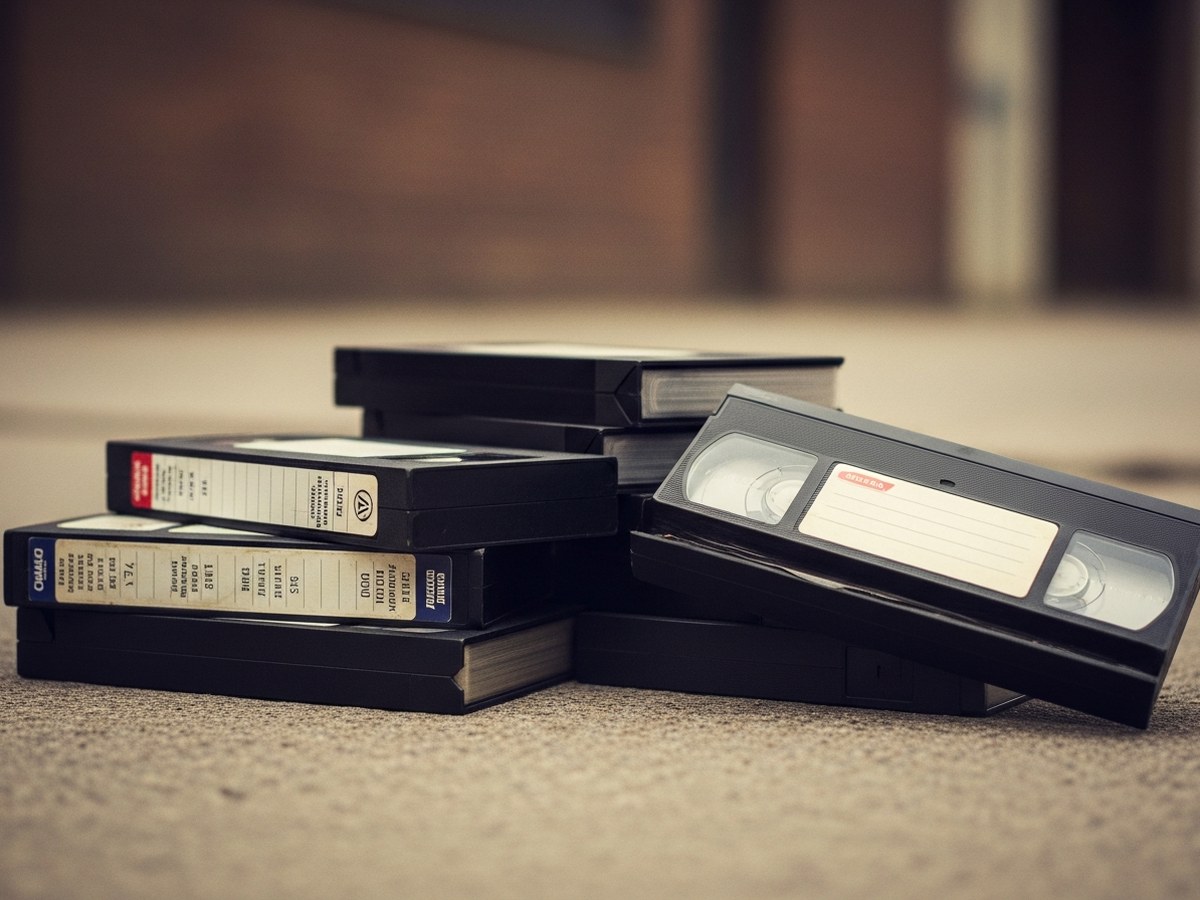
411 Video Magazine — the VHS that taught an entire generation everything before YouTube
411 Video Magazine (1993-2002) : 51 numéros, 9 ans de cassettes bimestrielles, et une génération entière éduquée avant YouTube. La chronique du magazine VHS qui a tout inventé.

→ Pour aller plus loin : Etnies a 40 ans : qu’est-ce qui tient encore de la marque d’origine ?
How many times did you rewind that thing? Issue 17, issue 22, maybe 34 with that Heath Kirchart part that gave you chills at 14. 411 Video Magazine wasn’t a skate video. It was a subscription to a forbidden world.
Not a show, not a team video in the classic sense. A magazine you could watch. Steve Pang and Josh Friedberg launched it in 1993 out of San Diego with an idea that was dead simple and revolutionary at the same time: drop a video every two months, like a periodical. You subscribed, your tape showed up. And for two months, that tape lived in your VCR.
Not a skate video — a magazine you could watch
Back then, getting skate info was a hassle. Thrasher hit France a month late. Team videos went for 80 francs and you tracked them down in one shop in Paris or ordered them blind. 411 solved a problem nobody had put into words: how do you follow pro skating between the big team videos? The answer: a bimonthly tape with the contests, the interviews, the loose parts, the behind-the-scenes.
Before YouTube, before smartphones, 411 was the only way to watch Koston skate without waiting two years for a team video. — The secret weapon of a generation with no internet
Issue 1 to issue 51: the bimonthly format that ran nine years
51 issues between 1993 and 2002. That’s the first thing that hits you. Nine years of showing up on time, in an era when skating had no real industry backbone yet. Each issue ran between 45 minutes and an hour. A subscription went for about 30 bucks a year in the States — in France, some kids went through specialty distros or friends living in the US.
The format never changed. The « Best of » section with the hottest clips of the moment. « Street Best » showing what actually went down in real sessions. Interviews, no bullshit. And the « Sponsor Me » section — a thing with no equivalent before or since — where unknown riders mailed in their footage and 411 aired the best of it. It was modern skating’s first talent-discovery system, way before TikTok.
The music, too. 411 took chances on soundtracks at a time when team videos mostly leaned on rock. Hip-hop, jazz, stuff that broke the usual script. Eric Koston over Wu-Tang. The kind of detail that built an aesthetic.
(function(){
var VID='VP35hLWePdg';
var container=document.getElementById('yt-VP35hLWePdg');
var played=false;
function initPlayer(){
var player=new YT.Player(container,{
width:'100%',height:'450',videoId:VID,
playerVars:{cc_load_policy:1,cc_lang_pref:'fr',hl:'fr',mute:1,rel:0,autoplay:0,enablejsapi:1},
events:{
onReady:function(e){
try{e.target.setOption('captions','track',{'languageCode':'fr'});}catch(x){}
if('IntersectionObserver' in window){
var obs=new IntersectionObserver(function(entries){
if(entries[0].isIntersecting&&!played){played=true;e.target.playVideo();obs.disconnect();}
},{threshold:0.4});
obs.observe(container);
}
}
}
});
}
if(window.YT&&window.YT.Player){
initPlayer();
} else {
var prev=window.onYouTubeIframeAPIReady;
window.onYouTubeIframeAPIReady=function(){if(prev)prev();initPlayer();};
if(!document.querySelector('script[src*="youtube.com/iframe_api"]')){
var s=document.createElement('script');s.src='https://www.youtube.com/iframe_api';document.head.appendChild(s);
}
}
})();
411 #22, the « Transworld » episode, the Rowley part: three moments nobody forgets
Hard to talk about 411 without naming specific issues. Because the people who grew up on this magazine have hyper-specific memories — not « I liked 411 » but « that’s issue 22, where I saw that Koston frontside nosegrind for the first time ».
Geoff Rowley. His footage in 411 in the mid-90s, before his part in Toy Machine’s Welcome to Hell – 1996. You were watching a dude build something different. Not clean tech, not contest style. Something raw, almost violent. 411 showed you that live, before the team video locked in the image.
Daewon Song too. The issues where Daewon kept popping up had something hallucinatory about them. Impossible manuals, combos no other skate brain would have come up with. 411 was the only place you could get him at that frequency between the big releases — Daewon Song skated in every issue like he physically couldn’t stop.
And then the « Sponsor Me » section. Fifteen, sixteen-year-old kids mailing in VHS tapes from their suburban parking lots. Some of them turned pro. Paul « P-Rod » Rodriguez, before he was P-Rod, got seen there for the first time by eyes that mattered.
They had the good taste to walk away before they got wack. That’s an art too — leaving at the right time. — Something few skate brands ever pull off
2002: issue 51, the VHS that never came again
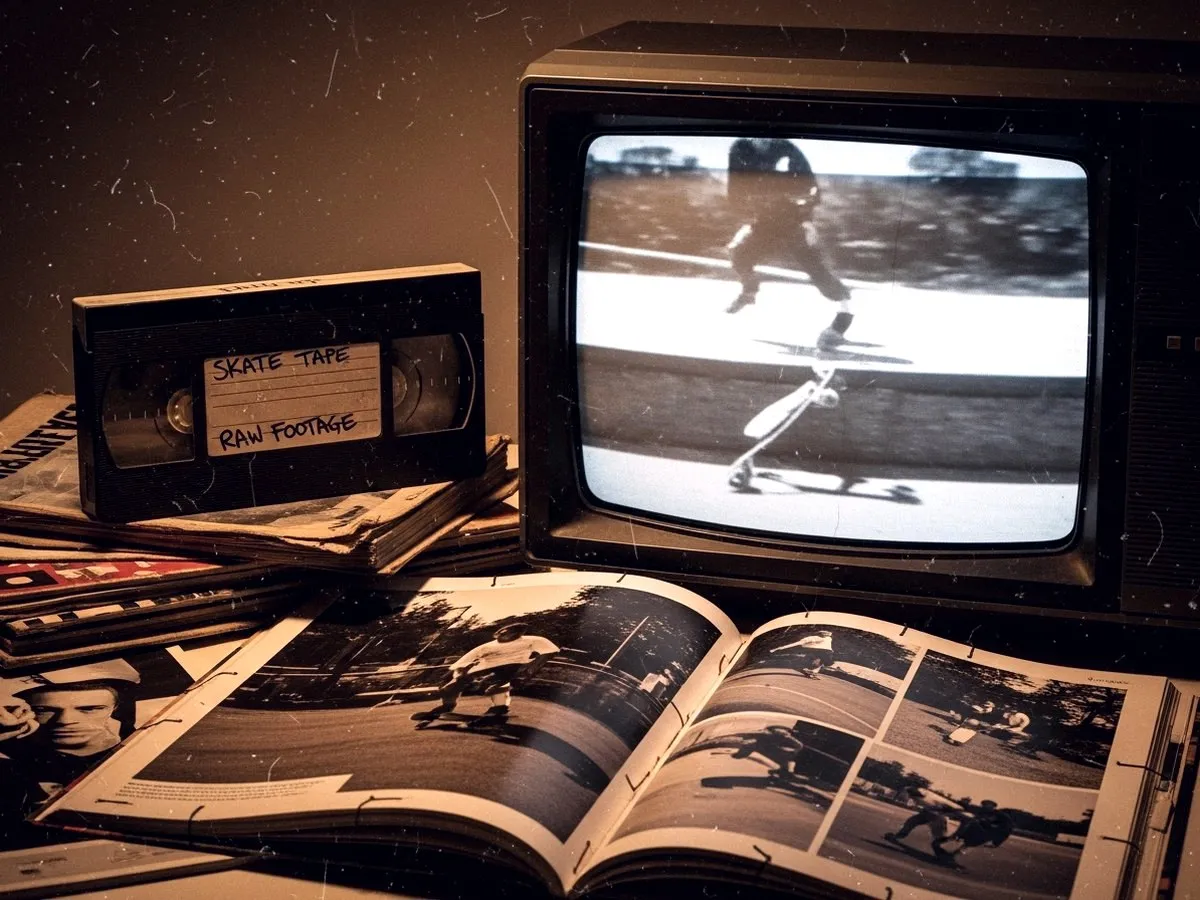
Issue 51 dropped in 2002. No big announcement. No « final collector’s issue ». The tape landed in mailboxes and plenty of people didn’t know yet that it was over. A few weeks later, there was no issue 52.
The internet was showing up. Clips got passed around in low res on message boards. Team videos were starting to move through different channels. The bimonthly VHS subscription model had no market left. 411 felt the shift and pulled the plug before it turned into a parody of itself.
That same year, Girl’s Yeah Right! – 2003 was about to land and rewrite the rules all over again. The handoff was happening. 411 had done its job.
What 411 invented without knowing it: modern skate content
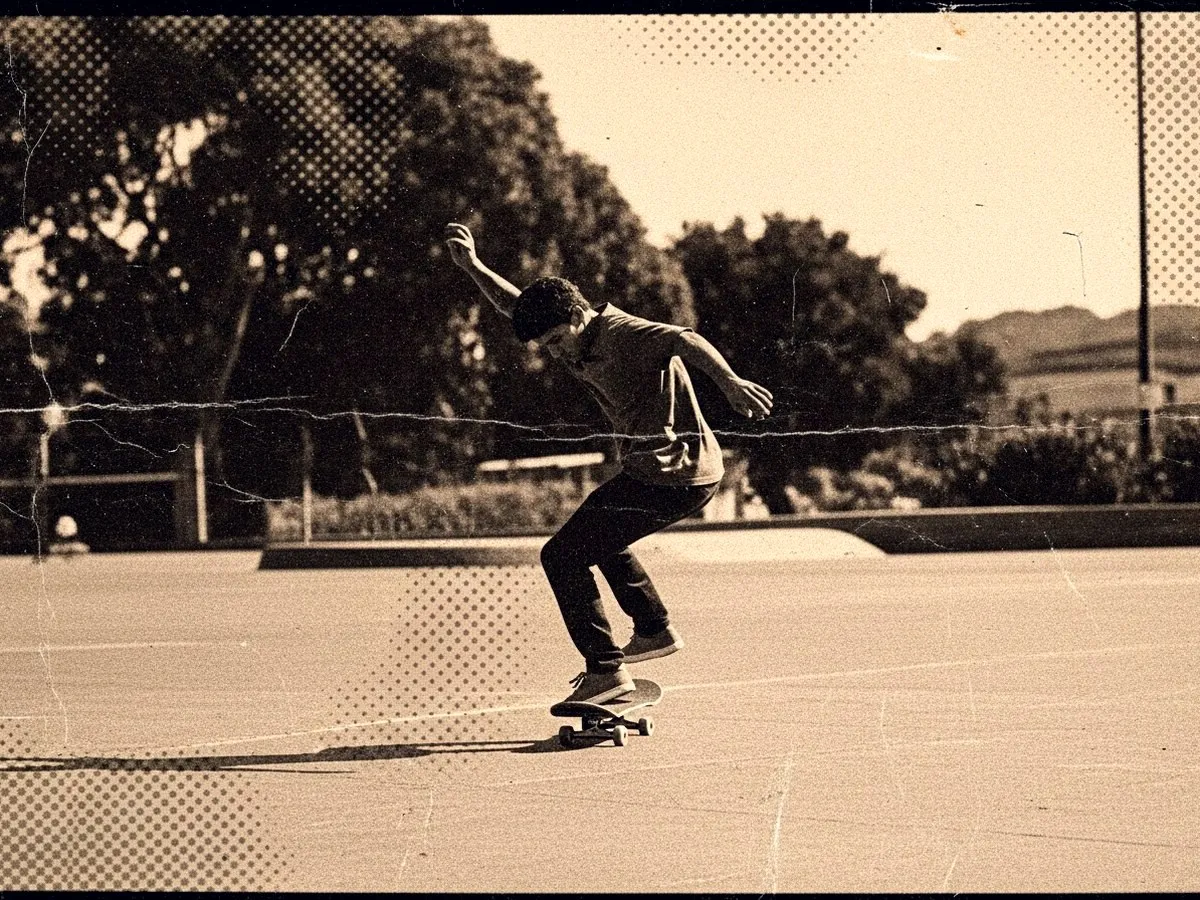
Cut to 2026. What does The Berrics do? Regular clips, short formats, interviews, « Bangin! » and « Recruit » for the lesser-known riders. That’s the 411 structure, straight up. Bimonthly frequency swapped for the daily upload. The tape swapped for YouTube. But the editorial logic? Same thing.
411 invented skate content before the concept existed. Before algorithms, before metrics, before content strategies — they put out quality on a steady rhythm and built a community of subscribers. Sounds basic said out loud. But in 1993, nobody was doing it.
The « Sponsor Me » section — that’s the ancestor of the Instagram clip that gets a rider signed. Same mechanics. A kid puts himself out there, a qualified audience watches, a recruiter’s in the crowd. 411 did it before social media with a cassette and a mailing address.
All 51 issues of 411 are on YouTube now, uploaded by obsessive archivists. Garbage quality, so-so audio, blown-out picture. And that’s exactly why it’s perfect.
Which 411 issue did you run on loop, and for which trick or which rider? Drop it in the comments ↓
Follow NOSK8 where you hang out
Parts, spots, behind the scenes: it all drops on the accounts first.
Le lexique
-
1
frontside nosegrind
Grind où l'axe avant du truck prend appui sur un obstacle, la planche tournée frontside — le rider fait face à l'obstacle. Très technique, demande une bonne précision d'approche.
-
2
manuel
Figure d'équilibre où le rider roule sur les deux roues arrière (ou avant), la planche à la verticale, sans toucher le sol avec la partie centrale.
-
3
footage
Les images filmées d'un rider, que ce soit pour une part vidéo ou pour envoyer en sponsor me. Le footage est la matière première du skate filmé.


Continue ta lecture
ConseilsApprendre le pop shove-it : le trick sous-côté qui débloque tout
Placement des pieds, timing du scoop, erreurs classiques : le guide débutant complet pour réussir ton premier pop shove-it.
Commentaires (0)