
ℹ️ 🛹 Web Média Skate 🛹 ℹ️

Tricks
Varial kickflip: Cyril Jackson lands it for The Berrics, so why does yours still go sideways?
Tu sais faire le kickflip et le pop shove-it, mais ensemble la planche s'arrête à 90° ou file derrière toi. Les 6 étapes, les 4 fails, et le réflexe qui bloque tout.
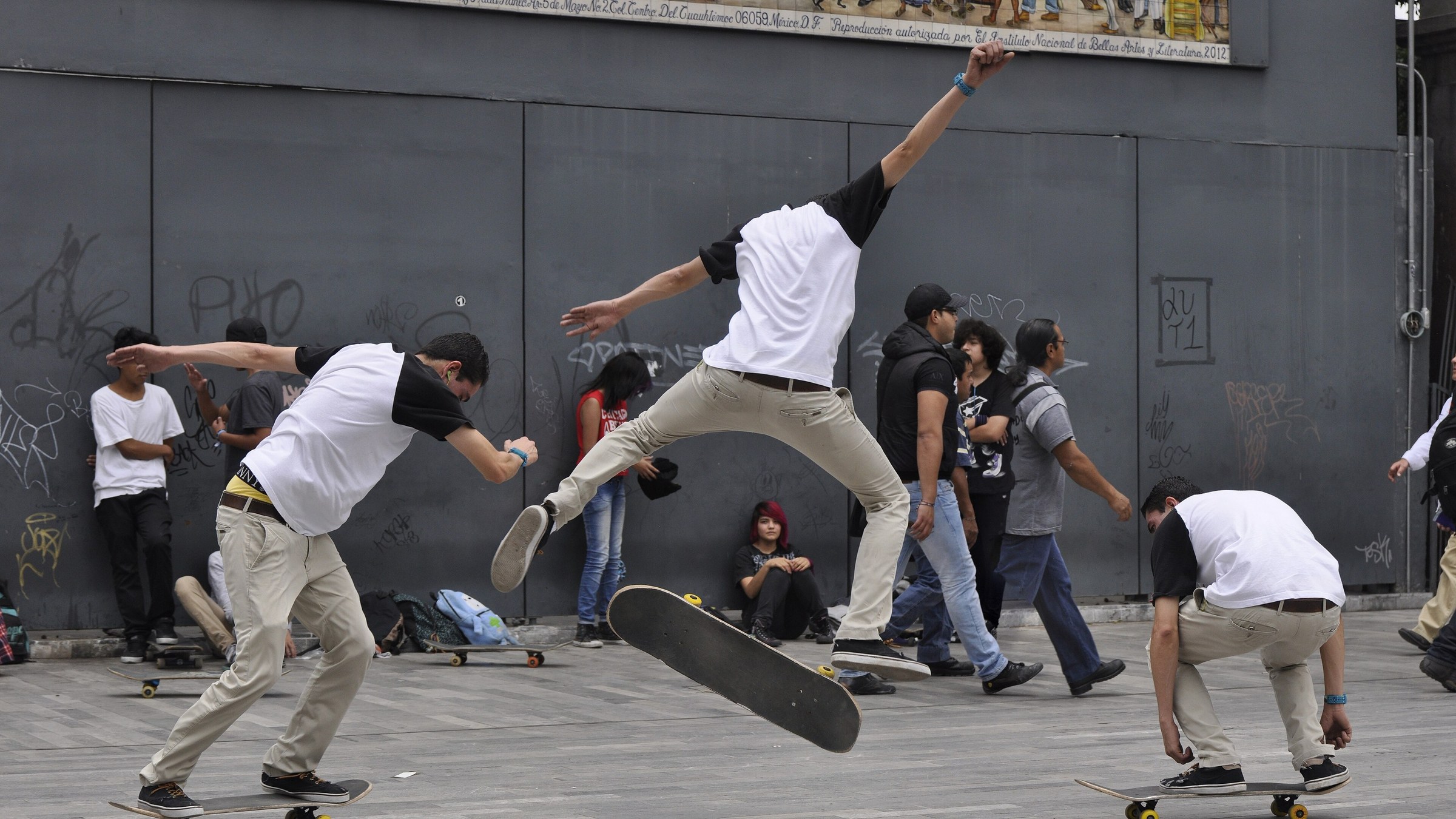
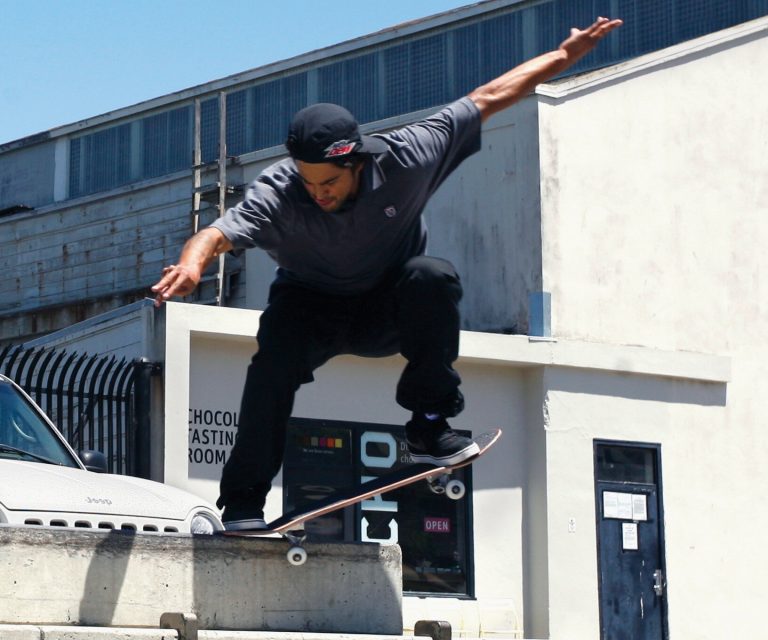
On February 6, 2017, The Berrics posted Cyril Jackson landing a varial kickflip for Trickipedia, its video encyclopedia of tricks. One jump, the board does a flat half-turn and a full flip, and he lands on it like it’s nothing.

You can kickflip. You can pop shove-it. Put them together and the board stops halfway, at 90°, sideways under your feet. Or it shoots out behind you.
So why do two tricks you’ve got turn into one trick you keep missing? The answer is one reflex, and we get there after the 6 steps and the 4 fails.
Level
Intermediate
Time
2-6 weeks
Prerequisites
Kickflip, pop shove-it
Surface
Smooth, flat ground
Dans cet article 6 parties
Mullen in 1982, Jackson in 2017: one trick or two glued together?
The kickflip was invented by Rodney Mullen in 1982. Back then, other skaters called it the “magic flip” because nobody could figure out how he flipped his board. Your kickflip comes from there.
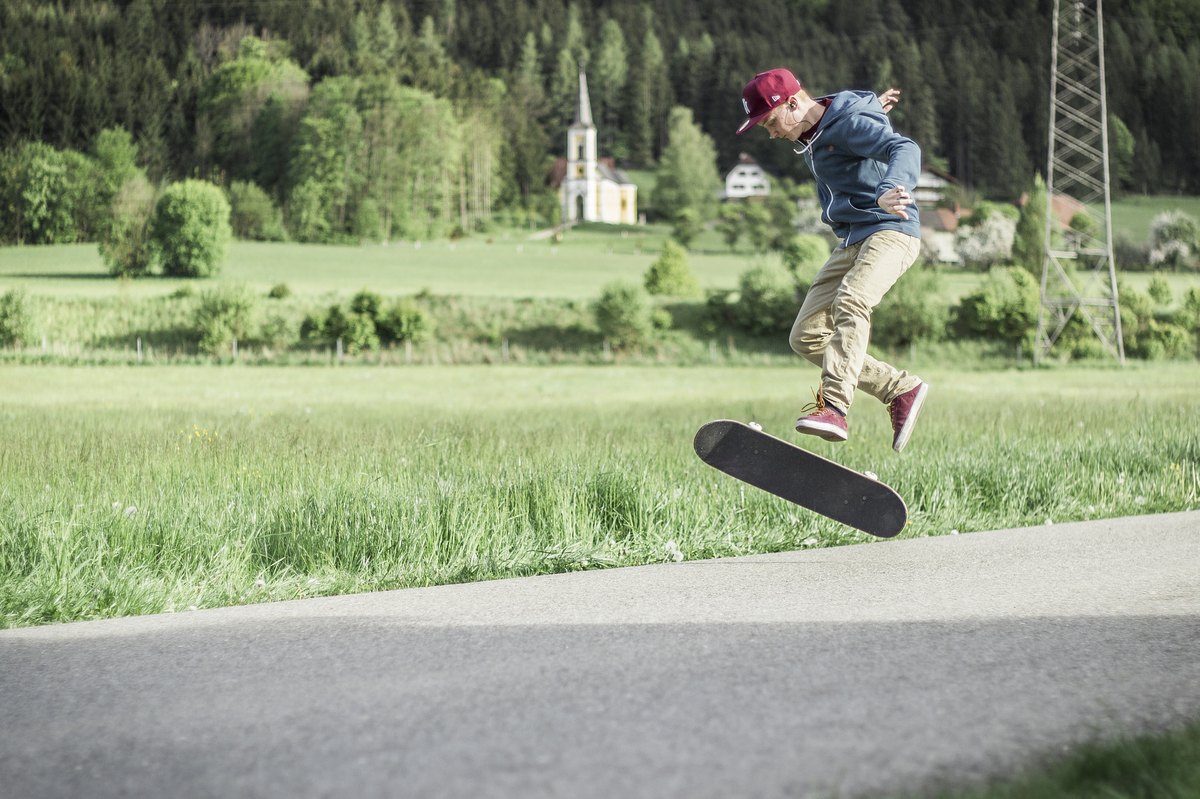
The varial kickflip isn’t a new trick. It’s a kickflip and a backside pop shove-it welded together: the board flips along its length and spins 180° flat, at the same time. That’s why it’s also called a kickflip shove-it.
Two rotations, two feet, one single pop. And that’s exactly where it all happens: most people practice two moves, when there’s only one.
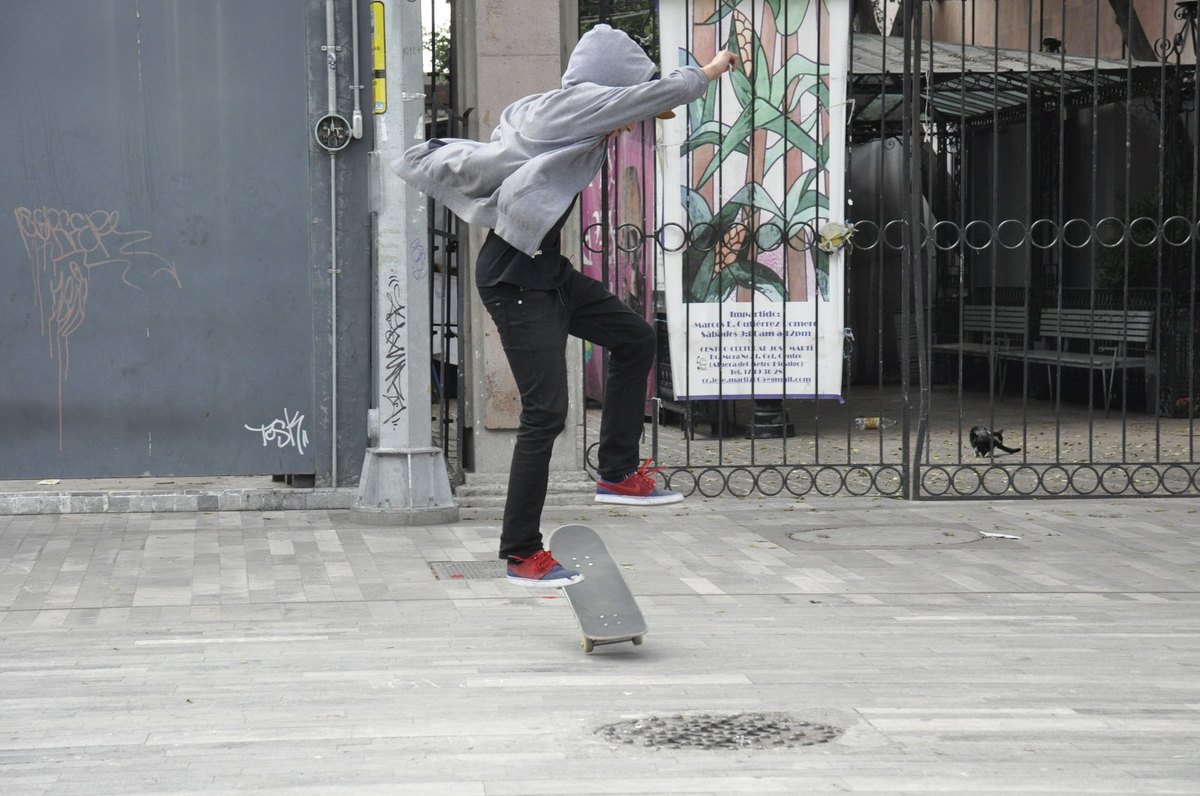
Varial kickflip: 6 steps to weld the flip and the shove
-
Back foot: toes in the pocket of the tail
Not in the middle of the tail, on the toe-side edge. That’s where you push the tail back and make it spin. Foot flat in the center and you get an ollie, not a shove.
-
Front foot: lower and more angled than for a kickflip
Just behind the front bolts, pointed toward the nose at 45°. The closer you get to the nose, the more the flip takes over and the 180 stops halfway.
-
The scoop: pop down AND back
The tail snaps, then your foot drags it back behind you, like a shove-it. That’s what gives the half-turn. Not your shoulders, not your hips.
-
The flick: short, forward and to the side
Your front foot slides and exits off the toe-side corner of the nose. A short, sharp flick. Flick hard like a high kickflip and the board shoots out in front of you.
-
In the air: feet apart, chest still
Open your legs to let the board through. Your shoulders stay lined up with the direction you’re rolling. Watch the board spin.
-
The catch: back foot first, on the grip
When you see the grip come up, put your back foot on it to stop the spin, then the front foot. Knees bent, land on the bolts.
The 4 classic fails, and what they give away
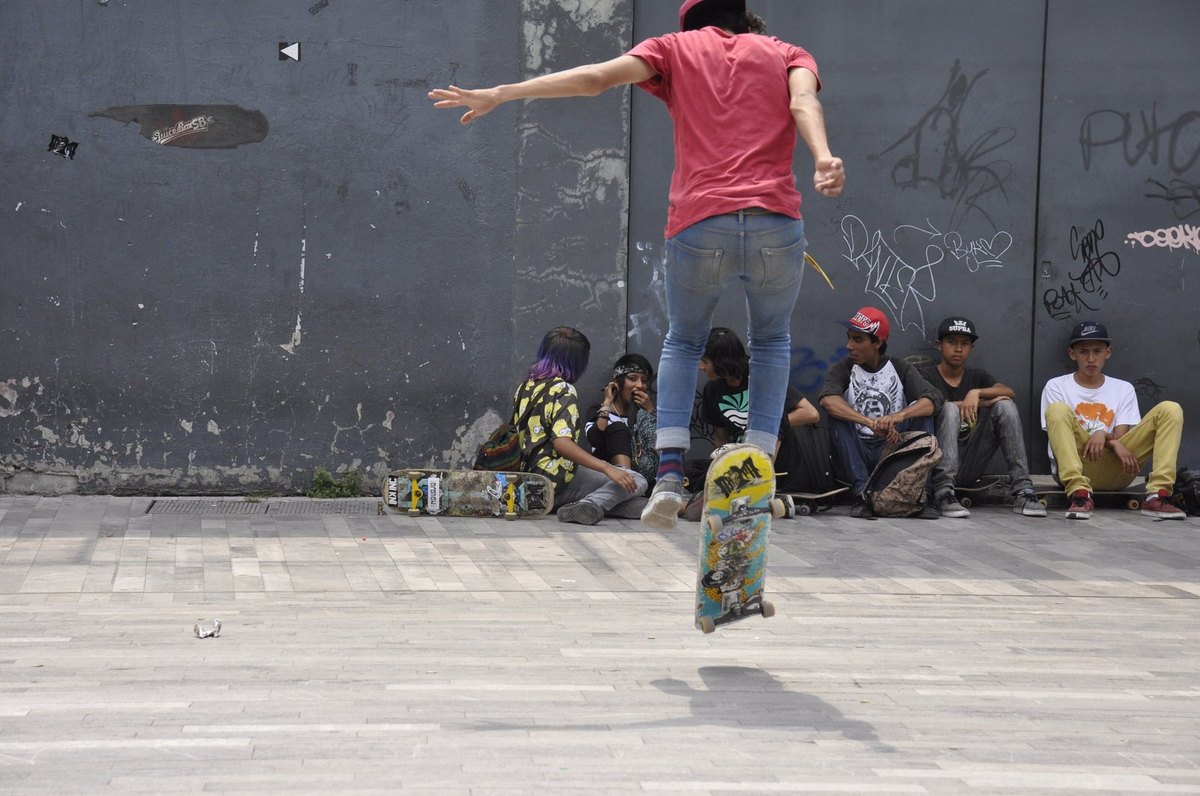
The 4 classic fails
- The board stops at 90°: the scoop is too soft. Your back foot pops down without dragging the tail behind you. Do ten pop shove-its again, and keep that motion.
- The board shoots out in front: flick too hard, toward the nose. Shorten it and exit off the side.
- It goes behind you: you jump backward to follow the scoop. Jump straight up, over the board.
- You land crooked, one foot on the edge: your shoulders turned with the board. That’s the fail hiding behind all the others.
So why does your varial go sideways?
Because you’re trying to spin the board with your body. It’s a reflex. You know it needs a 180, so your shoulders turn with the rotation. The top turns, the bottom follows, and your scoop goes diagonal instead of straight back behind you.
Result: the board does 90°, or it spins fine but you’re no longer over it. That’s the “sideways” you see in your clips.
The rule fits in one sentence: the board spins, you don’t. The half-turn comes from your back foot, the flip from your front foot, and your chest faces the road from start to finish. Watch Cyril Jackson in the video above: his shoulders don’t move.
The drill that tells you it’s locked in
Put your board on grass or a carpet so it doesn’t roll. Do ten pop shove-its without moving your shoulders. Then ten stationary varials. Count how many times you land both feet on the bolts.
Three out of ten, you move on to rolling, slowly. Below that, you stay stationary. Film yourself from the front: if your torso turns, you’ll see it right away. 30 focused minutes beat three hours of throwing the board around.
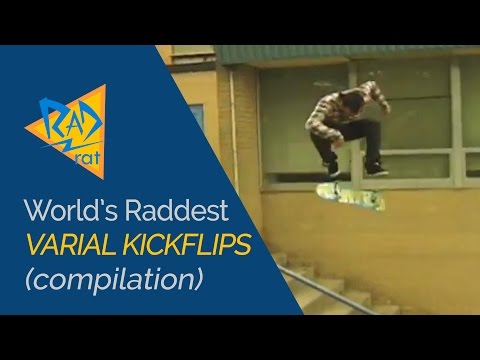
And to see what a clean varial looks like, this compilation gathers them from 20 years of skate videos. Watch the shoulders, not the board. Same reflex every time.
And once it’s locked in?
Move on to the varial heelflip, which spins the other way. Then add 180° more to the shove and it becomes the tre flip. The varial is the middle step.
Does your varial kickflip stop at 90° or shoot out behind you? And what finally unlocked it? Tell us in the comments ↓
Le lexique
-
1
pop shove-it
La planche fait un demi-tour à plat sous tes pieds, sans se retourner, lancée par le pied arrière.
-
2
flick
Le petit coup du pied avant qui gratte le bord de la planche et la fait tourner sur elle-même.
-
3
scoop
Le geste du pied arrière qui claque le tail puis le ramène derrière toi : c'est lui qui fait pivoter la planche.
-
4
catch
Le moment où tu reposes les pieds sur la planche en l'air pour bloquer sa rotation avant de retomber.

Continue ta lecture
ChroniquesSanta Cruz Skateboards a 53 ans : qu’est-ce qui tient encore de la marque d’origine ?
En 1973, trois surfeurs sortent 500 planches avec un surplus de fibre de verre. En 2026, Santa Cruz vend des decks Pokémon en sachet surprise.…
Commentaires (0)