
ℹ️ 🛹 Web Média Skate 🛹 ℹ️

 Back
Tricks
Nose Manual: Tougher than a regular manual, why do we learn it the other way around?
The nose manual scares more than a regular manual. The proven method rides fakie: 6 steps, 4 fails to dodge and a clean exit.
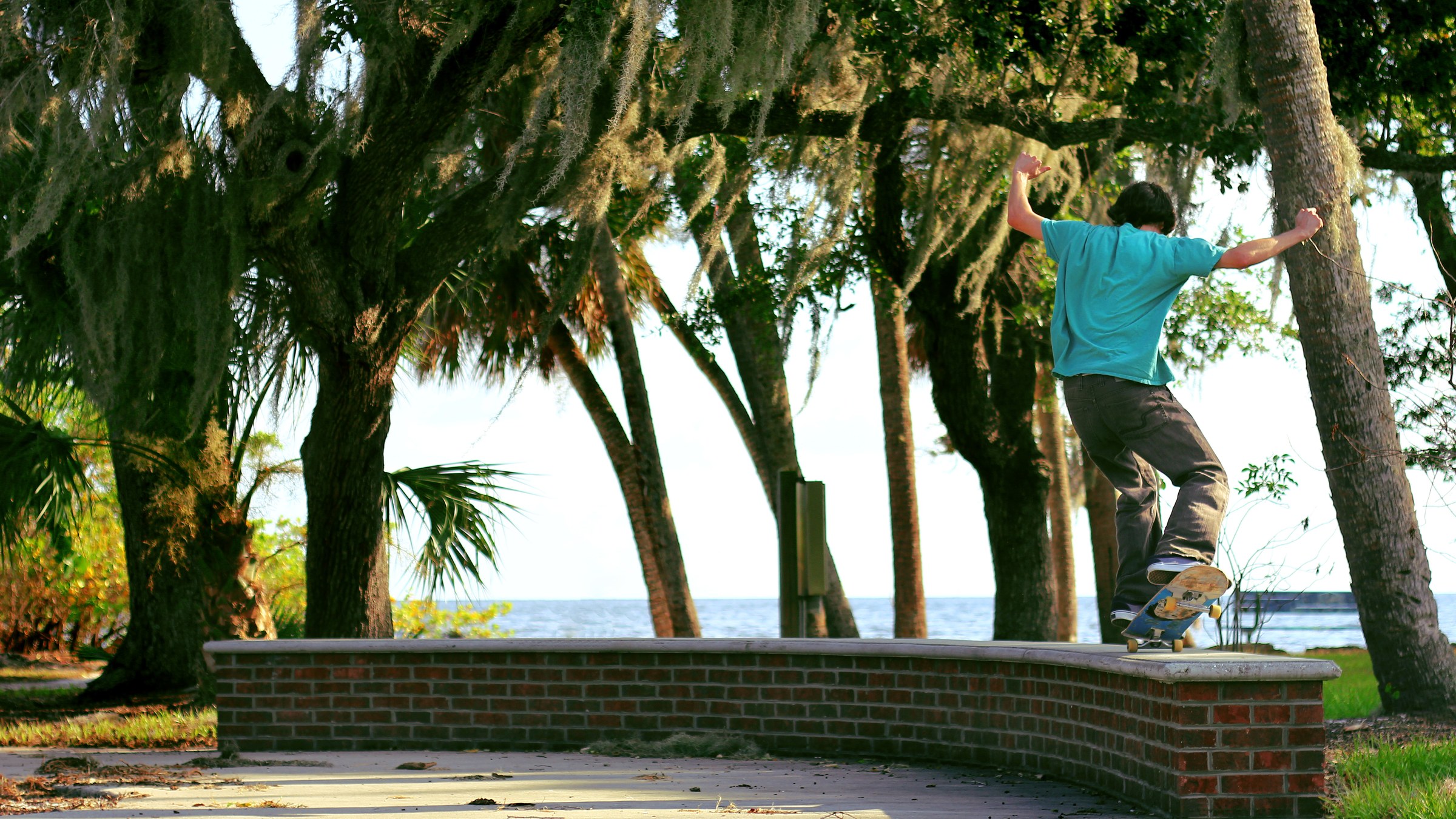
Mike Mo Capaldi broke his wrist on a stair ramp. Since then he’s been straight up saying in interviews, « I don’t like rails, » he doesn’t dig ramps. So he stayed close to the ground, and it’s on flat that he won the very first Battle at the Berrics, taking on Benny Fairfax.
Watch The nose manual in video: position, gaze and exit, with Matty Hunt

On the ground, everyone eventually hits the same trick: the nose manual. Riding on the front wheels, the board’s back in the air. Harder than the classic manual, that’s the consensus of everyone who’s tried it.
And yet, the method that works takes you the other way around. Why start from the back to nail it front? The answer is one word, and you get it after the 6 steps and the 4 fails.
Level
Intermediate
Time
2-4 weeks
Prerequisites
Manual 3 seconds
Surface
Smooth, flat floor
In this article 6 parts
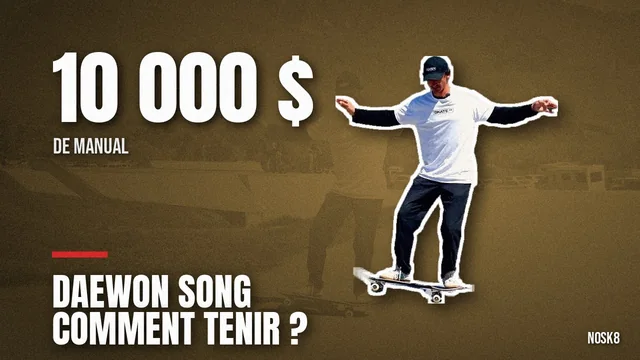
Daewon Song, 10,000 bucks on two wheels: who’s holding the nose?
The two‑wheel trick even had its own contest prize. In 2014, the Berrics launched the 2Up, a manual showdown among ten pros, voted by the crowd. On March 4, Daewon Song took home the trophy and 10,000 bucks. Tom Penny, a ’90s UK legend, was already hyping his manual runs.
Mike Mo, on the other hand, got known for his part in Forecast, the video produced by Paul Rodriguez. A flat, bench, curb skate. The spot where the nose manual separates the rider from the viewer.
The problem is that half the skaters treat it like a reverse manual. Same stance, same speed, same direction. And they grind the floor, the board planted dead. The Daewon Song sheet will tell you the rest.
Also read: Manual: holding 3 seconds is all about the gaze.
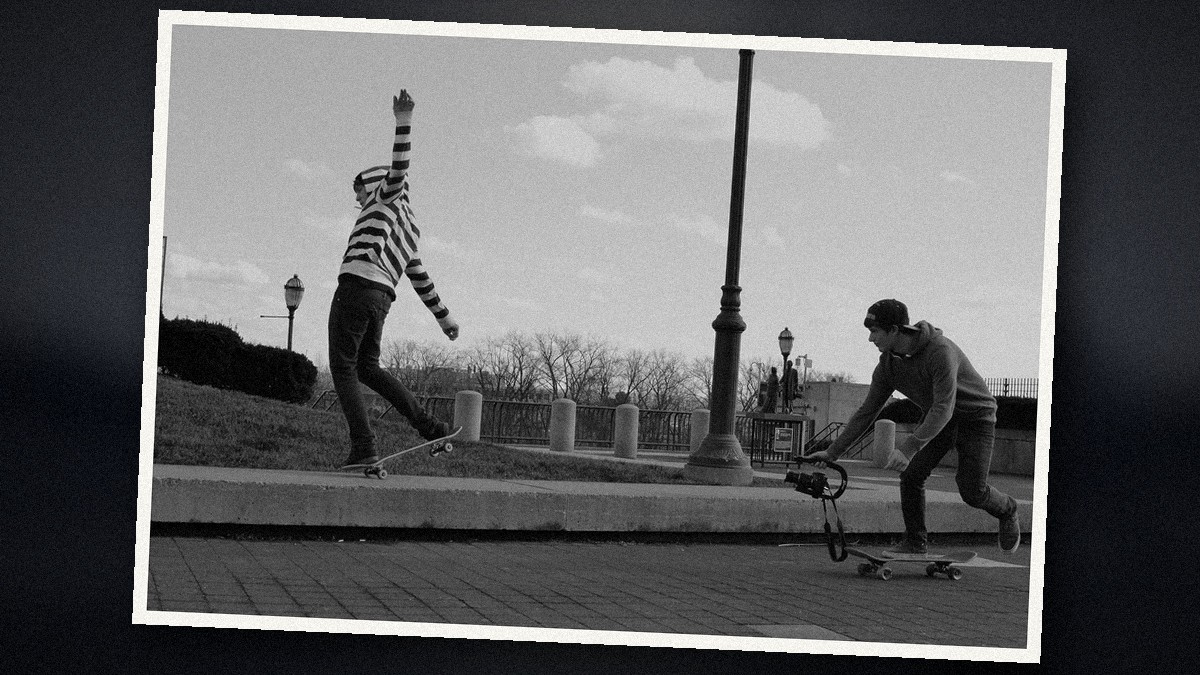
The 6 steps to hold your nose manual
-
The manual first, 3 seconds
No shortcuts. If your manual doesn’t hold for 3 seconds on flat, the nose manual will frustrate you for nothing. It’s the one that teaches you to feel the tipping point with the foot that’s pushing and the other that’s dosing.
-
At the stop, on the grass
Board laid on grass or carpet so it doesn’t roll. Front foot on the nose, toes near the curve. Rear foot just behind the front bolts. Lean until the tail lifts. That point is a few centimeters: memorize it.
-
In fakie, slowly
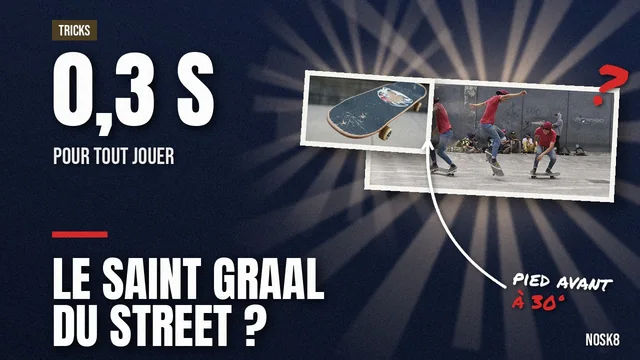
Roll in fakie, at the speed of a step. Push on the nose. The board rolls on the back wheels relative to your direction: it’s a manual in the walking direction. If it misses, the nose hits and you plant the foot, no more.
-
Shoulders above the front truck
Don’t lean back in fear. Your shoulders stay above the front truck, knees relaxed. Your arms open and correct. Your gaze is two meters ahead of the board, never on your feet.
-
Return in the right direction
When you hold two seconds in fakie, you switch back to normal position. Same foot, same pressure, same gaze. Slow speed, perfectly smooth surface. Aim for a second, not more. The body must realize it’s the same move.
-
The clean exit
Don’t let go of the nose all at once. Shift your weight to the center, the tail comes down on its own and the four wheels touch the ground without clacking. The day you want more, you exit by popping the nose: that’s the door to the nollie.
The 4 classic fails, and what they betray
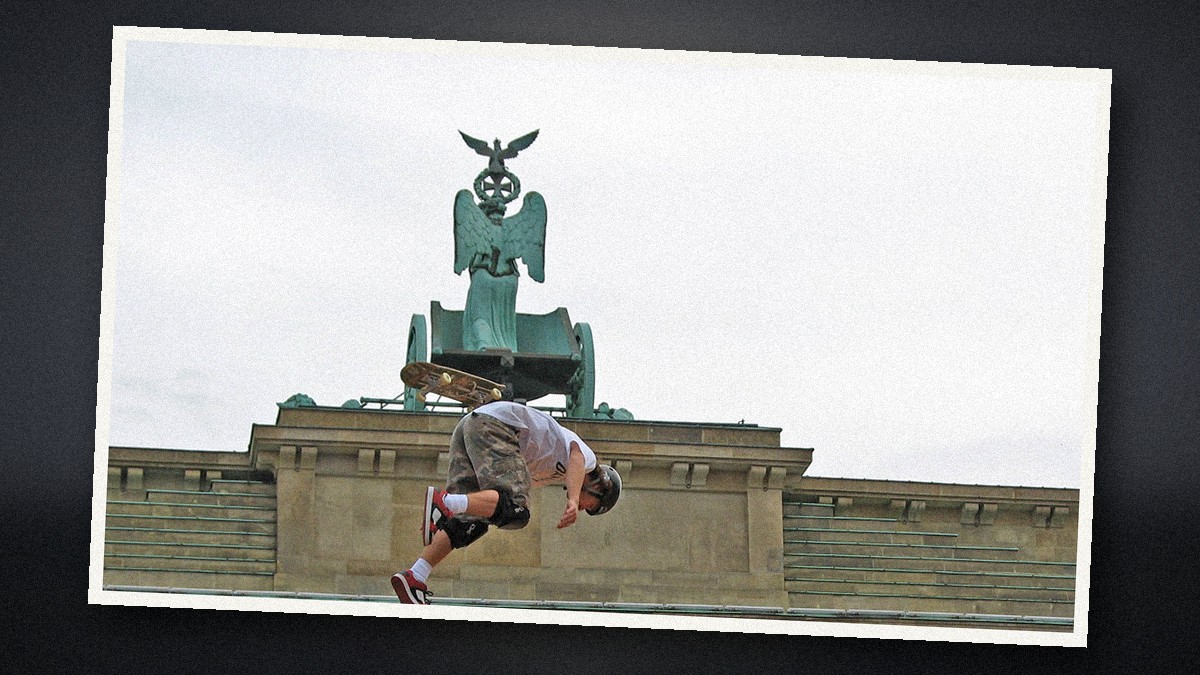
The 4 classic fails
- The nose scrapes and the board flips : too much weight forward. Pull your shoulders back a few centimeters, no more. The tail should float, not point up to the sky.
- The tail drops straight back : you’re scared, you lean back. Do a few fakie runs to regain confidence, then try again.
- The arms spin : you correct too late. Open your arms before lifting the tail, not while. They should already be in place.
- The exit slaps : you let go of the nose all at once. Shift the weight back to the center gently, the rear wheels land quietly.
So why does he learn it the other way?
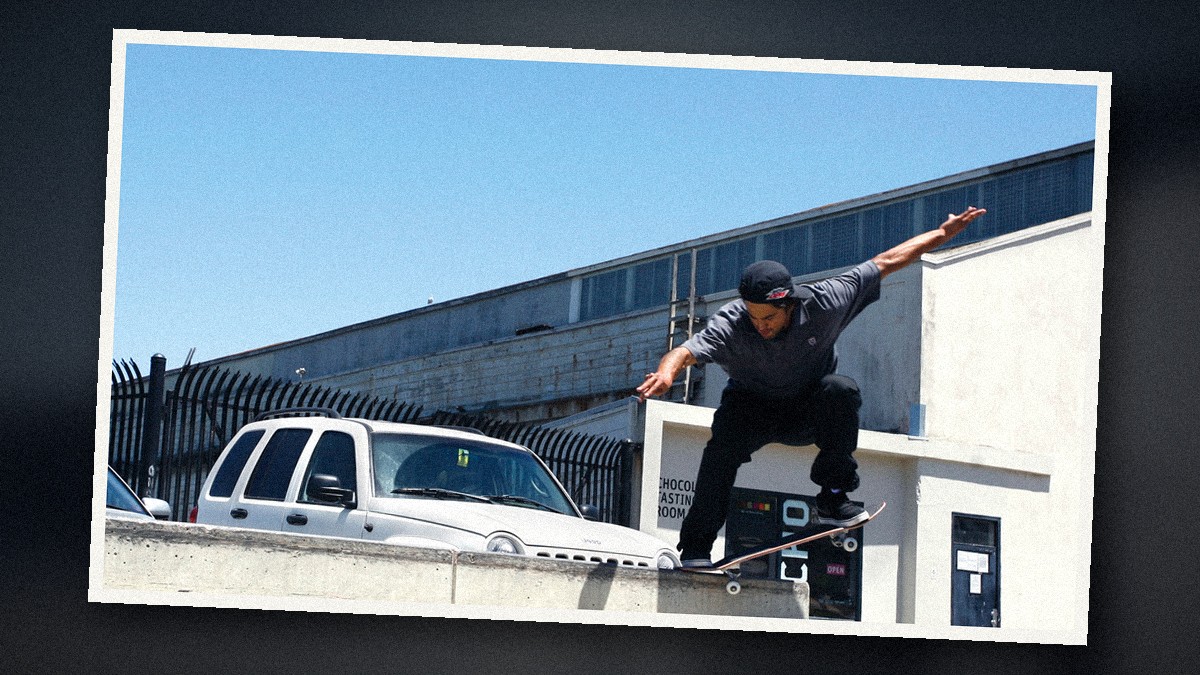
Because the problem isn’t balance. It’s fear. In manual, when you miss, the tail hits and you keep rolling. In nose manual, when you miss, the board flips and your body goes forward. Your brain knows that, so it pulls you back.
The word is fakie. When rolling backward, the nose becomes the back of the board in the direction of travel. You’re doing a nose manual, but your body experiences a manual. No more falling forward, no more recoil reflex.
You learn the right front‑foot dosage without fear. Then you just change direction. The move is the same, only the sense changes.
And that’s why the manual comes first. The pivot point you already have in memory. Nose manual is the same point, just at the other end of the board.
How long before you can hold it for real?
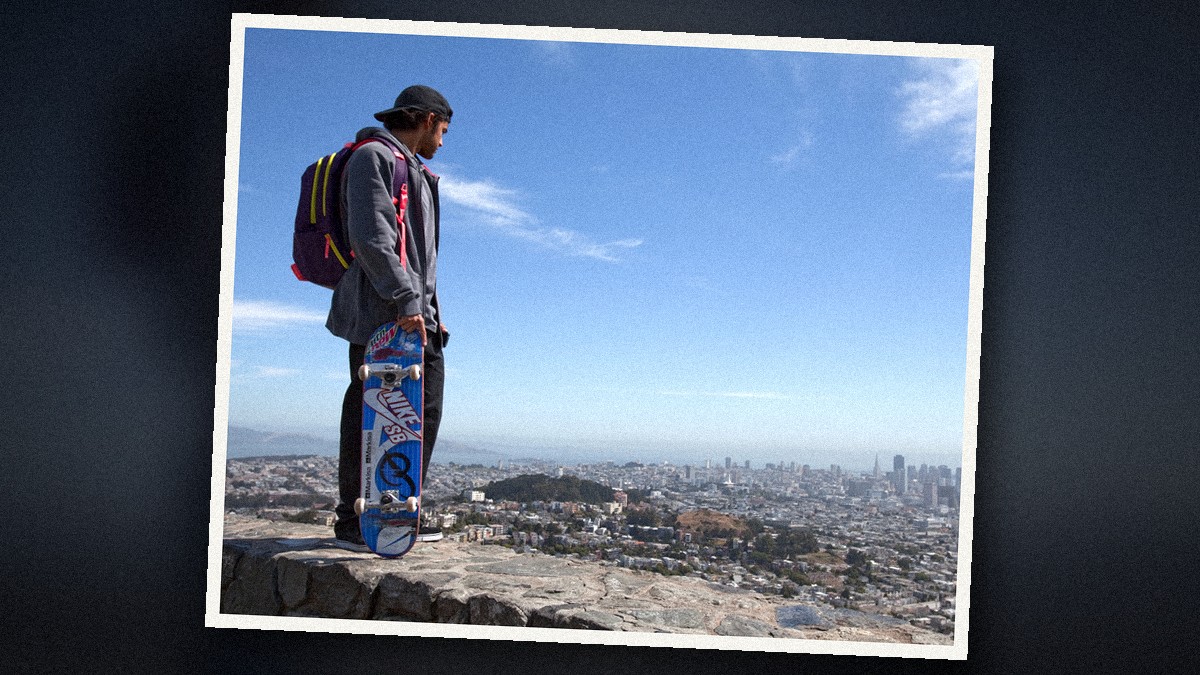
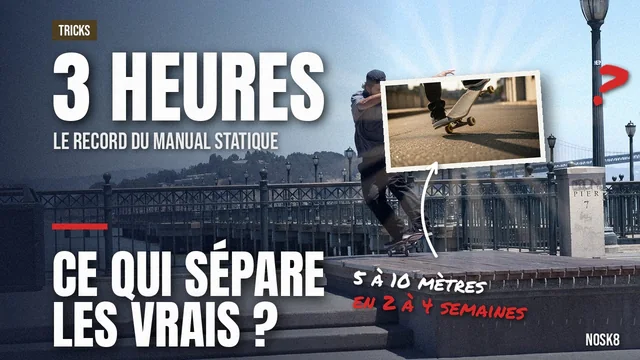
The honest range: two to four weeks if your manual already holds 3 seconds. The fakie version often shows up in a few sessions. The real feel takes longer, because fear doesn’t leave in one go.
If it stalls after two weeks, film yourself. Watch where your shoulders are when the tail drops. In nine out of ten cases, they back off before the board even moves.
Keep your sessions short. Twenty minutes focused, not two hours pushing. And the day you cruise the whole parking lot on the nose, tail in the air, you’ll know you nailed it upside down.
And once he’s back?
Place him on a curb or manual pad, then pop out. The nollie gives you the exit, the flip in flip out gives you the combo. And to understand how a flat board turns into a career, the story of la P-Rod 1 chez Nike SB is worth a look.
Your nose manual, did you learn it fakie or straight in the right direction? And how many sessions before you held it? Drop it in the comments ↓
Continue ta lecture
TricksApprendre le kickflip — Le trick le plus iconique du skate décomposé
FRENESPT Mike Mo Capaldi broke his wrist on a stair ramp. Since then he’s been straight up saying in interviews, « I don’t like rails, » he…
Commentaires (0)