
ℹ️ 🛹 Web Média Skate 🛹 ℹ️

★ Portraits
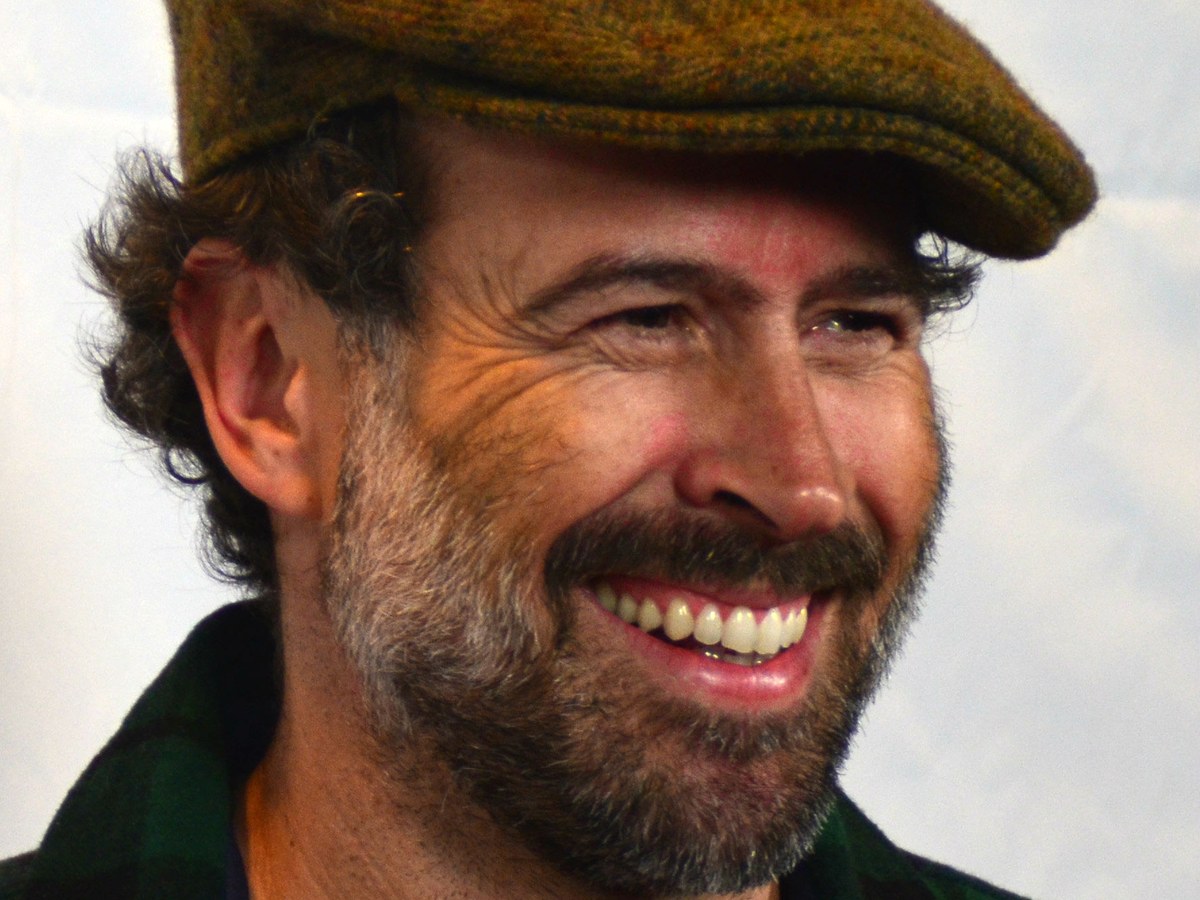
Jason Lee and Stereo: Can You Sell Skate Like a Jazz Record?
En 1992, Jason Lee et Chris Pastras lancent Stereo avec du jazz, du super-8 et des dessins faits main. La marque a-t-elle vraiment changé la façon de vendre le skate ? Réponse avec les faits.

In 1992, two pro skaters launched a board brand with jazz jackets front and center instead of shock‑art. Jason Lee and Chris “Dune” Pastras called it Stereo. Thirty years later, one question still lingers: can you actually sell skate like you sell a record?
Jason Lee, before he was Earl
For an entire generation, Jason Lee was the Mallrats (1995) dude and then the guy from My Name Is Earl. But before the sets, he was a kid from Huntington Beach, born in 1970 in Santa Ana, who dropped out to skate. He turned pro in the late ’80s and early ’90s.
His part in Video Days, the 1991 Blind video, still spins on repeat today. Rodney Mullen himself credits him with giving the 360 flip its style and popularizing it. And Mike Carroll, interviewed by Transworld in 2012, names him among the two skaters who left the biggest mark on him.
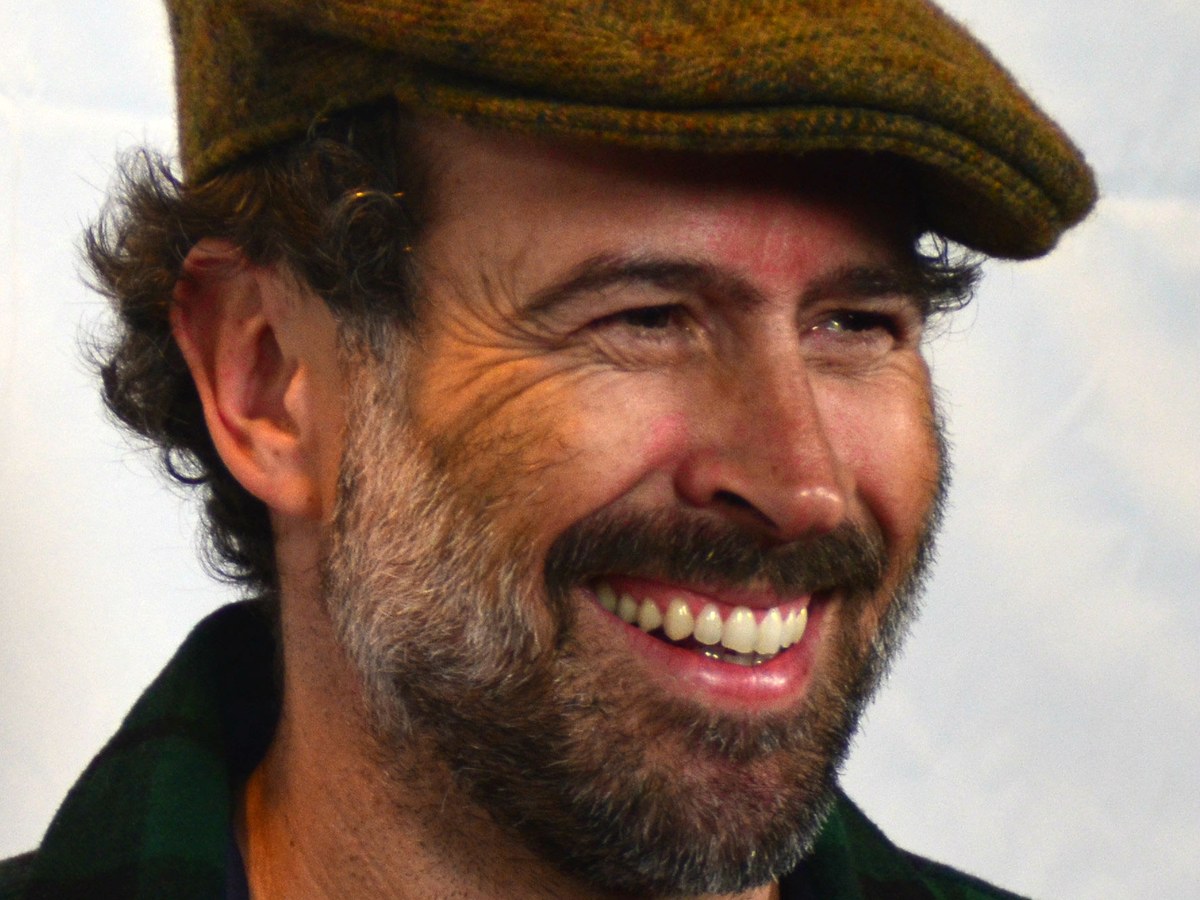

Chris Pastras, the other half of Stereo
People often spin Stereo as “Jason Lee’s brand.” That forgets half the name on the paperwork. Chris Pastras, born in 1972 in New Jersey, skated for World Industries (you see him in Rubbish Heap, 1989), then for Blue. In May 1992 he graced the cover of Slap, and in 1993 that of Transworld.
That same year, 1992, they launched Stereo Sound Agency, soon dubbed Stereo Skateboards. And what gave the brand its face was largely Pastras: his own drawings, visuals laced with jazz imagery, and Super‑8 footage.
A 36‑minute video that sounds like a record
In 1994 came A Visual Sound, directed by Pastras and Lee. 36 minutes, with Mike Daher, Carl Shipman, Matt Rodriguez, Mike Frazier, Greg Hunt, Ethan Fowler, and the two bosses. The soundtrack? Jazz, by Ululation and Tommy Guerrero. No punk, no rap, even though that was the vibe everywhere back then.

Two years later, in 1996, Tincan Folklore nails it with Pastras front‑and‑center. The Stereo vibe is set: grit, unexpected music, and skaters filmed for how they roll more than for the hardest trick of the year.

The hiatus, then the comeback in 2003
In the second half of the ’90s, Lee moved into film. Stereo, meanwhile, eventually paused for a few years. In 2003, Lee and Pastras revived it. In 2004, Way Out East! dropped, and Lee was still skating on it. In 2013, both were still part of the brand’s “Classics” crew.
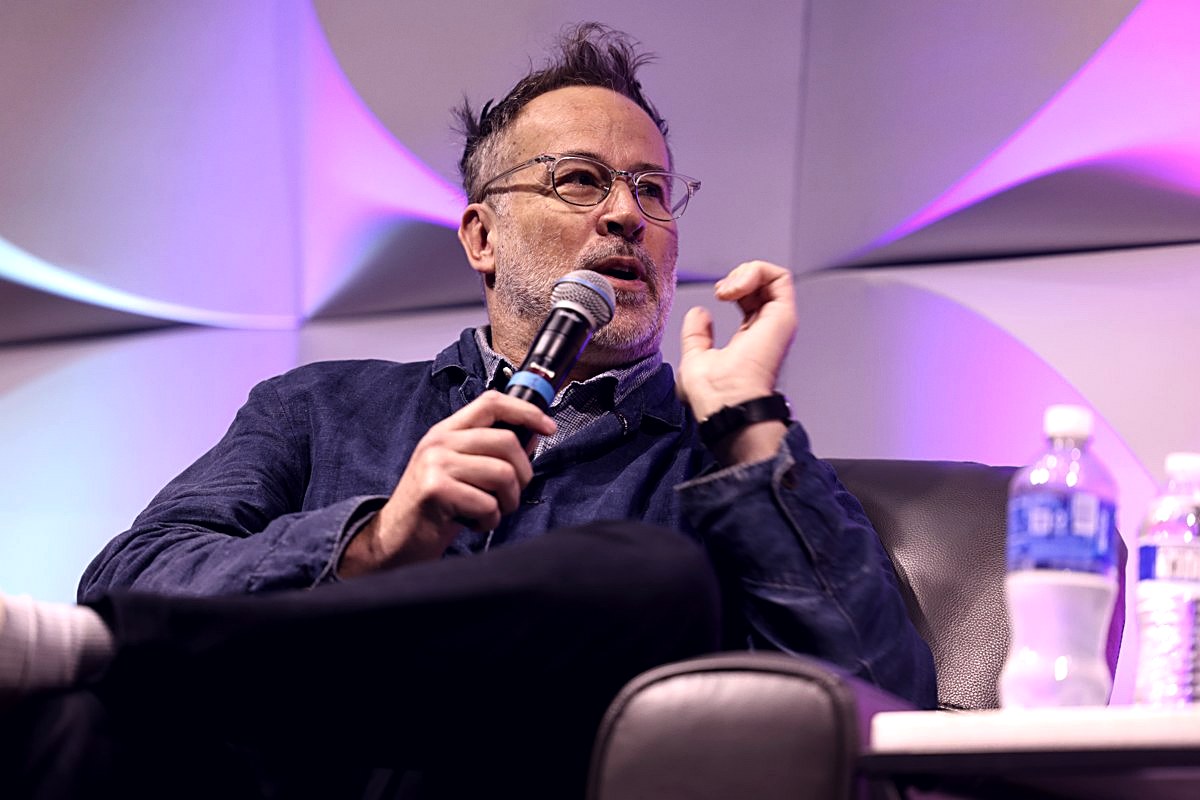
So, did Stereo change how skate is sold?
Let’s be real: no, Stereo didn’t invent the skater‑run brand model. Steve Rocco, a former pro, launched World Industries in 1989. Plan B popped up in 1991, and Girl in 1993, run by Mike Carroll and Rick Howard. Saying Jason Lee “wrote the playbook” for the whole industry is wrong.
What Stereo showed was something else, and maybe rarer: you could sell an atmosphere. While part of skate at the time leaned into provocation and scandal‑making art, Lee and Pastras sold a record sleeve. Jazz, super‑8, hand‑drawn art. You weren’t buying a deck; you were buying a vibe. And it worked enough for the brand to return after its break and still be around today.
This tone is still seen today in all brands that bet on grit and music instead of the buzz‑making trick. You knew A Visual Sound, or did you get hooked through Video Days? Drop it in the comments.
Correction of October 3, 2026: this article has been updated. The first version presented Jason Lee as the sole founder of Stereo and credited him with inventing a model adopted by the whole industry, without sources. Stereo was founded in 1992 by Jason Lee and Chris Pastras. We added verified facts (A Visual Sound, the pause and comeback in 2003) and corrected the Video Days video caption. Sources: Wikipedia (Jason Lee, Chris Pastras, Mike Carroll), Thrasher Video Classics.
Shop NOSK8
Voir toute la boutique →
TEE-SHIRTS
TEE-SHIRT NOSK8® NOSKATE #NSITA
Le prix initial était : 35,00 €.29,00 €Le prix actuel est : 29,00 €.
TEE-SHIRTS
TEE-SHIRT NOSK8® P.B HEART #POLARBEAR
Le prix initial était : 35,00 €.29,00 €Le prix actuel est : 29,00 €.
TEE-SHIRTS
TEE-SHIRT NOSK8® I.L.N #ILOVEN8
Le prix initial était : 35,00 €.29,00 €Le prix actuel est : 29,00 €.
TEE-SHIRTS
TEE-SHIRT NOSK8® P.B HEART #NYC
Le prix initial était : 35,00 €.29,00 €Le prix actuel est : 29,00 €.
TEE-SHIRTS
TEE-SHIRT NOSK8® MATRICE HEART #CTRL
Le prix initial était : 35,00 €.29,00 €Le prix actuel est : 29,00 €.
CASQUETTES
CAP NOSK8® P.B #POLARBEAR
Le prix initial était : 35,00 €.25,00 €Le prix actuel est : 25,00 €.
CASQUETTES
CAP NOSK8® N8 #NOSK8
Le prix initial était : 35,00 €.25,00 €Le prix actuel est : 25,00 €.

CASQUETTES
CAP NOSK8® P.B.P #PAW
Le prix initial était : 35,00 €.25,00 €Le prix actuel est : 25,00 €.
HOODIES
HOODIE NOSK8® NOSKATE #SNC
Le prix initial était : 60,00 €.49,00 €Le prix actuel est : 49,00 €.
HOODIES
HOODIE NOSK8® P.B CENTRE #RNB
Le prix initial était : 60,00 €.49,00 €Le prix actuel est : 49,00 €.
HOODIES
HOODIE NOSK8® MATRICE HEART #ALT
Le prix initial était : 60,00 €.49,00 €Le prix actuel est : 49,00 €.
HOODIES
HOODIE NOSK8® MATRICE HEART #CTRL
Le prix initial était : 60,00 €.49,00 €Le prix actuel est : 49,00 €.
HOODIES
HOODIE NOSK8® I.L.N #ILOVEN8
Le prix initial était : 60,00 €.49,00 €Le prix actuel est : 49,00 €.
SWEAT
SWEAT NOSK8® P.B HEART #BARÇA
Le prix initial était : 45,00 €.39,00 €Le prix actuel est : 39,00 €.
SWEAT
SWEAT NOSK8® P.B HEART #PHILI
Le prix initial était : 45,00 €.39,00 €Le prix actuel est : 39,00 €.
SWEAT
SWEAT NOSK8® P.B HEART #NYC
Le prix initial était : 45,00 €.39,00 €Le prix actuel est : 39,00 €.
SWEAT
SWEAT NOSK8® P.B HEART #PARIS
Le prix initial était : 45,00 €.39,00 €Le prix actuel est : 39,00 €.
SWEAT
SWEAT NOSK8® P.B HEART #POLARBEAR
Le prix initial était : 45,00 €.39,00 €Le prix actuel est : 39,00 €.

Continue ta lecture
Chroniques100 planches parties en 49 secondes : pourquoi P-Rod a monté Primitive au lieu de signer ailleurs ?
P-Rod n'a pas été signé par Primitive : il l'a fondée. Une boutique en 2008, une marque de planches en 2014. Ça change tout au…
Commentaires (0)