
ℹ️ 🛹 Web Média Skate 🛹 ℹ️

Portraits
Rodney Mullen: 34 Contest Wins Out of 35 — Then He Erased His Own Stance
Il a gagné 34 des 35 contests de sa carrière et inventé la moitié des figures qu'on tente aujourd'hui au skatepark. Puis son corps a lâché — et à 41 ans, il a tout réappris avec l'autre pied devant, comme un débutant.

On August 17, Rodney Mullen turned 60. The guy won 34 of the 35 contests he entered over a ten-year stretch — a ratio nobody has ever come close to in this sport. And past 40, he willingly tore down the one thing anybody's skating is built on: his stance, the natural way his feet sit on the board. Not for clout. Because he had no other choice left.
Gainesville, 1976: a surgeon father and one condition
John Rodney Mullen was born on August 17, 1966 in Gainesville, Florida. His dad was a surgeon. To him, skateboarding meant noise, injuries and kids going nowhere. Hard no.
Rodney negotiated for months. At 10, he got his board with one clause attached: first serious injury and it was over. He didn't break much right away — because he wasn't skating outside. He skated alone, in the garage, on flatground, for hours on end.
That kid was shy to the point it kept him from living. Anxious, withdrawn. Skateboarding wasn't a sport to him, it was a language — the only one he could actually say something in. In 1978, barely a year after first stepping on a board, he took fifth at a contest. The garage had just produced a monster.
34 contests out of 35: the most total domination skateboarding has ever seen
First freestyle world champion title at 14. That same year, Stacy Peralta recruited him into Powell Peralta's Bones Brigade, alongside Tony Hawk, Steve Caballero and Lance Mountain. He was the youngest, the quietest, and by far the most technical.
Over the decade that followed, he won 34 of the 35 freestyle contests he entered. People often repeat "35 world titles" — the real number is even crazier, because it means he lost exactly once. Everyone else showed up knowing they were skating for second place.
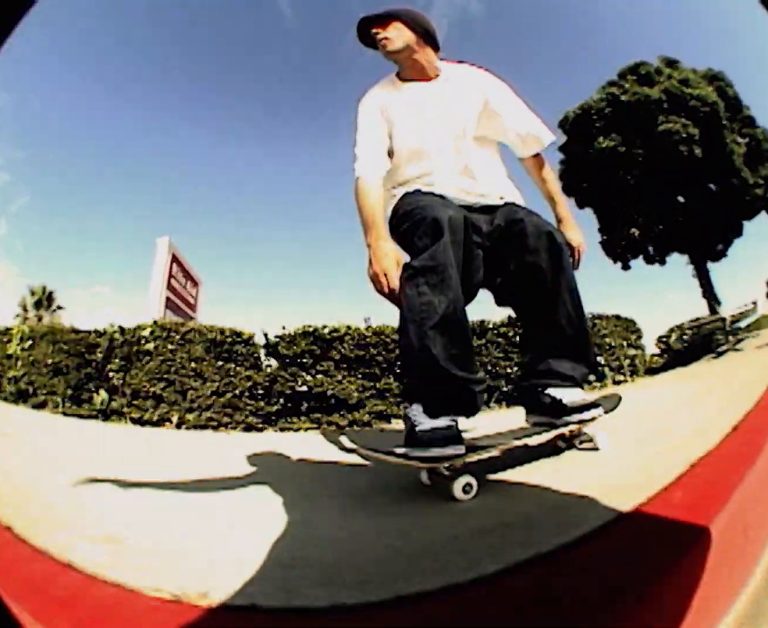
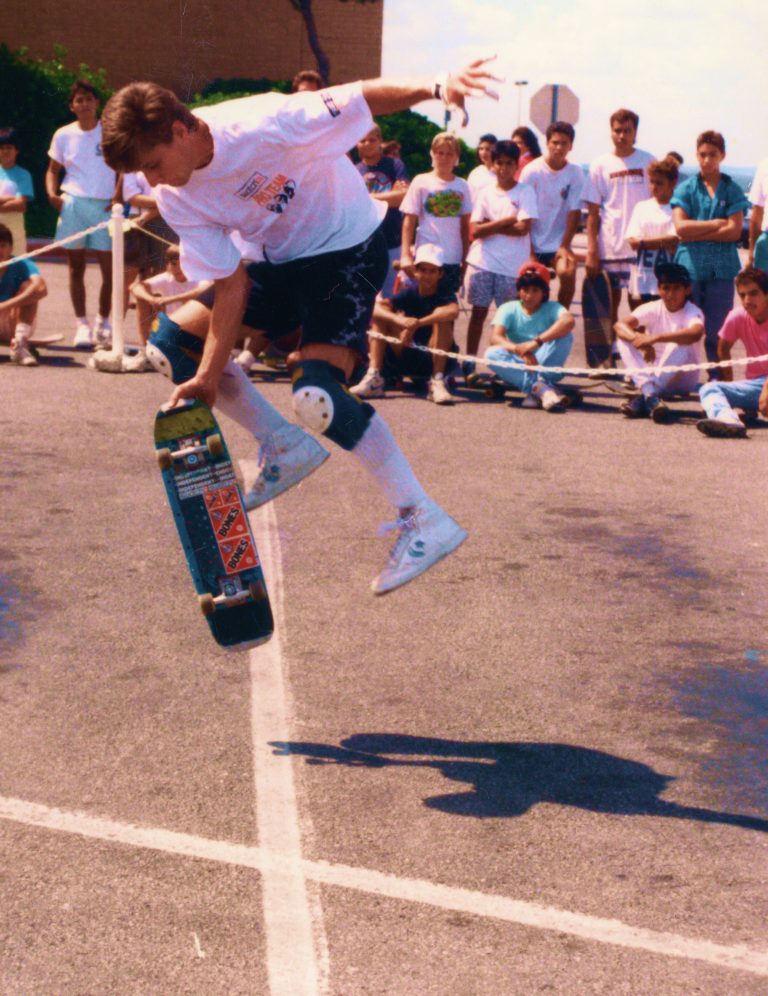
And while he was winning everything, he was inventing. The flatground ollie — popping the board into the air on flat, no ramp, no wall. Then the kickflip, the heelflip, the impossible, the 360 flip. Every trick you try at the skatepark today traces straight back to that Florida garage.
The whole paradox fits in one story: on tour with the Bones Brigade, at a rest stop in Maryland, he ran away from the van. The best skateboarder in the world couldn't handle being around the others.
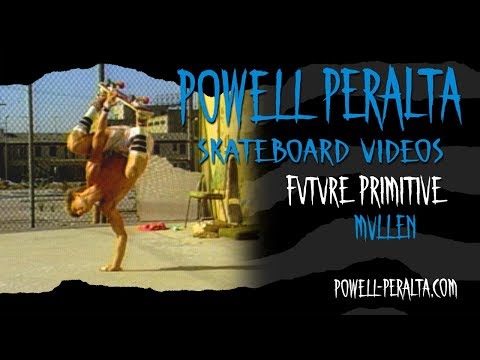
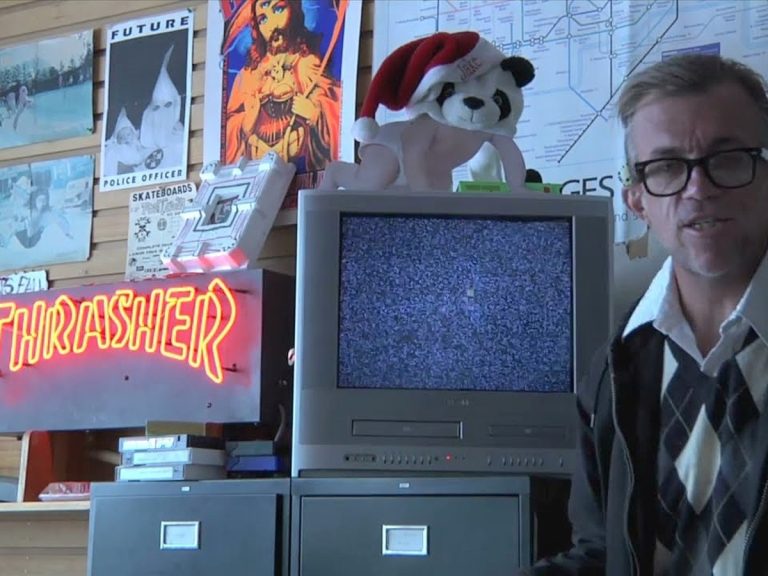
In 1985, his part in Future Primitive - 1985 got passed around on VHS, homie to homie, until the tape was worn thin. You'd watch it on the living-room CRT, and there was that moment where the board went somewhere it had no business going. You'd get up. Rewind. Watch it again, frame by frame, trying to work out where his feet went. Nobody could work it out.
The timeline
Career
- 1980
 Powell PeraltaAt 14, he joins the Bones Brigade alongside Tony Hawk and Steve Caballero. He's just locked up his first world title.
 - 1986
 FreestyleAt the top: stacking win after win and pulling the kickflip, the heelflip and the 360 flip out of thin air.
 - 2001
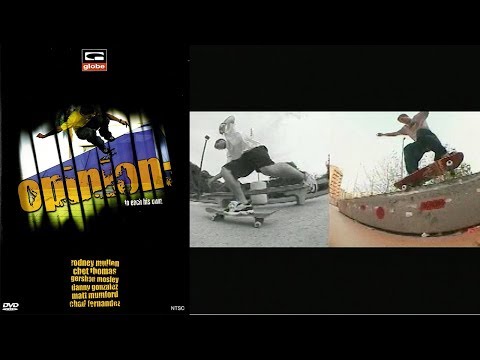 GlobeGlobe "Opinion" part: proof his freestyle vocabulary works on real streets too.
 - 2004
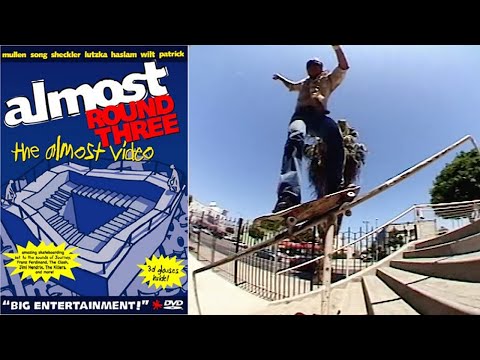 AlmostAlmost "Round 3" part — the cult battle with Daewon Song that marked a whole generation.
 - 2015
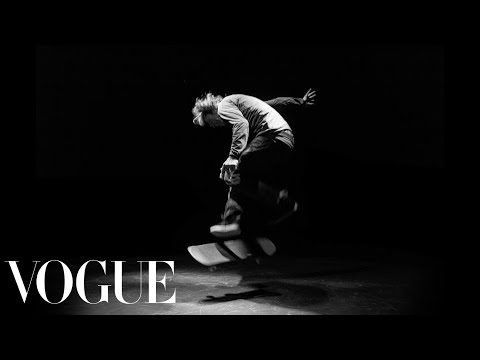 VogueStill putting out never-been-done tricks, this time captured in 360°. Past fifty, still searching.
Freestyle fades away, he translates it all to the streets
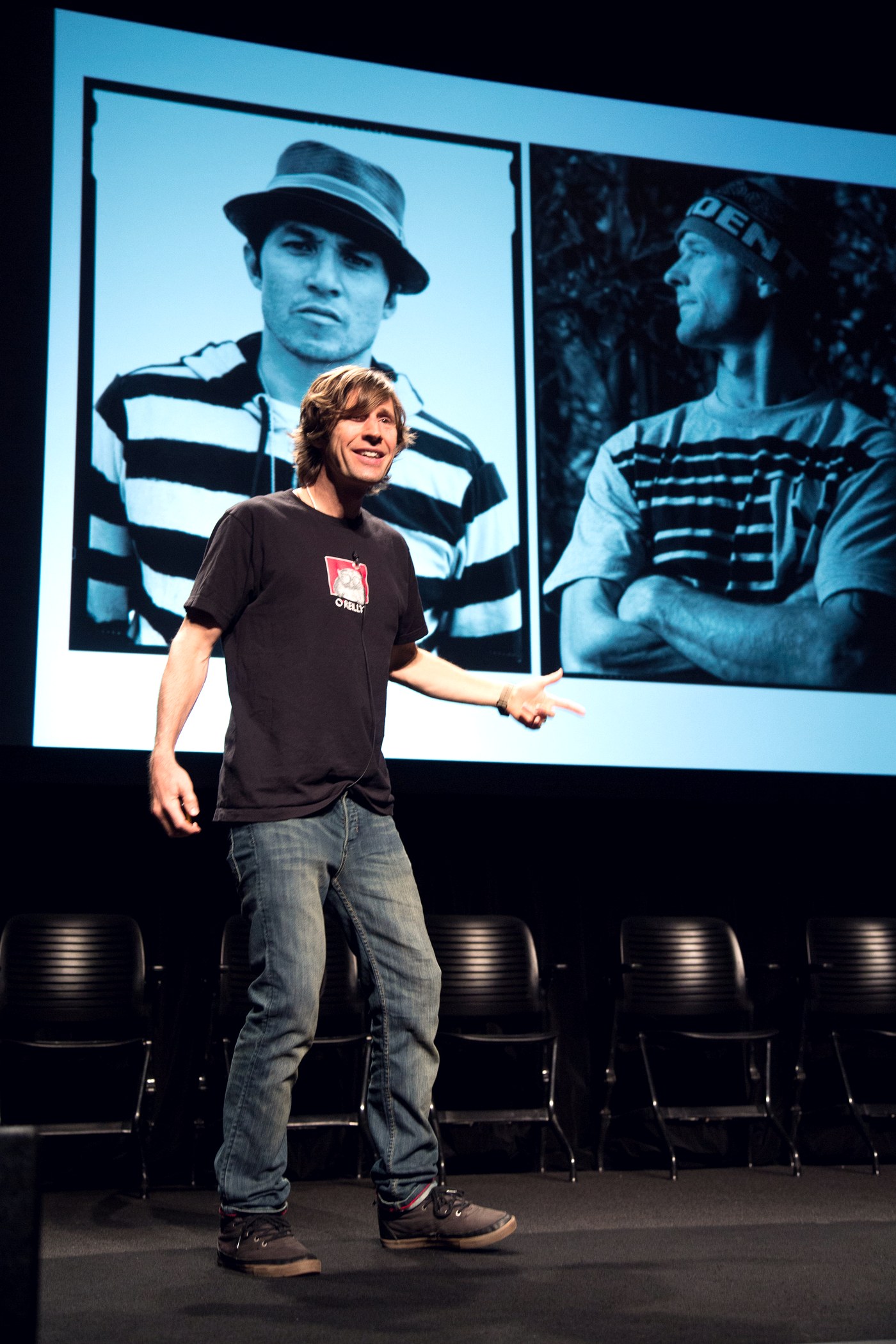
Early '90s, freestyle collapses. The contests stop, the sponsors fold, the entire discipline evaporates in a few seasons. For anyone else, that's a career over at 25.
Mullen, though, walks away from his chemical engineering studies at the University of Florida — senior year, degree nearly in hand — to run World Industries with Steve Rocco. And he starts translating, one by one, all his flatground tricks into street language. The darkslide, the Casper slide, the primo slide: moves nobody had ever seen in street because nobody else came from flatground.
The rest comes fast. The A-Team in 1997 with Marc Johnson. The Rodney vs. Daewon - 1997 series, three installments, one of the most-watched battles in skate video history. A patent filed in 2000 for a truck of his own design, which would become Tensor. Almost, co-founded with Daewon Song. The garage kid had become an industry.
The body giving out — and the call nobody else would have made
Here's the price of thirty years doing the splits on a board, always on the same side. The darkslides, the extreme positions, the same leg hyper-extended thousands of times: scar tissue built up in his right hip until it locked up completely.
His own words, in an interview at the Bright trade show in 2011: it was "a gradual shutdown, until I could barely walk." The greatest skateboarder in history couldn't make it across a room properly anymore.
What he did next explains the title of this article. No surgery. He spent roughly a year and a half breaking down that scar tissue himself, through endless stretching and blunt objects pressed into the hip — "in a pretty medieval way," as he put it. And while he was taking his body apart piece by piece, he figured something out: his hip wasn't the only thing that had ossified. His stance had too.
So starting in 2007, he erased it. He relearned his tricks goofy, after building his entire career regular. And he's clear this isn't just "doing everything switch," because everybody skates switch. The goal was more radical: having no stance at all, no natural side left. The result, the way he sums it up: even the stuff you did in your original stance feels brand new again.
There's your answer. He didn't erase his stance for a challenge or a clip. His body backed him into a corner, and rather than repair the skater he was, he chose to become a beginner again at 41. It's the exact same move as at 10 in the garage: chasing what nobody has done yet — even when that "nobody" is yourself.
Ocala, March 2026: the key to the city
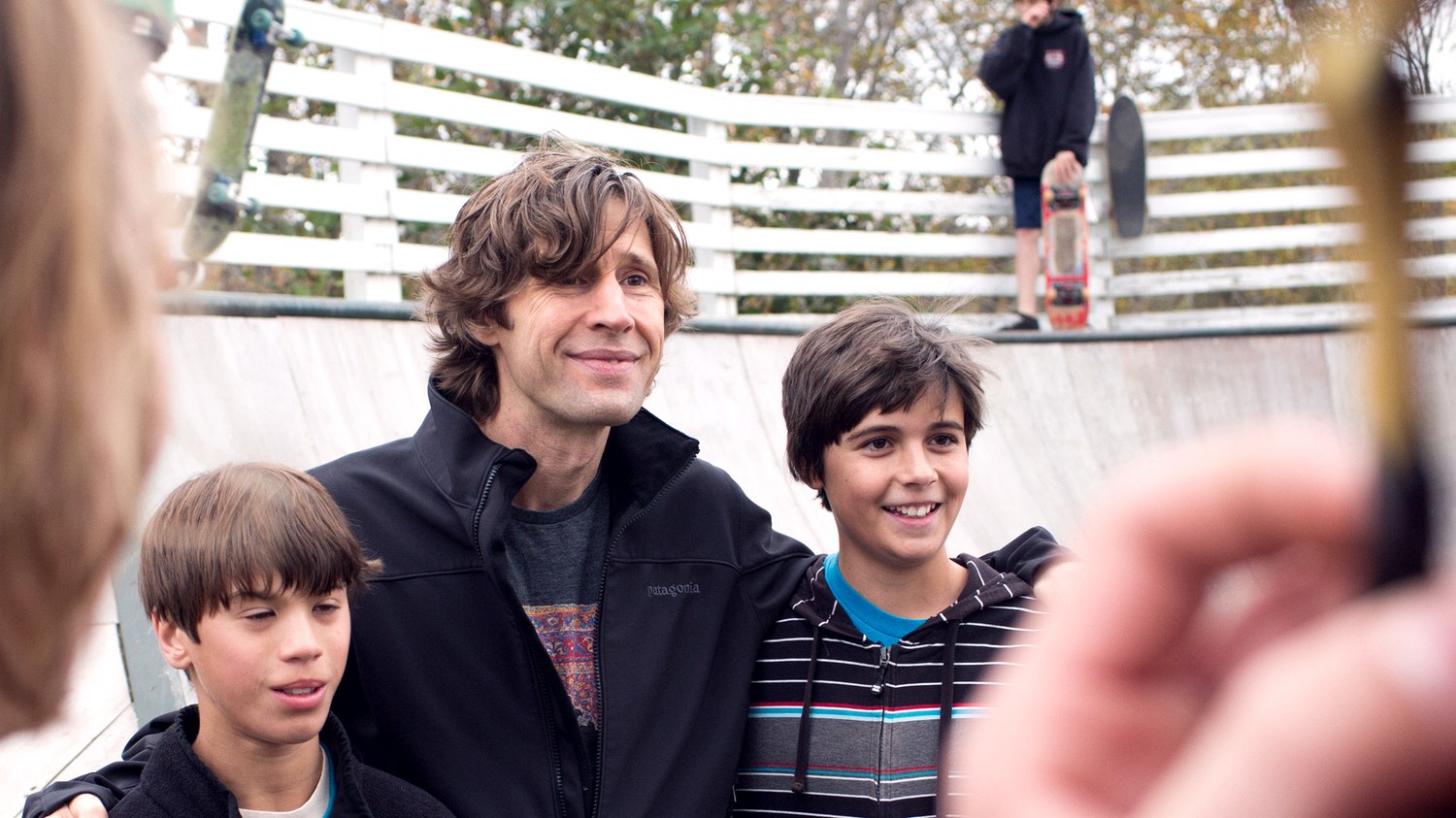
On March 28, 2026, he cut the ribbon on the expansion of the Ocala skatepark in Florida, forty minutes from his native Gainesville. The city handed him the keys. Thousands of people showed up. He hasn't skated a contest in decades, and he still draws a crowd in a Florida county.
In between, he took the TED stage at the University of Southern California in 2012 to explain to engineers how invention works — his talk "Pop an ollie and innovate!" is still making the rounds. He lent his voice and his moves to a video game in 2019, dropped his own augmented-reality game in 2022, and keeps giving sessions to the kids whenever he's asked.
On what keeps him going, he was honest with The Berrics in 2014: he's afraid of being judged, he doesn't want people watching him grow old in public or bail his tricks in front of everyone. But the joy of rolling, he says, "is what I'll do as long as I can. It's who I am."
Today, when some kid lands their first kickflip in a parking lot and throws their arms up like they just won something, they usually have no idea they just executed the idea of a lonely teenager locked in a Florida garage in 1983. Maybe that's the finest definition of legacy: a move so widely shared that nobody thinks about who authored it anymore.
Ever tried skating your opposite stance, even just one push? Tell us how impossible it felt.Drop a comment
Follow NOSK8 where you hang out
Parts, spots, behind the scenes: it all drops on the accounts first.
Le lexique
-
1
flatground ollie
Sauter avec la planche sur du sol plat, sans rampe ni mur, en claquant le tail. La base de tout le skate moderne.
-
2
darkslide
Slide effectué planche retournée, grip contre l'obstacle, le skateur en équilibre sur la face inférieure du deck.
-
3
Casper slide
Figure où la planche est retournée à la verticale, un pied sous le deck, l'autre sur le tail, en glissant.
-
4
primo slide
Glisse effectuée avec la planche posée sur la tranche, roues perpendiculaires au sol, pieds en équilibre dessus.
-
5
stance
Façon naturelle de poser les pieds sur la planche : regular (pied gauche devant) ou goofy (pied droit devant).
Continue ta lecture
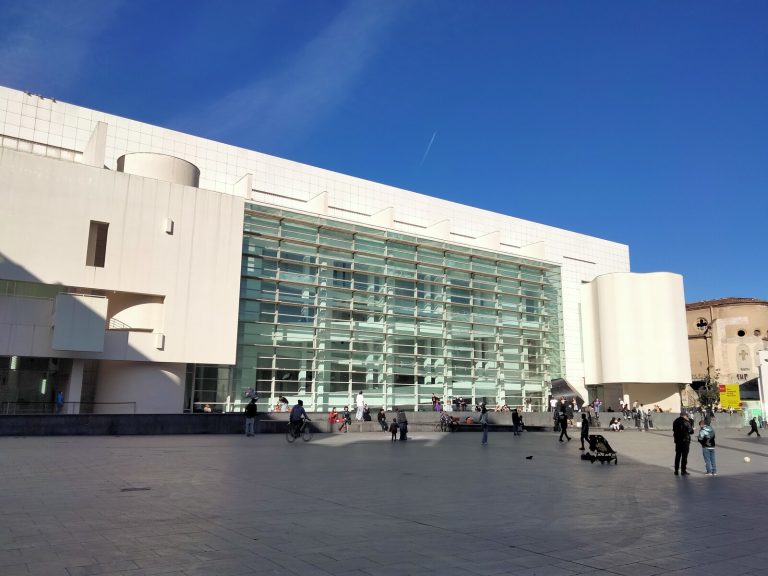
SpotsMACBA Barcelone — Le spot le plus mythique du skate mondial vit ses dernières heures
La Plaça dels Àngels de Barcelone, Mecque du street skating depuis 1995, est menacée par l'extension du musée MACBA. Retour sur 30 ans d'histoire.
Commentaires (0)