
ℹ️ 🛹 Web Média Skate 🛹 ℹ️

Chroniques · Opinion
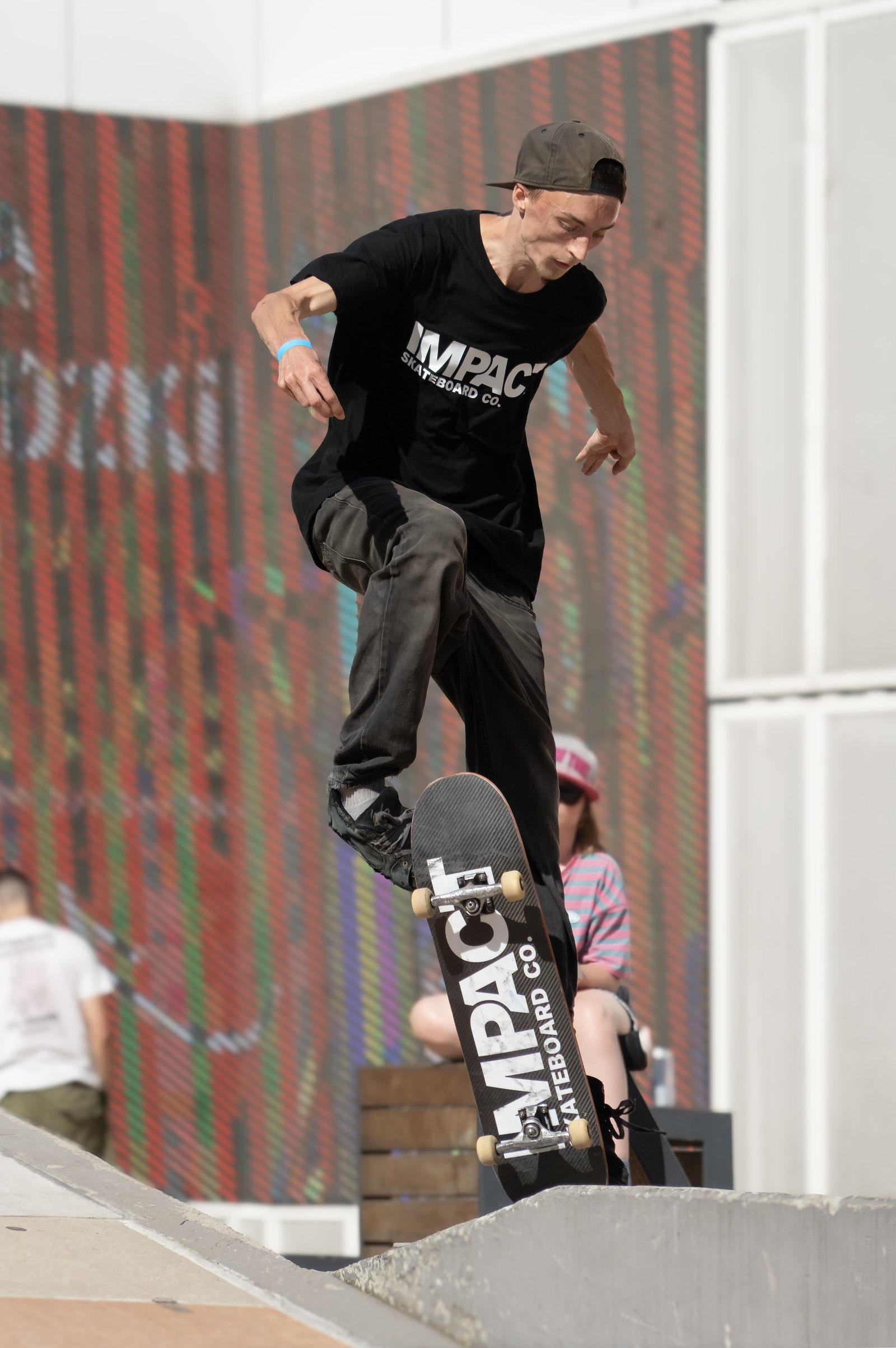
Plan B Skateboards: how Mike Ternasky reinvented street skating in 1991
En 1991, Mike Ternasky claque la porte de H-Street et fonde Plan B. Avec une seule vidéo, Questionable, il fait du skate de rue la discipline la plus sérieuse du monde.

→ Pour aller plus loin : Etnies a 40 ans : qu’est-ce qui tient encore de la marque d’origine ?
In 1991, Mike Ternasky walked out on H-Street, the team he was managing, because he couldn't stand watching street skating run by guys who had never set foot on a board. A few months later he launched Plan B — and with a single video, he turned street from a kids' pastime into the most serious discipline on the planet.
We often tell the story backwards. We talk about Mike Carroll, Rick Howard and Danny Way as if the brand had built itself around their talent. The truth is that it took a man in the shadows, behind the camera, to bring them together and put a pressure on them no one had ever dared apply. That man was Ternasky. And modern skating owes him more than it realizes.
1991: the day Ternasky walked away from everything

In the early 90s, the skate industry was run by aging owners who had stopped skating long ago. They sold boards the way you'd sell vacuum cleaners. Ternasky was managing H-Street with Tony Magnusson and he was suffocating. He could see street exploding in the streets — ledges, rails, gaps — and an industry incapable of filming it properly.
So he left. He founded Plan B on a simple, radical idea for the time: the brand isn't the logo on the board, it's the video. The product is the footage. And to make the best footage in the world, you need the best team in the world. Not a nice team. The best, period.
What no one had done before him was to treat a skate team like a total art project. Ternasky filmed, edited, reframed, pushed. He'd ask his riders to retry a trick fifty times so the line would be perfect. At a time when most videos looked like vacation montages, it was a silent revolution.
Ternasky didn't sell boards. He sold an idea of skating where nothing was ever good enough. — The architect who stayed in the shadows
Questionable - 1992: the day the bar exploded
When Plan B dropped Questionable - 1992, it was an earthquake. Plenty of people in the scene still consider it the greatest skate video ever made. Not one of the greatest. The greatest. And you only have to watch it to understand why.
The part that floored everyone is Pat Duffy's. The kid threw down handrails no one would have dared even stare at a few months earlier. Stair rails as long as hallways, in backside lipslide, in switch. At that precise moment, street changed scale. What was impossible yesterday became the new minimum.
And behind Duffy, there was a dream cast: Rodney Mullen reinventing flatground, Danny Way and Colin McKay bringing vert power into the street, Sean Sheffey and his violence, Matt Hensley and his style. Ternasky didn't just gather good skaters. He gathered the future pillars of an entire decade.
The dream team Ternasky assembled by hand
Look at the 1992 roster: Rodney Mullen, Danny Way, Colin McKay, Mike Carroll, Rick Howard, Matt Hensley, Pat Duffy, Sean Sheffey, Sal Barbier, Ryan Fabry. On paper it's almost indecent. In reality it's the work of a man who knew exactly which potential would define the next ten years.
Mike Carroll and Rick Howard, precisely, were there — still very young, still laying the foundations of the clean technical skating that would become their signature. Ternasky pushed them, filmed them, gave them a freedom no other brand would have offered. Without saying it, he taught them how you build a video that sticks in people's minds.
That intensity was the house's trademark. You worked hard, you retried into the night, you didn't let a trick go until it was filmed clean. For twenty-year-old kids, it was brutal. For skate history, it was foundational.
1993: Carroll and Howard leave to found Girl
And then, in 1993, two of the finest talents in the stable walked out. Mike Carroll and Rick Howard left Plan B to build their own brand with Spike Jonze and Megan Baltimore: Girl Skateboards. It wasn't a betrayal, it was an emancipation. They'd learned at Ternasky's side what a video was, an identity, a family. They wanted their own.
The timing says it all. They started promoting Girl while still on tour for Plan B. The seed was already planted, but it was also proof of what Ternasky had built: a school. Girl would never have become Girl without its founders' time at Plan B. The lineage is direct, even if it happened amid some tension.
For anyone who grew up on the Girl and Chocolate videos, it's unsettling to realize it all starts here. That Carroll's clean, clever skating, the kind we copied for years in parking lots, was forged in the mold of a man we almost never name.
Girl was born from Plan B. And Plan B was born from one man's frustration. Everything else is inheritance. — The lineage we forget
May 1994: Ternasky dies, and the magic fades
On May 17, 1994, Mike Ternasky died in a car accident. He was 27. In three years he had rewritten the rules of street skating, launched careers that would last three decades, and imposed a standard the scene has never really shaken off since. And then, nothing.
Without him, Plan B lost its brain. The brand carried on for a while, still put out good footage, but the spark slowly went out. What made the difference was never the wood of the boards or the name on the grip. It was him, behind the camera, saying "do it again, that was almost it." No one could replace him.
This is the sad part of the story, the one we don't like to tell. Skating loves its living legends, its comebacks, its anniversaries. It talks less about those who left too soon, leaving a hole no one ever filled. Ternasky is one of them. A name the old heads say with respect, and that too many young skaters have never heard.
What Plan B left us
In 2005, Danny Way and Colin McKay — two kids Ternasky had brought over from H-Street — relaunched Plan B. It was their way of paying tribute, of carrying the torch for the man who had revealed them. The brand still exists today, and that alone is a victory over being forgotten.
But Plan B's real legacy isn't a board you can buy. It's a way of thinking about skating. The idea that the video is the work, that the team is a demanding family, that progress hurts and that's exactly why it matters. Every seriously filmed part of the last thirty years descends, near or far, from what Ternasky invented in 1991.
Watching skating become a millimeter-perfect Olympic sport, you measure the distance traveled. And you tell yourself it all really shifted one day in 1991, when a guy decided he was sick of watching his passion told badly. He didn't wait for permission. He made his plan B. Ours, in a way.
Pat Duffy's part in Questionable - 1992 — did you catch it back then or years later? Tell us where and when you saw it. Drop it in the comments ↓
Follow NOSK8 where you hang out
Parts, spots, behind the scenes: it all drops on the accounts first.
Le lexique
-
1
handrail
Rampe d'escalier en métal que le skateur descend en grindant ou en slidant. L'un des obstacles les plus engagés du skate de rue.
-
2
part
Section vidéo dédiée à un seul skateur dans une vidéo de skate. La carte de visite d'un rider, montée sur sa propre bande-son.
-
3
switch
Skater dans sa position inverse, pied opposé à l'avant. Tout devient deux fois plus dur, comme écrire de la main gauche.
Continue ta lecture
ConseilsLes 5 meilleurs decks skate pour progresser sans se ruiner
Comparatif des 5 meilleurs decks skateboard entrée et milieu de gamme en 2026. Element, Enjoi, Santa Cruz, Blind, Powell Peralta — les vrais prix et…
Commentaires (0)