
ℹ️ 🛹 Web Média Skate 🛹 ℹ️

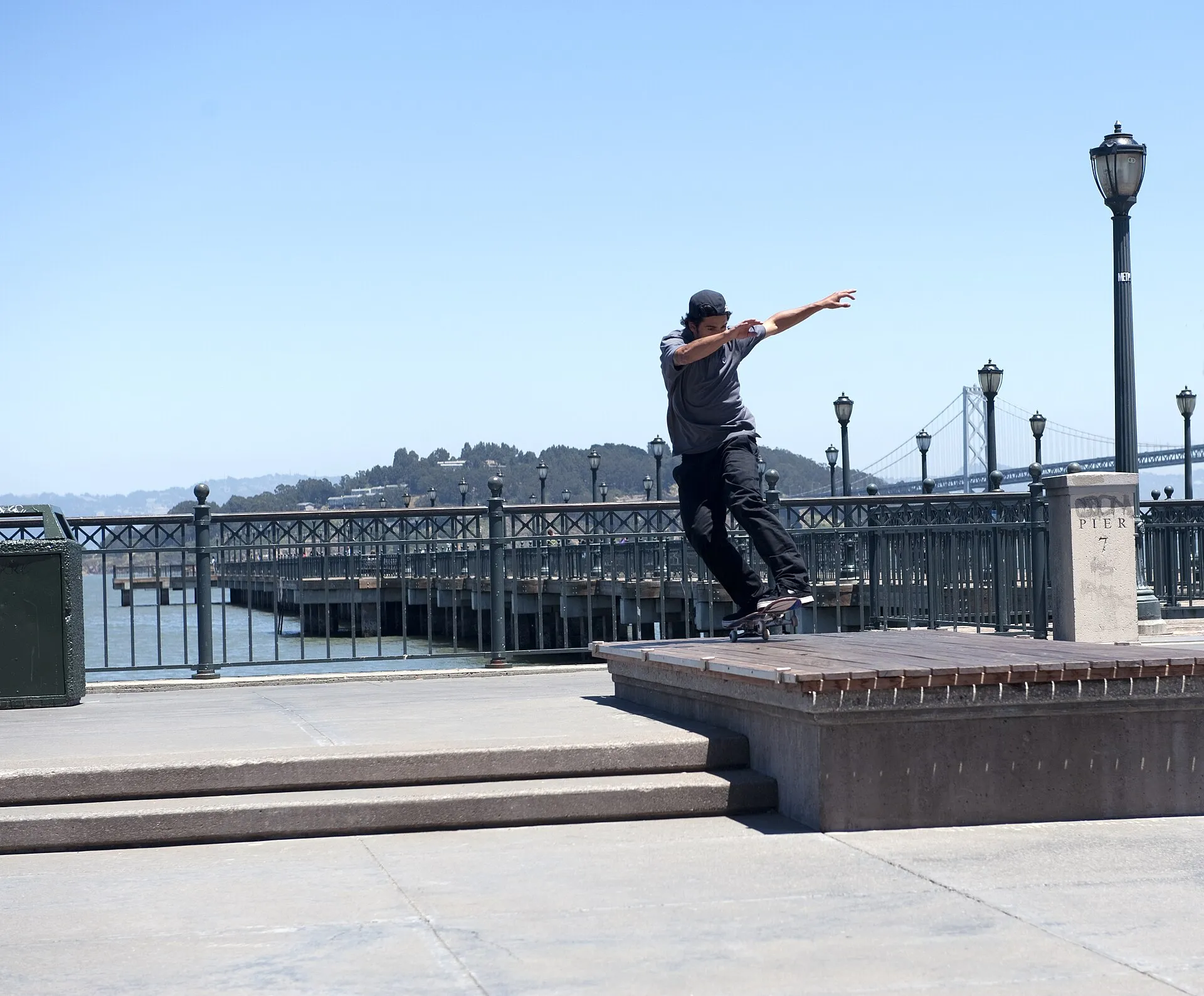
Tricks
Manual: Separate Real Skaters From Rookies
Le trick qui separe les debutants des vrais skateurs Tu sais ollie. Tu commences a kickflip. Mais ton manual…

→ Pour aller plus loin : 50-50 sur un curb : le premier grind, en 4 étapes
Nosk8 > Tricks & Progression > Mastering the Manual
Contents
Why the manual is the most important trick
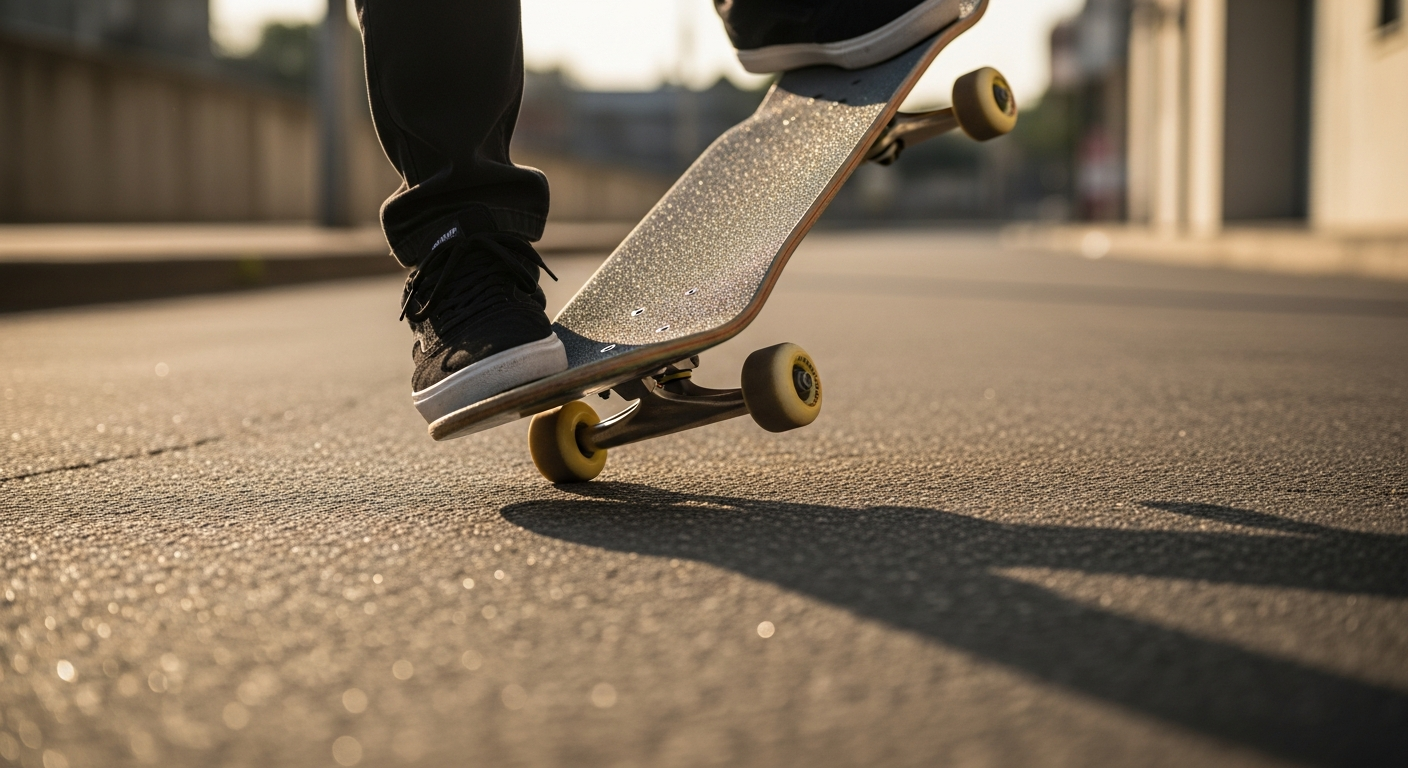
The first manual you hold for 10 meters, you remember it your whole life. That feeling of rolling in balance on two wheels, the tail just millimeters from the ground, the asphalt scrolling under your feet — that's when you truly understand your skateboard.
Rodney Mullen always said it: the manual is the foundation of everything. It's the trick that connects all others. An ollie into a manual. A kickflip into a nose manual. A manual into a shove-it out. Without this mastery of balance, it's impossible to link creative lines.
Daewon Song built his entire career on the manual. His parts in the Almost Round 3 videos remain among the most watched in skateboarding history. He proves that with absolute board control, you can turn any sidewalk into a playground.
Foot placement and center of gravity
Forget everything you think you know. The manual is not about pressing hard on the tail. It's a subtle weight transfer, a constant dialogue between your body and your board.
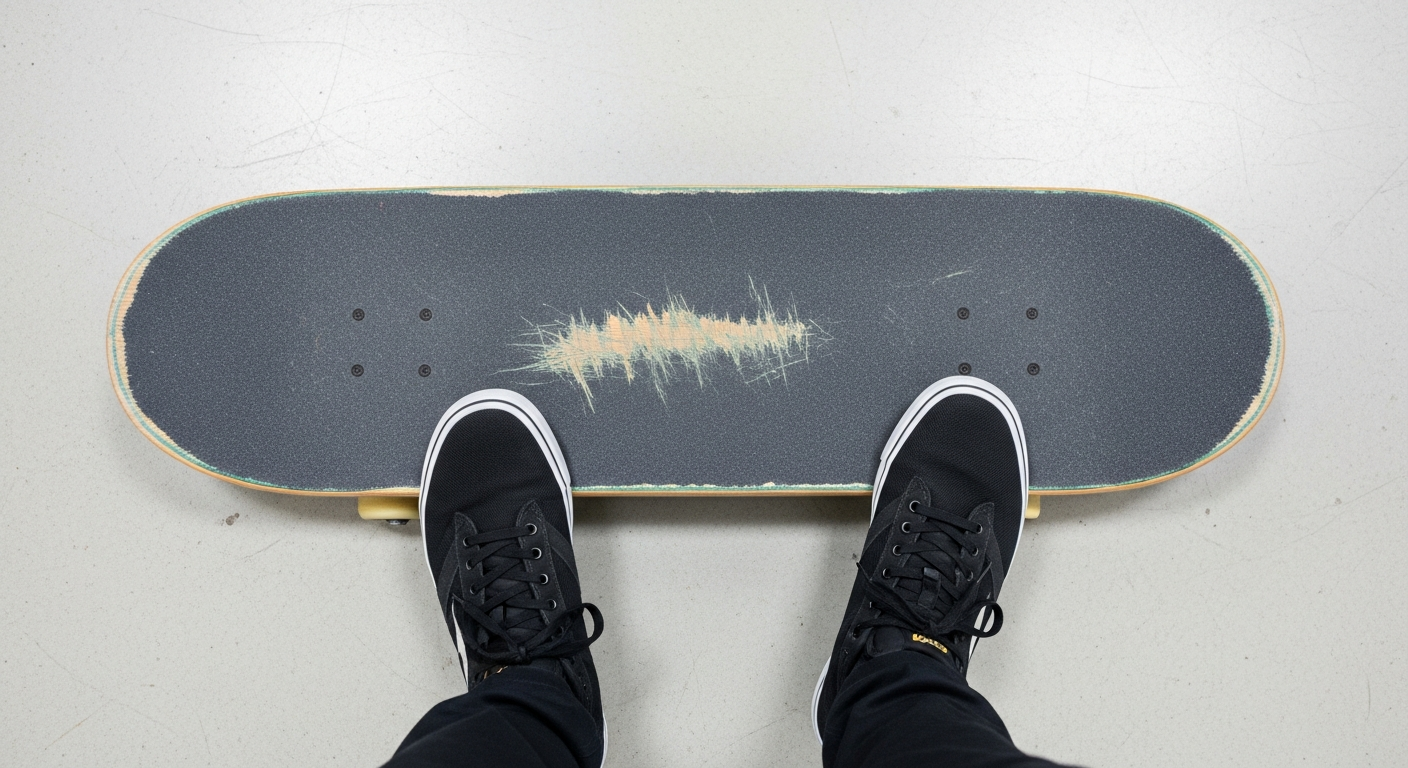
Back foot: center of the tail, toes slightly past the edge. Not on the very tip — you want control, not raw power. Front foot: at the front bolts, flat. This is your rudder. It manages the micro-adjustments that make the difference between 3 meters and 30 meters.
The number one mistake? Leaning back. Your torso should stay over the board, even slightly forward. Your knees are bent, your arms relaxed. Think like a surfer, not a bodybuilder.
5 steps for a solid manual
1. The static manual
Start at a standstill. Place your board on a flat surface, get on, and lift the front wheels. Hold for 5 seconds. Then 10. Then 30. It sounds silly, but this is where your brain learns the balance point. Simon Stricker, static manual record holder, held it for almost 3 hours in this position. You don't need to go that far.
2. The slow manual
Two or three pushes, walking speed. Transfer your weight and lift the front wheels. Goal: 5 meters. At this speed, every placement error is felt immediately. It's an excellent teacher.
3. The normal speed manual
The manual paradox: the faster you go, the more stable it is. The gyroscopic effect of the wheels works for you. Push normally and engage the manual. Aim for 10-15 meters. When you consistently get there, move to the next step.
4. The manual on a pad
Find a manual pad — that small elevated platform found in most skateparks. Ollie onto it, land in a manual, hold it to the end. This is where the manual goes from an isolated trick to a linking tool. If you don't have a manual pad nearby, a raised curb will do.
5. The manual in a line
The nose manual — taking it to the next level
The nose manual is the opposite: you roll on the front wheels, front foot on the nose. It's harder because it's counter-intuitive — your weight goes forward, so you feel like you're heading for a fall.
The key? Hips over the front wheels. Not shoulders, hips. Your torso stays straight. Your arms compensate naturally. Start on a smooth surface — an empty parking lot, a gym. The slightest pebble will make you nose-dive at low speed.
A good complete skateboard with a pronounced nose greatly facilitates learning the nose manual. Modern popsicle shapes are perfect for that.

Combos and linked tricks
The manual isn't a destination. It's a bridge between two tricks. Here are the combos to unlock in order:
| Combo | Difficulty | Prerequisites |
|---|---|---|
| Ollie > Manual | Easy | Ollie + Manual 10m |
| Manual > Shove-it out | Medium | Shove-it + Manual stable |
| Kickflip > Nose manual | Hard | Kickflip + Nose manual 5m |
| Nollie > Manual > Nollie flip out | Expert | Nollie flip + Manual pad |
FAQ
How long does it take to learn the manual?
With 30 minutes of daily practice, most skaters can hold a stable 5 to 10-meter manual in 2 to 4 weeks. The nose manual usually takes twice as long.
My tail keeps touching the ground, what should I do?
You're pressing too hard. The manual requires light and constant pressure, not a kick. Think about lifting your front foot rather than pushing down your back foot. Change your mental perspective and everything changes.
Do you need special wheels for the manual?
No. Any skateboard wheels will do. However, well-adjusted trucks (neither too tight nor too loose) greatly facilitate balance.
The manual — did you land it first try or was it a battle? Tell us your session. Drop a comment ↓
Follow NOSK8 where you hang out
Parts, spots, behind the scenes: it all drops on the accounts first.

Continue ta lecture
ChroniquesSLS DTLA Takeover — Juni Kang et Chloe Covell dynamitent la hiérarchie du skate mondial
Juni Kang remporte le SLS DTLA Takeover dès sa première apparition. Chloe Covell enchaîne un troisième titre consécutif. Récit d'une soirée historique à Los Angeles.
Commentaires (0)