
ℹ️ 🛹 Web Média Skate 🛹 ℹ️

★ Chroniques · Opinion
Ibirapuera, 1988: São Paulo Mayor Bans Skateboarding Across the City — How Skaters Made Him Drop It
Juin 1988 : 200 skateurs marchent vers l'Ibirapuera, le maire Jânio Quadros interdit le skate dans tout São Paulo. Un an plus tard, l'interdit tombe.

On June 23, 1988, about 200 skaters stepped out of the Paraíso metro station in São Paulo. Ahead, a young entrepreneur, Márcio Tanabe, was holding a megaphone. He’d footed the bill for the banners himself. Heading toward Ibirapuera Park, their spot, where mayor Jânio Quadros wanted to drive them out. They’d never make it.
The next day, the mayor signed a memo: skateboarding was banned in every street of the city. The defiant would be arrested and sent to the juvenile judge. Skate banned in São Paulo was the direct response to a protest. Yet, a few months later, the ban fell. It wasn’t the march that made it jump. Something else did.
Ibirapuera Park, 1954: Niemeyer’s smooth slab becomes São Paulo’s skate spot
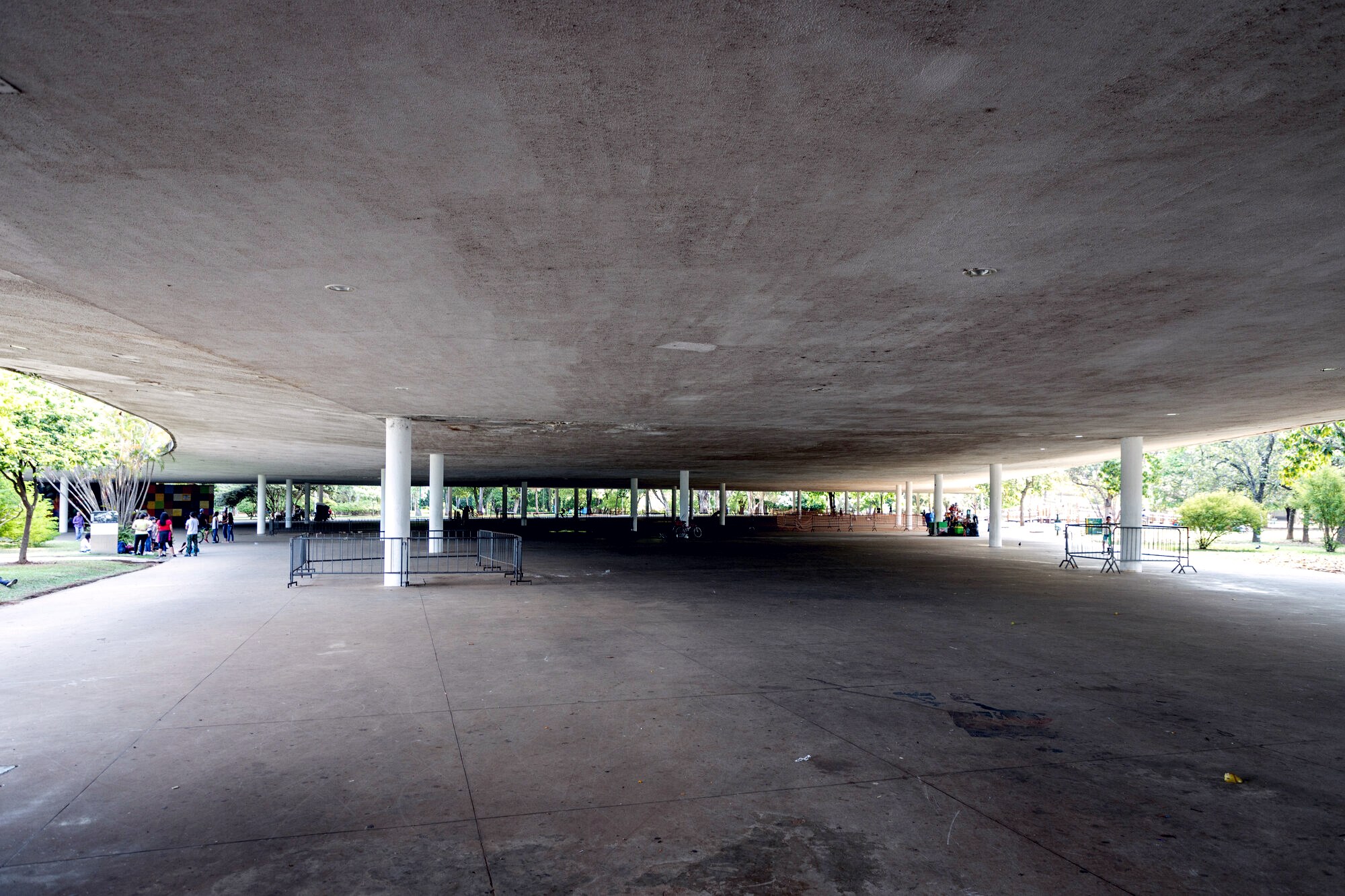
To get the anger, you’ve got to see the terrain. Ibirapuera Park opened on August 21, 1954, for the city’s 400th anniversary. The pavilions were designed by Oscar Niemeyer. And between them, he drew a massive covered slab that snakes from one building to the next: the Marquise.
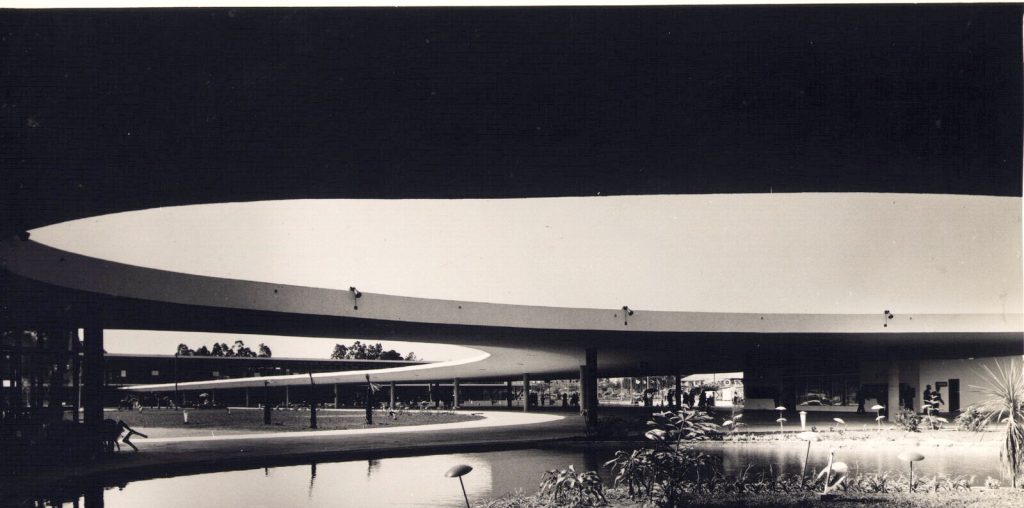
About 27,000 square meters of smooth concrete, rain‑proof. For an ’80s skater, it was paradise. The São Paulo press summed it up in one line: under the Marquise, it was the main hangout spot for the city’s skaters.
In 2019, before hosting the world championships, Folha filmed how the same city had chased its skaters away.

The Marquise reopens in 2026: six years closed and an old reflex returns
Before diving into 1988, jump ahead. The spot still exists, and it’s coming back from a long distance. The Marquise shut down for repairs, plagued by cracks and leaks. It stayed closed for six years. Meanwhile, the park’s management went private, to Urbia.
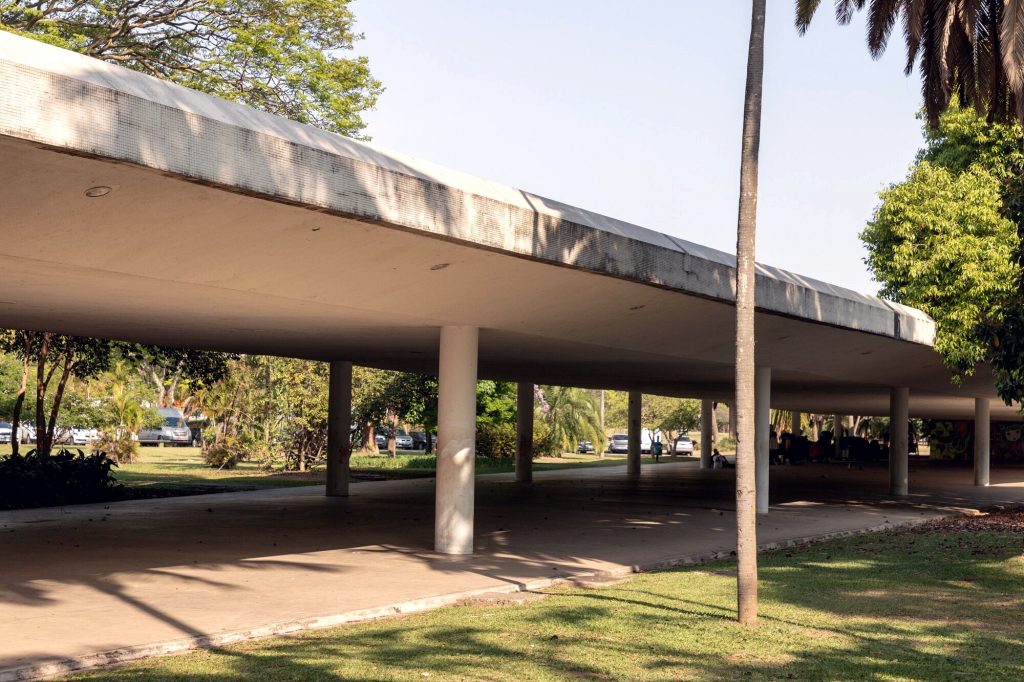
In November 2025, just before reopening, Environment Secretary Rodrigo Ashiuchi presented a draft decree. The agenda: limit skates, bikes, rollers, scooters, and even picnics under the Marquise. Thirty‑seven years after a certain mayor, the same reflex pops out of the drawer.
But this time it didn’t last a week. A few days later, the secretary backed off and offered shared use. On January 24 2026, the Marquise reopened after 87 million reais of work. A 3,600‑square‑meter zone is set aside for skate, BMX, and roller.
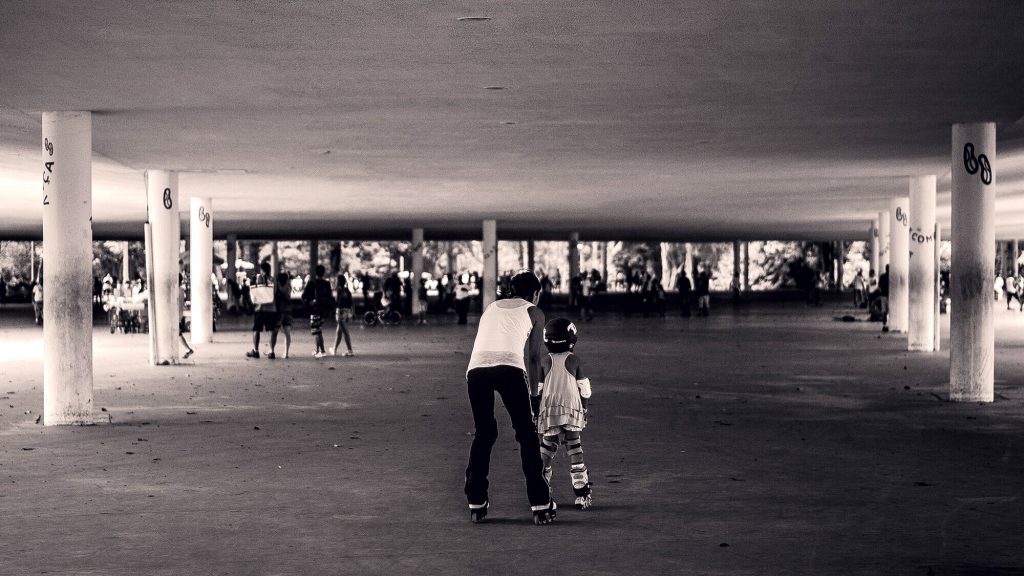
Everyone’s not happy. A user interviewed by G1 says the space is too tight to share between bikes, skates, and rollers. Out of 27,000 square meters, skate takes up 3,600. That’s a long way from the days when the whole slab was all his. But to gauge what those 3,600 square meters are worth, we have to go back to the Brazilian winter of 1988.
June 1988: Jânio Quadros pushes skaters out, police confiscates boards
The problem is the neighbor. In ’88, the São Paulo city hall sat in the park. The mayor could see the boards passing under his windows. And Jânio Quadros wasn’t just any mayor. A former president of the Republic, he carried a reputation as a man of bans. Márcio Tanabe would later laugh and say he was the guy who’d already banned bikinis.
It starts with the park. Jânio bans skate at Ibirapuera. The military police come by and confiscate the boards on the spot, G1 reports. For an entire scene, the central spot shuts down all at once.
The skaters decide to respond publicly. Tanabe pulls out the cash for banners and a megaphone. On June 23, the march leaves Paraíso, skirts Avenue 23 de Maio, and heads toward Ibirapuera. They’re blocked at the park entrance. The next day, their photo headlines Folha.
The São Paulo City Council, which turned this story into an episode of its series, revisits the ban and its lifting.

At the time, Tanabe gets praise from everywhere. Skate didn’t have much room, so the boldness is celebrated. Then the memo drops. The city’s response no longer targets a park; it targets the whole city. And those who praised him the day before tell him he’s completely clueless for chasing that mayor.
The text signed by Jânio, quoted by Folha, doesn’t even bother to argue. It looks down on kids who play, the rich, and ill‑mannered sons. That’s how the city saw skaters in ’88.
They didn’t make it to Ibirapuera because they took the lesson their dad didn’t give them. — Jânio Quadros, memo of June 24 1988, quoted by Folha de S.Paulo
Skate banned across São Paulo: what the protest sparked
Keep this in mind—it matters for what follows. The march didn’t push back. It just made the ban bigger. Before June 23 it was a park. After the 24th, it’s a city of millions where a board on the sidewalk can land you at the police station.
But skaters don’t put their boards away. According to Folha de S.Paulo, the ban is often ignored. Even better: they get a court ruling to run a contest on a city slope. The contest even airs on TV.
Jânio learns this on a trip to London. He orders the screws tightened. Tanabe tells the story straight: the Civil Guard hits hard, pulls boards off kids, and throws punches. He says they just came out of the military dictatorship, a time when skaters were already getting hit.
In that city there’s an 11‑year‑old who just started skating. His name is Bob Burnquist. Wikipedia places his beginnings in São Paulo at that age, right in those years. He turns pro at 14.
Luiza Erundina, 1989: how skaters toppled the ban
The answer is one word nobody expected from a crew of skaters in 1988: the election. That year São Paulo voted for a new mayor.
During the campaign, a candidate goes out to meet the skaters. Luiza Erundina, from the Workers' Party, promises to lift the ban if she wins. She does. She takes office in early 1989 and keeps her word. G1 and TV Cultura confirm it: the ban drops in 1989, with her.
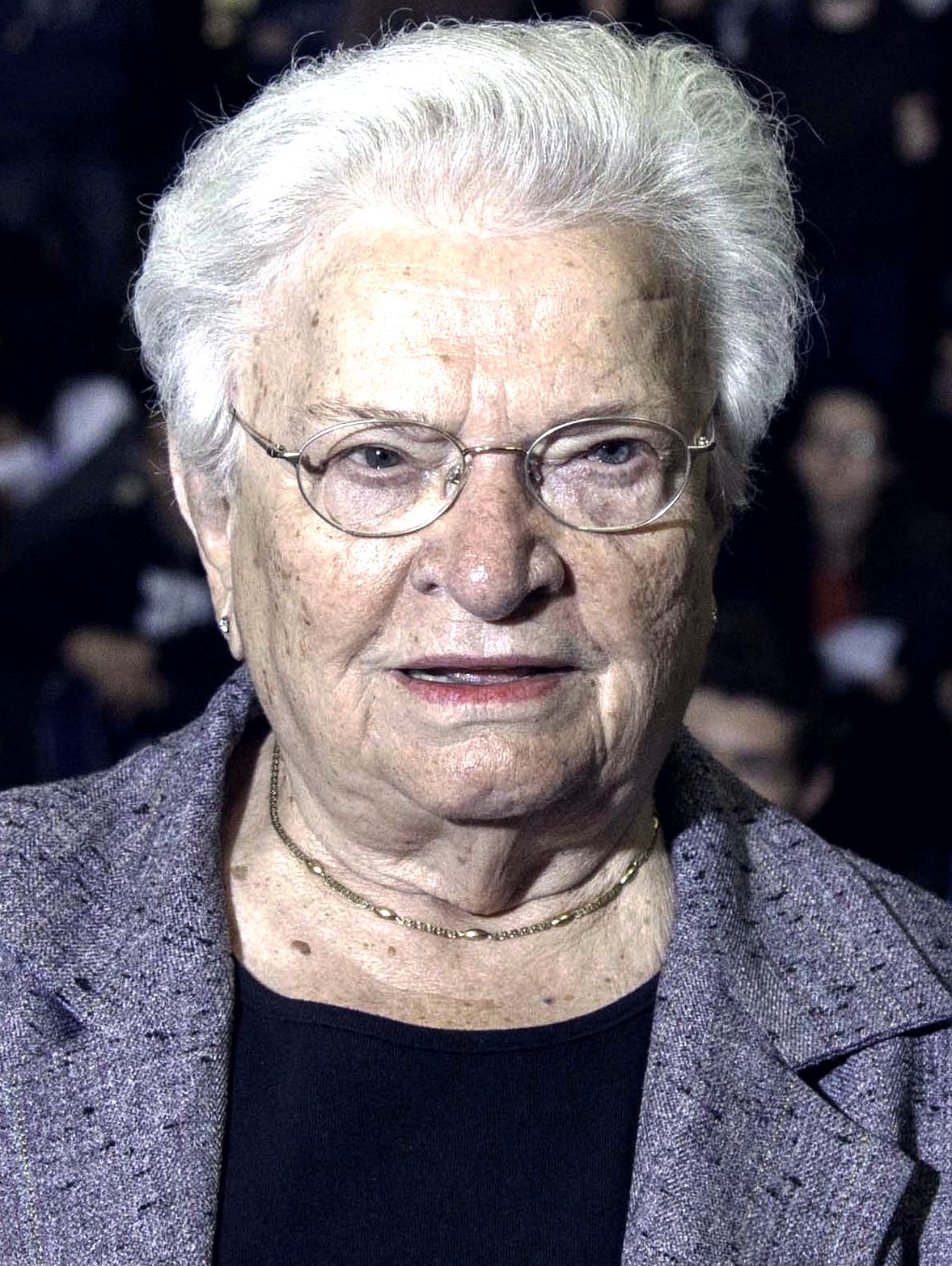
So how did the skaters bring it down? Not with the march, which only made things worse. They took it down in two steps. First, by refusing to stop: rolling anyway, winning a court case, showing up on TV. Then by turning it into a cause a candidate had to back. The ban lasted a few months. What finally ended it was a voting record.
The march actually made the ban bigger. It was the refusal to put the boards away, then an election, that brought it down. — What 1988 taught São Paulo
And that same year, Brazilian pro skate kicked off. In 1989, the first Circuito Brasileiro de Skate Profissional ran on street. The winner is named Rui Muleque, and he’s from São Paulo. The city that had been punishing skate a year earlier crowned the country’s first pro champ.
2019‑2021: the city that banned it hosts the worlds, then Kelvin Hoefler brings in the cash
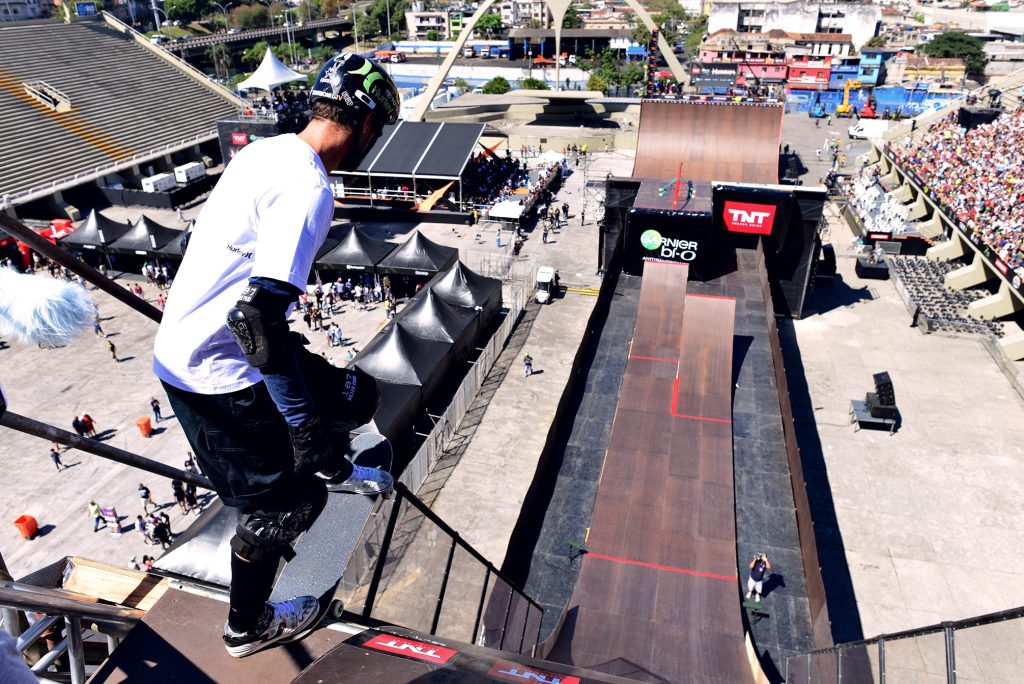
Fast forward thirty years. In September 2019, São Paulo hosted two world qualifiers for Tokyo: the park at Cândido Portinari Park, the street at the Anhembi Pavilion. Folha opens its front page with a punchy line: if they’d lived in São Paulo in 1988, Pedro Barros, Letícia Bufoni, Pâmela Rosa, and Kelvin Hoefler would’ve had to defy a city ordinance to roll.
Meanwhile, Brazil has been dropping world champions left, right, and center—from Bob Burnquist to Sandro Dias. Then the Games roll around. In July 2021, in Tokyo, Kelvin Hoefler snagged the silver in street, the country’s first medal of those Games. Right after, Rayssa Leal did the same at 13.
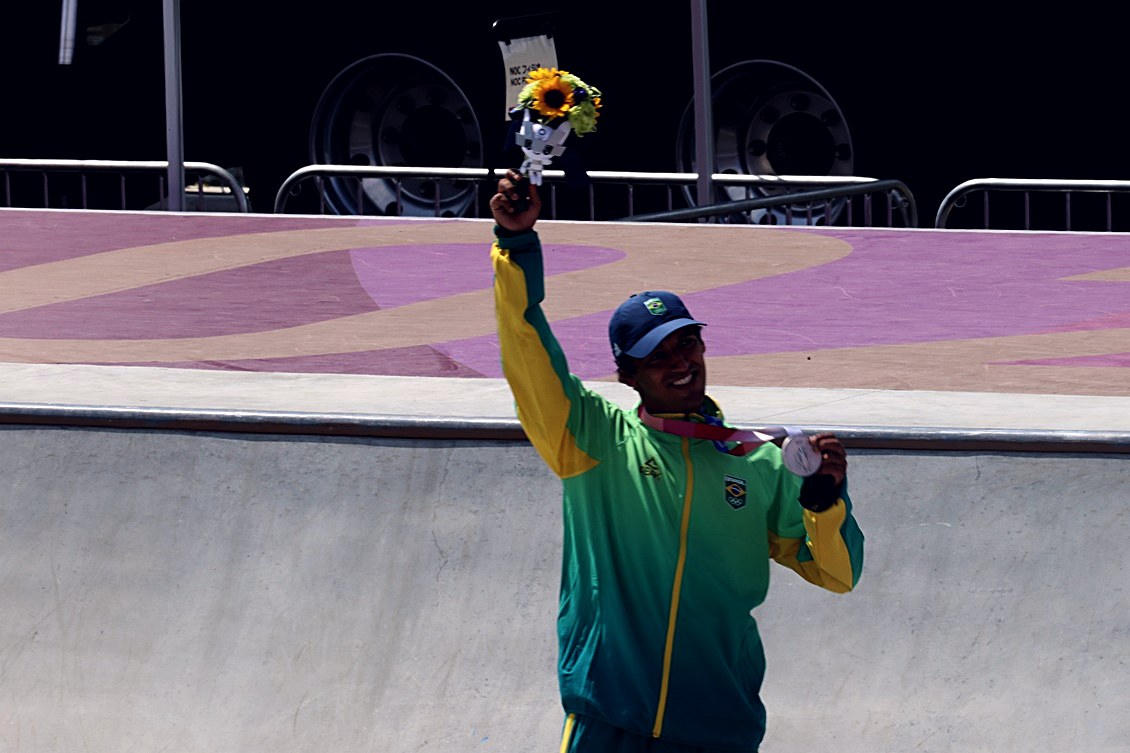
And Luiza Erundina, still in politics, didn’t miss the chance. On social, she cheers on “Kelvinho” and reminds everyone that this Olympic sport was once banned in São Paulo. The one who lifted the ban? Her. Thirty‑three years later, her campaign promise shows up as a tweet.
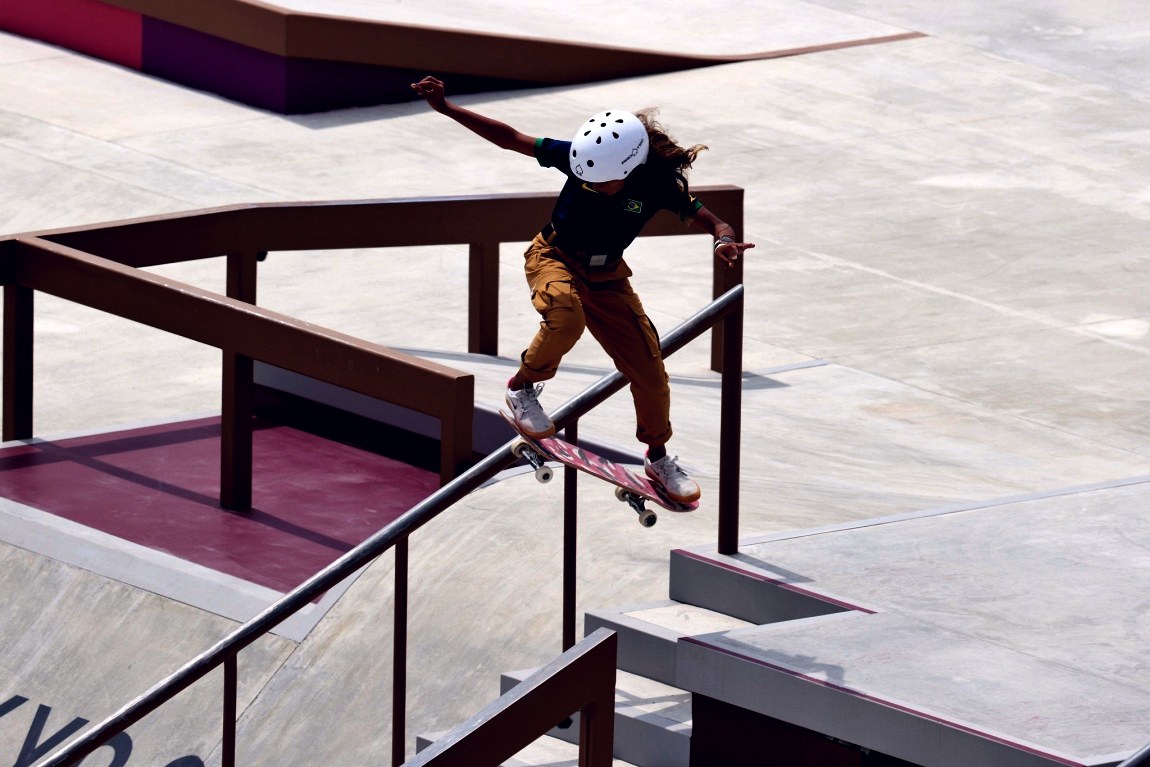
If you want to see where these riders are now, we’ve covered Leticia Bufoni’s 12 X Games medals and Pedro Barros’ backyard bowl.
What Ibirapuera Says to Every Spot That’s About to Get Shut Down
The story of Ibirapuera loops like a track. A mayor shuts a spot. Skaters protest, and the heat turns up. They keep rolling, find an ally, and the ban falls. Thirty‑seven years later, someone opens the drawer again and closes it in a few days. In between, skate has snagged Olympic medals, and that’s heavy.
The lesson from Márcio Tanabe and his 200 skaters isn’t just about Brazil. A protest makes noise. What brings down a ban is showing up the next day and having someone who needs you to win.
In your city, has a spot been shut down or covered with anti‑skate? Who fought to reopen it, and did it work? Drop it in the comments ↓
Follow NOSK8 where you hang out
Parts, spots, behind the scenes: it all drops on the accounts first.
Le lexique
-
1
spot
Un lieu où l'on skate, pensé pour ça ou non : une place, des marches, un sol lisse.
-
2
street
Le skate pratiqué dans la rue et sur le mobilier urbain, par opposition à la rampe ou au bowl.
-
3
pro
Un skateur payé par ses sponsors, avec souvent sa planche à son nom.
Shop NOSK8
Voir toute la boutique →
TEE-SHIRTS
TEE-SHIRT NOSK8® NOSKATE #NSITA
Le prix initial était : 35,00 €.29,00 €Le prix actuel est : 29,00 €.
TEE-SHIRTS
TEE-SHIRT NOSK8® P.B HEART #POLARBEAR
Le prix initial était : 35,00 €.29,00 €Le prix actuel est : 29,00 €.
TEE-SHIRTS
TEE-SHIRT NOSK8® I.L.N #ILOVEN8
Le prix initial était : 35,00 €.29,00 €Le prix actuel est : 29,00 €.
TEE-SHIRTS
TEE-SHIRT NOSK8® P.B HEART #NYC
Le prix initial était : 35,00 €.29,00 €Le prix actuel est : 29,00 €.
TEE-SHIRTS
TEE-SHIRT NOSK8® MATRICE HEART #CTRL
Le prix initial était : 35,00 €.29,00 €Le prix actuel est : 29,00 €.
CASQUETTES
CAP NOSK8® P.B #POLARBEAR
Le prix initial était : 35,00 €.25,00 €Le prix actuel est : 25,00 €.
CASQUETTES
CAP NOSK8® N8 #NOSK8
Le prix initial était : 35,00 €.25,00 €Le prix actuel est : 25,00 €.

CASQUETTES
CAP NOSK8® P.B.P #PAW
Le prix initial était : 35,00 €.25,00 €Le prix actuel est : 25,00 €.
HOODIES
HOODIE NOSK8® NOSKATE #SNC
Le prix initial était : 60,00 €.49,00 €Le prix actuel est : 49,00 €.
HOODIES
HOODIE NOSK8® P.B CENTRE #RNB
Le prix initial était : 60,00 €.49,00 €Le prix actuel est : 49,00 €.
HOODIES
HOODIE NOSK8® MATRICE HEART #ALT
Le prix initial était : 60,00 €.49,00 €Le prix actuel est : 49,00 €.
HOODIES
HOODIE NOSK8® MATRICE HEART #CTRL
Le prix initial était : 60,00 €.49,00 €Le prix actuel est : 49,00 €.
HOODIES
HOODIE NOSK8® I.L.N #ILOVEN8
Le prix initial était : 60,00 €.49,00 €Le prix actuel est : 49,00 €.
SWEAT
SWEAT NOSK8® P.B HEART #BARÇA
Le prix initial était : 45,00 €.39,00 €Le prix actuel est : 39,00 €.
SWEAT
SWEAT NOSK8® P.B HEART #PHILI
Le prix initial était : 45,00 €.39,00 €Le prix actuel est : 39,00 €.
SWEAT
SWEAT NOSK8® P.B HEART #NYC
Le prix initial était : 45,00 €.39,00 €Le prix actuel est : 39,00 €.
SWEAT
SWEAT NOSK8® P.B HEART #PARIS
Le prix initial était : 45,00 €.39,00 €Le prix actuel est : 39,00 €.
SWEAT
SWEAT NOSK8® P.B HEART #POLARBEAR
Le prix initial était : 45,00 €.39,00 €Le prix actuel est : 39,00 €.
Continue ta lecture
TricksPat Duffy : Questionable, 1992 et l’explosion du street
1992 : Questionable de Plan B sort et Pat Duffy secoue le street avec des tricks impossibles. Une part qui redéfinit la discipline pour une…
Commentaires (0)