
ℹ️ 🛹 Web Média Skate 🛹 ℹ️

★ Chroniques · Opinion
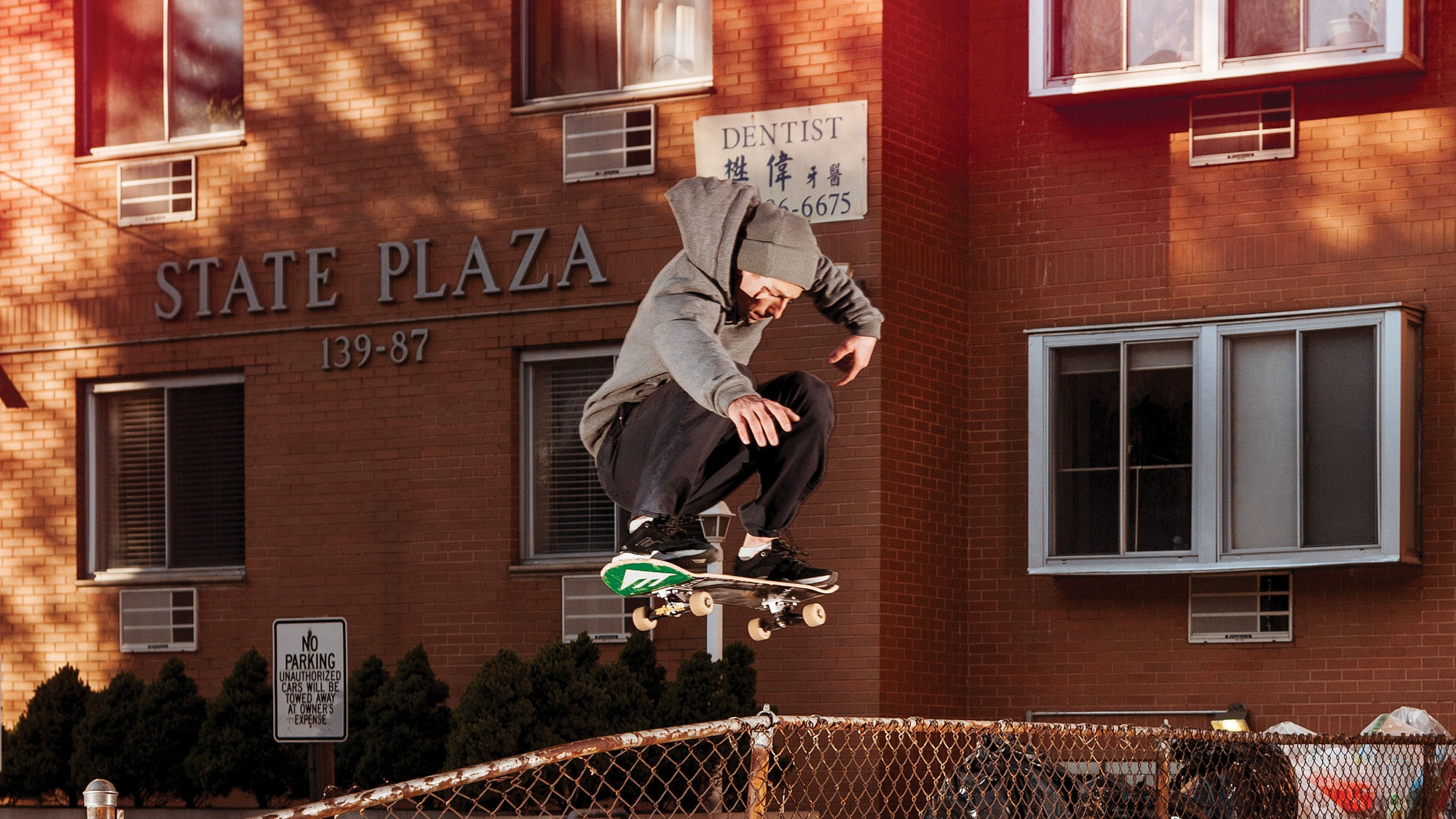
Emerica refused to become Nike for 28 years: what did it cost?
En 1997, les skateshops ont renvoyé Nike. Emerica, elle, sortait sa première vidéo. Vingt-huit ans plus tard, la facture de ce refus est tombée — voilà ce qu'elle contient.

→ Pour aller plus loin : Jamie Foy et la New Balance Numeric 306 : quand la vulcanisée encaisse tout
In 1997, Nike went around American skateshops with a box of skate shoes. It left with the box. The shops didn't want them — not because the shoes were bad, but because it was Nike, and Nike didn't skate. A few miles away, in Lake Forest, California, a one-year-old brand dropped its first video and nobody asked whether it belonged.
That brand was Emerica. Twenty-eight years later, Nike SB sells Dunks that resell for €400 on StockX, and Emerica sells shoes to people who wear them out. Call it loyalty. You can also call it a choice that comes with a bill. This article is about the amount on that bill.
1996: the parent company came from western France, not California
To understand Emerica you have to go back before Emerica. The brand launched in 1996 under Sole Technology, the company Pierre-André Senizergues built to house four brands: etnies, éS, Emerica and ThirtyTwo. And etnies didn't come from California at all.
Etnies — originally "Etnics" — was born in 1986 in Cholet and La Gaubretière, in the Vendée region of France, created by the Rautureau brothers. In 1989 a former French and world skateboarding champion took the US licence: Senizergues. It took him almost ten years to get the brand moving in the world's biggest skate market.
That explains everything else. Emerica wasn't launched by a marketing department that had spotted a gap. It was launched by a guy who had already spent a decade struggling to sell skate shoes to skaters. He knew exactly what happens when you try to push them something you don't believe in.

Its calling card landed in 1997 and was called Yellow. Jamie Thomas was in it. So were Marc Johnson and Phil Shao. No advertising: a video, some guys, concrete.
1997: Nike launches its first skate shoes — and gets sent home
That exact same year, Nike launched its own skate shoe line. And ate it. The record of the period is blunt: it couldn't sell to specialist shops, because the market was already held by DC, Globe, éS, Emerica and Vans. Nike wasn't a core brand. It shelved the project.
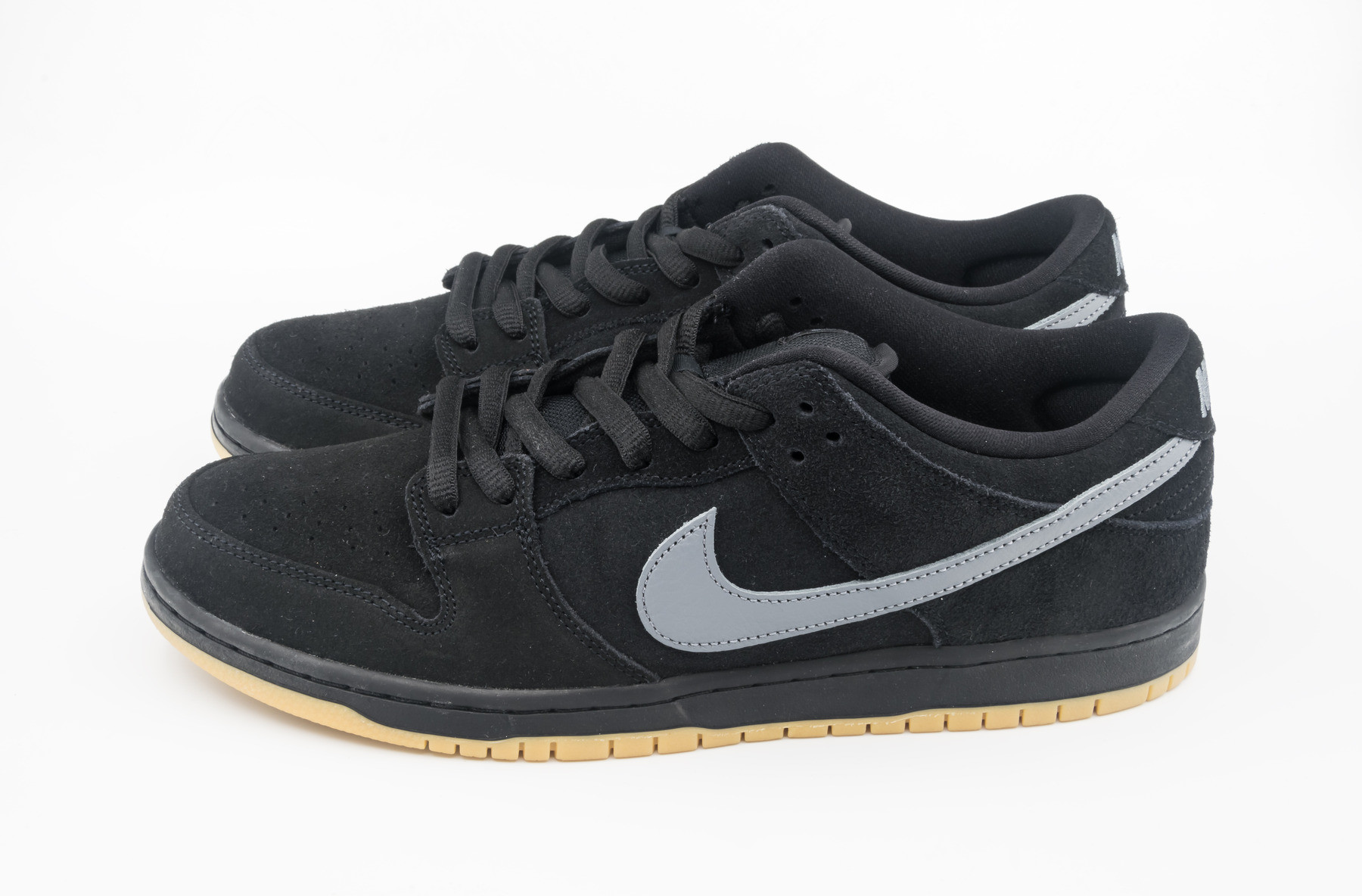
Five years later Nike came back with the SB label and the Dunk Low. This time it worked. In 2004 it signed Paul Rodriguez, in 2009 it took Eric Koston from Lakai, in 2012 it opened its own private skatepark in downtown Los Angeles. The wall the shops built in 1997 didn't last fifteen years.
Emerica never changed its method. No private park, no buying teams with cheques. A catalogue, a team, a video. Stay the brand shops defend rather than the one they put up with.
In 1997 the shops said no to Nike. By 2012 Nike had its own skatepark in Los Angeles. Guess who changed their mind. — The wall that didn't hold
2003: a team no budget could buy
This is where Emerica became something other than a shoe brand. This Is Skateboarding landed in 2003 and set out the team: Andrew Reynolds, Ed Templeton, Heath Kirchart, Erik Ellington, Kevin "Spanky" Long. Nothing sellable in the advertising sense: no commercial smile, no clean talking points. Reynolds had founded Baker three years earlier and skated like every try was the last one.
What that team had, no envelope buys: coherence. You saw a pair of Emericas on someone's feet, you roughly knew what they looked like on a board. With ten times the budget you can sign the same names — you can't manufacture that link. Look at the 2000s videos that survived: they're never the ones with the biggest budget.
Stay Gold - 2010: a full part filmed switch, after three surgeries
The peak came in 2010. Stay Gold is the kind of video you wait years for and that doesn't disappoint. Jon Miner filmed it, and it holds the most improbable part of the decade.

Jerry Hsu was stacking injuries at the time: one ankle surgery, two or three on the knee. He no longer had the strength in his usual leg. His answer: he filmed his entire part switch. Miner said it plainly — Hsu went through hell for that footage. A listed company would have replaced the rider. Emerica waited and let him invent a way out.
That kind of decision never shows up on a quarterly sheet. It shows up sixteen years later, when the video is still online and people still hit play.
2010-2019: the skate shoe becomes a collectible
Then the market changed nature. The skate shoe stopped being a consumable and became a cultural product: collabs, limited runs, resale. The 2000s had already gone maximalist, with inflated soles and logos the size of billboards.
Emerica stayed on its line: thin, vulcanised models built to be destroyed and then patched with Shoe Goo. Fine. Except a shoe built to be worn out doesn't get collected, and by 2018 collecting is where the margin sits. The Nike SB collab machine was running at full speed while Emerica released pairs nobody was vacuum-sealing.
In March 2018, Emerica and Jerry Hsu parted ways. In September 2019, Andrew Reynolds left — after thirteen signature models in a little over twenty years. Reynolds was the face. He rides for New Balance now. One rider leaving doesn't kill a brand, but that one made a particular noise.
Thirteen signature pairs in twenty years. Then nothing. When the figurehead walks, it's never just about a contract. — September 2019
The Emerica Mansion emptied out — and its tenants make their own shoes now
There was a place, back in the day, called the "Emerica Mansion". Heath Kirchart, Spanky Long, Leo Romero and Bryan Herman lived there together. A house share for pro skaters paid for by a shoe brand: that says more than any press release about what this company was.
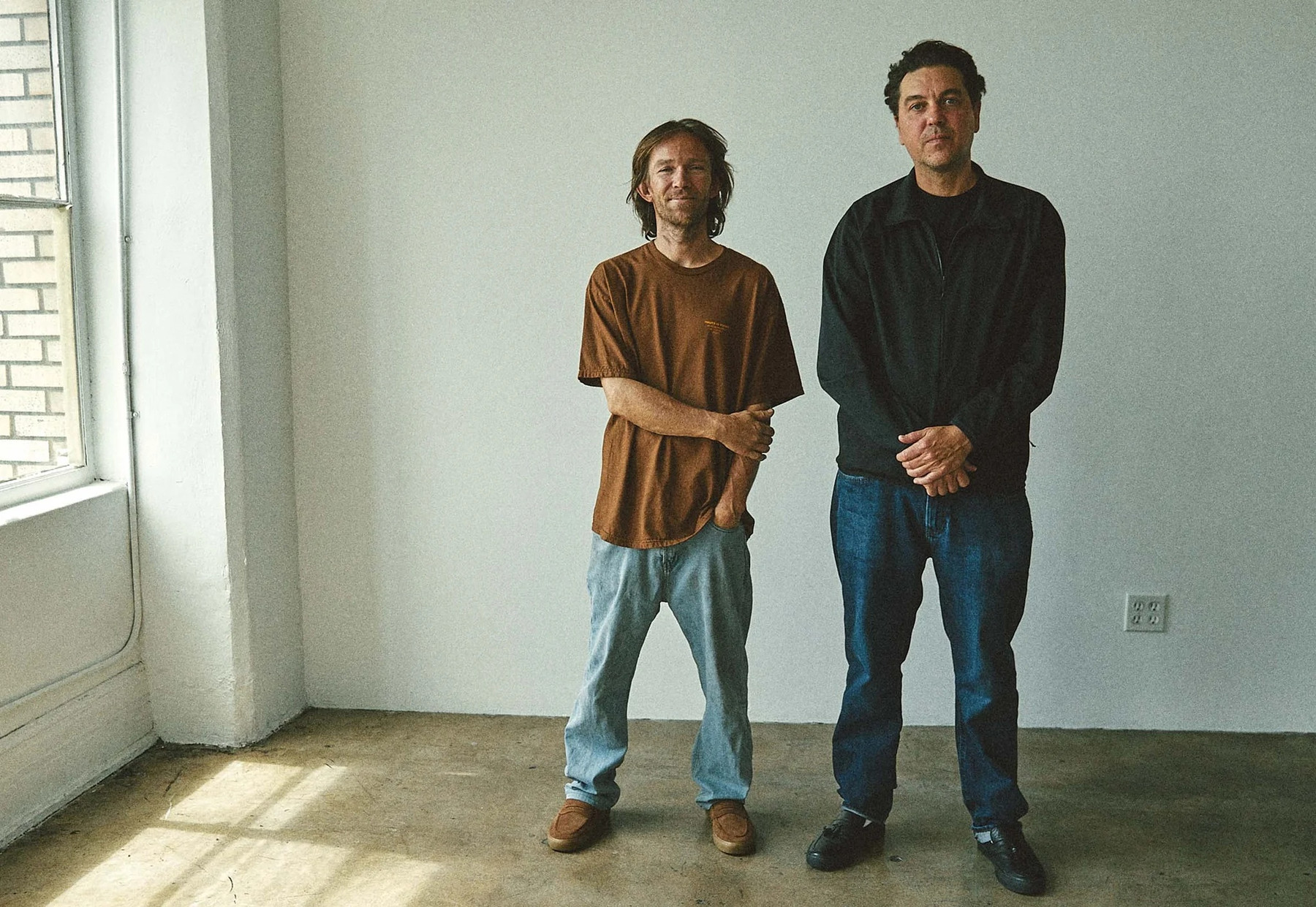
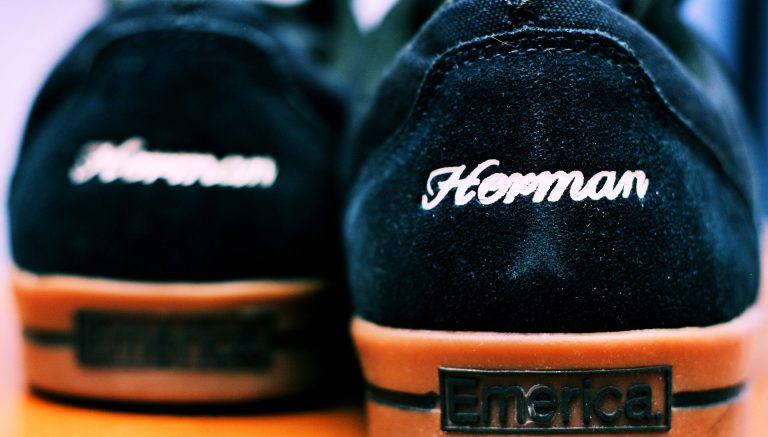
Herman had his signature model, the G6. He ended up starting his own company. That's the underlying move of the last ten years: riders raised by the big shoe brands open their own workshop instead of renegotiating a contract. Emerica made plenty of those people. It didn't manage to keep them all.
What twenty-eight years of saying no actually cost
So, the bill. Three lines, none of them pleasant.
One: scale. Emerica never had a Dunk. Never had a queue outside a shop, never had three-figure resale. By staying a shoe you use, it cut itself off from the one mechanism that has driven the sector's margins for fifteen years.
Two: its riders. Hsu in 2018, Reynolds in 2019. When you can't match budgets, you lose the people you built. That's not betrayal, it's arithmetic.
Three — and this is the real price — its independence. In May 2024, etnies, éS, Emerica and ThirtyTwo were acquired by the Nidecker Group. Senizergues stayed on as CEO of all four brands, but the Sole Technology name is being phased out. Twenty-eight years after it started, the brand that refused to be swallowed was sold.
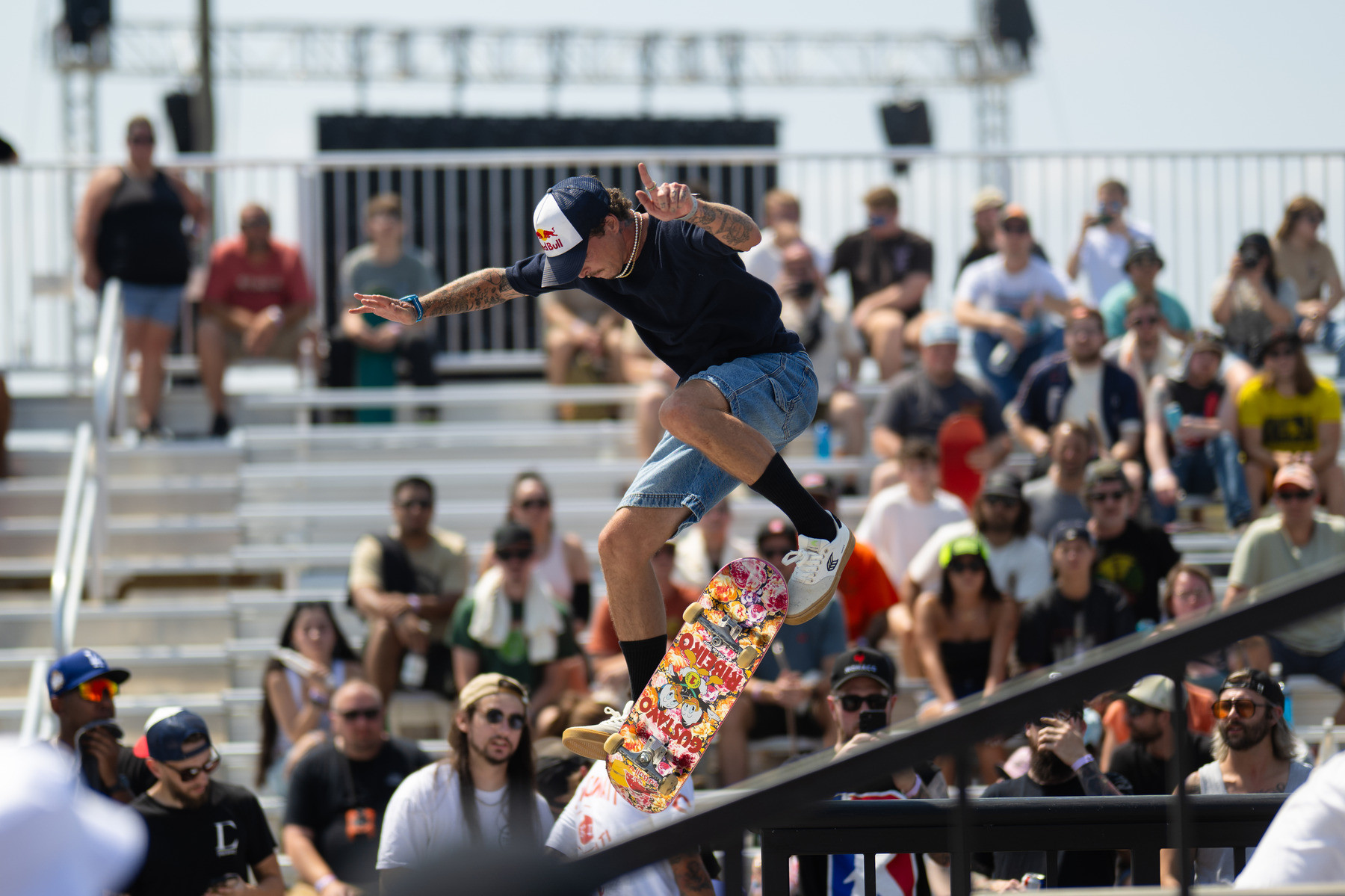
Except the buyer isn't Nike. Nidecker is a Swiss family house founded in 1887, fifth generation, which made ash skis before it made snowboards. Not a fund carving up a brand to flip the pieces. A neighbour in the trade.
And that's where the answer gets sharp: not becoming Nike cost Emerica its scale, its two biggest names and its legal autonomy — but not its identity. Emerica still exists in 2026, with Spanky, Leo Romero, Figgy, Jon Dickson, Stu Kirst and Matisse. That's more than half the brands from 1996 can say. éS, its sister under the same roof, had to go on hiatus for two years from 2012 before coming back. Emerica never did.
So the real question was never "should it have sold". It was: do we keep the right to say no? On that one, the brand held for nearly three decades — and if you want to see what it looks like when a company concedes absolutely nothing, look at Anti Hero and its thirty-one years without a single compromise.
The price of not becoming Nike is staying small. Emerica paid it in cash, knowingly, for twenty-eight years. Watch Stay Gold today and you understand why it was worth it.
Which pair of Emericas was your first — and how long before the first hole ? Say it in the comments ↓
Le lexique
-
1
switch
Skater en inversant sa position de pieds habituelle, comme un droitier qui écrirait de la main gauche.
-
2
vulcanisées
Semelle collée à chaud, fine et souple : on sent la planche sous le pied, au prix d'une durée de vie plus courte.
-
3
part
Séquence vidéo consacrée à un seul skateur dans une vidéo de marque, souvent le fruit de plusieurs années de tournage.
Shop NOSK8
Voir toute la boutique →
TEE-SHIRTS
TEE-SHIRT NOSK8® P.B CENTRE #RNB
Le prix initial était : 35,00 €.29,00 €Le prix actuel est : 29,00 €.
TEE-SHIRTS
TEE-SHIRT NOSK8® P.B HEART #ORIGINAL
Le prix initial était : 35,00 €.29,00 €Le prix actuel est : 29,00 €.
TEE-SHIRTS
TEE-SHIRT NOSK8® P.B CENTRE #ORIGINAL
Le prix initial était : 35,00 €.29,00 €Le prix actuel est : 29,00 €.
TEE-SHIRTS
TEE-SHIRT NOSK8® NOSKATE #NSITA
Le prix initial était : 35,00 €.29,00 €Le prix actuel est : 29,00 €.
TEE-SHIRTS
TEE-SHIRT NOSK8® P.B HEART #POLARBEAR
Le prix initial était : 35,00 €.29,00 €Le prix actuel est : 29,00 €.
CASQUETTES
CAP NOSK8® P.B #POLARBEAR
Le prix initial était : 35,00 €.25,00 €Le prix actuel est : 25,00 €.
CASQUETTES
CAP NOSK8® N8 #NOSK8
Le prix initial était : 35,00 €.25,00 €Le prix actuel est : 25,00 €.
CASQUETTES
CAP NOSK8® P.B.P #PAW
Le prix initial était : 35,00 €.25,00 €Le prix actuel est : 25,00 €.
HOODIES
HOODIE NOSK8® NOSKATE #NSITA
Le prix initial était : 60,00 €.49,00 €Le prix actuel est : 49,00 €.
HOODIES
HOODIE NOSK8® P.B HEART #BARÇA
Le prix initial était : 60,00 €.49,00 €Le prix actuel est : 49,00 €.
HOODIES
HOODIE NOSK8® P.B CENTRE #ORIGINAL
Le prix initial était : 60,00 €.49,00 €Le prix actuel est : 49,00 €.
HOODIES
HOODIE NOSK8® P.B HEART #PARIS
Le prix initial était : 60,00 €.49,00 €Le prix actuel est : 49,00 €.
HOODIES
HOODIE NOSK8® P.B HEART&BACK #ORIGINAL
Le prix initial était : 60,00 €.49,00 €Le prix actuel est : 49,00 €.
SWEAT
SWEAT NOSK8® P.B HEART #BARÇA
Le prix initial était : 45,00 €.39,00 €Le prix actuel est : 39,00 €.
SWEAT
SWEAT NOSK8® P.B HEART #PHILI
Le prix initial était : 45,00 €.39,00 €Le prix actuel est : 39,00 €.
SWEAT
SWEAT NOSK8® P.B HEART #NYC
Le prix initial était : 45,00 €.39,00 €Le prix actuel est : 39,00 €.
SWEAT
SWEAT NOSK8® P.B HEART #PARIS
Le prix initial était : 45,00 €.39,00 €Le prix actuel est : 39,00 €.
SWEAT
SWEAT NOSK8® P.B HEART #POLARBEAR
Le prix initial était : 45,00 €.39,00 €Le prix actuel est : 39,00 €.
Continue ta lecture
ConseilsNollie : les 3 réglages qui décident si ta planche décolle
Ton pied avant claque le nose et la planche reste au sol. Trois réglages décident si ça décolle — et le troisième est celui que…
Commentaires (0)