ℹ️ 🛹 Web Média Skate 🛹 ℹ️

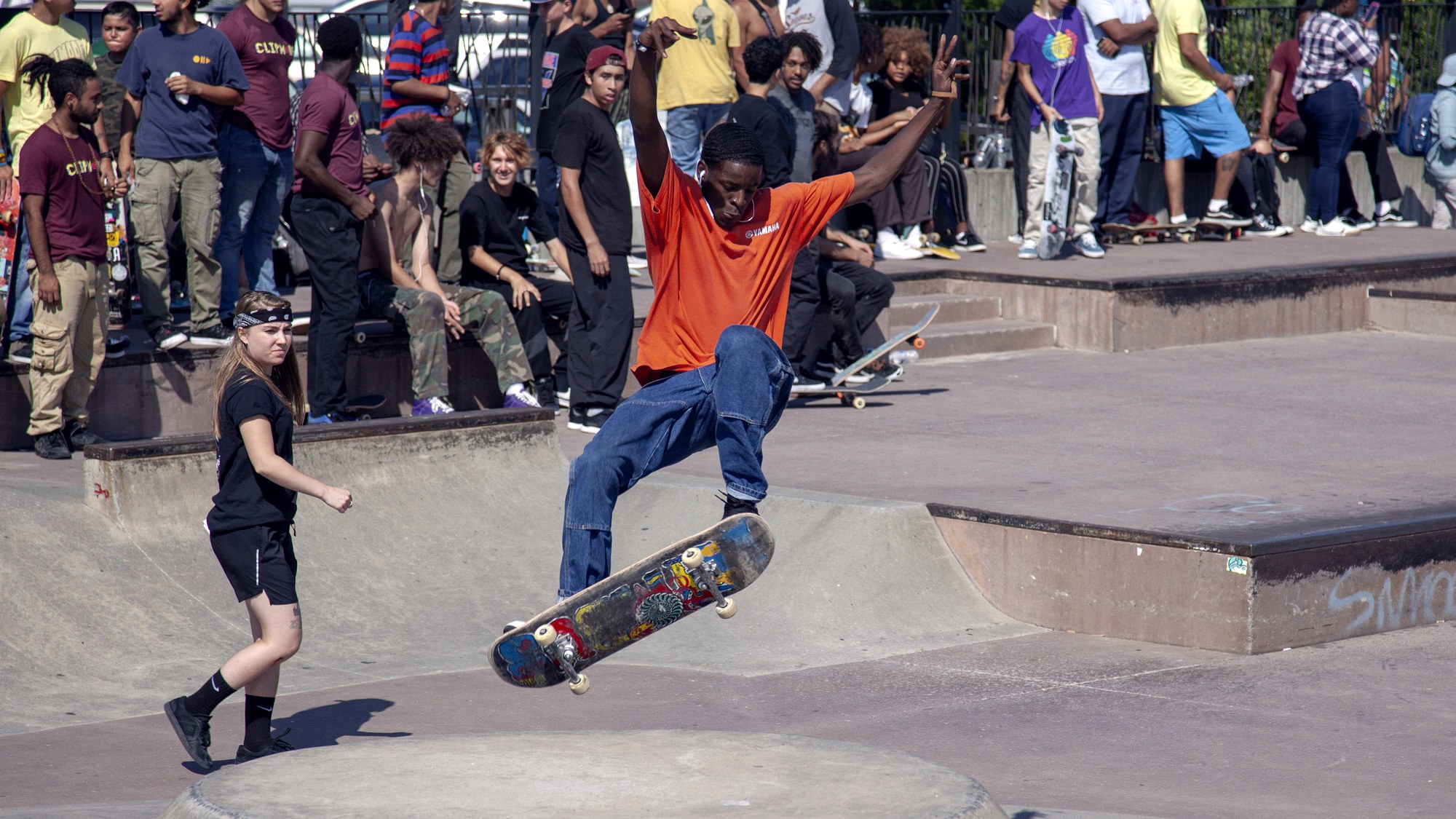
Tricks
Backside 180: Your Upper Body Turns Before Your Board — Here's the 3-Step Fix
Ton corps finit sa rotation, ta planche en est à 90°. Ce n'est pas ta hauteur d'ollie le problème — c'est l'ordre. Les 3 temps à remettre en place, et l'exercice qui les grave.
→ Pour aller plus loin : Inward heelflip : le sens de rotation est contre-intuitif, d’où ça vient vraiment ?
You pop, you turn, and you land sideways. Your body finished its rotation — your board is still stuck at 90°. One foot in the air, the other on the nose, and you're walking off next to your board.
You try again. Same thing. You turn harder: it gets worse. You turn less: the board doesn’t come all the way around. You start telling yourself you’ve got an ollie height problem.
You don’t. The gap between your upper body and your board has almost nothing to do with height. It’s a sequencing problem.
Here’s why your upper body keeps lapping your board, and the three beats to put back in the right order. The exact answer is at the end of the article — but read what comes before it, or it won’t do you any good.
Level
Intermediate
Time
3-10h
Prerequisite
Rolling ollie
Surface
Smooth, flat ground
Backside 180: the first trick where you turn blind

Backside means you turn toward your back. Your back swings around first, your chest ends up facing behind you. For half the rotation, you can’t see where your wheels are going to land.
That’s the whole difference from the frontside 180, where your eyes stay locked on the landing spot from start to finish. Backside, you have to trust a movement your eyes can’t control. That’s why your body panics and jumps the gun.
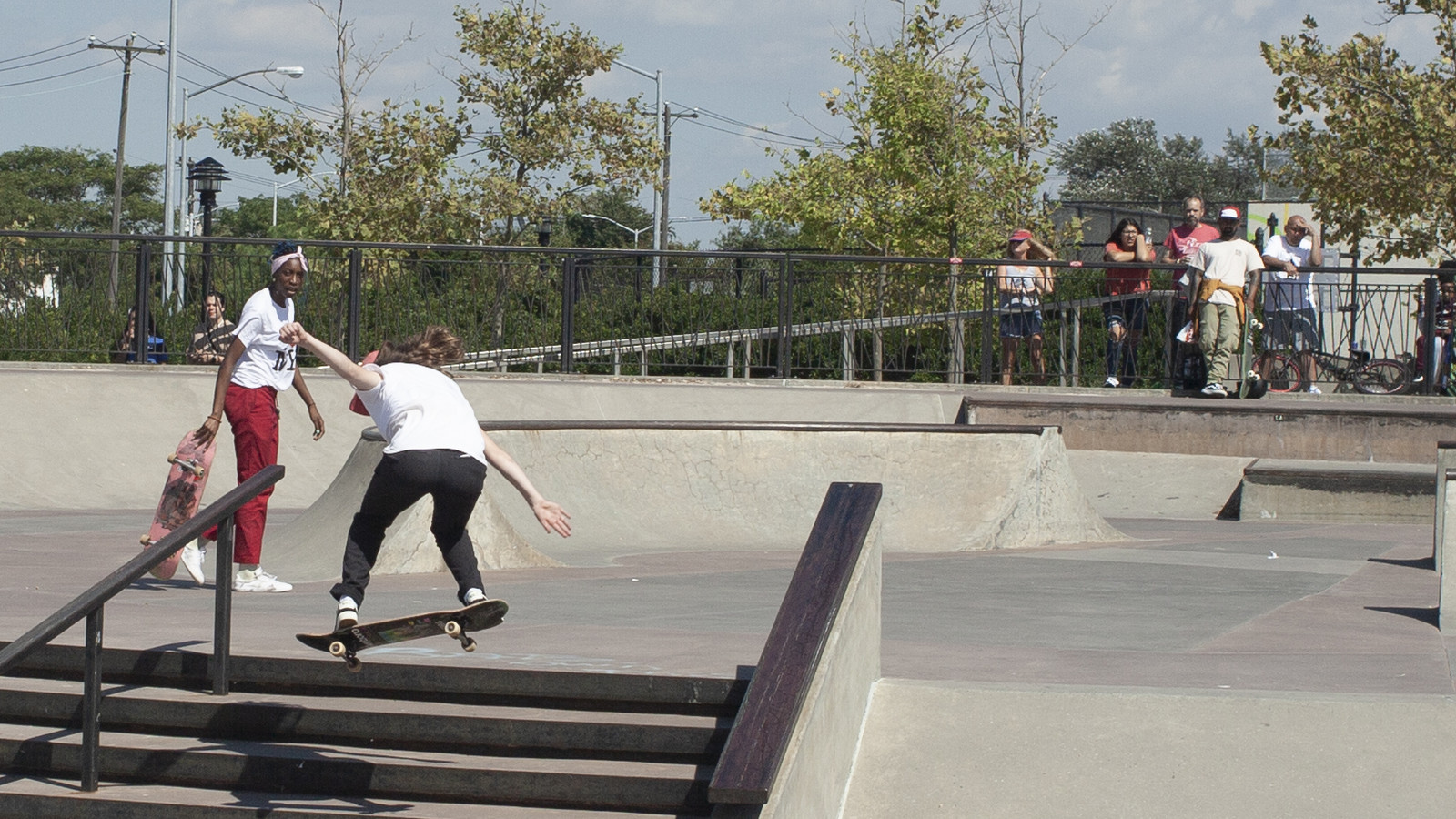
Technically, a backside 180 is an ollie plus a 180° rotation of your body and your board. The key word is “and.” Not “then.” They go together or it doesn’t work. On the list of skateboarding tricks, this is the one that unlocks the entire rotation family — without it, no 360s, no backside kickflip, no rolling away switch.
Why your upper body finishes its rotation before your board
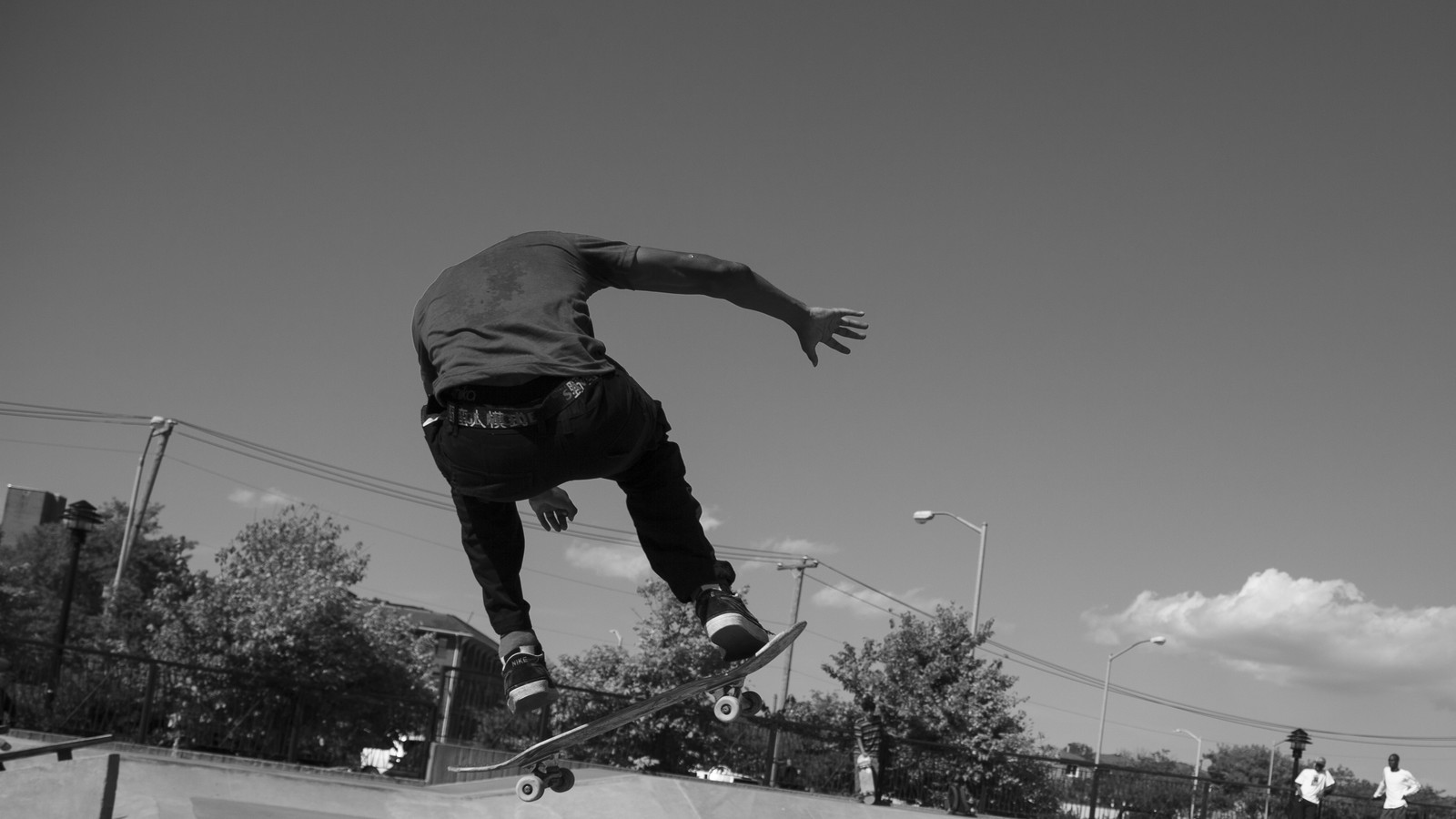
A board doesn’t turn on its own. It turns because your feet take it there. Your feet follow your hips. Your hips follow your shoulders. It’s a chain, top to bottom, and it has an order.
The classic fail: you unwind your shoulders before you pop. By the time your tail smacks the ground, your upper body has already burned through half its rotation. It only has 90° left to give. The board is starting from zero. Do the math: body at 180, board at 90. That’s exactly the picture you see when you film yourself.
The second cause, sneakier: your front foot lifting off. If your front foot loses the grip at the moment you pop, the board has nothing left dragging it through the rotation. You turn, it doesn’t.
And everybody gets stuck here, not just you. The backside 180 is the first trick where landing it requires waiting. Every trick before it rewarded instant commitment: harder, faster, higher. This one punishes exactly that. It’s disorienting, and it’s normal to spend two or three sessions getting mad at it before it clicks.
The 5 beats of the backside 180
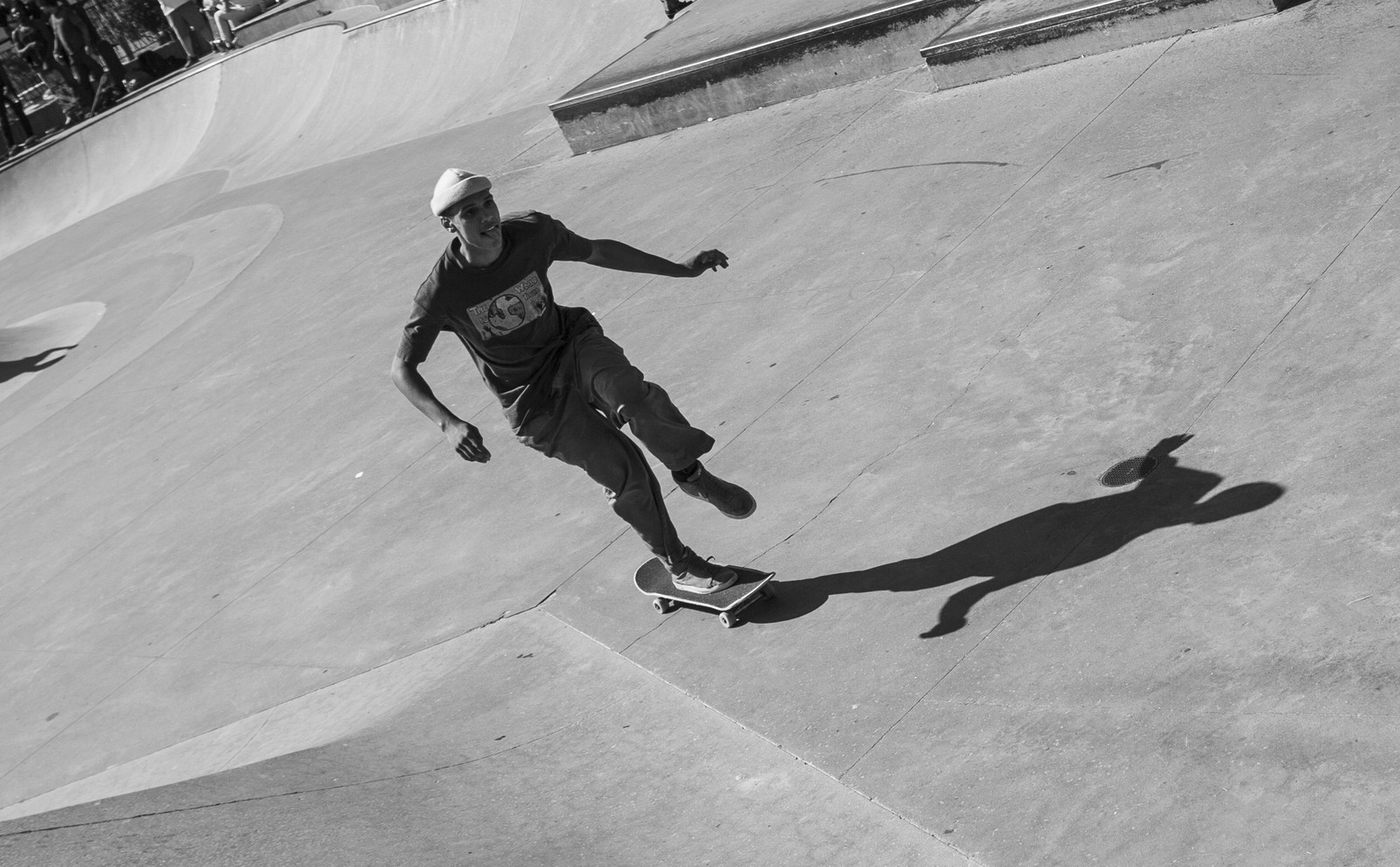
-
Your feet, one notch off your ollie
Back foot on the tail, but shifted toward your heel instead of centered. That little offset already primes the rotation the moment you pop. Front foot just behind the front bolts, at an angle. Nothing exotic: it’s your ollie stance with the back foot a bit more toward the edge.
-
The counter-wind: you turn the wrong way before you turn
While rolling, open your shoulders toward the nose of your board — the opposite of the way you’re about to spin. Arms out front, torso twisted. You’re loading a spring. It’s the beat almost everyone skips, and it’s the one that decides everything else.
-
The pop, shoulders still locked
Smack the tail and jump straight up. Not at an angle. Meanwhile, your shoulders stay wound, frozen. Nothing is turning yet. It’s counterintuitive and it’s the key: if you start unwinding here, you’ve already lost your board.
-
The unwind: shoulders, hips, feet — in that order
Wheels off the ground? Now you release the spring. Shoulders go, hips follow, feet carry the board. And you turn your head to look over your back shoulder: your body goes where your eyes go. Your eyes pull the rotation — they don’t just ride along.
-
The landing: you roll away fakie
After 180°, you’re rolling backwards — fakie. Aim for the bolts, both feet, knees bent to absorb. The reflex that saves you: keep your weight centered. If you lean back because the fakie scares you, the board shoots out front and you go down behind it.
The 4 classic fails and how to fix them
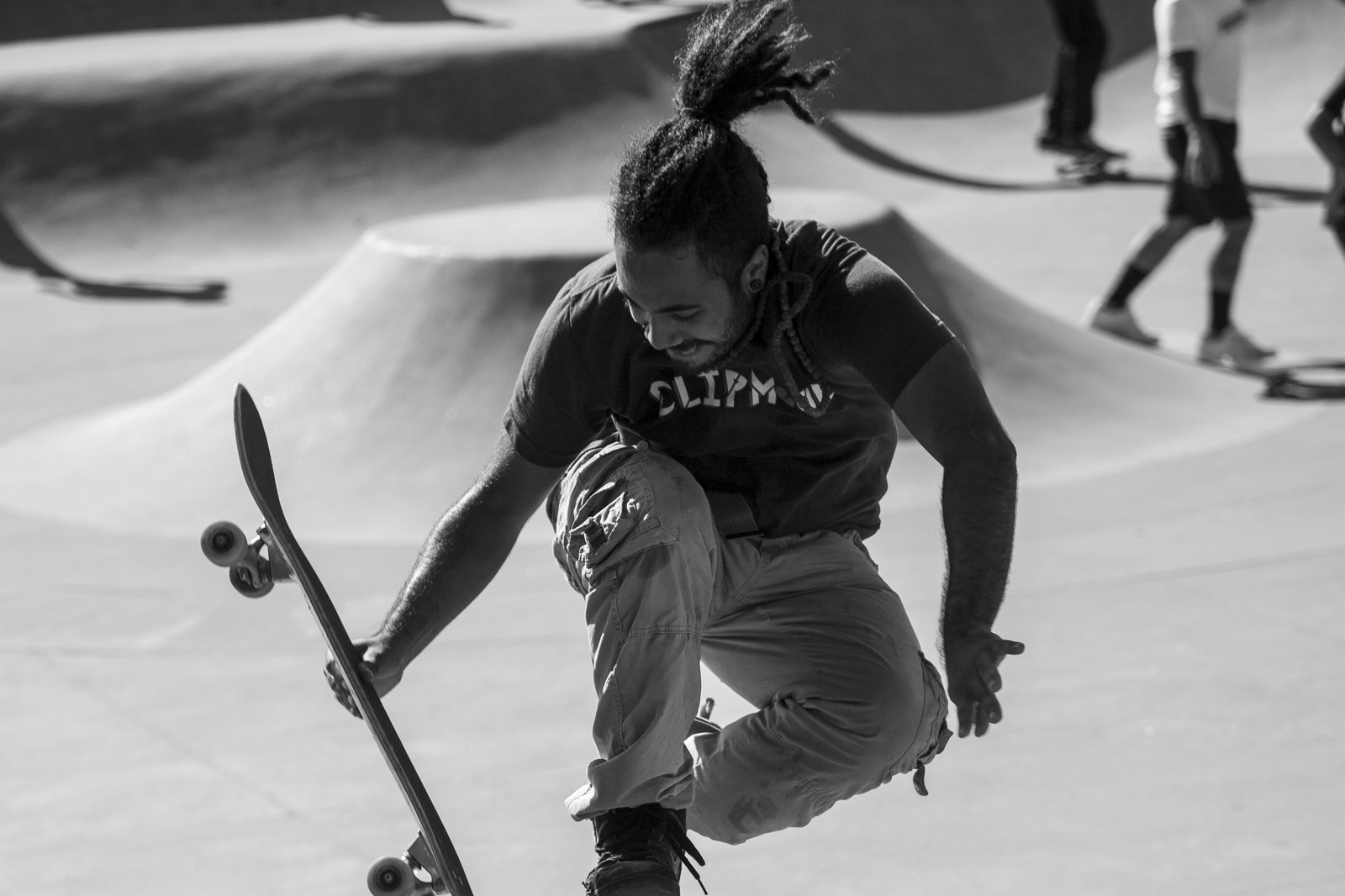
The 4 classic fails
- You finish at 180, the board at 90 — you unwound your shoulders before the pop. Run it again and force yourself to feel the tail smack before anything turns. If you don’t hear the pop, you turned too early.
- The board turns, you don’t — the opposite: you’re scooping with your back foot without engaging your upper body. Wind your shoulders up harder and look over your back shoulder the moment you leave the ground.
- You land sideways, at 120° — the rotation stalls out because you’re staring at your feet. Turn your head first, all the way, and the rest follows. Your body will never go farther than your eyes.
- You rotate fine and fall backwards — it’s the fakie freaking you out. Go roll fakie for five minutes, no tricks, just to get used to it. The trick gets easy again after that.
The right order, and the drill that locks it in
The promised answer, in one sentence: you wind up, you pop, you unwind — and never in any other order.
Unpacked: your shoulders counter-rotate before the pop. They stay locked during the pop. They only unwind once the wheels have left the ground. The pop is the border between the two: everything that turns before it is wasted rotation, everything that turns after it takes the board with you.
Now the drill that burns this order in, and you do it standing still. Wheels locked in grass or on gravel. Ten rotations in a row, not chasing height, calling each beat out loud: “wind up” — you twist your shoulders the wrong way and hold it for two seconds. “pop” — you smack the tail, shoulders frozen. “unwind” — you let it all go and look over your back shoulder.
Ten times. Slowly. The goal isn’t to land the trick standing still: it’s to make your body feel that there’s a dead beat between the wind-up and the unwind. Once that dead beat exists, you take it rolling at walking pace — and only then do you add speed.
The click comes all at once, and you’ll know it when it does: the rotation goes quiet. No more effort in the shoulders, no more fighting for the last few degrees. You land fakie and roll away, and it doesn’t even feel like you forced anything. That’s the day you understand the backside 180 was never about strength.
Where does your backside 180 stall out? 90, 120, or you land it and fall off the back? Drop it in the comments ↓
Follow NOSK8 where you hang out
Parts, spots, behind the scenes: it all drops on the accounts first.
Le lexique
-
1
backside
Sens de rotation où ton dos passe en premier vers la direction. L'inverse s'appelle frontside.
-
2
fakie
Rouler en marche arrière, tail devant, sans avoir changé de pied avant. C'est la position d'arrivée d'un 180.
-
3
switch
Skater avec les pieds inversés, comme si tu avais toujours été de l'autre sens. Tout est à réapprendre.
Shop NOSK8
Voir toute la boutique →
TEE-SHIRTS
TEE-SHIRT NOSK8® P.A CENTRE #PARENTALADVISORY
Le prix initial était : 35,00 €.29,00 €Le prix actuel est : 29,00 €.
TEE-SHIRTS
TEE-SHIRT NOSK8® NOSKATE #SNC
Le prix initial était : 35,00 €.29,00 €Le prix actuel est : 29,00 €.
TEE-SHIRTS
TEE-SHIRT NOSK8® MATRICE HEART #ALT
Le prix initial était : 35,00 €.29,00 €Le prix actuel est : 29,00 €.
TEE-SHIRTS
TEE-SHIRT NOSK8® P.B CENTRE #RNB
Le prix initial était : 35,00 €.29,00 €Le prix actuel est : 29,00 €.
TEE-SHIRTS
TEE-SHIRT NOSK8® P.B HEART #ORIGINAL
Le prix initial était : 35,00 €.29,00 €Le prix actuel est : 29,00 €.
CASQUETTES
CAP NOSK8® P.B #POLARBEAR
Le prix initial était : 35,00 €.25,00 €Le prix actuel est : 25,00 €.
CASQUETTES
CAP NOSK8® N8 #NOSK8
Le prix initial était : 35,00 €.25,00 €Le prix actuel est : 25,00 €.
CASQUETTES
CAP NOSK8® P.B.P #PAW
Le prix initial était : 35,00 €.25,00 €Le prix actuel est : 25,00 €.
HOODIES
HOODIE NOSK8® NOSKATE #NSITA
Le prix initial était : 60,00 €.49,00 €Le prix actuel est : 49,00 €.
HOODIES
HOODIE NOSK8® P.B HEART #BARÇA
Le prix initial était : 60,00 €.49,00 €Le prix actuel est : 49,00 €.
HOODIES
HOODIE NOSK8® P.B CENTRE #ORIGINAL
Le prix initial était : 60,00 €.49,00 €Le prix actuel est : 49,00 €.
HOODIES
HOODIE NOSK8® P.B HEART #PARIS
Le prix initial était : 60,00 €.49,00 €Le prix actuel est : 49,00 €.
HOODIES
HOODIE NOSK8® P.B HEART&BACK #ORIGINAL
Le prix initial était : 60,00 €.49,00 €Le prix actuel est : 49,00 €.
SWEAT
SWEAT NOSK8® P.B HEART #BARÇA
Le prix initial était : 45,00 €.39,00 €Le prix actuel est : 39,00 €.
SWEAT
SWEAT NOSK8® P.B HEART #PHILI
Le prix initial était : 45,00 €.39,00 €Le prix actuel est : 39,00 €.
SWEAT
SWEAT NOSK8® P.B HEART #NYC
Le prix initial était : 45,00 €.39,00 €Le prix actuel est : 39,00 €.
SWEAT
SWEAT NOSK8® P.B HEART #PARIS
Le prix initial était : 45,00 €.39,00 €Le prix actuel est : 39,00 €.
SWEAT
SWEAT NOSK8® P.B HEART #POLARBEAR
Le prix initial était : 45,00 €.39,00 €Le prix actuel est : 39,00 €.
Continue ta lecture
ÉvénementsRed Bull Bowl Rippers 2026 : les résultats du Prado, et la Française de 17 ans qui a tout renversé
Tom Schaar gagne à 94,7 points, Nana Taboulet s'impose à 17 ans dès sa première participation. Podium complet, scores et replay officiel du Red Bull…
Commentaires (0)