
ℹ️ 🛹 Web Média Skate 🛹 ℹ️

★ Tricks
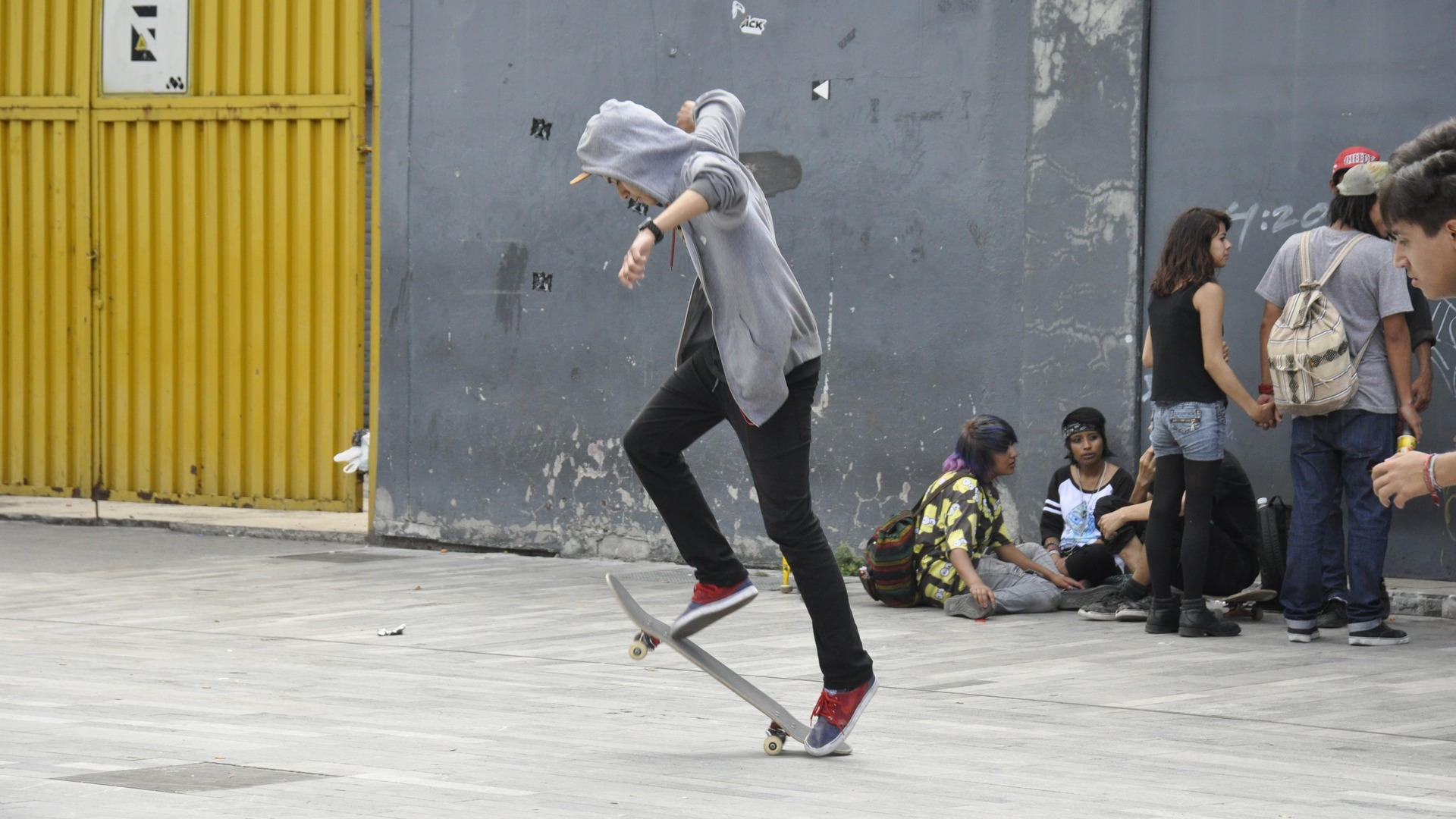
Varial heelflip: 180° of rotation, one flick of the heel — why does it spin out every single time?
Ta planche tourne mais ne flippe pas, ou elle file derrière toi ? Les 6 étapes du varial heelflip, les 4 fails classiques, et la vraie raison en bas de page.

→ Pour aller plus loin : Samarria Brevard dans Quit Your Day Job en 2017
You pop. The board takes off. It spins, sure — but it spins flat, all by itself, and never rolls over. Or it flips and shoots out behind you like it’s trying to get home without you.
And you land next to it, one leg hanging in the air, wondering what you’ve been doing wrong for the last three sessions.
The varial heelflip is two motions stepping on each other. A half-turn of the board one way, a heel flick the other. Do them at the same time and it spins out. That’s mechanics, not you.
Here’s the full breakdown, the 6 steps, the 4 fails that show up every time — and the real reason your board keeps running away from you. It’s at the bottom of the article, and it fits in one sentence.
Level
Intermediate
Time
10-30h
Prereqs
Ollie, heelflip
Surface
Smooth, flat ground
180° one way, a heel flick the other

The varial heelflip mashes together two tricks you might already have on lock separately: a frontside pop shove-it — the board does a flat half-turn, 180° — and a heelflip, where it rolls over on itself off your heel.
Both moves have their own backstory. The pop shove-it was originally called the « Ty hop », after Ty Page. The heelflip came out of the 80s and out of Rodney Mullen’s head — the same dude who invented the kickflip and about thirty other tricks back when almost nobody saw the point in spinning a board around on flat.
Glue the two together and you get a trick where your back foot and your front foot have to fire at different moments. That’s exactly where it falls apart.
In the video above, that’s Mike Mo Capaldi breaking it down. A regular-footed pro, on everybody’s radar since his part in Forecast, the video produced by Paul Rodriguez. Watch his feet in slow motion: they don’t go at the same time.
Read next: The ollie in 6 steps, the foundation none of this works without.
The wall everybody hits the exact same way
Nobody lands a varial heel first try. Not you, not the guy at the park who looks like he can do everything. The mandatory stop is the one-foot landing — you catch it with your front foot, the board’s straight underneath you, and your back leg just hangs there like an idiot. Everybody goes through that. The second foot shows up on its own, later, without you changing a thing.
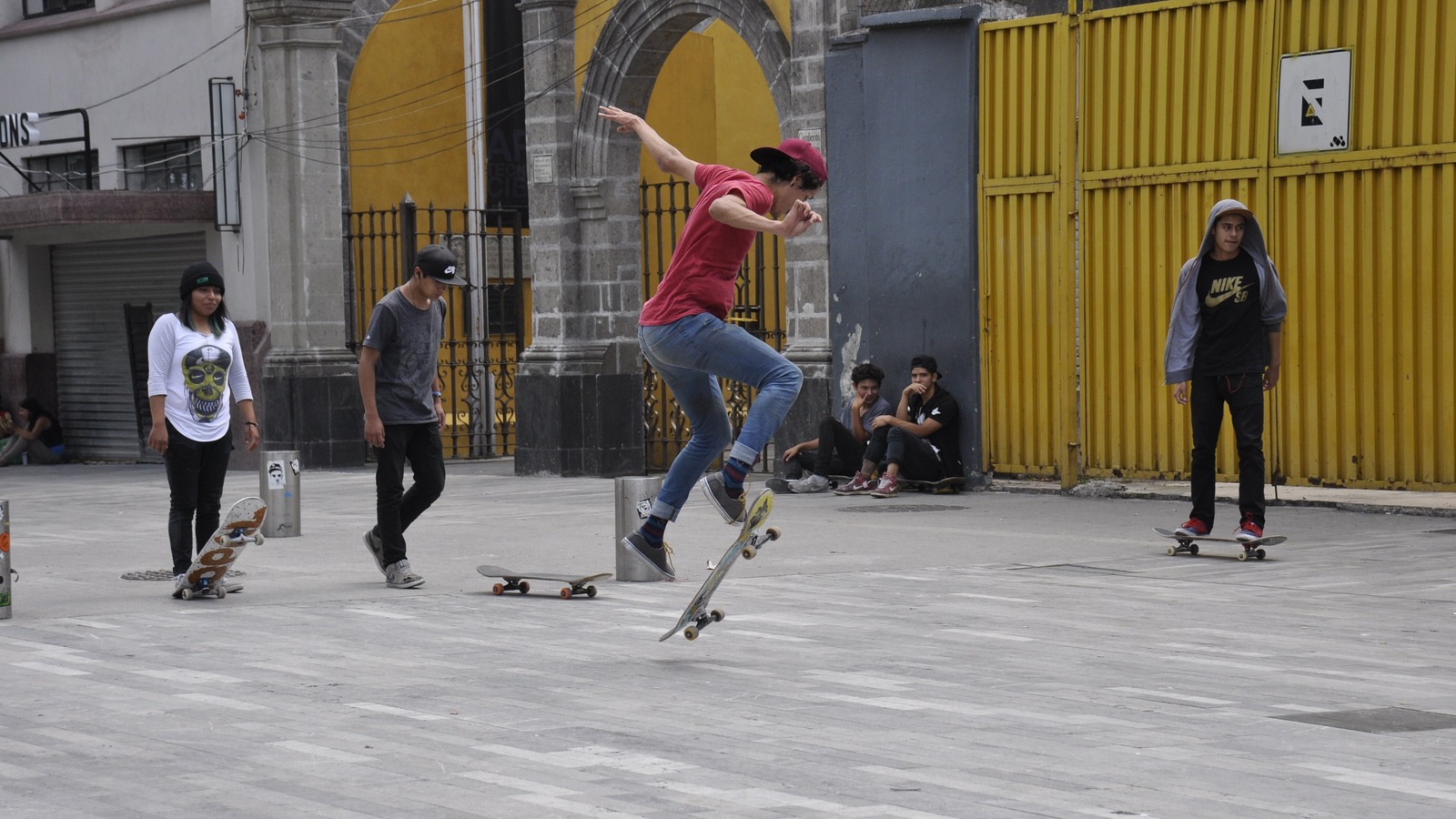
So if you’re landing one-footed this week: you’re not failing. You’re exactly where you’re supposed to be.
The 6 steps to land it
-
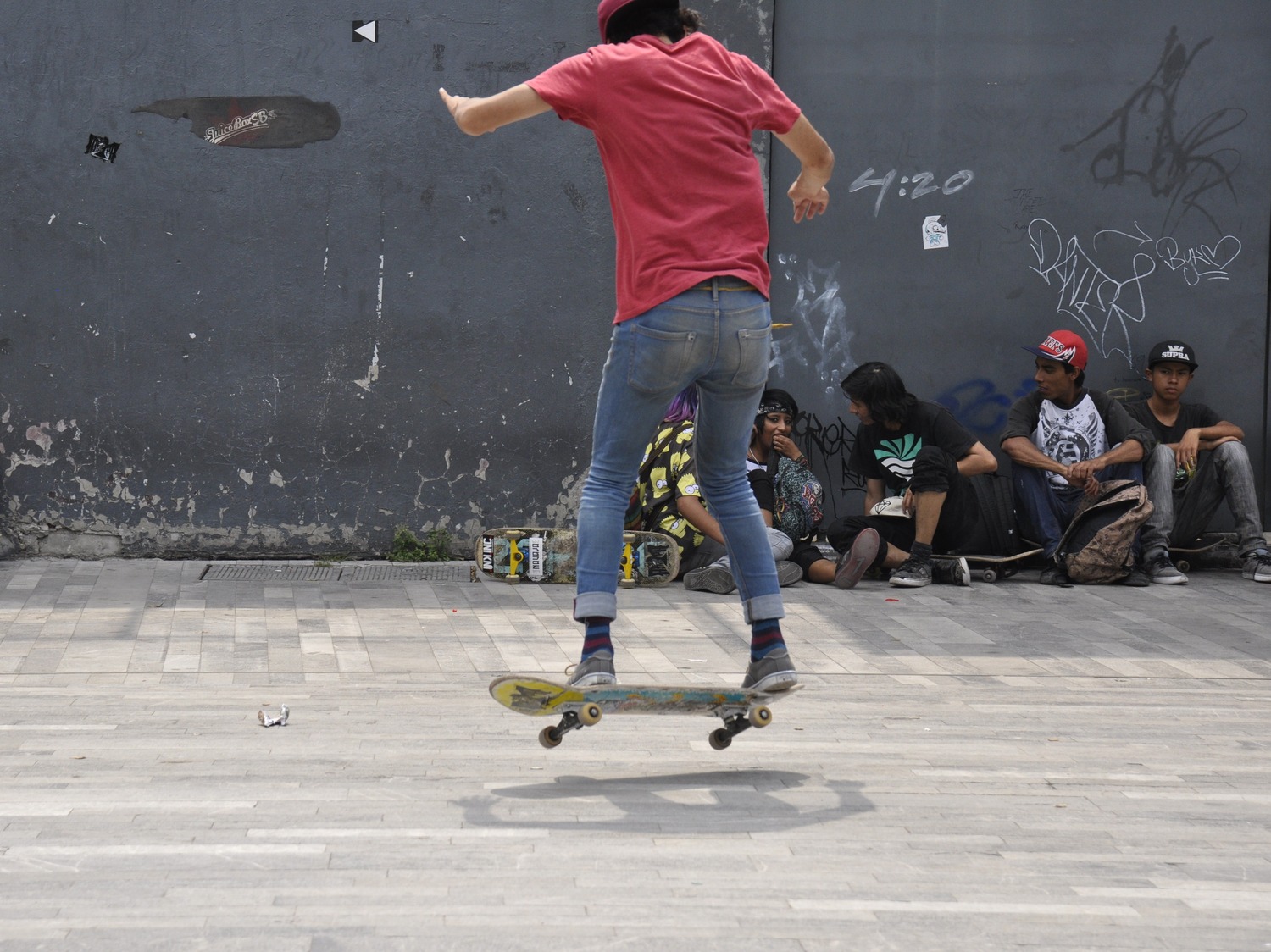
Back foot: toe only on the tail
Not the whole foot flat. Just the toe, tucked into the pocket of the tail, toe-side. That’s what lets you shove the board sideways instead of stomping it straight down. Put the whole foot on and you’ll scoop like a caveman and the board takes off behind you.
-
Front foot: closer to the middle than for a heelflip
Same angle as a regular heelflip, heel hanging slightly off the edge — but slide it back toward the center of the board. That’s the tweak nobody tells you about. Too close to the nose and the board stands straight up and shoots into your shin.
-
Pop first, then scoop — in that order
You smack the tail into the ground, crisp. And riding that snap, you push your toe forward to launch the half-turn. Pop first, rotation second. Scoop before the tail cracks and the board just slides along the ground and never comes up.
-
The heel flick: a hair later
Your front heel scrapes out to the side, like on a heelflip. But not at the same instant as the scoop — right after. One beat behind, no more. That tiny gap is what separates a clean varial heel from a board that helicopters off.
-
Suck your knees up and watch
Once both inputs are out, you’ve got nothing left to do. Knees to your chest, shoulders lined up with the board, and you watch the grip come around under you. This is where a lot of people blow it: they go reaching for the board with their feet instead of letting it finish the rotation.
-
The landing: one foot first, two later
Aim for the bolts with your front foot as soon as the grip is facing you. Stomp it to kill the rotation. The second foot will follow in a few sessions, on its own. That’s the normal path — nobody lands their first varial heel with both feet.
The 4 classic fails and how to fix them
The 4 classic fails
- It spins but it doesn’t flip — your heel never scraped, it just pressed down. The flick is an out-and-up motion, not a push. Overdo it three tries in a row to feel the difference.
- It flips but it doesn’t spin — the opposite: your whole back foot is flat on the tail. Get up on the toe, and shove sideways instead of stomping down.
- It flies way out behind you — you’re scooping way too hard. That’s the #1 varial heel fail. Cut your motion in half: the half-turn needs a lot less force than you think.
- It stands straight up and shoots into you — your front foot is too close to the nose. Slide it back toward the middle, and make sure your shoulders stay parallel to the board when you pop.

In slow motion you see exactly what your eye can’t catch at full speed: the tail cracks, the board starts its half-turn, and only after that the front edge lifts under the heel. Two beats. Never one.
Your shoes and your grip do half the work
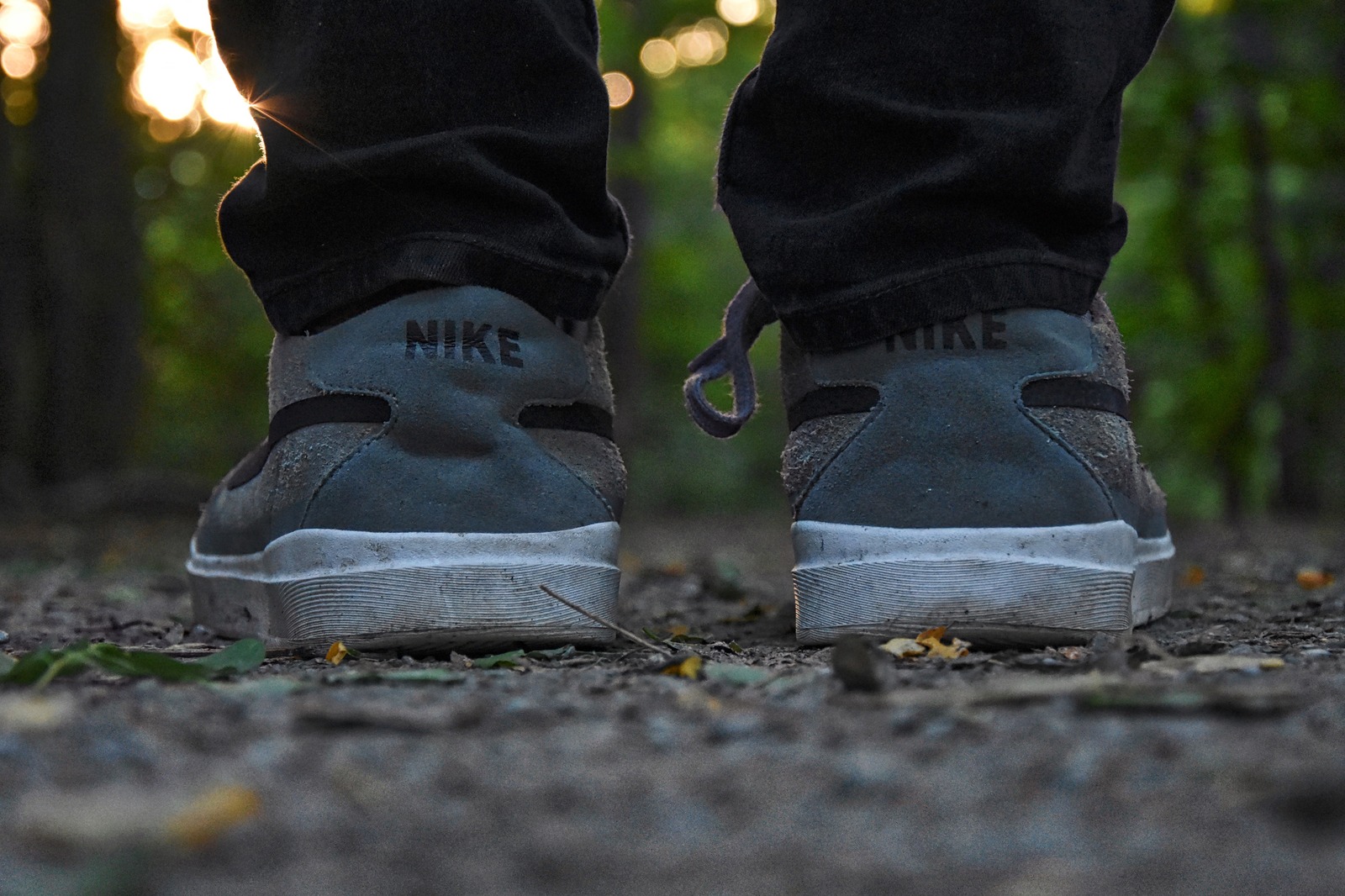
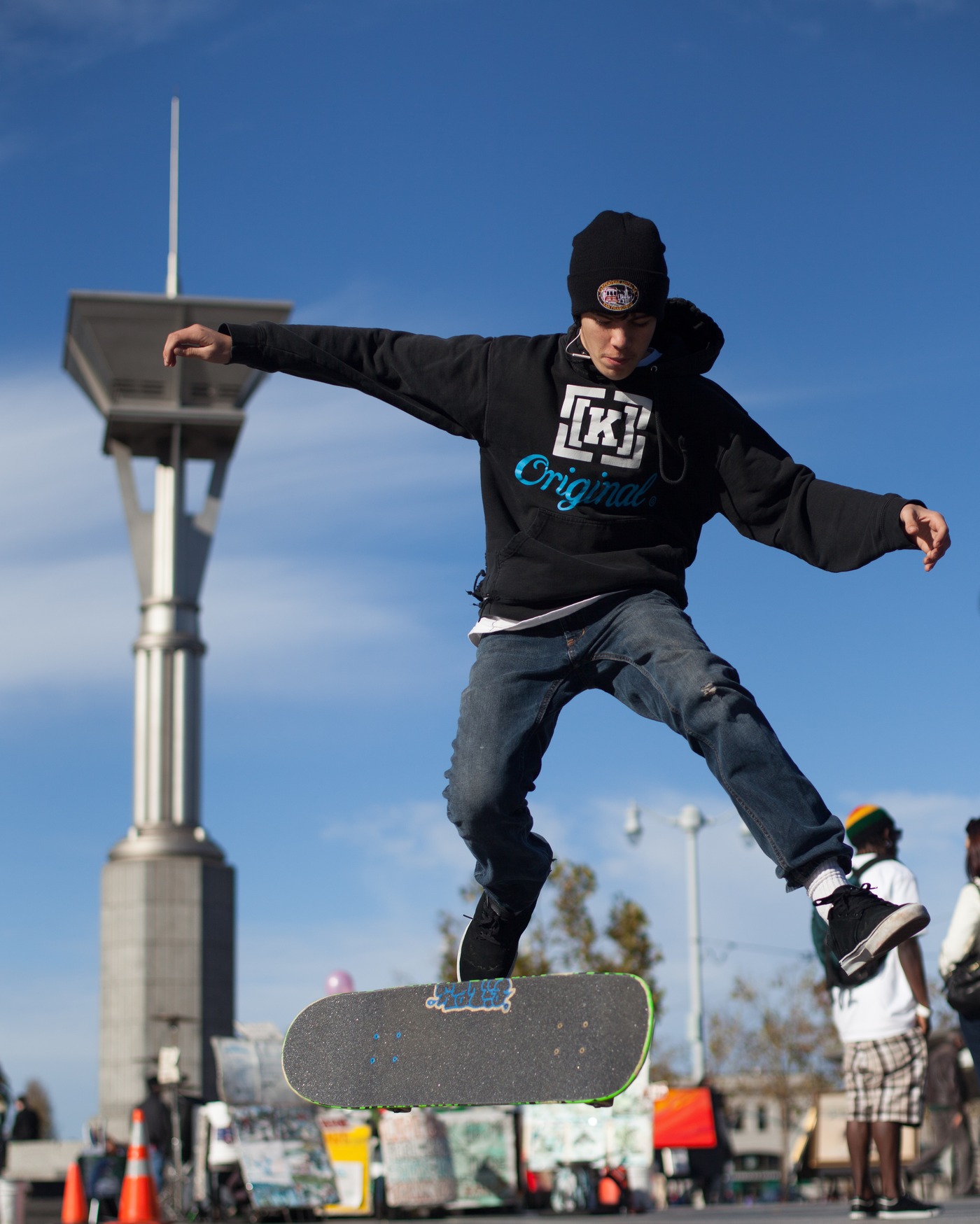
A flick is friction. Your heel catches the edge of the board for a split second, and that contact is what sends the board spinning. With a slick sole and worn-out grip, that contact doesn’t exist anymore — you can nail the motion perfectly and nothing will happen.
In practice: a suede skate shoe with a reinforced side panel holds a flick way better than a lifestyle sneaker. That’s the whole point of the Vans Skate and Nike SB models, built for exactly that wear zone. And if you can see your grip pattern fading where your feet sit, swap it: a fresh sheet costs about as much as a sandwich and hands you back control on your very first try.
Rough thing to hear when you’re 15 with no budget. But working a trick on dead gear versus working it on decent gear isn’t even the same sport.
Why it spins out: the real answer
Here it is, in one sentence: your board spins out because you’re scooping and flicking at the same instant, with your whole back foot flat on the tail.
That’s it. It’s not your pop, it’s not your hops, it’s not your level.
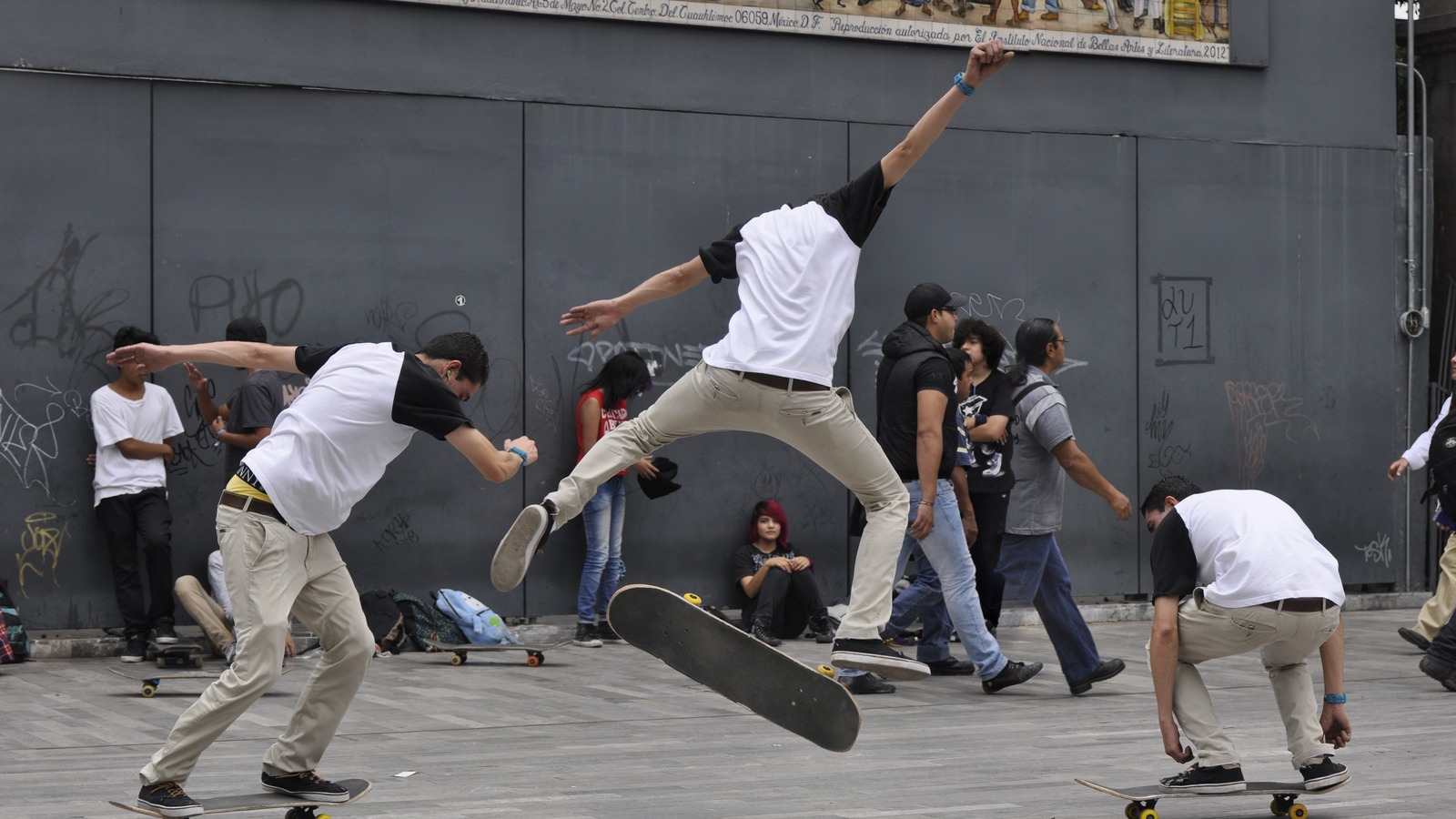
When both motions fire together, the two forces stack on the same axis: the board goes up on edge and squirts out. When they’re a beat apart, each one does its job — half-turn first, flip second — and the board stays flat under you.
And the flat back foot is what makes that gap impossible: flat, all you can do is stomp. On the toe, you can shove sideways without stomping, which gives your front heel time to show up after.
Two adjustments, then. The toe of the back foot. The one-beat delay on the flick. Everything else you already have if you’ve got your heelflip and your tre flip.
How long before you land it?
Honest range: 10 to 30 hours of focused practice if your heelflip is already solid. Some people get it in a week. Others take two months. That says nothing about your talent — it says how many times you ran the motion actually hunting for the gap instead of just chucking it.
If you’ve been stuck for ten sessions, film yourself. Three tries, from the front, in slow motion. Most of the time you’ll spot the problem in one second: both feet going at once.
And then there’s the day it happens. You don’t even feel the motion — you just see the grip come back around, clean, without you having to reach for it. The board stops under your feet like it had been waiting on you. That click, you never unlearn. And the next day, you land five of them.
Your varial heel — does it helicopter off, or refuse to flip? Tell us your exact fail. Drop it in the comments ↓
Le lexique
-
1
frontside pop shove-it
Figure où la planche fait un demi-tour à plat sous tes pieds, sans se retourner, lancée par une poussée du pied arrière.
-
2
flick
Le coup de pied qui gratte le bord de la planche vers l'extérieur et la fait tourner sur elle-même.
-
3
pop
Le claquement du tail contre le sol qui décolle la planche. Sans pop, aucune figure de street ne sort.
-
4
scoop
Poussée latérale du pied arrière sur le tail qui lance la rotation à plat de la planche.
-
5
replaque
Le moment où tu reposes les pieds sur la planche après la figure, idéalement sur les vis des trucks.
Shop NOSK8
Voir toute la boutique →
TEE-SHIRTS
TEE-SHIRT NOSK8® P.A CENTRE #PARENTALADVISORY
Le prix initial était : 35,00 €.29,00 €Le prix actuel est : 29,00 €.
TEE-SHIRTS
TEE-SHIRT NOSK8® NOSKATE #SNC
Le prix initial était : 35,00 €.29,00 €Le prix actuel est : 29,00 €.
TEE-SHIRTS
TEE-SHIRT NOSK8® MATRICE HEART #ALT
Le prix initial était : 35,00 €.29,00 €Le prix actuel est : 29,00 €.
TEE-SHIRTS
TEE-SHIRT NOSK8® P.B CENTRE #RNB
Le prix initial était : 35,00 €.29,00 €Le prix actuel est : 29,00 €.
TEE-SHIRTS
TEE-SHIRT NOSK8® P.B HEART #ORIGINAL
Le prix initial était : 35,00 €.29,00 €Le prix actuel est : 29,00 €.
CASQUETTES
CAP NOSK8® P.B #POLARBEAR
Le prix initial était : 35,00 €.25,00 €Le prix actuel est : 25,00 €.
CASQUETTES
CAP NOSK8® N8 #NOSK8
Le prix initial était : 35,00 €.25,00 €Le prix actuel est : 25,00 €.
CASQUETTES
CAP NOSK8® P.B.P #PAW
Le prix initial était : 35,00 €.25,00 €Le prix actuel est : 25,00 €.
HOODIES
HOODIE NOSK8® NOSKATE #NSITA
Le prix initial était : 60,00 €.49,00 €Le prix actuel est : 49,00 €.
HOODIES
HOODIE NOSK8® P.B HEART #BARÇA
Le prix initial était : 60,00 €.49,00 €Le prix actuel est : 49,00 €.
HOODIES
HOODIE NOSK8® P.B CENTRE #ORIGINAL
Le prix initial était : 60,00 €.49,00 €Le prix actuel est : 49,00 €.
HOODIES
HOODIE NOSK8® P.B HEART #PARIS
Le prix initial était : 60,00 €.49,00 €Le prix actuel est : 49,00 €.
HOODIES
HOODIE NOSK8® P.B HEART&BACK #ORIGINAL
Le prix initial était : 60,00 €.49,00 €Le prix actuel est : 49,00 €.
SWEAT
SWEAT NOSK8® P.B HEART #BARÇA
Le prix initial était : 45,00 €.39,00 €Le prix actuel est : 39,00 €.
SWEAT
SWEAT NOSK8® P.B HEART #PHILI
Le prix initial était : 45,00 €.39,00 €Le prix actuel est : 39,00 €.
SWEAT
SWEAT NOSK8® P.B HEART #NYC
Le prix initial était : 45,00 €.39,00 €Le prix actuel est : 39,00 €.
SWEAT
SWEAT NOSK8® P.B HEART #PARIS
Le prix initial était : 45,00 €.39,00 €Le prix actuel est : 39,00 €.
SWEAT
SWEAT NOSK8® P.B HEART #POLARBEAR
Le prix initial était : 45,00 €.39,00 €Le prix actuel est : 39,00 €.
Continue ta lecture
PortraitsLeticia Bufoni : 12 médailles X Games, aucune aux Jeux — ça pèse quoi en 2026 ?
Six ors, douze médailles X Games, et une seule ligne olympique : neuvième à Tokyo. En juillet 2026 ses deux derniers records sont tombés. Ce…
Commentaires (0)