
ℹ️ 🛹 Web Média Skate 🛹 ℹ️

Tricks
Hardflip: Why’s Your Board Slapping Your Tibias? What Daewon Song’s Parts Reveal
In 1992, Daewon Song filmed a hardflip that still hits everyone's shins. Why? Two rotations at once, and your body doesn't follow.
The hardflip has a reputation: it’s the trick that leaves you with bruises on your shins. You flick right, you scoop right, and the board still comes back up through your legs. It’s not about strength. It’s about timing, and the old footage of Daewon Song shows it better than any tutorial.
In this article 5 parts
Two rotations in one go
A hardflip is a frontside pop shove‑it and a kickflip launched at the same time. The board does a flat half‑turn and a flip along its length. The two moves combine, and the board almost straightens up: even the Wikipedia page on flip tricks notes it looks like it’s slicing through the legs. That’s where it all plays out.
Watch Classics: Daewon Song's Round III Part

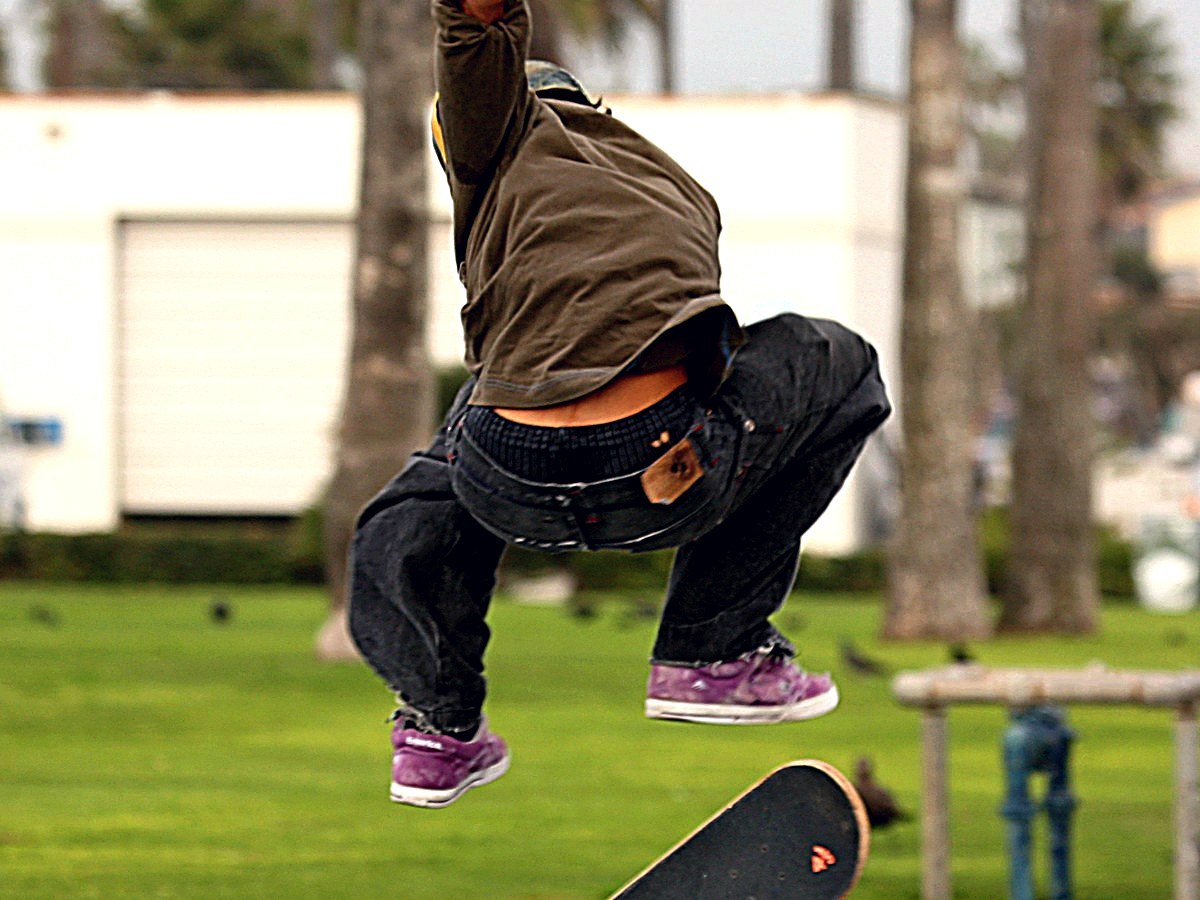
For a split second, your board is standing between your legs. Nose up, tail down, or the opposite. It slides through the corridor between your two feet. If that corridor’s too tight, it hits. And the first thing it hits is a tibia.
Read also : Manual: holding 3 seconds is a look thing, not a leg thing
Why it always lands on the same spot
The impact almost always lands on the shin or the knee. The reason is simple: after the pop, your legs stay low and tight. That’s the ollie position, the one your body knows by heart. On a hardflip, it’s the worst.
The second cause is the scoop. The back foot has to push the tail forward, toward the toes, to launch the frontside shove‑it. If you scoop too little, the board stays vertical too long. It hasn’t finished its rotation when you come down. Your legs hit a wooden wall.
The third cause is the front foot dragging. It flicks, then stays above the board, like on a kickflip. On a hardflip, it must flick and then step away decisively. Its job is to clear the path, not to ride the board.
What the Daewon Song footage shows
Daewon Song has been filming since Love Child, at World Industries, in 1992. Over thirty years of footage, and a ton of technical flips, often on flat or in manuals. We’ve covered his journey and his move from Almost to Thank You. Here, we’re just looking at his legs.
Rewind a technical flip into one of his tricks. The knees lift high, toward the chest, before the board arrives. The feet spread out. The board slides through the open space, then the feet descend onto it. It’s placement, not luck.
The real reason for the tibia hit
Here’s the answer. Your board hits your tibias because it goes upright between your legs, and your legs don’t give it room. You jump like an ollie, low and tight. The hardflip demands the opposite: high knees, feet spread, and a front foot clearing the path.
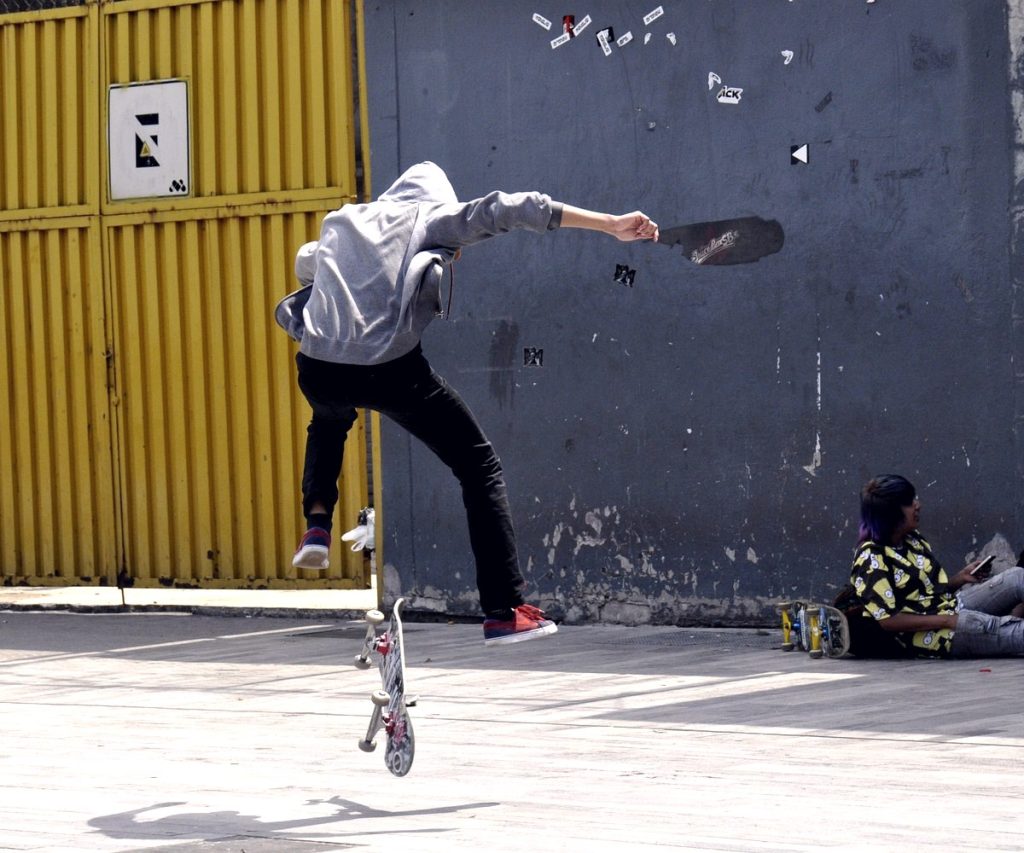
So it’s neither your flick nor your power. It’s the shape of your jump. As long as your body keeps the ollie reflex, the board will find your leg. And you can’t fix it by trying harder.
Read also : Daewon Song left Almost after 15 years to start Thank You: what it means to be your own boss
The plan to stop the bruises
Start with a frontside pop shove‑it on its own until it’s clean. It gives you flat rotation and the right scoop. If you haven’t nailed the kickflip yet, start with that—the hardflip never comes before.
Then practice stationary, on grass or a mat. Do the motion while jumping high, knees to the chest, without trying to land. You learn to open the corridor. When the board slides without touching you, you can roll gently.
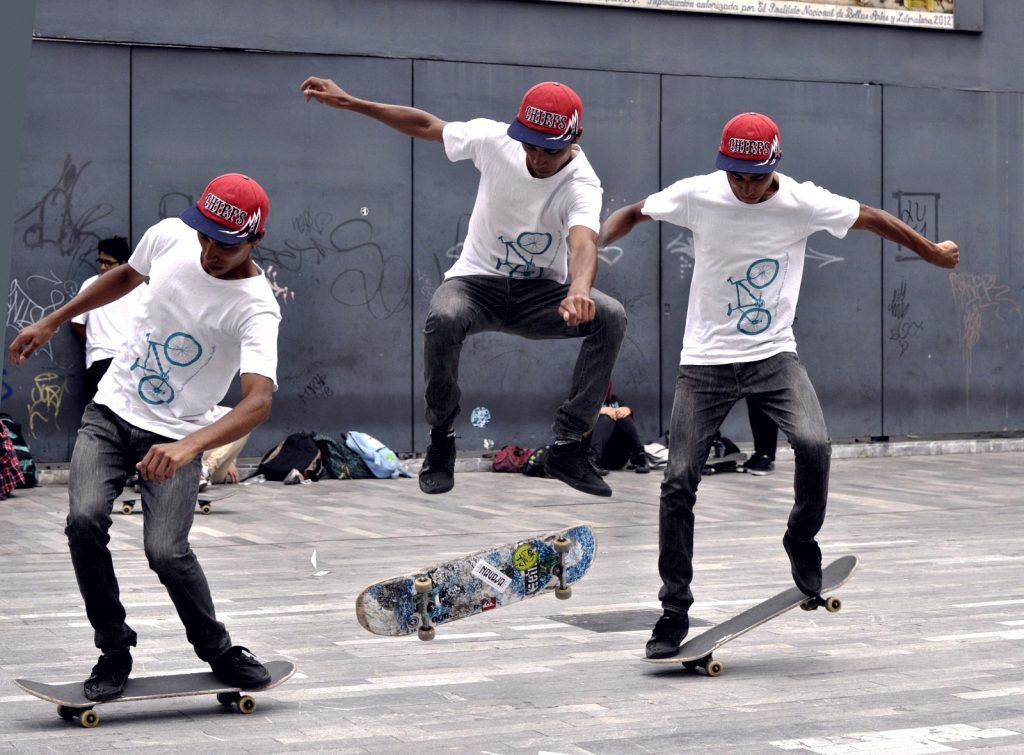
Last tip: wear shin guards while learning. It’s not a shame, it’s the price of ten sessions without bruises. The day you take them off, with clean tibias, you’ll know exactly why. Next step, the 360 flip.
You, the hardflip, is it the tibia, knee or ankle that gets hit? Drop it in the comments ↓

Continue ta lecture
TricksVarial kickflip : Cyril Jackson le pose pour The Berrics, pourquoi le tien part encore de travers ?
Tu sais faire le kickflip et le pop shove-it, mais ensemble la planche s'arrête à 90° ou file derrière toi. Les 6 étapes, les 4…
Commentaires (0)