

ℹ️ 🛹 Web Média Skate 🛹 ℹ️

 Back
Chroniques · Opinion
Rodney Mullen, 1989: He Leaves Bones Brigade for World Industries — How Much Was That Bet Worth in 2002?
In 1989, Rodney Mullen left Powell Peralta for Steve Rocco’s World Industries. In 2002, Globe bought everything, how much did that bet really pay off?
Early 1989, Rodney Mullen is 22 years old and holds the heaviest résumé in skateboarding: 34 contests won out of 35. Yet he leaves the most famous team in the world, Powell Peralta’s, to put his money into a small company that is struggling. The company’s boss, Steve Rocco, is a former rival he beat when he was 14. Thirteen years later, World Industries is sold to a publicly traded company. The question is how much that gut call ended up being worth.

To understand the bet, you have to look at what he’s giving up. And at what he buys, almost blind.
In this article 7 parts
- 1988: Mullen, freestyle king at Powell Peralta
- Early 1989: he joins Steve Rocco as an investor
- Why Rocco, the old rival who got beaten at 14?
- Rubbish Heap: the broken board and Rocco’s note
- Plan B, Questionable 1992: the freestyler hits the street
- Blind, Girl, Devil Man: World Industries becomes #1
- Globe, 2002: how much was Rodney Mullen’s bet worth?
1988: Mullen, freestyle king at Powell Peralta
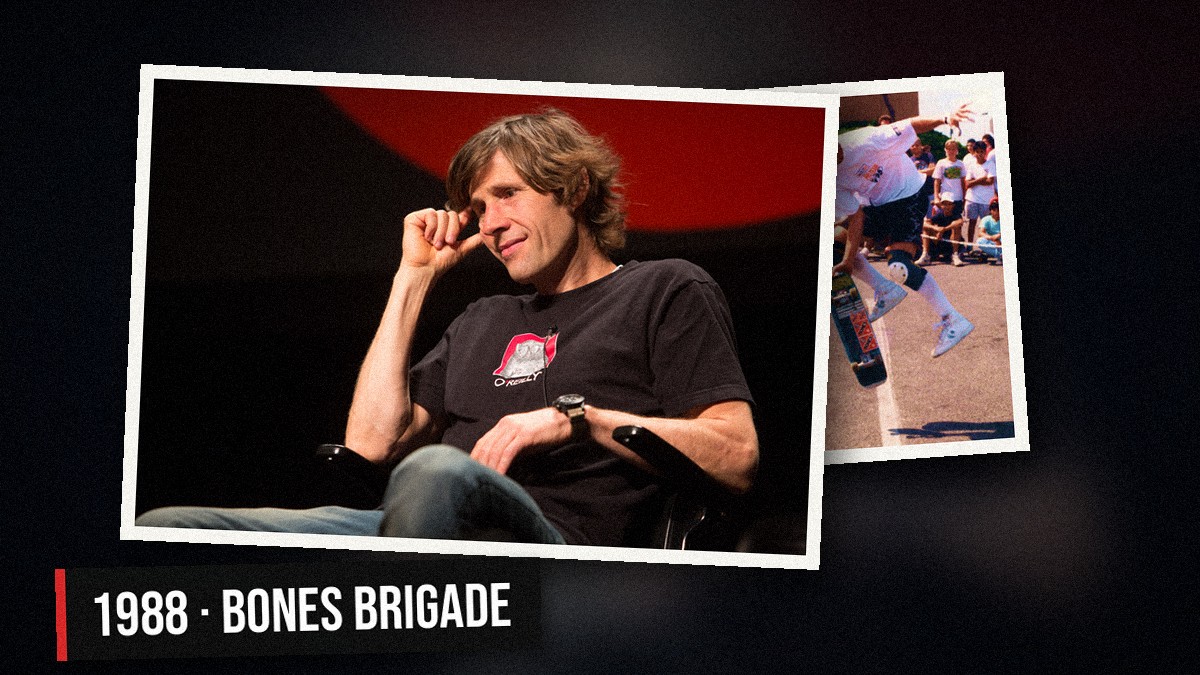
Late 80s, Powell Peralta’s Bones Brigade is Tony Hawk, Steve Caballero and Lance Mountain. Mullen, a kid from Florida, wins everything in freestyle. He invented the ollie on flat ground, the kickflip, the heelflip, the 360 flip.
Rewind. A Powell VHS looping at a friend’s place, the sound crackling, a skinny kid spinning his board under his feet like a juggler. Everyone watches. Nobody copies. Freestyle is its own discipline, and it’s starting to lose its audience.
Early 1989: he joins Steve Rocco as an investor
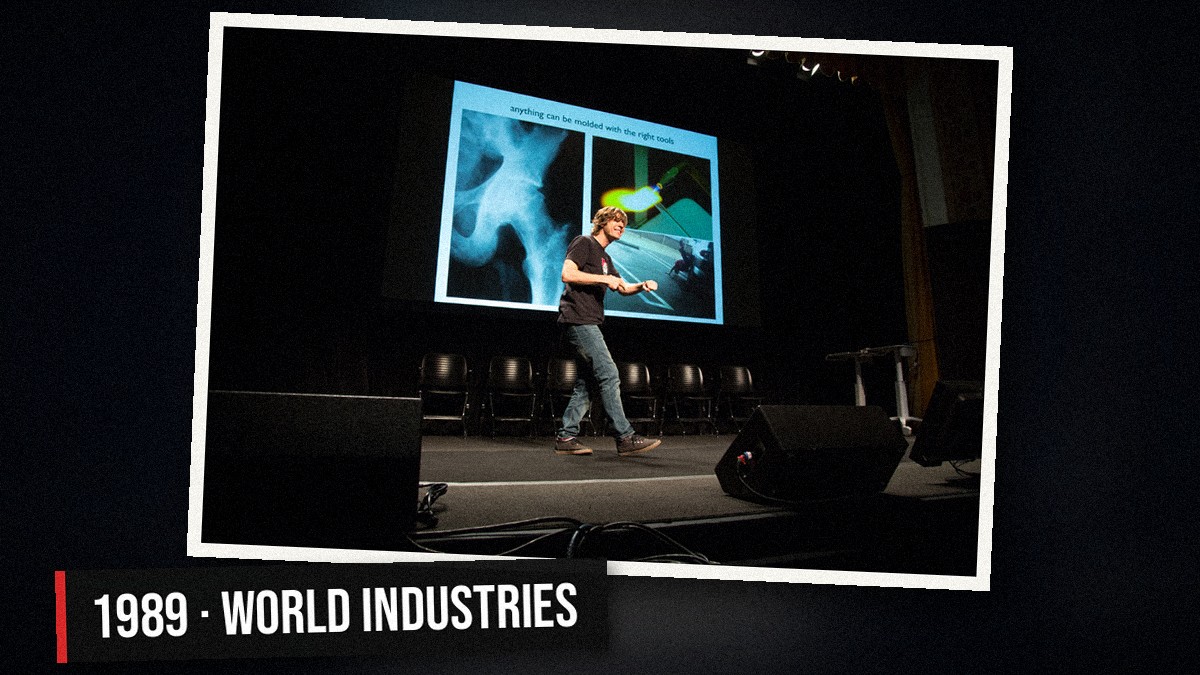
The deal fits in one line on his Wikipedia page. In early 1989, Mullen leaves the Bones Brigade to join World Industries as principal investor, alongside Steve Rocco. The company is presented as the first skate brand owned by skaters. Mike Vallely joins them a bit later, for a short time.
Compare the strengths. Powell Peralta sells boards to an entire generation thanks to Bones Brigade videos. World Industries, it’s Rocco, a handful of riders and a lot of ego. Mullen doesn’t sign a sponsorship deal: he takes a share of a box. He crashes, he loses money and status.
No amount has ever been published. What we know is the risk. Powell Peralta is established, rich, powerful. Rocco’s company struggles to stand on its own. Mullen also lets go: he studies in Florida, one year away from graduation, and leaves to run the box with Rocco.
Why Rocco, the old rival who got beaten at 14?
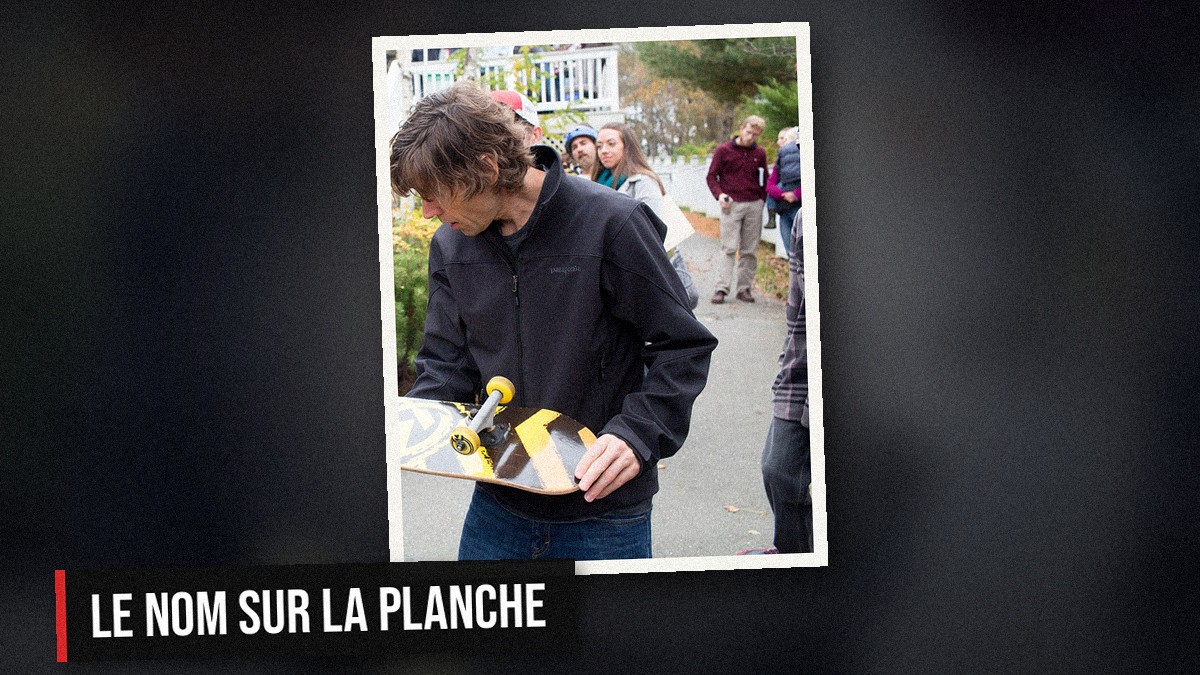
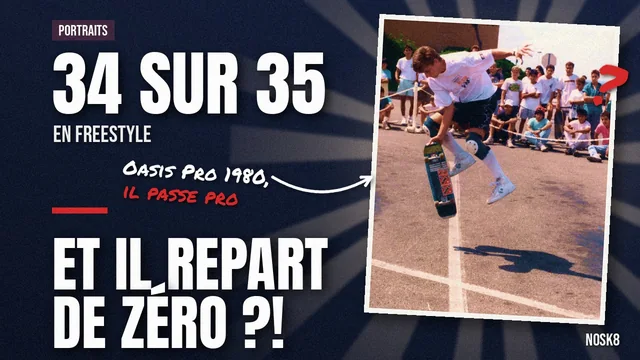
The story starts in 1980, at the Oasis Pro. Mullen is 14 and beats the reigning freestyle world champion: Steve Rocco. The two become friends. Nine years later, each one has what the other is missing.
Rocco has a brand, nerve, and no money. Mullen has money, a name nobody disputes, and a problem. Freestyle is on the decline, and his future at Powell is that of a champion in a shrinking discipline. At Rocco’s, he won’t be one more rider. He’ll be the owner. That’s the real deal.
At Powell, he was the star of a team. At Rocco’s, he’d become the boss of his own. — The 1989 bet
Rubbish Heap: the broken board and Rocco’s note
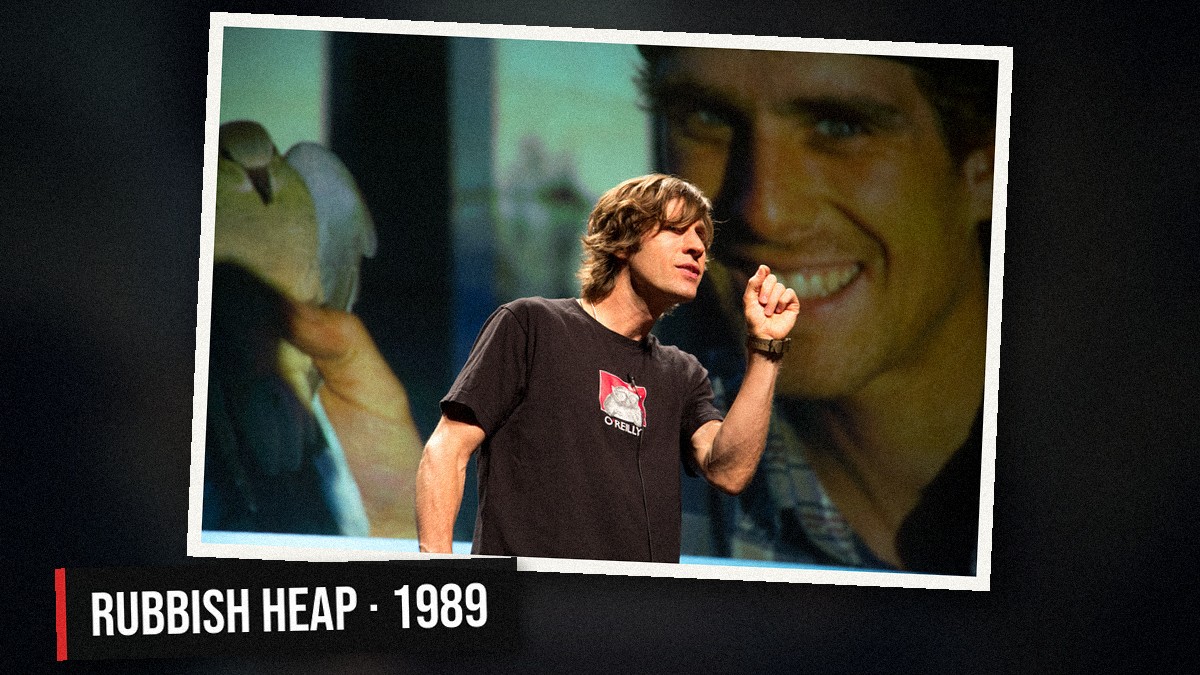
World Industries’ first video is called Rubbish Heap – 1989. It tells you everything about the house tone. Mullen’s part ends on a staged scene. Jeremy Klein, from the team, breaks his freestyle board. Then he hands him a note signed Rocco and a street deck. The message: freestyle is over.
Mullen doesn’t switch to street right away. Meanwhile, Rocco is recruiting. Late 1989, Mark Gonzales comes to see him to start his own brand. It will be called Blind, a middle finger to Vision, his former sponsor. Jason Lee, a World rider at the time, helps launch it. The story of this war is told in detail in our Rocco vs Powell feature.
Plan B, Questionable 1992: the freestyler hits the street

In 1991, Mike Ternasky launches Plan B with an exclusive manufacturing and distribution deal with World Industries. World manufactures, distributes, and pays him a royalty. Ternasky succeeds where Rocco was forcing it: he convinces Mullen to switch to street.
Result, the portion of Questionable — 1992. Mullen lands flips on grinds and boardslides, in line, on modules. The skater becomes a street reference. His career does not stop with freestyle, it restarts. We have told it in our portrait of Rodney Mullen. In 2002, the readers of Transworld elected him skateer of the year. The following year, he tells all this in his autobiography, The Mutt — 2003.
Blind, Girl, Devil Man: World Industries becomes #1
The house loses people along the way. In September 1993, Rick Howard leaves with seven other riders and founds Girl. We lost Ternasky in a car crash in May 1994. But the machine keeps running. By late 1998, World Industries and Blind are the two top skateboard brands on the market, driven by Devil Man, Flame Boy and Wet Willy, the characters created by Marc McKee.
In October 1998, Rocco and his five partners, Mullen included, sell 70% of the company to a fund, SPC. The company is valued at 29 million dollars. A holding is born, Kubic Marketing, which oversees World and the Dwindle distribution. It buys the skate shop CCS for 21 million in 1999, then resells it for about 50 million in 2000. Rocco’s little label now plays with investment funds. It’s all on the World Industries page.
Globe, 2002: how much was Rodney Mullen’s bet worth?
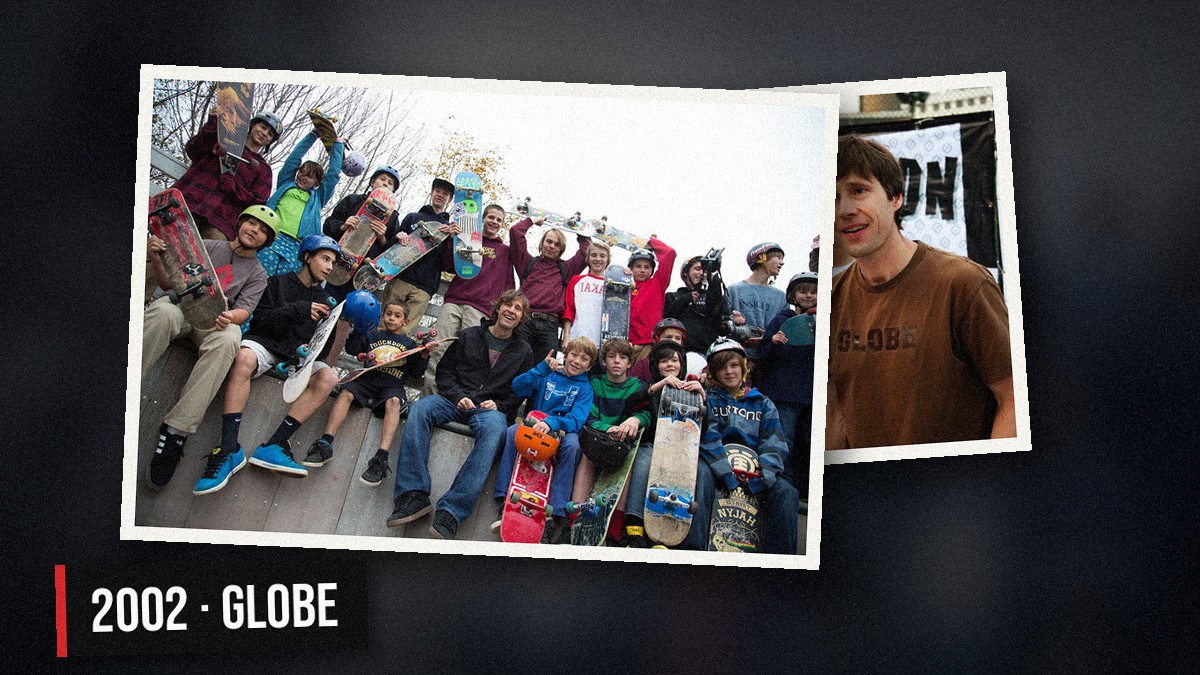
In 2002, Globe International, an Australian company founded in 1985 by the Hill brothers and listed on the stock exchange since 2001, buys all of Kubic, World Industries included. The price: 46 million dollars. With Dwindle and its brands, Enjoi, Blind, Darkstar, Globe becomes one of the biggest skate companies in the world.
Here’s the answer. The 1989 bet was worth, in 2002, a share of a sale at 46 million dollars. His exact cut was never published, and we’re not going to make it up. What is written in black and white: the sale made Rocco and Mullen multimillionaires overnight. The kid who dropped out of college and the best team in the world for a shaky company hit the jackpot.
Put the numbers together. 1989: a box that struggles. 1998: 29 million valuation when the fund goes public. 2002: 46 million for all Kubic. Over thirteen years, Rocco’s little brand became the one the market wanted. And Mullen was among the partners at each stage.
Who won what? Rocco is retiring. Globe offers a top spot, then sells the only World Industries brand in 2007. Mullen stays. He works for Globe under Dwindle, co-founded Almost with Daewon Song, launches Tensor trucks and follows Globe’s skateboarding factory in China. The bet didn’t just pay him a check; it bought him the right never to depend on a sponsor.
Today, when a pro launches his brand rather than waiting for a contract, he retraces the path of 1989 without knowing it. The broken board of Rubbish Heap cost a discipline. It brought an industry.
Instead of Mullen in 1989, you’d have dropped the Bones Brigade to bet on Rocco, or you’d have stayed with Powell? Drop it in the comments ↓
Continue ta lecture
ChroniquesAntwuan Dixon — 20 ans après Baker 3, le prodige maudit de Carson est de retour
FRENESPT Early 1989, Rodney Mullen is 22 years old and holds the heaviest résumé in skateboarding: 34 contests won out of 35. Yet he leaves…
Commentaires (0)