
ℹ️ 🛹 Web Média Skate 🛹 ℹ️

 Back
Tricks
Magic Flip, 1982: How Rodney Mullen’s Kickflip Renamed the Streets
In 1982, Rodney Mullen invents a flip nobody understands. Where does the magic flip nickname come from, and how did it give street its own language?
A kid from Florida, a dentist’s son, trains alone in a farm garage and says the cows are his best buddies. In 1982, this kid, Rodney Mullen, spins his board under his feet in a way nobody can figure out. Everyone else calls it the “magic flip,” because they can’t see what he’s actually doing.
Watch Rodney Mullen explains how he invented the kickflip

He called it “ollie flip.” Today the whole world says “kickflip.” In between, ten years: a sport that changes terrain, and one question: how did a trick born out of flatland demo culture become the basic word for all of street skating?
The answer comes later. First, the quick facts.
Inventor
Rodney Mullen
Year
1982
First known name
Ollie flip
Move to street
Questionable – 1992
In this article 6 parts
A garage in Florida, 1977: where does this kid come from?
Mullen gets on a board on January 1, 1977, at ten years old. His father, a dentist and former military man, wants no part of it: he’s afraid his son will get hurt and think skating is a bad scene. The deal is simple. Full pads, and at the first serious injury, it’s over.
The family farm has no concrete, except the garage. No pool, no bowl. So Mullen does freestyle, flatground tricks. Alone with the cows, from July 1979 to August 1980, he lives what he would later call his most creative period.
The track record keeps going: 34 freestyle contests won out of 35. In 1980, at 14, he beats world champion Steve Rocco at the Oasis Pro. Then he joins Powell Peralta’s Bones Brigade, Tony Hawk’s team. His full profile covers the rest of his career.
1982, Massachusetts: why do the others say “magic flip”?
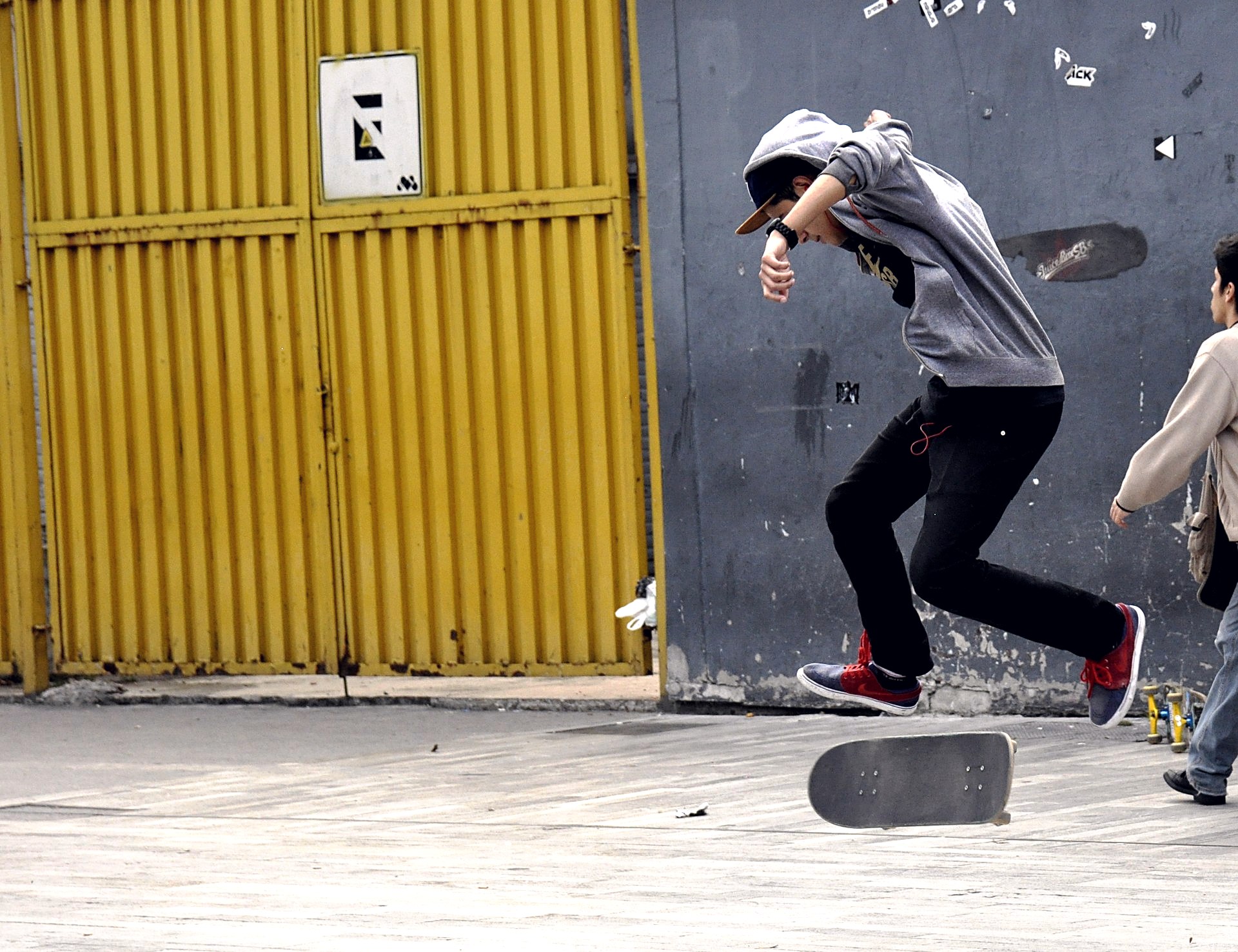
In 1982, Mullen starts from Alan Gelfand’s ollie, which he just brought onto flat ground. He adds a diagonal front-foot kick. The board leaves his feet, makes a full rotation down its length, and he catches it on the way down. He calls it the “ollie flip.”
Everyone else watches and can’t figure out where the rotation comes from. The foot leaves too fast for the eye. So they give it a name that fits their confusion: the “magic flip”. That’s the nickname that spreads first, not the one of its inventor.
-
1977: first skate, in the farm garage in Gainesville, Florida.
-
1980: wins the Oasis Pro over Steve Rocco, world champion. Mullen is 14.
-
1982: the ollie goes flat, then the ollie flip. The others call it “magic flip”.
-
1989: he leaves the Bones Brigade for World Industries, with Steve Rocco. The first brand owned by skaters.
-
1992: Questionable, the Plan B video. The freestyler goes street.
-
1993: Virtual Reality, Plan B again. He shows the darkslide there.
Gonzales, Natas, Rocco: who brought the flip to the street?
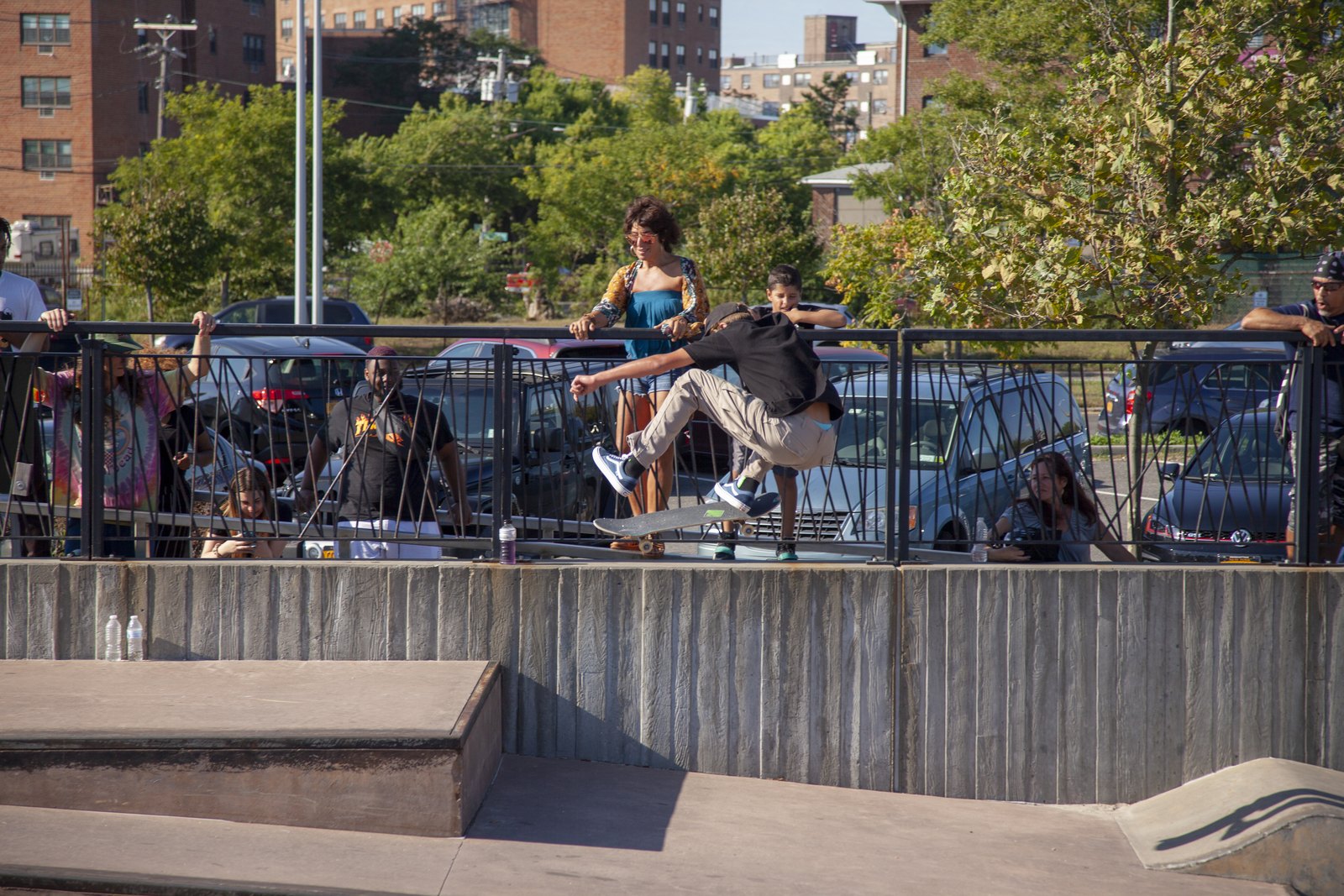
Mullen invents it, but he isn’t the first to go down a set in the street. His flips are picked up by Mark Gonzales and Natas Kaupas, two street pioneers. They see the stairs and benches: the flip goes over them.
Mullen, though, resists. Freestyle collapses, people push him toward the street, and he refuses: he’s afraid of selling out what his skating is built on. In Rubbish Heap – 1989, the World Industries video, Jeremy Klein smashes his freestyle board on screen. Then he hands him a note from Rocco, with a street deck. The message is clear: freestyle is over.
Meanwhile, the World Industries team makes the flip the common language. Daewon Song, Ronnie Creager, Kareem Campbell, Enrique Lorenzo, JB Gillet: they all ride for Mullen’s company. The kid who didn’t want to go to the street is paying the ones who do.
The 4 myths about the magic flip
- Mullen named it the magic flip: nope. His own name for it was ollie flip. « Magic » came from skaters who couldn’t see the foot leave the board.
- The kickflip existed in the ’70s: a flip existed, without the pop and without the jump. The board spun flat on the ground, feet facing the nose.
- He invented it for the street: nope. It was born in freestyle, on flat ground, ten years before Mullen accepted street.
- It’s an ollie with one extra detail: the ollie keeps the board stuck to your feet. The kickflip does the opposite, and everything comes down to that.
So how did Mullen rename the street?
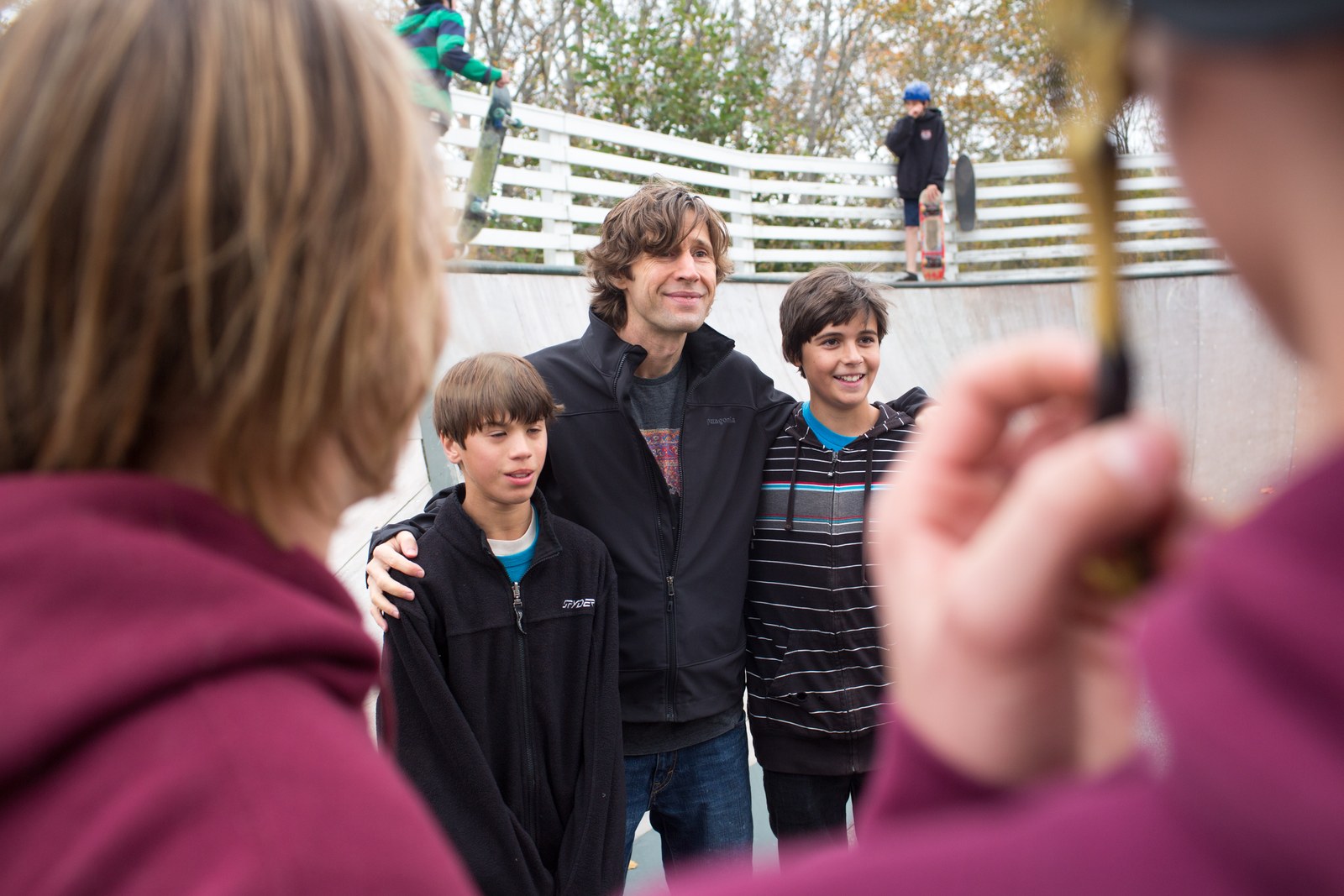
Not by the name. The name was given by others, and it isn’t even the one that stuck. He renamed the street with one idea: the board can leave your feet, then come back.
Gelfand’s ollie keeps the skater and the board together, in one motion. Mullen’s kickflip splits them apart. The foot chases, the board spins on its own, and you only reconnect on the way down. That separation became the grammar of street, then of the ramp.
The heelflip, the 360 flip: Mullen invented those too. The varial kickflip, the hardflip and all the others come out of the same door. When a skater says « flip » today, they’re speaking the language of a farm kid who had no concrete. That’s the real christening: one word, flip, turned into the verb of the entire street.
Questionable – 1992: the day he lands his trick again

The loop closes in 1992. In 1991, Mullen joins Plan B, and his boss Mike Ternasky pushes him to change. Ternasky is the one behind the camera. The Questionable part opens on pure freestyle, flat ground. Then Mullen hits the streets: flips, grinds, boardslides, obstacles.
He debuted two new tricks there, the kickflip underflip and the casper slide. Street had taken his trick, so he went back and took it on his own turf. That same video kicked off Pat Duffy on the stair rails.
And the cow kid, today?
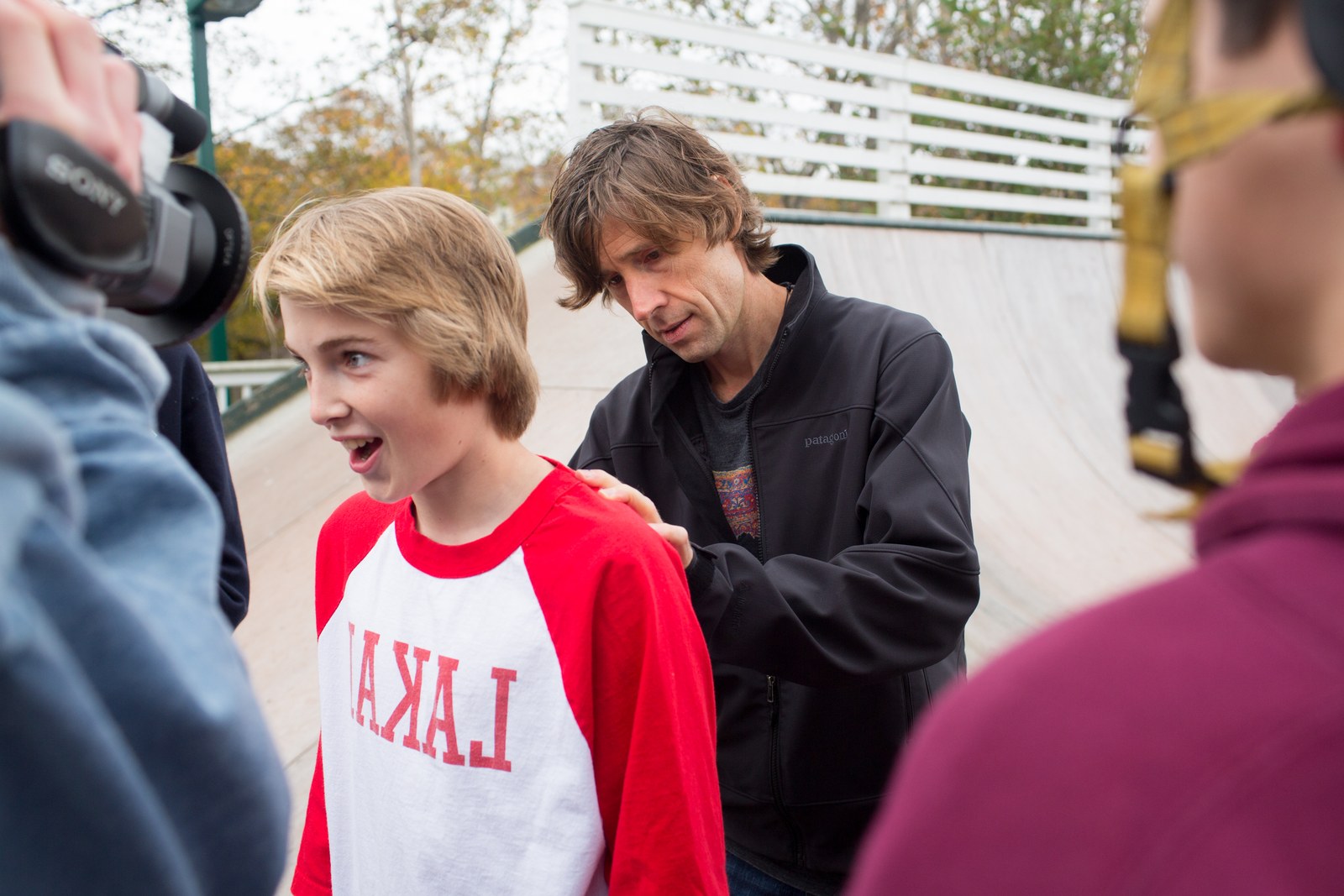
He spent years pushing himself out of his own spotlight, relearning goofy after hip injuries. The rest of his career fits on his rider profile. And if you want to see where a flip goes when it turns inside out, the inward heelflip will blow your mind.
Where did you first see a kickflip, and who showed you? Did you know it was once called the magic flip? Tell us in the comments ↓
Le lexique
-
1
freestyle
La discipline des années 70-80 : des figures enchaînées sur sol plat, jugées comme une chorégraphie.
-
2
ollie
Le saut de base : tu claques le tail, la planche monte avec toi sans que tes mains la touchent.
-
3
flick
Le coup du pied avant qui gratte le bord de la planche et la fait tourner sur sa longueur.
-
4
darkslide
Une glisse sur la planche retournée, griptape contre le rebord : une invention de Mullen.


Continue ta lecture
TricksSmith grind : l’angle du corps n’est jamais bon — d’où ça vient vraiment ?
Le nose plonge, le board se redresse, et ton corps n'est jamais au bon endroit. Le problème ne vient pas de tes pieds.
Commentaires (0)