
ℹ️ 🛹 Web Média Skate 🛹 ℹ️

Portraits
Jamie Thomas: The Chief Who Bet It All on Zero
En 1996, Jamie Thomas quitte Toy Machine, fonde Zero Skateboards et tourne Welcome to Hell. Un film, une philosophie, un héritage qui redéfinit le street skating pour toujours.

Table of Contents
Before Zero: Learning the Ropes at Toy Machine
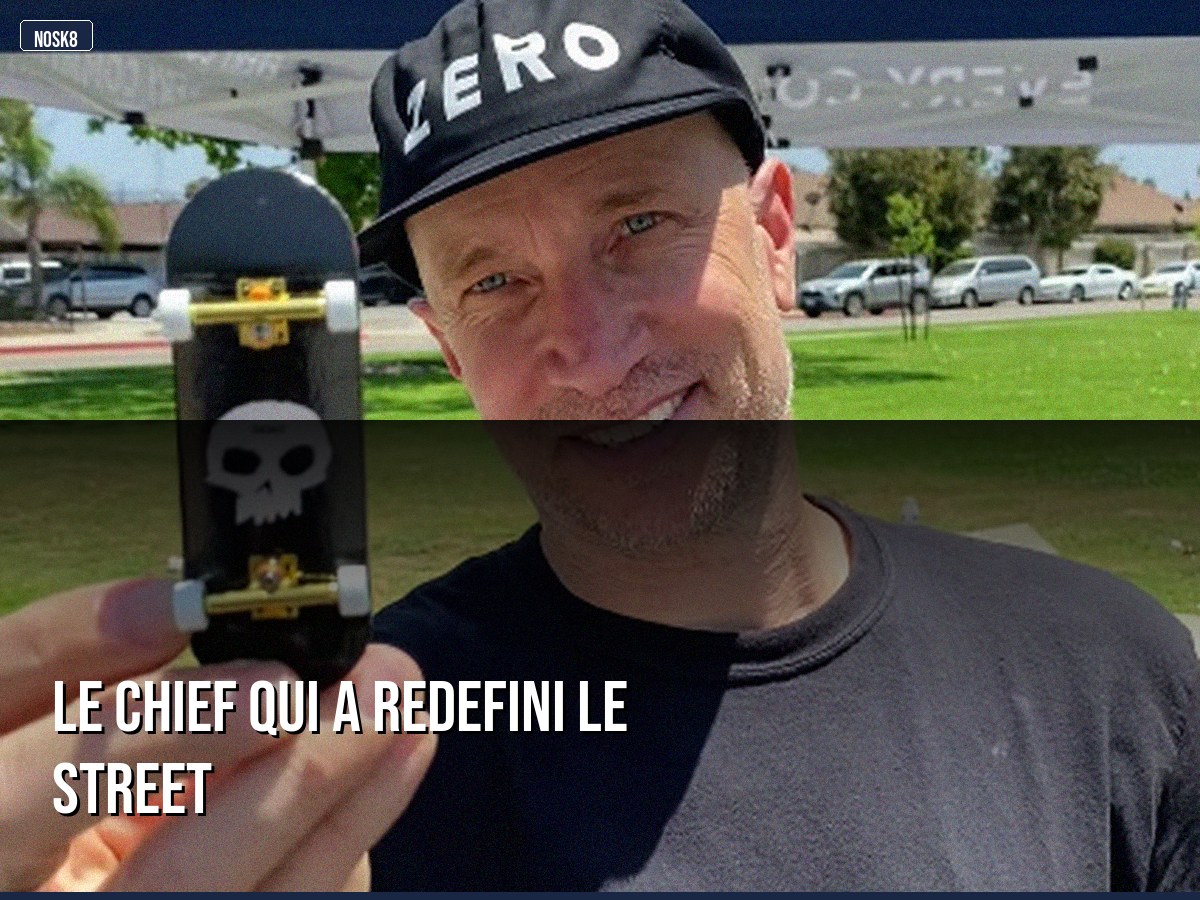
Jamie Thomas grew up in Dothan, Alabama. Not the kind of place where you're taught to dream big. He learned skateboarding alone, without a crew, without a legendary spot nearby. What that gave him was a hunger that the guys from San Francisco or Los Angeles never had to develop in the same way.
He joined Toy Machine in the early 90s, under Ed Templeton's wing. The crew was artistic, weird, a bit punk. Thomas absorbed everything — video as narration, the board as a manifesto. But something didn't click. His skateboarding, it was visceral. Brutal. He wanted scary spots, not boards with conceptual paintings.
In 1996, at 22, he left. No safety net. No deal waiting. Just the conviction that someone had to create a brand that felt like what skateboarding had always made him feel in his gut.
Welcome to Hell — The Film That Changed the Rules
Carrière
- 1996
 Toy Machine"Welcome to Hell" part: he bombs a massive stair set, again and again, the falls left in the edit. He wants you to see the cost.
 - 1999
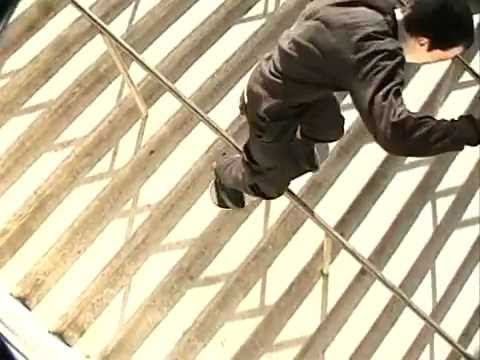 ZeroHe'd left everything to found Zero. "Misled Youth" gives shape to his philosophy: no compromise, no excuses.
 - 2000
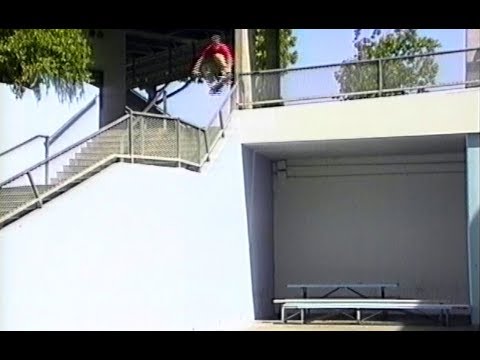 ZeroIn "Thrill of It All" he takes on the Leap of Faith at Point Loma — the most terrifying gap in skating. The attempt becomes legend.
 - 2002
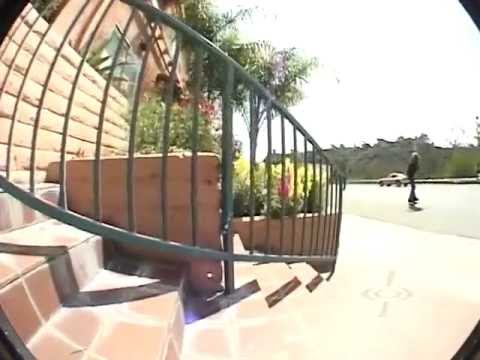 Zero"Dying to Live": The Chief at the peak of the gnarliest street. Rails and gaps no one else even looks at.
 - 2010
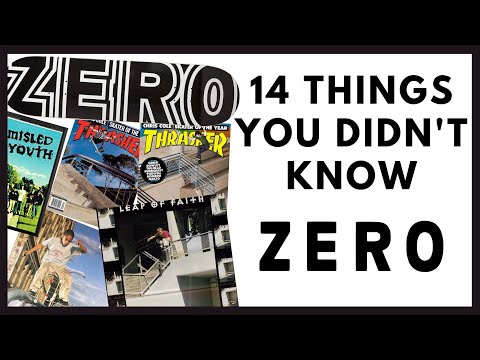 ZeroWith Black Box, Fallen and Mystery he builds an independent empire. The Alabama kid becomes one of skating's most respected bosses.
The sequence that sticks in the minds of everyone who's seen it: Thomas going down a massive stair set, not once, not twice, until he lands it. The falls aren't cut from the edit. It's a deliberate choice. He wants you to see the cost. For you to understand that the trick you're watching isn't talent — it's a decision made in pain.
The rest of the team in this film — Jamie Reyes, Rodney Mullen in an appearance — contributes to a cohesive whole. But it's Thomas who sets the tone. His part in Welcome to Hell will remain one of the ten most important parts in the history of street skateboarding, period.
The Zero Philosophy: No Compromises, No Excuses
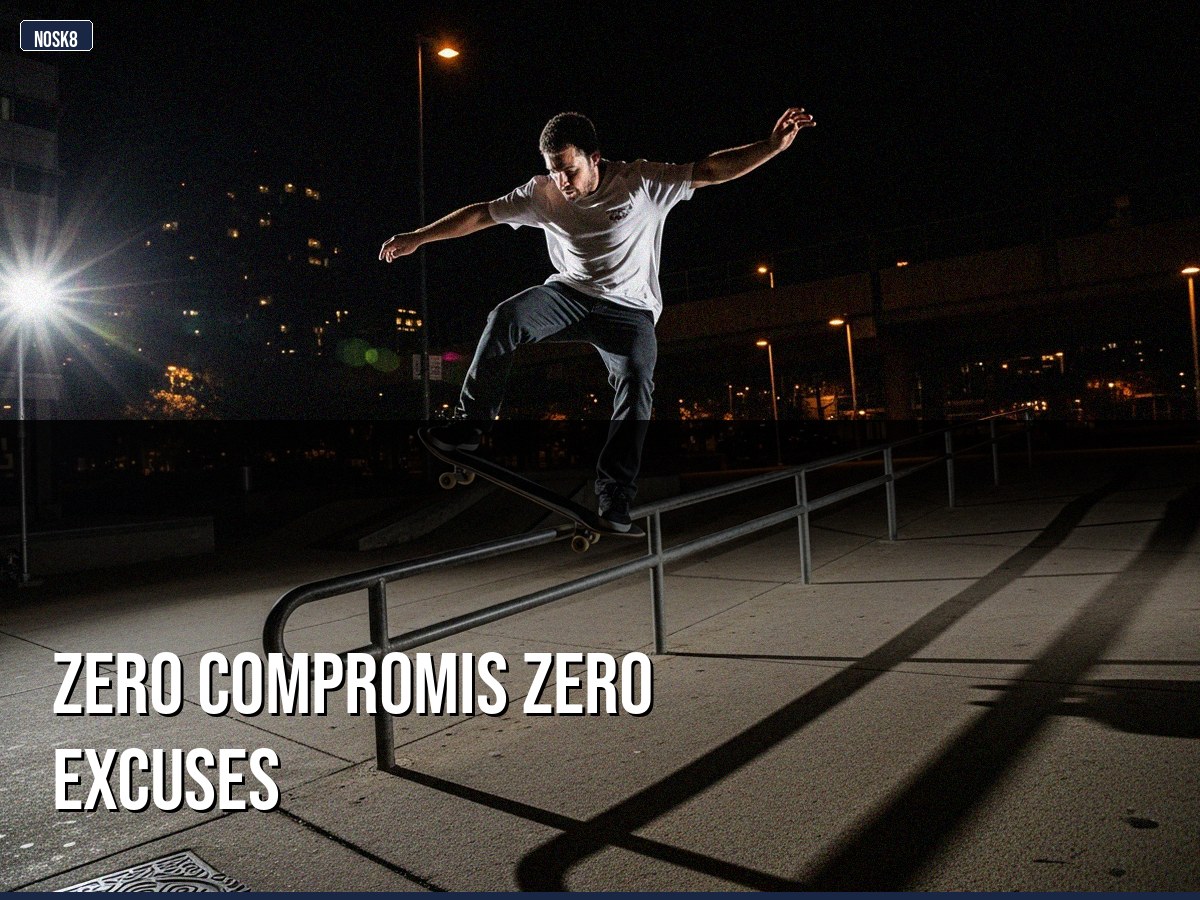
Zero Skateboards isn't a brand. It's a point of view. The name itself is a mission statement: zero compromises, zero excuses. Thomas doesn't sign riders for their popularity. He signs guys who skate as if consequences aren't part of the equation.
Thomas also co-founded Fallen Footwear in 2003 with Don Brown. Fallen shoes became the go-to gear for power skateboarding — thick sole, lateral support, designed to withstand repeated impacts on unprepared concrete. An industrial project built around the same principle: if you're going to fall, you might as well fall equipped.
In 1999, Misled Youth confirmed that Zero wasn't a fluke. In 2002, Dying to Live became the brand's absolute benchmark. Each film built on the previous one, each film rested on the same conviction: skateboarding isn't a performance. It's an act of faith.
The Legacy — Why Thomas Remains Irreplaceable
There's a precise moment when you realize what Thomas brought to the table. It's when you watch current videos and you look for that feeling. That tension before the trick. That silence just before impact. You don't find it often. Production constraints, sponsor deals, the smooth aesthetic of social media — all of that has smoothed out something Thomas had cultivated by hand.
Thomas understood before anyone else that a skateboarding brand isn't a leisure company. It's a promise. Zero promised raw truth. Thirty years later, that promise still holds. Zero decks still bear the same skull logo — simple, uncompromising, immediately recognizable at any skatepark.
Perhaps that's The Chief's most underrated legacy. Not the tricks. Not the films. But the fact that he demonstrated you could build something lasting in skateboarding without ever betraying why you started.
Jamie Thomas' Leap of Faith at Point Loma — would you have tried it? Name the spot that scared you the most. Drop a comment ↓
Follow NOSK8 where you hang out
Parts, spots, behind the scenes: it all drops on the accounts first.





Continue ta lecture
ConseilsRoulements skate 2026 : ABEC c’est du marketing — voilà ce qui te fait rouler vite
ABEC 9 sur ton roulement ? Du vent. Pourquoi les pros roulent en Bones Reds à 22 € depuis 30 ans, et ce qui compte…
Commentaires (0)