

ℹ️ 🛹 Web Média Skate 🛹 ℹ️

 Back
Chroniques · Opinion
Bigfoot Skateboard Magazine: Why X Games Pro Amy Caron Is Paying for Her Own Magazine?
Why did triple X Games medalist Amy Caron co-found Bigfoot Skateboard Magazine in 2019? Self-funding, Tokyo Olympics and a $100 GIF played a part.
125 dollars per month. According to Amy Caron, this was what we offered the best American female skateboarders in the early 2000s. In 2019, with three bronze medals at the X Games, the major US extreme sports competition, she co-founded Bigfoot Skateboard Magazine with Meghan McGuire. No investors, no big brand behind: the two women pay out of pocket.

A medal-winning pro who sells GIFs for $100 to launch a magazine? That doesn’t fit the idea of a successful career. Why impose that? The real engine dates back to 2001, and it’s named after a monster.
In this article 7 parts
- Ashland, 2001: Amy Caron and the skateboarder no one sees
- Bigfoot Skateboard Magazine: the 2019 deal
- Tokyo 2020: why Amy Caron moves now
- March 2019: the Alex White petition and the 100-dollar GIFs
- Amy Caron en 2022 : de la médaille au micro
- Bigfoot and the market: 300, 900, then 2,000 copies
- Verdict on Bigfoot: who won what?
Ashland, 2001: Amy Caron and the skateboarder no one sees
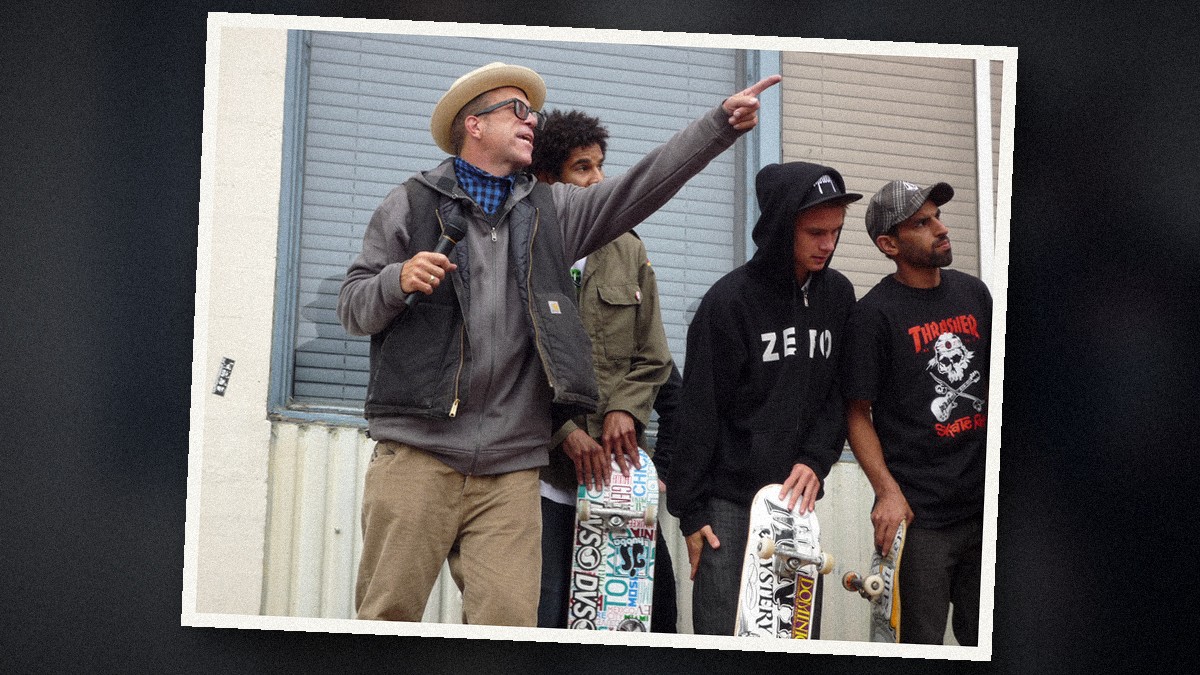
2001, Ashland skatepark in Oregon. Meghan McGuire, aka Migzy, meets Amy Caron there with Van Nguyen and Jaime Lopez during the ‘Black Eye, Please’ tour. The two become friends. One day, Caron tells her about an unknown girl from Modesto who tears everything apart, Vanessa Torres. Migzy still remembers: Caron talked as if she had seen Bigfoot, the monster of American forests.
The nickname comes from there. Skateboarders were so rare that their stories were told like apparitions. Each had her own story on Torres and the number of steps she sent.
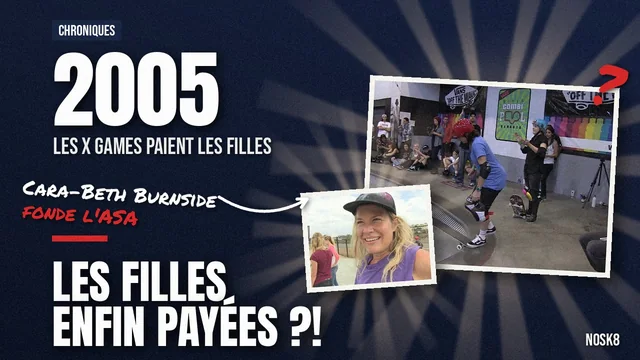
Caron, yet, wins. In February 2002 in Melbourne, at 17 years old, she takes the Gallaz Skate Jam: 2,000 dollars and a Ford Ka. Regarding salary, she recounts it laughing in her interview for Bigfoot: 125 dollars per month at Gallaz, maybe 150 l’year next. « They held us. » The guys left with pickup trucks, she with a small car with manual windows. Then came the X Games: bronze in park in 2003, street in 2007 and 2008.
The media, they barely follow. There’s an exception: Big Brother devotes 14 pages to the Gallaz tour in June 2002. Nobody had ever done it, says Caron. And then? « Female skateboarding had to take a ten-year break. » McGuire calls it « the traffic jam »: fewer categories, and in the Midwest, « no images, no media. »,
As long as others hold the microphone and the ledger, these girls remain a rumor.
Bigfoot Skateboard Magazine: the 2019 deal
Eighteen years pass. « In 2019, Amy and I decided that the time was right, » writes McGuire. The deal takes up few words. The two friends launch Bigfoot together, McGuire handles the writing, and all their pockets overflow. The magazine is « totally self-funded by Amy and me », she specifies in 2021. No amount has been made public.
The name is a double homage: to these invisible skateboarders, and to Big Brother, the magazine McGuire was reading from first page to last. Dave Carnie’s byline is one of the reasons she wanted to write.
Tokyo 2020: why Amy Caron moves now
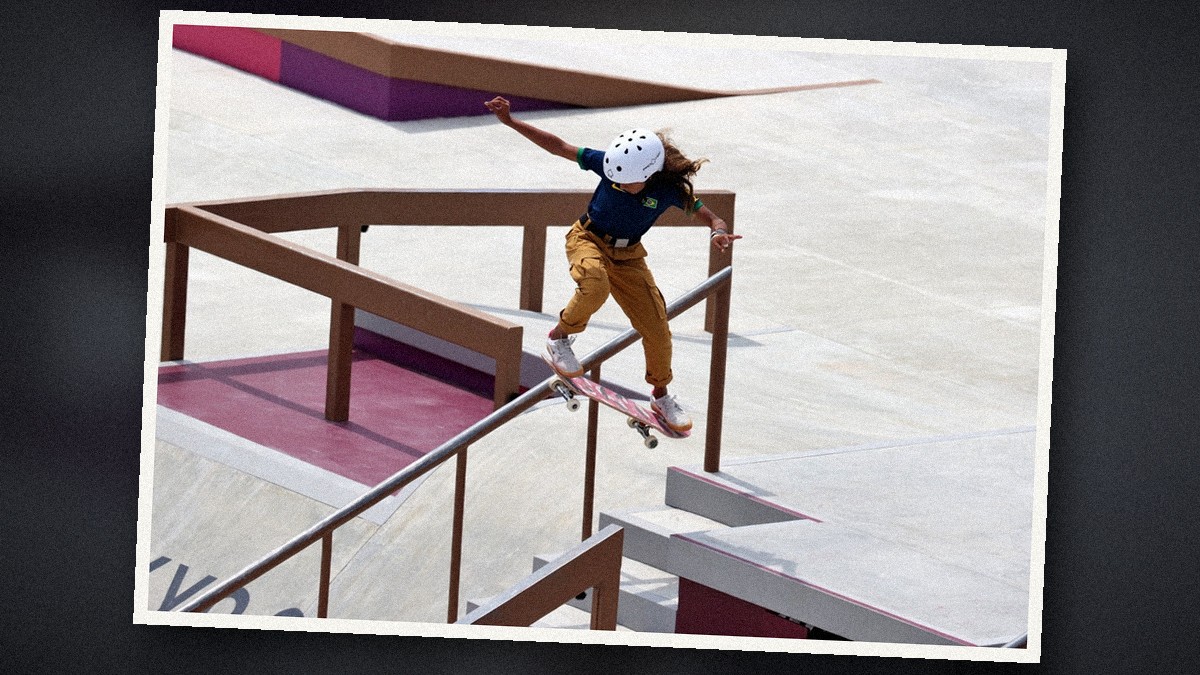
Why 2019 and not 2005? Because skateboarding was about to enter the Tokyo Olympics, a decision made in August 2016, with women’s street and park events. Skateboarders that magazines ignored would soon be seen by the whole world. Brands understood too.
Being on this world stage where we had never been, was a big opportunity to make the word pass and have our part in the story of our lives. – Meghan McGuire, Long Beach Post – 2023
The non-traditional skate, like the one called Bigfoot, starts to interest and report. If they don’t take the microphone, others will take it.
March 2019: the Alex White petition and the 100-dollar GIFs
The first fight starts right away. In March 2019, Caron and McGuire launch “Alex for Olympics”. They want pro Alex White to commentate skating for NBC in Tokyo. They collect over 1,200 signatures at the Vans Pool Party. White doesn’t get picked. Round one, lost.
Behind the scenes, we’re tinkering. In June, Bigfoot offers three custom GIFs for 100 dollars and funds its launch that way. Then COVID kills the momentum. The project refocuses on a website and on print. Issue 1 drops in August 2021, 300 copies, and the demand forces a reprint.
Amy Caron en 2022 : de la médaille au micro
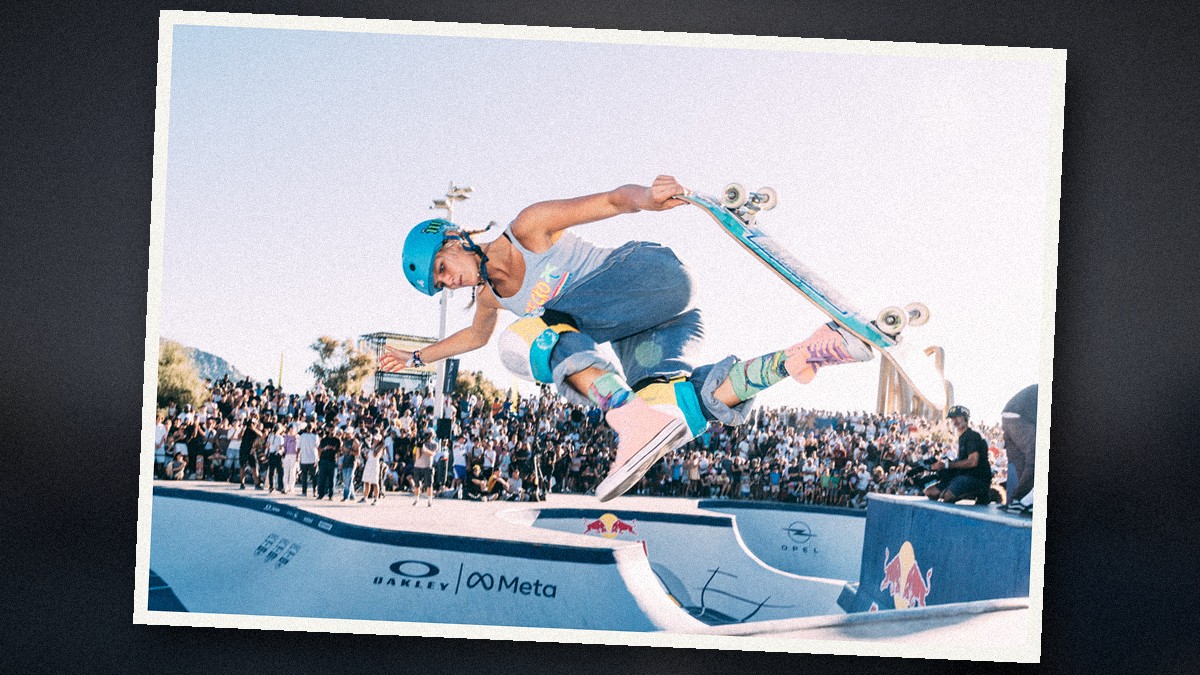
Career-wise, Bigfoot didn’t bring Caron a medal or any known contract, but it did give her another role. In issue 3, she switches sides of the mic and interviews Minna Stess, 16 years old. The former child prodigy asks the questions to the next one.
In 2022, at the benefit jam set up to print this issue, she sings on stage with Bryce Wettstein. The night raised $555. A triple medalist singing to pay the printer: it’s kinda sad. Or see a pro who decided her story was worth that prize.
Bigfoot and the market: 300, 900, then 2,000 copies
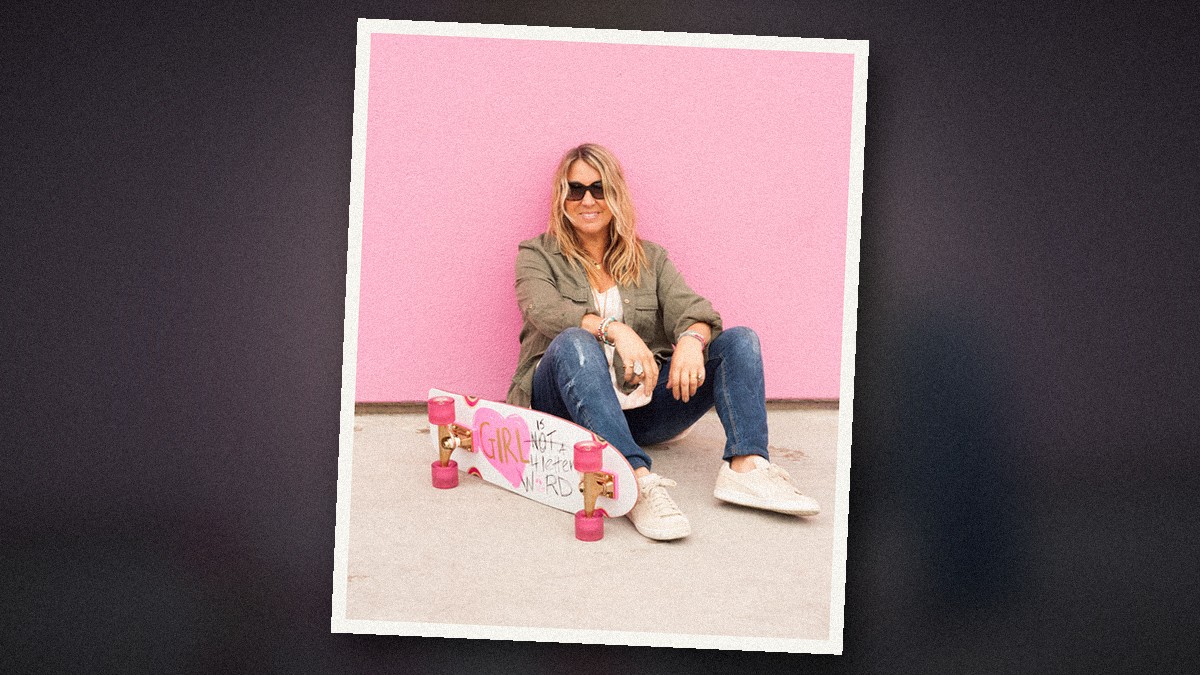
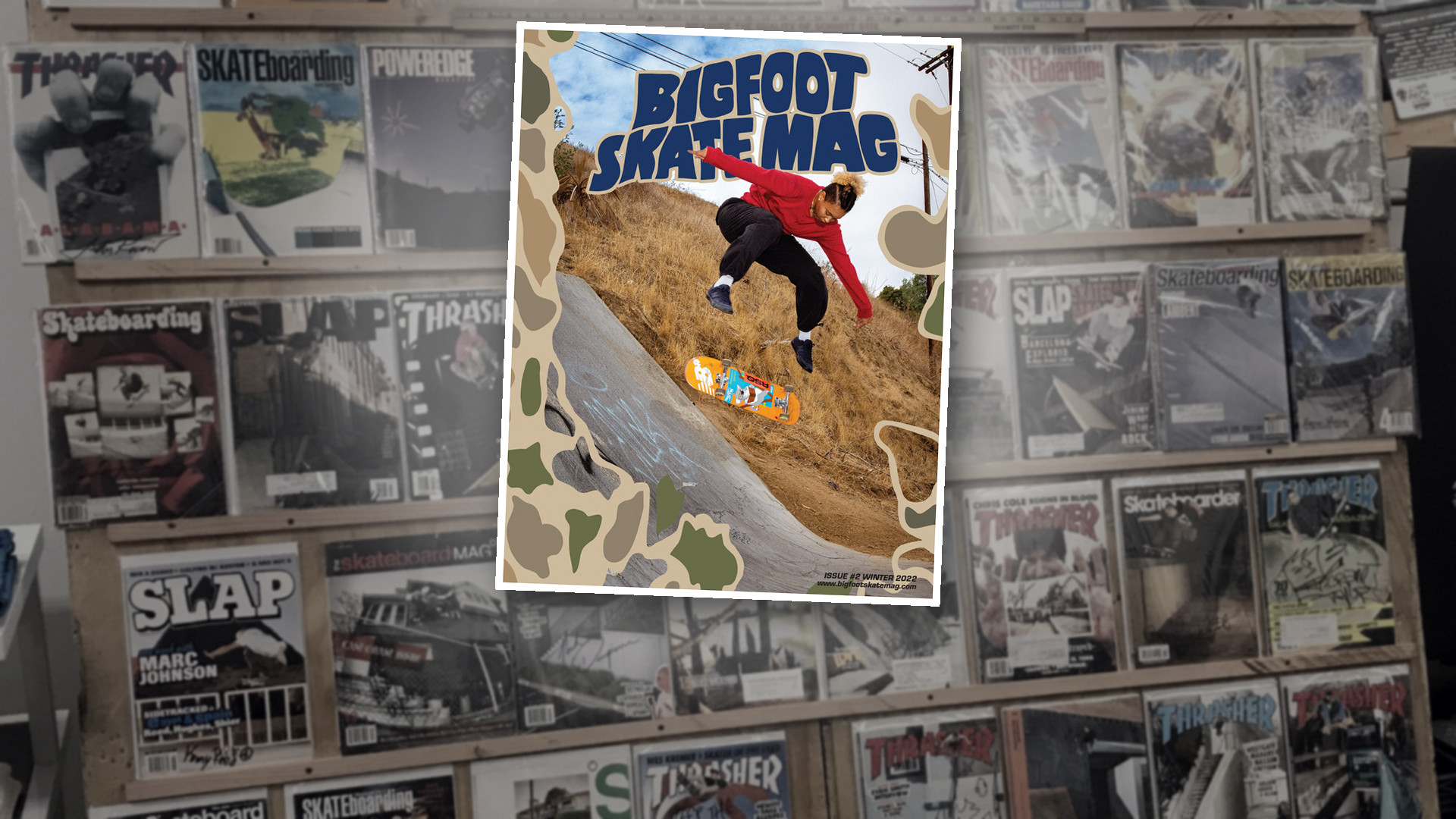
The numbers are rising. Number one starts at 300 copies, with a minimal margin: 5 dollar printing, 3 dollar shipping, and 5 more to make the title. Number two, released in March 2022, sells 900, placed in shops in Seattle, Philadelphia or Vancouver. Number three aims for up to 2,000. In 2023, the site runs around 20,000 visits per month. C’est minuscule, but it proves that the audience exists.
Except accounts are not following. At the beginning of 2023, McGuire asks for 5,000 dollars on GoFundMe and collects 3,855 at the release of the Long Beach Post investigation. « I have exhausted all my resources », she says. The video at the top of this page, is the Slam City Jam 2003 filmed by McGuire and released from the drawers in 2021.
Verdict on Bigfoot: who won what?
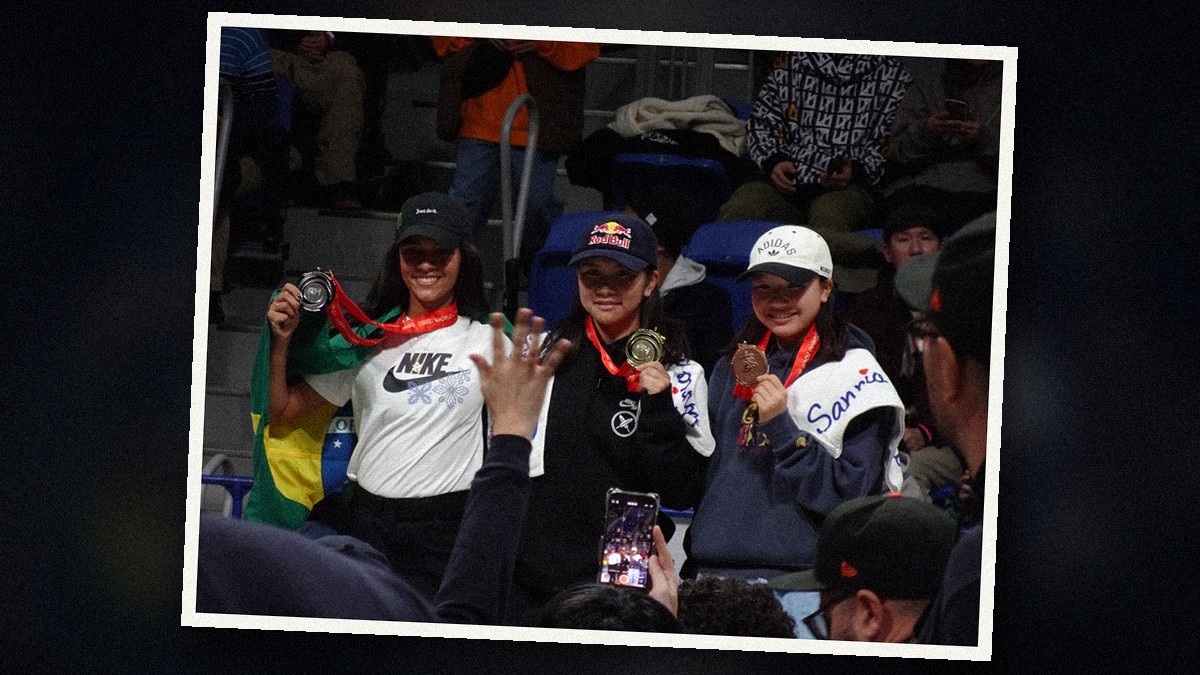
Then, why does an X Games pro start her own magazine? Because nobody else was going to tell their story. When she won, the big headlines didn’t really cover it. And when the JO put the spotlight on women, that narrative risked falling into other hands. Bigfoot is about taking a microphone.
On money, nobody won: the project runs on self-funding, GIFs and donations. The offer was $125 a month to skate on someone else’s market. In 2019, the cost lands on whoever keeps their own running. On Alex White, they lost. On the story, they won. The skaters of the early 2000s have their archives and their names in print, written by the people who were there. Elissa Steamer got a video game for that. The others got Bigfoot.
Yesterday, a kid who types ‘Vanessa Torres’ finds images. In 2001, you had to cross the right person in a skatepark to hear his name. It might be that this is the real return on investment.
If you were launching your own mag tomorrow, which forgotten skater would you put on the cover of issue 1? Drop it in the comments ↓
Continue ta lecture
Chroniques100 planches parties en 49 secondes : pourquoi P-Rod a monté Primitive au lieu de signer ailleurs ?
P-Rod n'a pas été signé par Primitive : il l'a fondée. Une boutique en 2008, une marque de planches en 2014. Ça change tout au…
Commentaires (0)