
ℹ️ 🛹 Web Média Skate 🛹 ℹ️

Chroniques · Opinion
Skateboarding Is Doing $1.1 Billion — And Your Shop Is Closing: Who's to Blame?
Trois skateshops indépendants ont baissé le rideau en six mois pendant que le marché du skate signait ses meilleurs chiffres. On a lu les dossiers : voilà où part l'argent, et qui décide vraiment.

→ Pour aller plus loin : Thames : comment un devoir d’arts plastiques de Blondey McCoy est devenu une marque culte ?
On June 18, 2026, a company founded in 1997 filed for bankruptcy in a Colorado court. 303 Boards, three decades of skateboarding in Denver, a wall of decks that generations of kids stared at and dreamed about. In the filing: over $705,000 in debt, roughly $85,000 in assets. Eight times more hole than there was money in the register.
The month before, they'd shut their Boulder store after seven years. Their president, Sam Schuman, went public to say out loud what everybody in the industry says in private: a neighborhood shop can't fight this anymore. And while he was writing that, the skate market was posting its best numbers in years.
$705K in debt against $85K in assets: the filing that made it click

The detail that matters in that filing isn't the number. It's the list of creditors. At the top: Shopify Capital, PNC Bank, Fenix Capital Funding. Not brands. Not a single deck supplier. Lenders.
Translation: the shop didn't drown buying too many boards. It drowned borrowing to cover cash flow between seasons. You buy your summer stock in March, you sell it in July, and in between you're paying rent, power, payroll. That gap has to be financed. And financing costs.
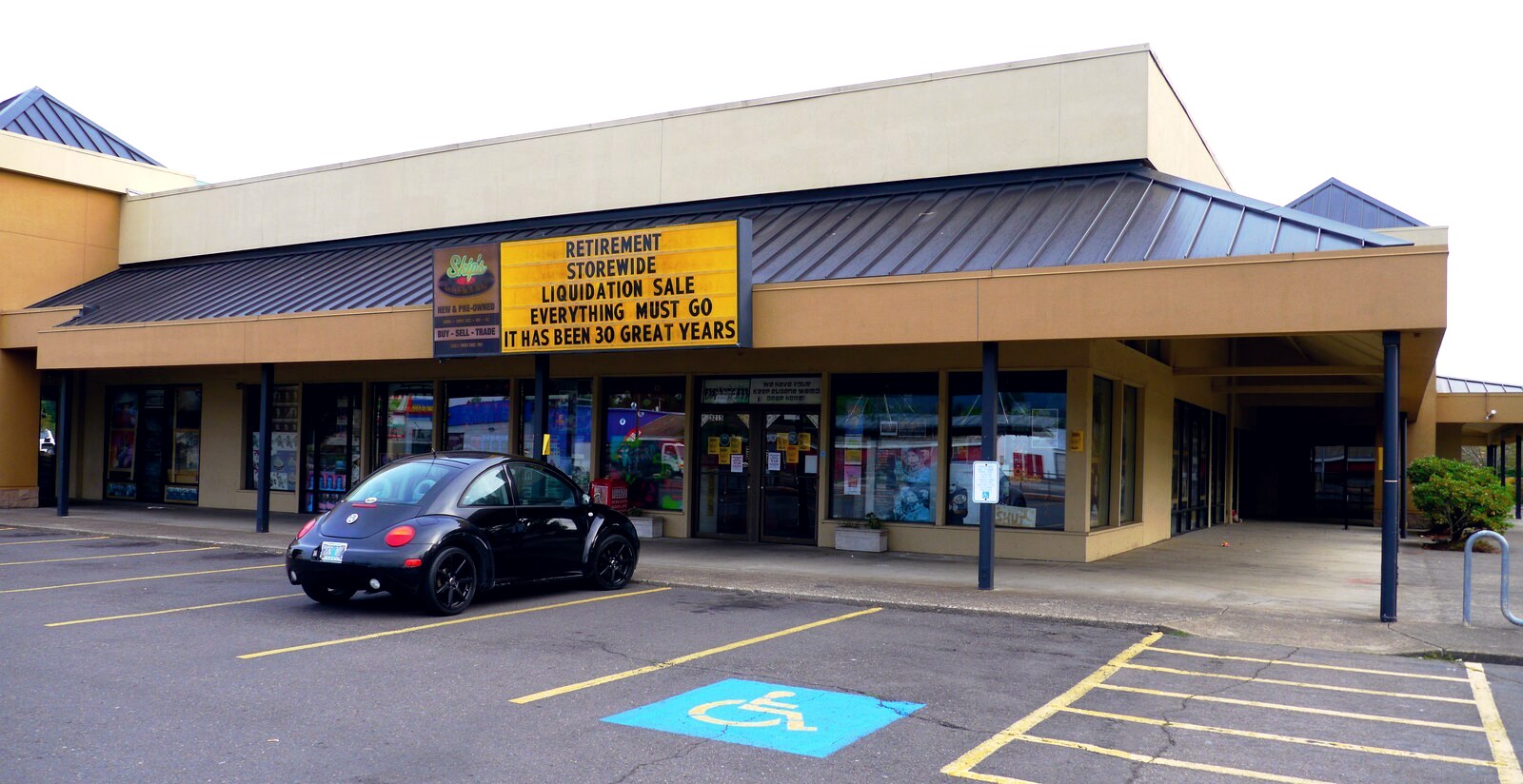
To be exact, 303 Boards isn't gone: two stores are still standing in Denver, plus the website. But when a shop that's been around since 1997 ends up in Chapter 11, that's not a one-off accident anymore. That's a symptom.
They didn't sink buying too many boards. They sank borrowing to make it to the next season. — What the filing says, line by line
You still remember the smell, though. Fresh grip laid out on the counter, the blade tracking the edge of the deck, that sandpaper sound as somebody rubs the corners smooth. The bearing rack behind the register. The TV mounted too high, running the same part it's been running for six months. And the dude going "yo, the new Baker came in" when you only walked in for hardware. We didn't go to the shop. We hung out there.
January, March, June: three gates pulled down in six months
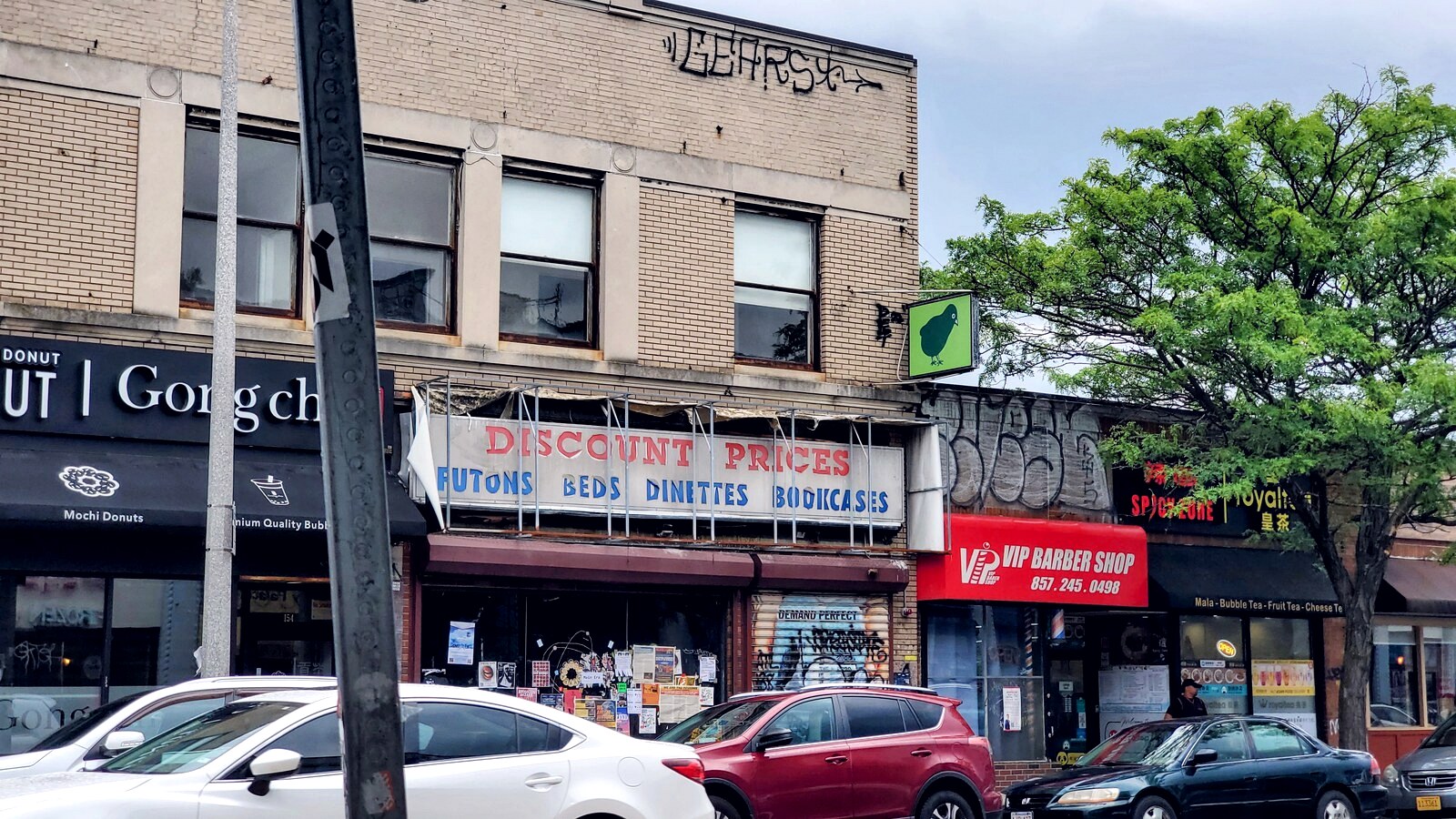
January 2026: First Gear Skateshop announces it's closing for good. Family-run. The owners' post says exactly this: "shifts in the industry, economic pressure and the rising cost of a brick-and-mortar store." Three causes, and not one of them is a lack of customers.
March 2026: Coast Skate pulls the gate down after twelve years. Peter and Renee, who ran it, explain they've been working six days a week and they're cooked. No severance plan, no buyer. Just two people who are done.
Same month, over in France, L'Appart Skateshop posts its own closing announcement on Instagram. The format's always the same: a long caption, a round of thank-yous, a photo of the crew behind the counter. It reads like a letter. It is one.
Three cases in six months, on two continents, and the same line keeps coming back word for word: it wasn't the passion that gave out, it was the math.
$1.1 billion worth of skateboarding sold — just not by them
Here's where it gets genuinely infuriating. Industry figures reported in June 2026 by ShreddER put skate and surf wholesale sales north of $1.1 billion for 2025, up sharply. Skateboarding has never sold this much.
Over at Zumiez, the publicly traded chain, Q3 2025 shows $239.1 million in sales against $222.5 the year before. Net income: $9.2 million, up from $1.2. Over Black Friday weekend, +8.7%. The CEO talks about "full-price selling" and says hardgoods — decks, trucks, wheels — are picking back up worldwide.
So the demand is there. Kids are buying boards. This isn't a skateboarding crisis, it's a cash-register crisis: the money's moving, it just doesn't stop at the neighborhood shop's counter anymore.
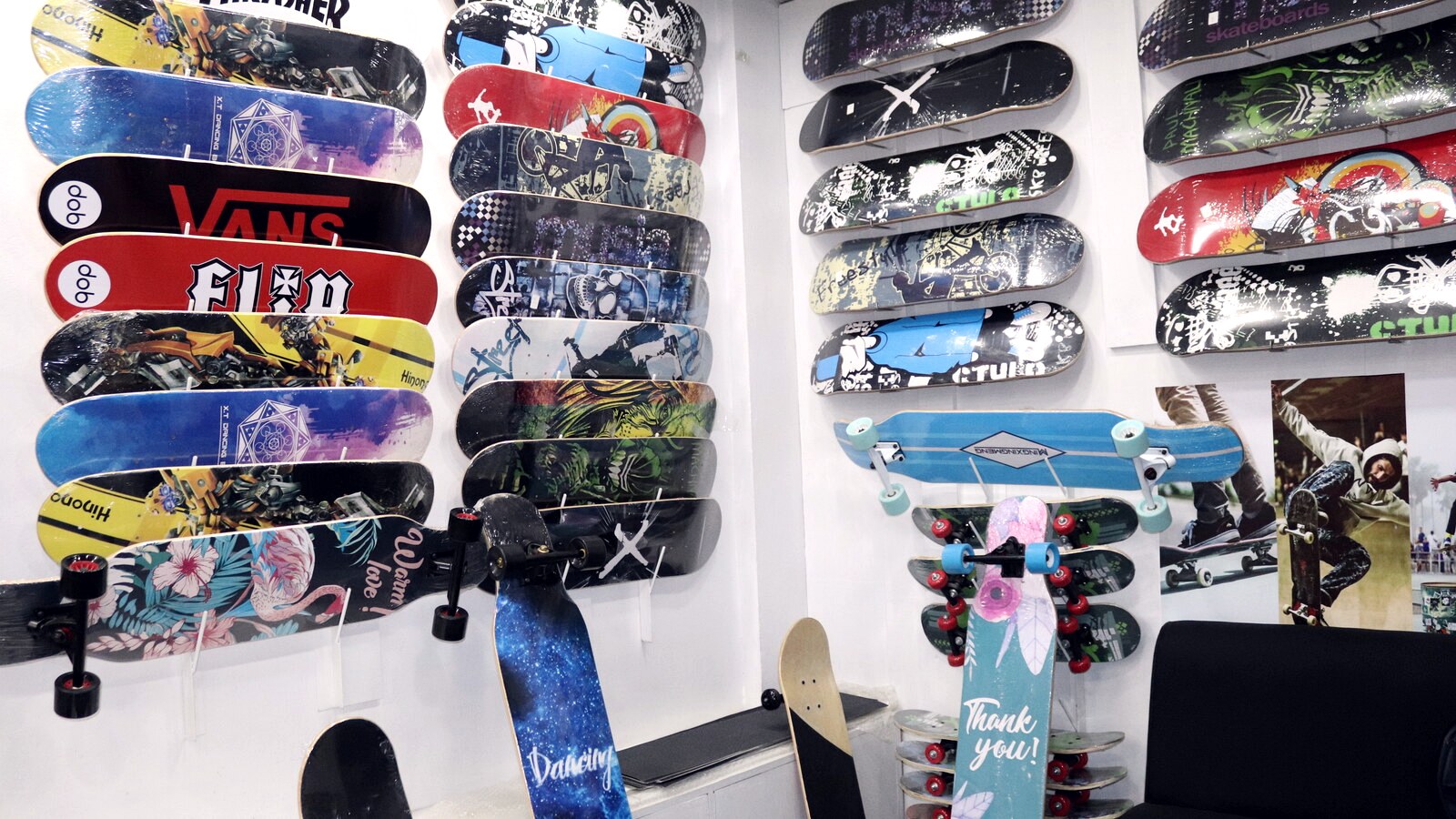
Run the numbers yourself. A wall of sixty boards at €70 a pop is over €4,000 of merchandise hanging on nails, paid for up front, earning nothing as long as it's on the wall. When you know a complete setup runs €217 today, you get why a shop has to move a serious amount of gear just to cover rent before it pays itself.
This isn't a skateboarding crisis. It's a cash-register crisis. — $1.1 billion sold, three shops closed
The shoe moved aisles — and that's what buried them
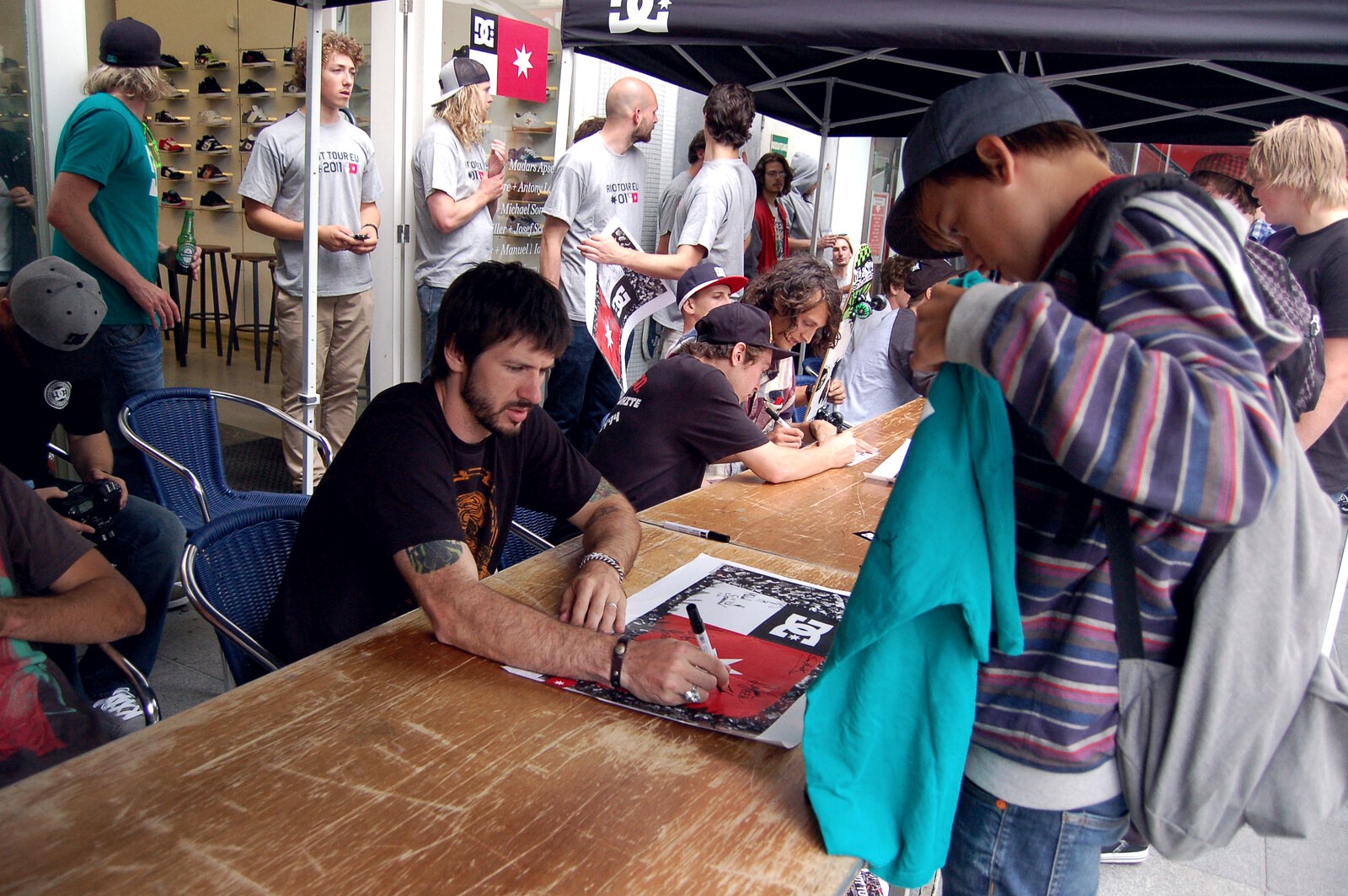
In April 2026, Don Brown — thirty years in the skate shoe industry, now at Nidecker — laid out the diagnosis with no frills. It used to be that skate shoes were made by brands built by skaters, and they sold in skate shops. Period. Today the market belongs to the swoosh and the three stripes, and their models sit on the shelf at any sporting goods store.
And shoes are where the shop's margin lives. A deck brings in little and wears out fast. A $100 pair, or €140 like the Old Skool 36 Souvenir — that's what pays the power bill. The day a kid buys their pair in three clicks on the brand's own site, or at the mall, the shop loses its most profitable product and keeps the least profitable one.
Braydon Szafranski was already saying it back in 2025, in his own way: "kids today don't even know what a skate shop was." He described walking into a store and not recognizing a single brand on the wall. Everything shows up in the mail. There's no reason left to push the door open.
So who's to blame: four culprits, and the fourth one looks a lot like you
We promised an answer, so here it is, heaviest to lightest.
One: brands selling direct. They're the ones who created the most unfair competition there is — they set the wholesale price the shop pays, then turn around and sell to that same customer at retail, with no rent and no staff to cover. Some of them have figured it out and are trying to fix it: on February 21, 2026, Nidecker straight-up shut down the etnies and Emerica websites for the entire day of Skate Shop Day to push buyers back into stores. A rare move, and one that tells you everything about the problem.
Two: the shoe going mainstream. The day a skate shoe became a fashion product sold everywhere, the independent shop's business model went under the waterline. It's not a betrayal, it's a market. Doesn't make it any less fatal.
Three: the cost of the store and short-term credit. Rent, utilities, inventory paid up front, six days a week. Then Shopify Capital and friends to plug the gaps. In the end, the shop is working to pay off its own cash-flow gap.
Four: you. And here we're not going to pretend. You go see the board in person, you pick it up, you ask the guy behind the counter what he thinks, then you go home and order it for €8 less off a German website. It's called showrooming, it happens in every kind of retail, and in skateboarding it ends with everything we just described. Nobody's going to judge you over €8. But the bill came due.
What this actually costs you
With no shop in your town, you lose four very concrete things, and none of them can be bought back online.
Grip laid down right and trucks tightened properly before you walk out. The no-questions-asked swap when your deck goes sideways after three sessions. The guy who tells you "don't take that board, take this one, you're too heavy for that mold." And the corkboard by the register with flyers for the Sunday session, the local contests, the dudes looking for a filmer.
Lose that and what's left is a catalog. A catalog doesn't hook you up with the crew that skates three streets over. It doesn't sponsor the 14-year-old from the neighborhood. It doesn't lend a T-tool to somebody who just snapped a truck.
And there are still shops out there. Plenty of them. Shops hanging on because they gritted their teeth, built a repair bench, put a bowl in the back, or started their own deck brand to stop depending on the big guys. Skate Shop Day has been around since 2019 and runs every February. It's not some nostalgia thing for old heads: it's the one day a year part of the industry publicly admits where it came from.
What comes next is painfully simple: when the shop closes, the next meetup gets organized on Instagram, the next board gets bought off a photo, and the next kid starting out ends up alone with a badly set-up deck. We've seen how it goes when attention shifts entirely to the screen: it works, but it doesn't replace anything.
So yeah, the blame is shared. But of the four culprits listed above, there's exactly one you have any control over. Your next pair, your next deck: buy them at the counter, even if it costs you €8 more. That's the price of a place that's still there when you push the door open.
Still a skate shop in your town, or did it close? Drop the name, we'll go check it out. Tell us in the comments ↓
Follow NOSK8 where you hang out
Parts, spots, behind the scenes: it all drops on the accounts first.
Le lexique
-
1
hardgoods
Le matériel dur d'un skate : la planche, les trucks, les roues et les roulements, par opposition aux chaussures et aux vêtements.
-
2
showrooming
Aller voir et essayer un produit en boutique, puis l'acheter moins cher en ligne juste après.
-
3
prix de gros
Le prix auquel un magasin achète un produit à la marque, avant de le revendre au public avec sa marge.
Continue ta lecture
TricksRock to fakie : 4 phases, une seule où ton poids doit basculer — laquelle ?
Le rock to fakie bloque tout le monde au même endroit : le coping. Les 4 phases du trick, les 4 chutes classiques, et l’instant…
Commentaires (0)