
ℹ️ 🛹 Web Média Skate 🛹 ℹ️

★ Conseils
Skater in the Rain: What It Really Destroys on Your Board
Roulements, grip, plateau : trois pièces boivent l'eau quand tu rides sous la pluie. Deux se rattrapent. La troisième garde la trace de chaque averse.

→ Pour aller plus loin : Monter son skate soi-même : 8 vis, 8 roulements, et l’écrou que tout le monde serre trop
Level: Beginner
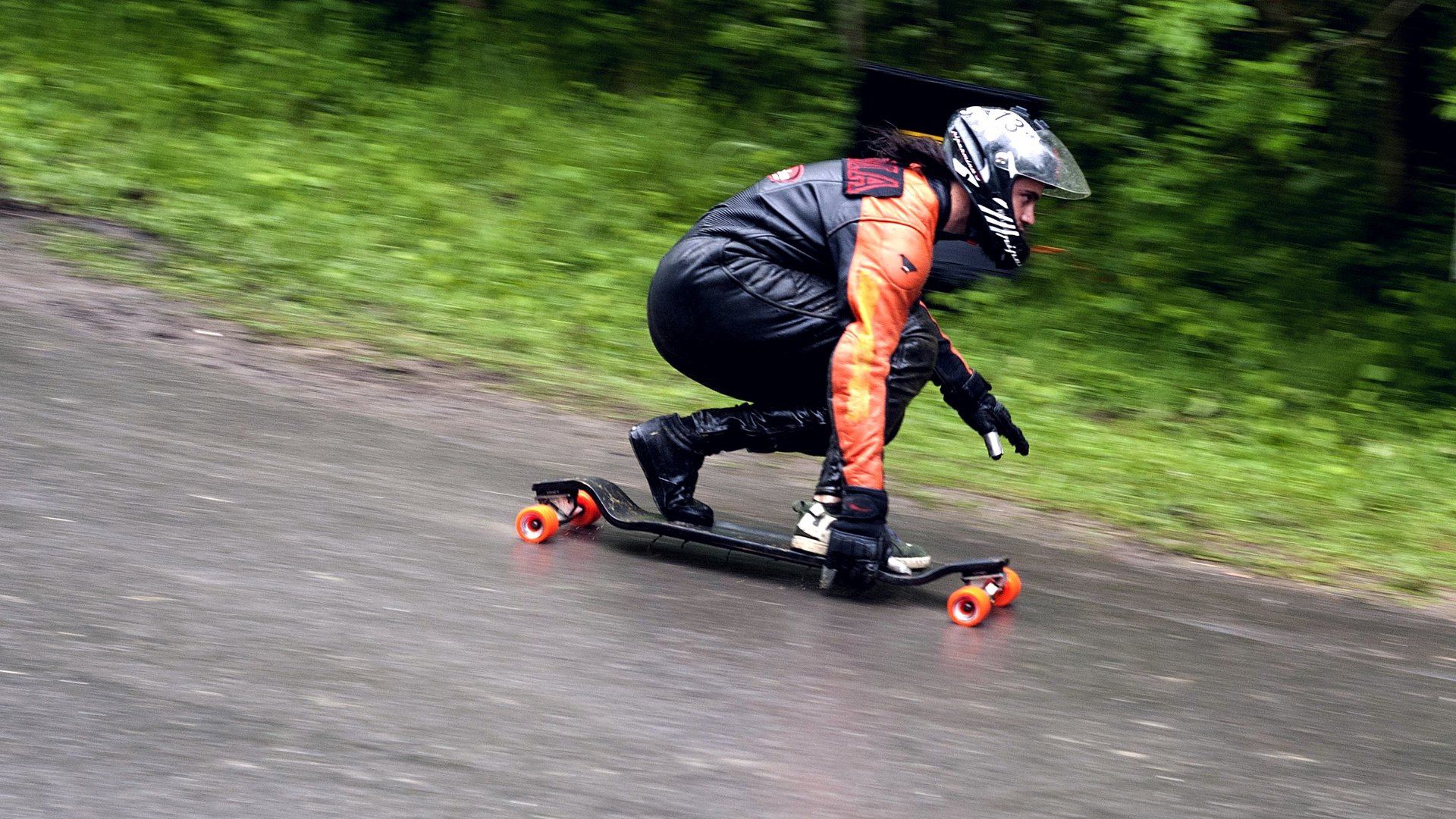
It rained all night. You still took the board out, shredded for an hour on the wet asphalt, and now it's drying against your bedroom wall. It looks normal. But you hear a little squeak you didn't hear yesterday.
Skating in the rain, everyone eventually does it. The real issue is figuring out what took a hit. Because on a board, three parts drink up water: the bearings, the grip, and the deck. And they don't react the same way at all.
Only one of them doesn't forgive. We'll get there. First, what goes down in the first few hours.
Avoid the Classic Mistake
Leaning a wet board against a radiator or blasting it with a scorching hairdryer. Fast, hot drying warps the deck and makes the glue between the wood plies let go. You think you're saving it, you're killing it.
Bearings: rust hits in a few hours

Bearings are those little round things hidden inside your wheels. Eight steel balls spin inside, bathed in grease. Water does two things: it washes away the grease, then it attacks the steel. Bones, the bearing brand from Powell Peralta, the one from Tony Hawk's Bones Brigade, spells it out straight in their maintenance guide: water rusts your bearings.
The signs don't lie. The wheel stops almost immediately when you flick it with your hand. It makes a dry sound, like sand. Good news: at this point, you can salvage it. Here's the order to follow that very evening.
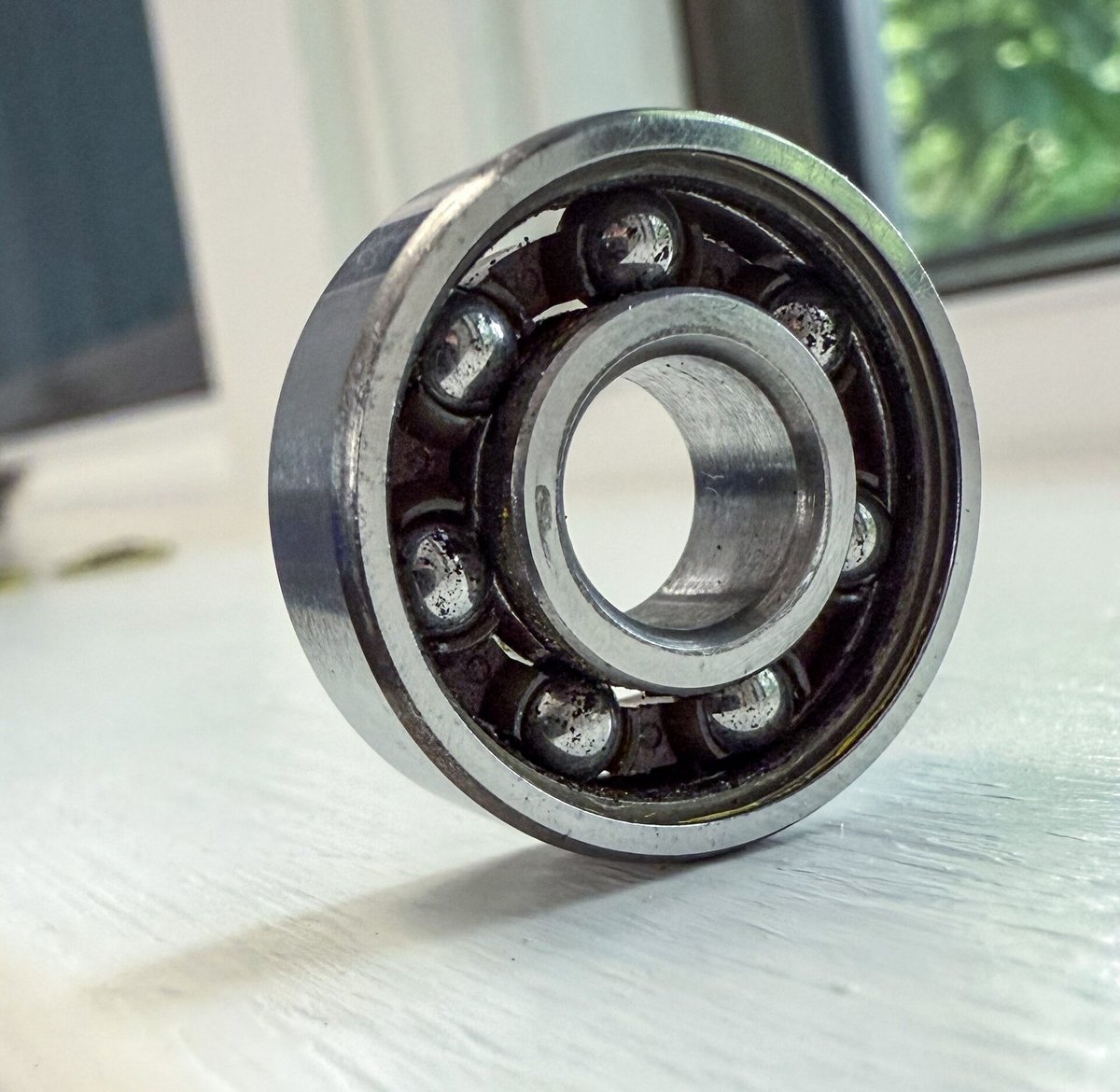
- Pop the bearings out of the wheels: Take off the axle nut, use the truck axle as leverage to pop 'em out. No special tool needed.
- Clean with a solvent, never water: Rubbing alcohol or bearing cleaner. If you use anything water-based, Bones says dry that shit immediately.
- Air dry, no heat: Lay 'em out on a rag for an hour. Give 'em a spin to clear out any leftover liquid.
- Drop some fresh lube in: Two drops per steel bearing, just one for Swiss Ceramics, according to Bones. Don't overdo it or it'll just trap gunk and dust.
- Never add oil to a dirty bearing: That just pushes the grime even deeper inside. Clean first, always.
- Still rusted out after all that?: They're toast. A fresh set is 15 to 20 bucks, easily the cheapest part of your setup.
Trucks and hardware: mostly rust for the gram
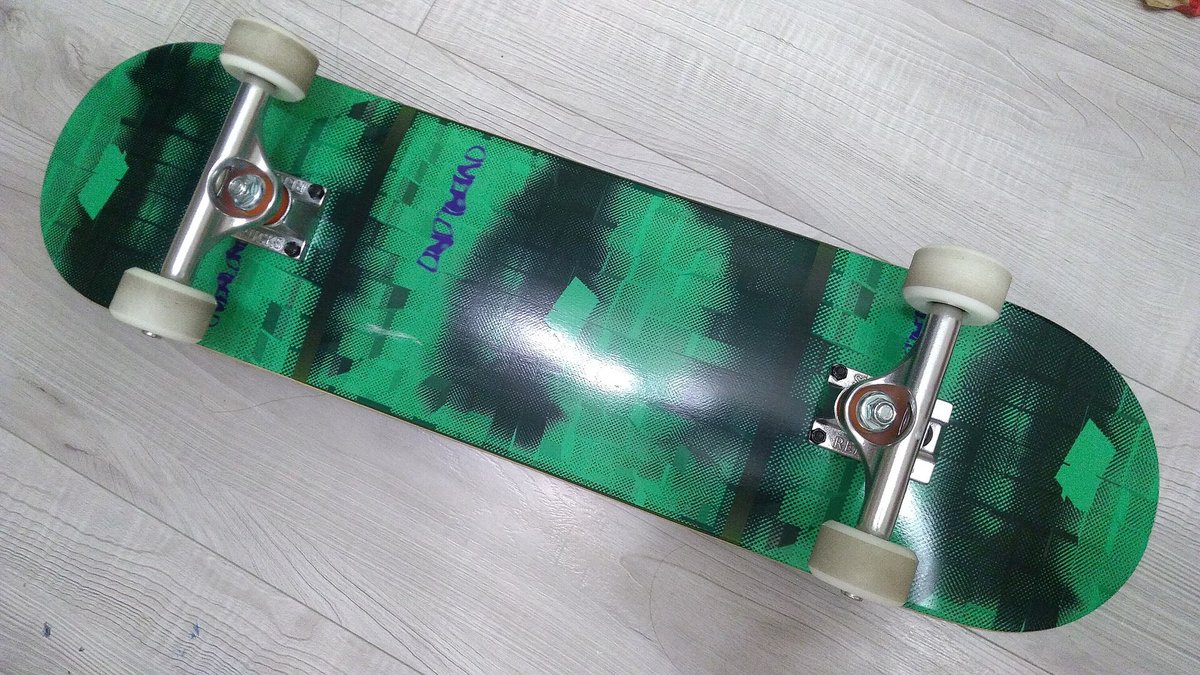
Trucks are solid chunk of metal. Getting caught in the rain just leaves little orange spots on the axles and bolts. As the UK site Skate MCR out of Manchester—a city where it pours more often than not—puts it simply: it's mostly cosmetic.
Two spots still deserve a quick look. The kingpin, that big central bolt holding your bushings together. And the threading at the ends of the axles where you tighten your wheel nuts. If it feels stiff when you're tightening things down, a wire brush and a drop of lube will sort it right out.
Pro Tip
When you get home, wipe down all the metal with a dry rag and leave your board standing upright at room temp. Not zipped up in a bag, not baking in the sun, and not right up against a heater. Just overnight in the open air does the trick.
Grip tape: it dries out, but it can peel
Grip tape is that sheet of sandpaper glued to the top deck. When it's soaked, it loses its bite: your feet slide around easier, and that's usually how you slam. Once it dries up, it bounces back with almost all its flick intact.
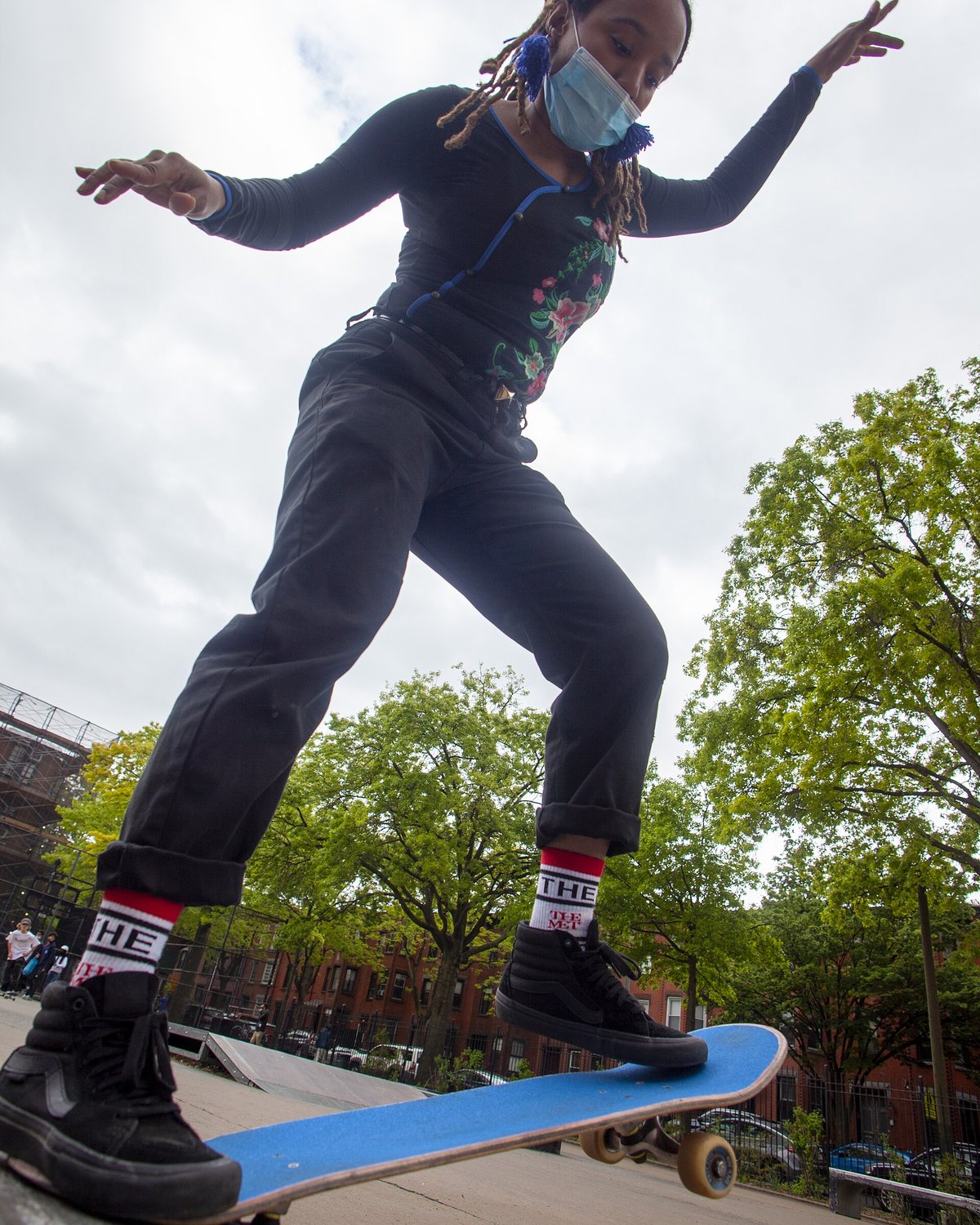
The real issue is the glue underneath. After taking a few baths, air bubbles pop up and the edges start peeling. It never sticks right again. But fresh grip is cheap, and you can slap a new sheet on in about fifteen minutes using our guide on how to grip a board without bubbles. Totally fixable.
Except there's one detail most people sleep on: grip tape doesn't actually protect the wood. Water seeps right through it and in through the edges of the deck. Which brings us to the one part you can't save.
The Deck: why skating in the rain kills your pop
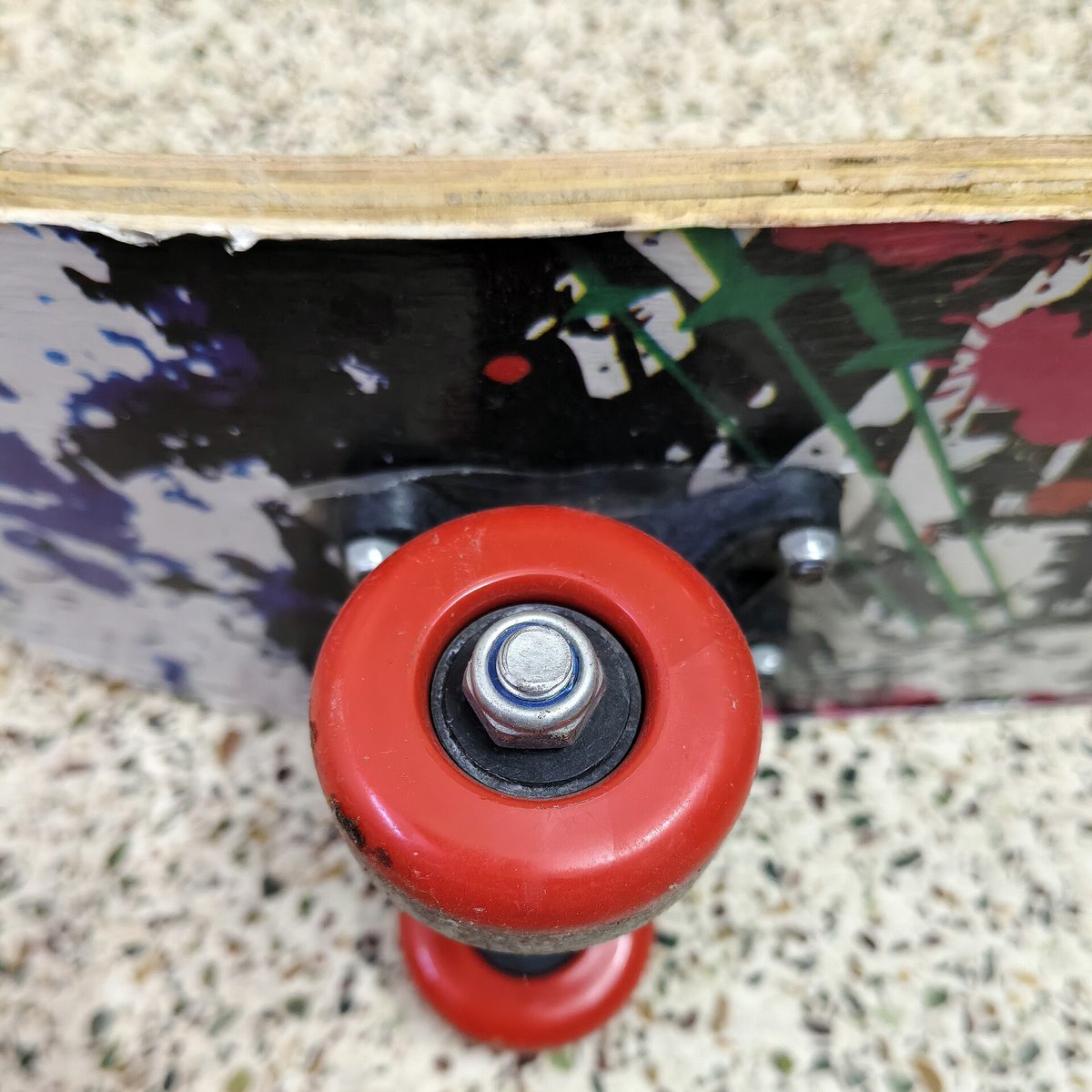
A skateboard deck isn't just a solid chunk of wood. It's usually seven thin plies of maple, glued and pressed together, as Wikipedia's Skateboard article points out. That sandwich is what gives you your pop—that snappy crack when you slam the tail down for an ollie.
Water creeps in through the edges, chips, and right through the grip tape. It swells the wood up. Skate MCR lays out what happens next with no sugarcoating: the pop goes dead, and after taking too many soakings, the plies start separating. That’s what we call delam.
There’s your straight answer. Bearings are shot in a single night. Trucks don't give a damn. Grip tape costs ten bucks to replace. But the deck takes the hit from every downpour and never fully bounces back. Once it dries out, you can still roll on it, but that lost pop ain't coming back, and a delaminated deck is straight trash. The only move that actually works is drying it out fast and slow, out in the open air, within 24 hours.
Burnside, Portland: A Park Built Under a Bridge to Escape the Rain
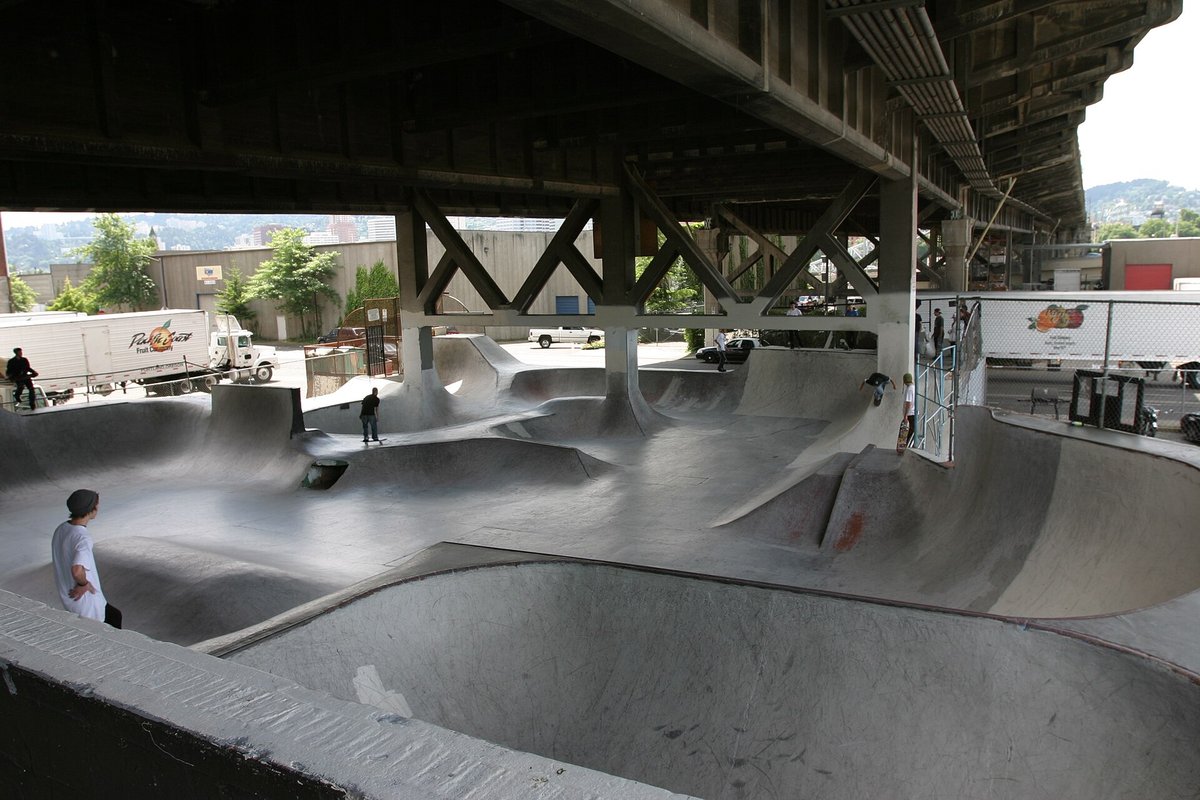
Out in Portland, Oregon, it rains for a good chunk of the year. Back in 1990, skaters found a workaround: they poured concrete under the east end of the Burnside Bridge without asking anybody for permission. The Burnside Skatepark opened up on October 31, 1990, with one simple idea: skate all year long, stay out of the wet.
That lesson still holds up. When it starts pouring, go find your own Burnside: a parking garage, a bridge underpass, an indoor skatepark. You save your session and your deck. That’s the only armor that never fails.
FAQ
Is a single session in the rain enough to snap my board?
Nah. If you dry it off well that same night, a wet session won't do much damage. It's repeated soaking that makes the wood swell up and the plies delaminate.
How do I know if my deck has water damage?
It feels heavier, the pop sounds dead instead of crisp, and the tail feels mushy. If you see the plies separating on the edge, that's water damage: time for a fresh setup.
Do ceramic bearings handle rain better?
Ceramic balls won't rust, but the rings around them are usually still steel. They need the same drying and lube routine after catching some rain. For beginners, they're definitely not worth the price tag. Our bearing maintenance guide breaks down the rest.
Can I skate on just damp ground?
You can, but your wheels lose a ton of grip and you might sketch out on turns unexpectedly. Steer clear of puddles, manhole covers, and painted crosswalk lines—they're slick as ice.
The rain won't wreck your board all at once. It slowly kills the wood session after session. Dry it off, keep it clean, and save your best sessions for dry days. Drop a comment and tell us what the rain has cost you so far.
Keep shredding.
Ever lost your board's pop to a sudden downpour ? Drop how many sessions it lasted. Let us know in the comments ↓
Le lexique
-
1
pop
Le claquement nerveux de la planche quand tu tapes l'arrière pour sauter : c'est lui qui fait monter un ollie.
-
2
kingpin
Le gros boulon central du truck qui tient les gommes et règle la souplesse des virages.
-
3
délaminage
Quand les fines couches de bois collées du plateau se séparent : la planche devient molle et ne se répare pas.
Shop NOSK8
Voir toute la boutique →
TEE-SHIRTS
TEE-SHIRT NOSK8® NOSKATE #NSITA
Le prix initial était : 35,00 €.29,00 €Le prix actuel est : 29,00 €.
TEE-SHIRTS
TEE-SHIRT NOSK8® P.B HEART #POLARBEAR
Le prix initial était : 35,00 €.29,00 €Le prix actuel est : 29,00 €.
TEE-SHIRTS
TEE-SHIRT NOSK8® I.L.N #ILOVEN8
Le prix initial était : 35,00 €.29,00 €Le prix actuel est : 29,00 €.
TEE-SHIRTS
TEE-SHIRT NOSK8® P.B HEART #NYC
Le prix initial était : 35,00 €.29,00 €Le prix actuel est : 29,00 €.
TEE-SHIRTS
TEE-SHIRT NOSK8® MATRICE HEART #CTRL
Le prix initial était : 35,00 €.29,00 €Le prix actuel est : 29,00 €.

CASQUETTES
CAP NOSK8® P.B #POLARBEAR
Le prix initial était : 35,00 €.25,00 €Le prix actuel est : 25,00 €.
CASQUETTES
CAP NOSK8® N8 #NOSK8
Le prix initial était : 35,00 €.25,00 €Le prix actuel est : 25,00 €.

CASQUETTES
CAP NOSK8® P.B.P #PAW
Le prix initial était : 35,00 €.25,00 €Le prix actuel est : 25,00 €.
HOODIES
HOODIE NOSK8® NOSKATE #SNC
Le prix initial était : 60,00 €.49,00 €Le prix actuel est : 49,00 €.
HOODIES
HOODIE NOSK8® P.B CENTRE #RNB
Le prix initial était : 60,00 €.49,00 €Le prix actuel est : 49,00 €.
HOODIES
HOODIE NOSK8® MATRICE HEART #ALT
Le prix initial était : 60,00 €.49,00 €Le prix actuel est : 49,00 €.
HOODIES
HOODIE NOSK8® MATRICE HEART #CTRL
Le prix initial était : 60,00 €.49,00 €Le prix actuel est : 49,00 €.
HOODIES
HOODIE NOSK8® I.L.N #ILOVEN8
Le prix initial était : 60,00 €.49,00 €Le prix actuel est : 49,00 €.

SWEAT
SWEAT NOSK8® P.B HEART #BARÇA
Le prix initial était : 45,00 €.39,00 €Le prix actuel est : 39,00 €.
SWEAT
SWEAT NOSK8® P.B HEART #PHILI
Le prix initial était : 45,00 €.39,00 €Le prix actuel est : 39,00 €.
SWEAT
SWEAT NOSK8® P.B HEART #NYC
Le prix initial était : 45,00 €.39,00 €Le prix actuel est : 39,00 €.
SWEAT
SWEAT NOSK8® P.B HEART #PARIS
Le prix initial était : 45,00 €.39,00 €Le prix actuel est : 39,00 €.
SWEAT
SWEAT NOSK8® P.B HEART #POLARBEAR
Le prix initial était : 45,00 €.39,00 €Le prix actuel est : 39,00 €.
Continue ta lecture
ChroniquesZero Skateboards a 30 ans : qu’est-ce qui tient encore de la marque d’origine ?
Trente ans après Misled Youth, Zero réédite ses vieilles planches et signe Ryan Sheckler. La marque des outsiders a-t-elle gardé quelque chose de 1996 ?
Commentaires (0)