
ℹ️ 🛹 Web Média Skate 🛹 ℹ️

Conseils
ASICS Skate Shoes: 3 Models in 2026, and Only One Has GEL Under the Heel
ASICS débarque dans le skate avec Spiralling et trois modèles en boutique. GEL-VICKKA PRO, JAPAN PRO, LEGGEREZZA FB : lequel tient vraiment sous tes pieds ?

→ Pour aller plus loin : Skater sous la pluie : ce que ça détruit vraiment sur ta planche
Level: Beginner
On June 26, 2026, Free Skate Mag dropped Spiralling, the ASICS video. In it, a Jeremiah Corea part so fast your brain can barely keep up. Ever since, that crossed-stripes logo has been all over your feed.
And now you're asking yourself the real question, the one nobody says out loud: can a running brand actually hold up under your feet when you're throwing kickflips?
Three ASICS models are sitting in skate shops right now. Only one claims GEL under the heel. The other two don't. And that detail changes everything about what you're going to pay — we'll get there, but not just yet.
The mistake we see all the time
Dude shows up at the park with a pair of ASICS he found at a sporting goods store, white mesh, thick sole. Three sessions later, the mesh is blown out at the pinky toe and the sole is sliding all over the grip. He thinks he skates bad. Nope: he bought a running shoe, not a skate shoe. Same logo, completely different job.
ASICS in skateboarding: where this actually comes from

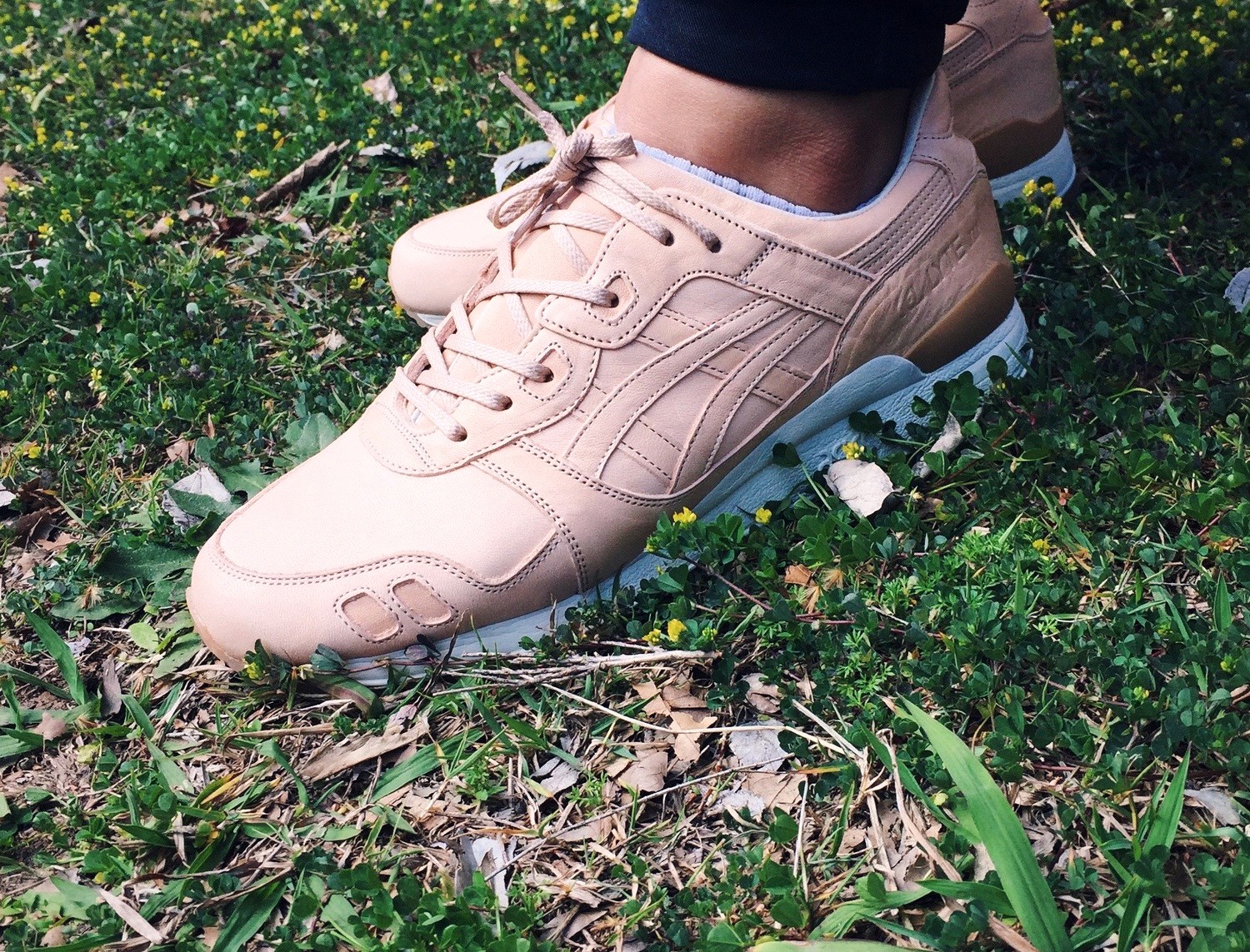
ASICS is old. Really old. The company was born on September 1, 1949 in Kobe, Japan, founded by Kihachiro Onitsuka. The name is a Latin acronym — anima sana in corpore sano, "a sound mind in a sound body." Nothing to do with skateboarding at first.
The thing that built their reputation showed up in 1986: GEL. A pocket of soft material tucked into the sole to soak up impact on landing. Forty years of running with that tech under their belt.
Then ASICS put together a legit skate team. In Spiralling, you've got Jeremiah Corea, Flemming Pederson, Hunter Moore, John Halchenko, Kalem Beange, Max Fullarton and Tai Wepa. Not some one-off marketing stunt: a team, video parts, a filmer. That's what separates a brand that's passing through from a brand that's here to stay.
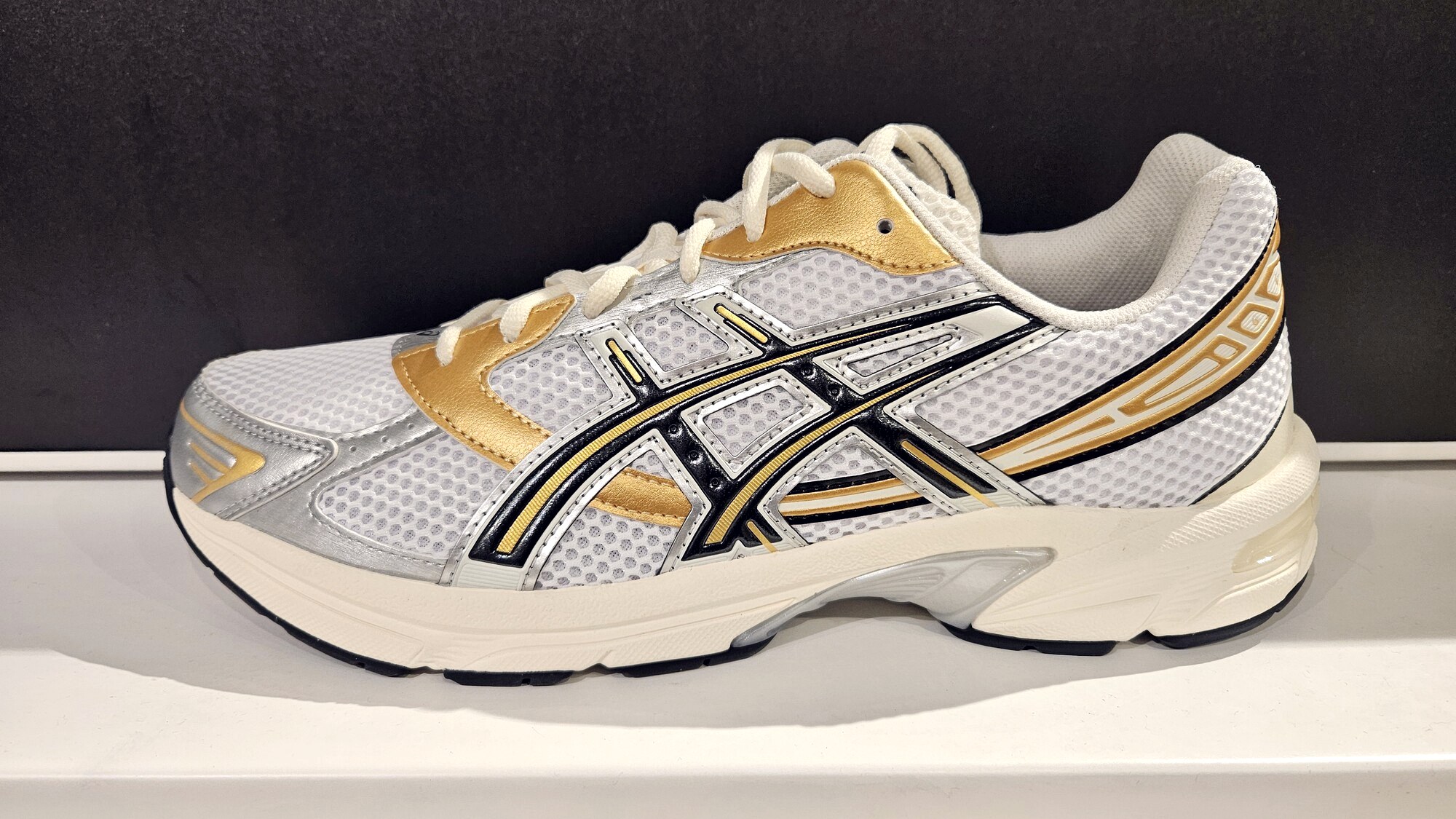
The 3 models you can actually buy
Forget the fifty colorways on the official site. In skate shops, the lineup comes down to three pairs. Each one comes from a different sport — and you can feel it under your feet.
- GEL-VICKKA PRO — Based on 70s training shoes. Suede upper, one-piece construction, low-profile cupsole. It's the only one whose spec sheet lists GEL in the heel.
- JAPAN PRO — 80s basketball silhouette. Reinforced suede toe with triple stitching, padded tongue, fully stitched cupsole. The most durable of the three, and the priciest.
- LEGGEREZZA FB — Inspired by soccer shoes. Soft leather, decorative stitching up front, low-profile cupsole. The slimmest one, the one that gives you the most board feel.
- None of them are vulcanized — all three are built as cupsoles. Translation: more impact protection on landings, less board feel for the first few days. You've got to break them in.
- They all share the same outsole — a rubber compound with pivot zones at the toe and heel, designed to lock onto grip tape. That's where your ollie lives or dies.
What makes a shoe hold up (or not) for skating
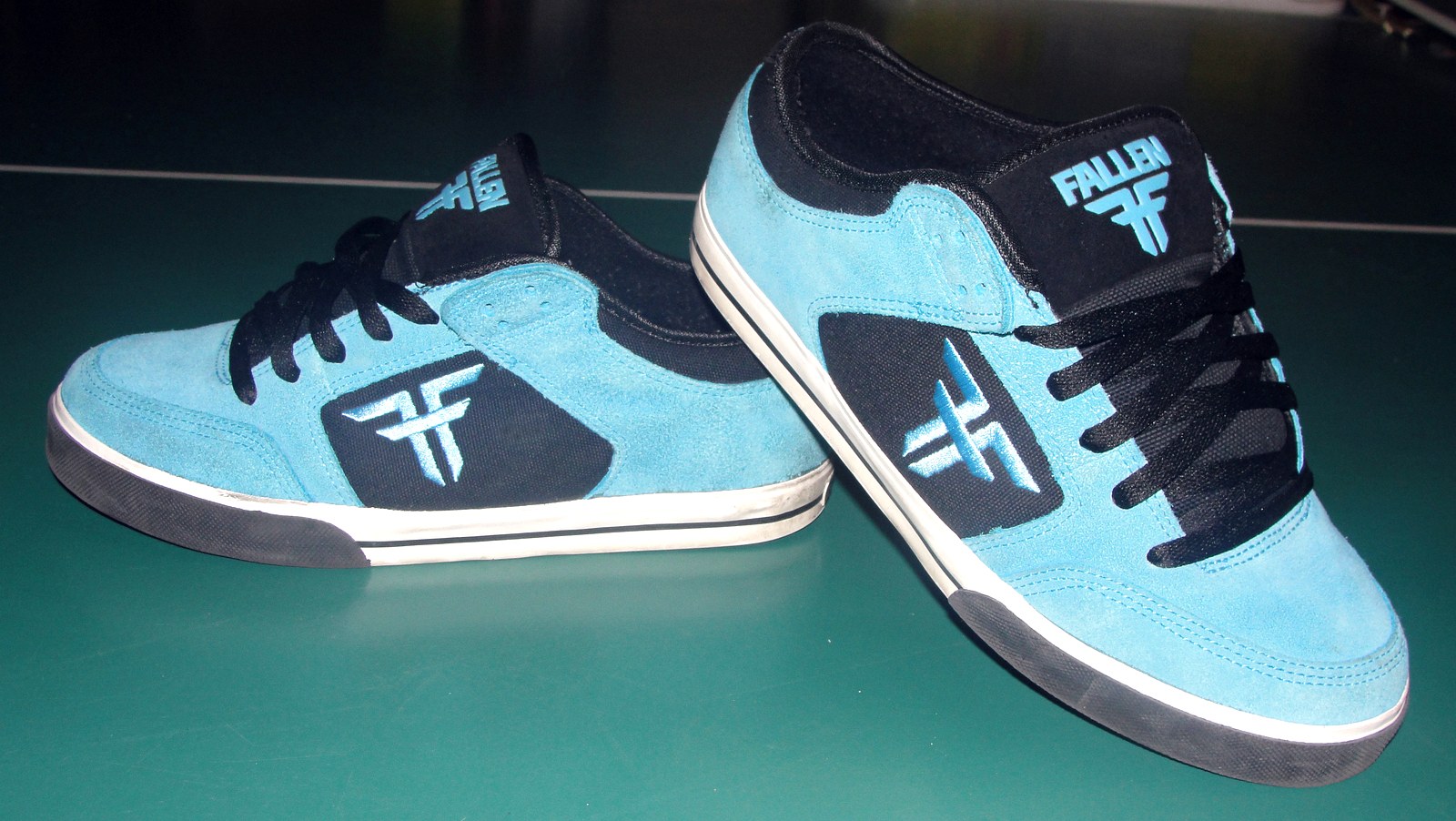
A skate shoe gets judged on three things, and only one of them shows up in photos.
The suede. Grip tape eats your shoe at the exact spot where you drag your foot to flick a flip. On a mesh running shoe, that's gone in two weeks. On thick suede, it lasts for months. All three skate ASICS have suede or leather right there — that's the bare minimum, and it's no accident.
The sole. Vulcanized = flexible, you feel your board right away, but you eat big gaps badly. Cupsole = stiff, protective, takes a week to break in. ASICS went cupsole across the board. If you're coming from vulc Vans, day one is going to feel weird. Day three, it won't.
Tongue hold. All three models have internal elastic straps to keep the tongue from sliding sideways. Sounds like a dumb detail, but when it shifts on every ollie, you spend your whole session tucking it back in.
Worth remembering
Always check the material around the pinky toe and the outside of the foot. That's the one spot that decides whether your pair lasts three weeks or six months. Everything else — logo, colorway, hype — changes nothing about the bill.
What it actually changes under your feet
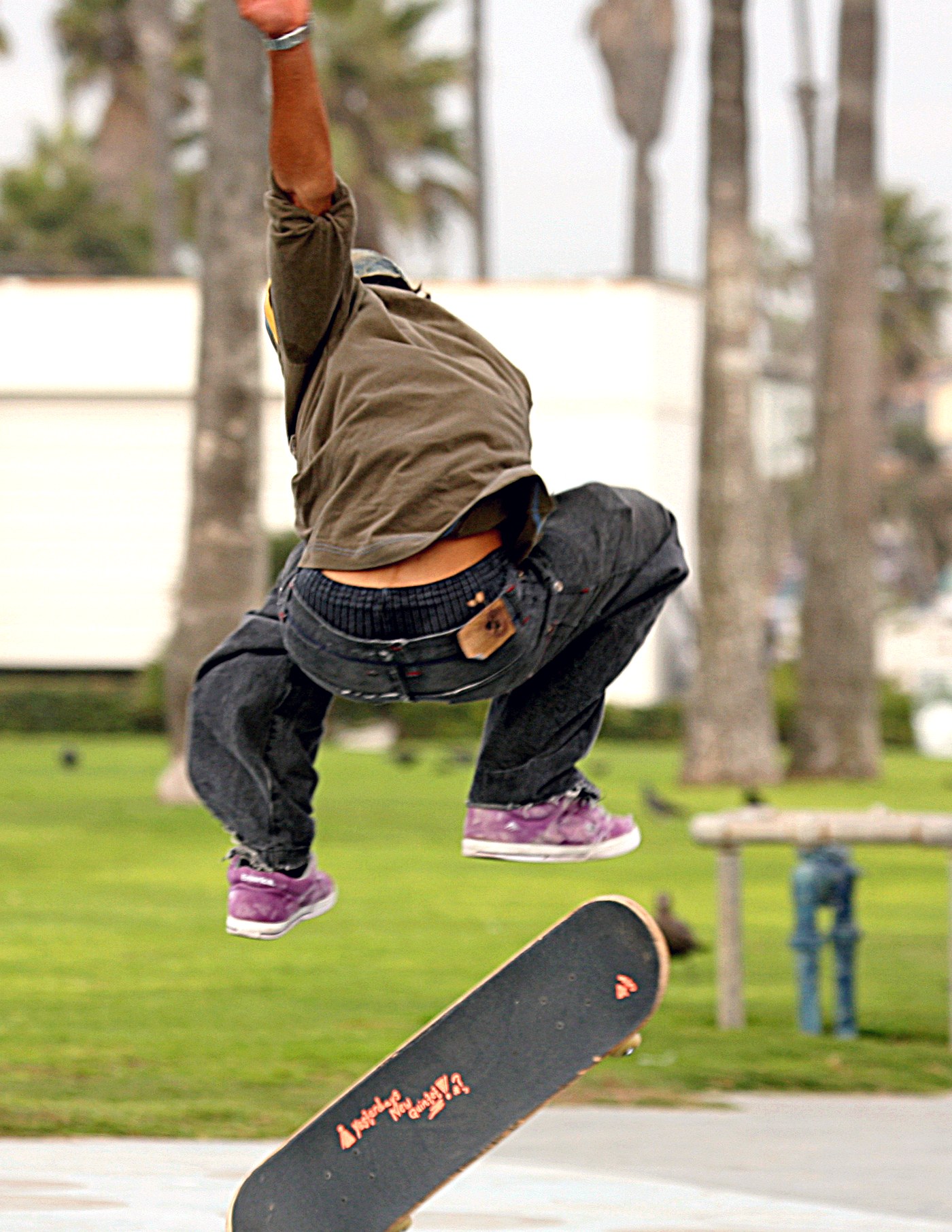
A good pair won't land tricks for you. It just takes away an excuse.
You know that moment: thirtieth try at your heelflip, your foot slips right at the pop, and you can't tell if it's you or the shoe. With a sole that grips and a sidewall that's done deforming, the doubt is gone. It's just you and the trick. It's uncomfortable — and that's exactly how you get better.
The other change is the landings. When you drop a three-stair and it slams into your heel, a stiff cupsole absorbs part of the hit. Over thirty tries in an afternoon, your knees will thank you that same night.
GEL under the heel: who has it, and is it worth it?
Here's the answer, and it's a clean one.
On the spec sheets from the skate shops carrying the line — Welcome Skate Store and Slam City Skates, checked August 18, 2026 — only the GEL-VICKKA PRO lists GEL in the heel. The JAPAN PRO and the LEGGEREZZA FB don't mention any. They make up for it in other ways: a PU foam insole with a perforated heel for the first, a fully stitched cupsole and triple-stitched toe for the second.
Is it worth it? For you as a beginner, yes, but not for the reason they're selling you. GEL won't make you pop higher. It absorbs botched landings — and when you're starting out, you botch a lot of them. Over a two-hour session of bailing off to the side, your heels and knees are what decide between coming back tomorrow and staying on the couch.
On the other hand, if you spend your days dragging grip tape learning your flips, the JAPAN PRO's triple-stitched toe will save you an entire pair over the year. GEL protects your body; stitching protects your wallet. Up to you which one hurts more right now.
The budget, no sugarcoating
Prices checked August 18, 2026 at the European skate shops carrying the line:
- GEL-VICKKA PRO and LEGGEREZZA FB: £78 at Welcome Skate Store, £79.99 at Slam City. That's around €90 to €95 once converted, shipping included.
- JAPAN PRO: £88, so about €100. The extra pays for the stitched construction.
- The real cost: it's not the sticker price, it's the price divided by months of use. A €100 pair that lasts six months costs less than a €60 pair replaced every six weeks.
And if your current pair can still be saved, don't buy anything yet: a tube of glue and some tape often buys you two extra months. No brand will ever tell you that.
Where to buy: your local skate shop first if you've got one — they'll order your size and you can try before you buy. Otherwise, online skate shops like Titus or the official ASICS site. Stay away from big generic sporting goods sites: they sell the running models with the same name, not the skate versions. That's exactly the trap from the start of this article.
Frequently asked questions
Can I skate in running ASICS I already own?
Technically yes, once. The mesh blows out within a few sessions and the sculpted sole doesn't grab grip tape. You'll think you can't land anything when really it's the shoe betraying you. Keep them for getting to the park, not for riding.
ASICS or Nike SB for a beginner?
Both hold up. ASICS bets on cushioning and a silhouette you don't see much at the park; Nike SB, Vans and Adidas have twenty years' head start on rider feedback. If you're torn, take the one that actually fits your foot: comfort beats brand, every time.
How long does a pair last when you're starting out?
Anywhere from six weeks to six months. The variable isn't the brand: it's how many flips you attempt. The more you drag grip tape, the more suede you burn through. A beginner working on ollies wears shoes way slower than a beginner grinding away at kickflips.
Does the ASICS Skateboarding line come in teen sizes?
All three models generally go down to a European 38-39, sometimes lower depending on the shop. Below that, check the women's sizes of the same model, often identical in fit. Ask the shop before ordering: returns cost you time and motivation.
ASICS isn't easing into skateboarding: the brand shows up with forty years of cushioning in its legs and a team that rips. Your call between the GEL that protects your heels and the stitching that protects your budget. Both are solid picks — the bad pick is the running pair bought by mistake.
Skate on.
Your current pair — how long did it last and where did it blow out ? Name the model. Drop it in the comments ↓
Follow NOSK8 where you hang out
Parts, spots, behind the scenes: it all drops on the accounts first.
Le lexique
-
1
cupsole
Semelle rigide fabriquée en une pièce, sur laquelle la tige est cousue. Plus protectrice à la réception, plus raide au début.
-
2
vulcanisée
Semelle collée puis cuite, très souple. Tu sens la planche tout de suite, mais elle encaisse moins les gros sauts.
-
3
kickflip
Figure où la planche fait un tour sur elle-même dans la longueur, lancée par un coup de pied vers l'extérieur.
-
4
heelflip
Même rotation que le kickflip, mais déclenchée avec le talon vers l'extérieur. La planche tourne dans l'autre sens.
Shop NOSK8
Voir toute la boutique →
TEE-SHIRTS
TEE-SHIRT NOSK8® NOSKATE #NSITA
Le prix initial était : 35,00 €.29,00 €Le prix actuel est : 29,00 €.
TEE-SHIRTS
TEE-SHIRT NOSK8® P.B HEART #POLARBEAR
Le prix initial était : 35,00 €.29,00 €Le prix actuel est : 29,00 €.
TEE-SHIRTS
TEE-SHIRT NOSK8® I.L.N #ILOVEN8
Le prix initial était : 35,00 €.29,00 €Le prix actuel est : 29,00 €.
TEE-SHIRTS
TEE-SHIRT NOSK8® P.B HEART #NYC
Le prix initial était : 35,00 €.29,00 €Le prix actuel est : 29,00 €.
TEE-SHIRTS
TEE-SHIRT NOSK8® MATRICE HEART #CTRL
Le prix initial était : 35,00 €.29,00 €Le prix actuel est : 29,00 €.

CASQUETTES
CAP NOSK8® P.B #POLARBEAR
Le prix initial était : 35,00 €.25,00 €Le prix actuel est : 25,00 €.
CASQUETTES
CAP NOSK8® N8 #NOSK8
Le prix initial était : 35,00 €.25,00 €Le prix actuel est : 25,00 €.

CASQUETTES
CAP NOSK8® P.B.P #PAW
Le prix initial était : 35,00 €.25,00 €Le prix actuel est : 25,00 €.
HOODIES
HOODIE NOSK8® P.B HEART #NYC
Le prix initial était : 60,00 €.49,00 €Le prix actuel est : 49,00 €.
HOODIES
HOODIE NOSK8® P.B HEART #ORIGINAL
Le prix initial était : 60,00 €.49,00 €Le prix actuel est : 49,00 €.
HOODIES
HOODIE NOSK8® P.B HEART #PHILI
Le prix initial était : 60,00 €.49,00 €Le prix actuel est : 49,00 €.
HOODIES
HOODIE NOSK8® MATRICE HEART #CMD
Le prix initial était : 60,00 €.49,00 €Le prix actuel est : 49,00 €.
HOODIES
HOODIE NOSK8® P.B HEART #POLARBEAR
Le prix initial était : 60,00 €.49,00 €Le prix actuel est : 49,00 €.
SWEAT
SWEAT NOSK8® P.B HEART #BARÇA
Le prix initial était : 45,00 €.39,00 €Le prix actuel est : 39,00 €.
SWEAT
SWEAT NOSK8® P.B HEART #PHILI
Le prix initial était : 45,00 €.39,00 €Le prix actuel est : 39,00 €.
SWEAT
SWEAT NOSK8® P.B HEART #NYC
Le prix initial était : 45,00 €.39,00 €Le prix actuel est : 39,00 €.
SWEAT
SWEAT NOSK8® P.B HEART #PARIS
Le prix initial était : 45,00 €.39,00 €Le prix actuel est : 39,00 €.
SWEAT
SWEAT NOSK8® P.B HEART #POLARBEAR
Le prix initial était : 45,00 €.39,00 €Le prix actuel est : 39,00 €.
Continue ta lecture
ConseilsSkate old school : pourquoi ils repassent à 10 pouces ?
Shapes larges, rééditions Powell Peralta et Santa Cruz : le skate old school revient partout. Pourquoi ça marche, et quel deck vintage prendre selon ton…
Commentaires (0)