
ℹ️ 🛹 Web Média Skate 🛹 ℹ️

★ Chroniques · Opinion
Anti Hero at 31, Not One Compromise: How Is That Still Possible?
Anti Hero a 31 ans, le même fondateur et les mêmes graphismes crades quand Element et Alien Workshop tombaient. La raison n'a rien à voir avec l'attitude.

→ Pour aller plus loin : Eric Koston a quitté Lakai après 3 ans : 17 ans plus tard, qui a vraiment perdu ?
In 1995, Jim Thiebaud offered Julien Stranger the chance to start his own brand. No business plan, no market study: just the read, shared with Jake Phelps at the time, that skateboarding had gone stale. Stranger said yes. Thirty-one years later Anti Hero is still here, with the same filthy graphics and pretty much the same dudes.
Meanwhile, Alien Workshop changed hands four times and shut down. Element got bought, then watched its stores liquidated. Anti Hero changed nothing. And that isn't a story about attitude — it's far more concrete than that.
1995, San Francisco: a brand founded on nothing at all

Asked what the concept behind Anti Hero was, Stranger said roughly this: "There was no concept... well, maybe there was, I don't know. Just kind of balance out the rest, or something." It's the limpest mission statement in skateboarding history. It's also, in hindsight, the most honest.
You know the context if you were skating then. Mid-'90s, the big outfits start selling skateboarding the way you sell a sport. Thiebaud, meanwhile, was running Deluxe Distribution out of San Francisco — a house opened in 1986 that already sheltered Spitfire and Real. He hands Stranger the keys. No deadline, no growth target.
John Cardiel has been part of the core since day one. The name says it all: against the hero, against the poster, against the guy they sell you on a cover. A crude eagle, filthy drawings, zero attempt to seduce you.
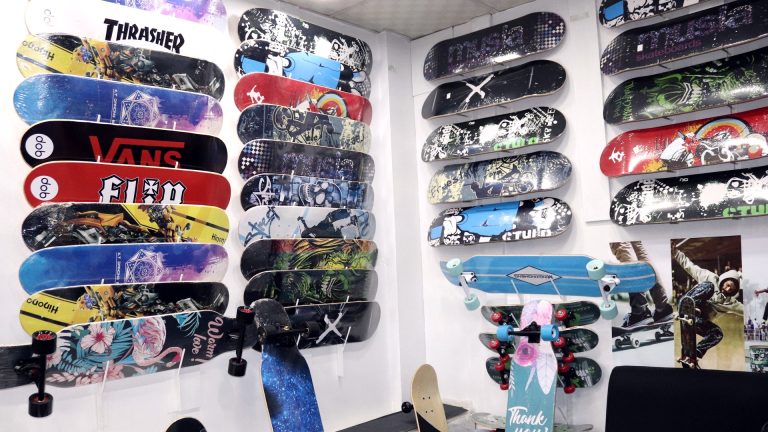
If you hung around a skateshop in the late '90s, you know exactly what I mean. Decks lined up on the wall, the smell of fresh grip, and in among the clean graphics, this black thing with a badly drawn eagle that wasn't trying to please anyone. You'd pick it up, flip it over, not get half the joke. Which is precisely why you wanted it.
"There was no concept... just balance out the rest." Thirty-one years on, that's still the entire editorial line. — Julien Stranger, on founding Anti Hero
Trujillo at 14, Grant Taylor on a January 1st: they never recruited to sell
Tony Trujillo was 14 when Anti Hero put him on the team. Two years later he turned pro. In December 2002, Thrasher named him Skater of the Year — the thirteenth in the title's history. Back then he looked like nothing a marketing department would have picked: a kid from Santa Rosa who sent everything, too fast, too hard.
Frank Gerwer was the first to land a kickflip down the Wallenberg in San Francisco. October 27, 2001. He'd already been the first to kickflip the Brooklyn Banks stairs. Neither trick earned anyone a cent of prize money.
Then there's Grant Taylor. Skater of the Year 2011, he lands at Anti Hero on January 1, 2014, with an ad that simply reads: "Grant Taylor flys with the Eagle!" He was coming from Alien Workshop. Four months later, Alien Workshop shut its doors. Hold onto that date, we're coming back to it.
Even Jeff Grosso, who grew up skating with Neil Blender and Lance Mountain, had to ask to get in. In 2013 he told the story: he had to work up the courage to call, and then the team voted. "They run it like a gang," he said. That's exactly it — you don't join Anti Hero on a contract, you join by co-option.
Meanwhile, the others were changing owners
Look at what happened around them over the same stretch. Alien Workshop, founded in 1990 by three guys in Ohio, passes under Burton's control, then Rob Dyrdek's in 2012, then Pacific Vector Holdings in October 2013. Closure in May 2014. The brand has been revived since, but it took four years to become what it was at the start: independent.
Element, founded in 1992, is acquired by Boardriders in 2018. In February 2025, Liberated Brands, which operated its stores, files for Chapter 11 protection and liquidates the whole network. Decades of cultural heritage evaporated in a bankruptcy filing.
Anti Hero, over that exact same sequence, didn't move an inch. Same distributor, same city, same founder, roughly the same team. The question isn't whether they're purer than the rest. The question is what they had that the others didn't.
Four owners in four years on one side. Zero on the other. That's not a difference in character, it's a difference in structure. — What the bankruptcies tell you
The filth isn't an aesthetic. It's what's left when nobody has to approve.
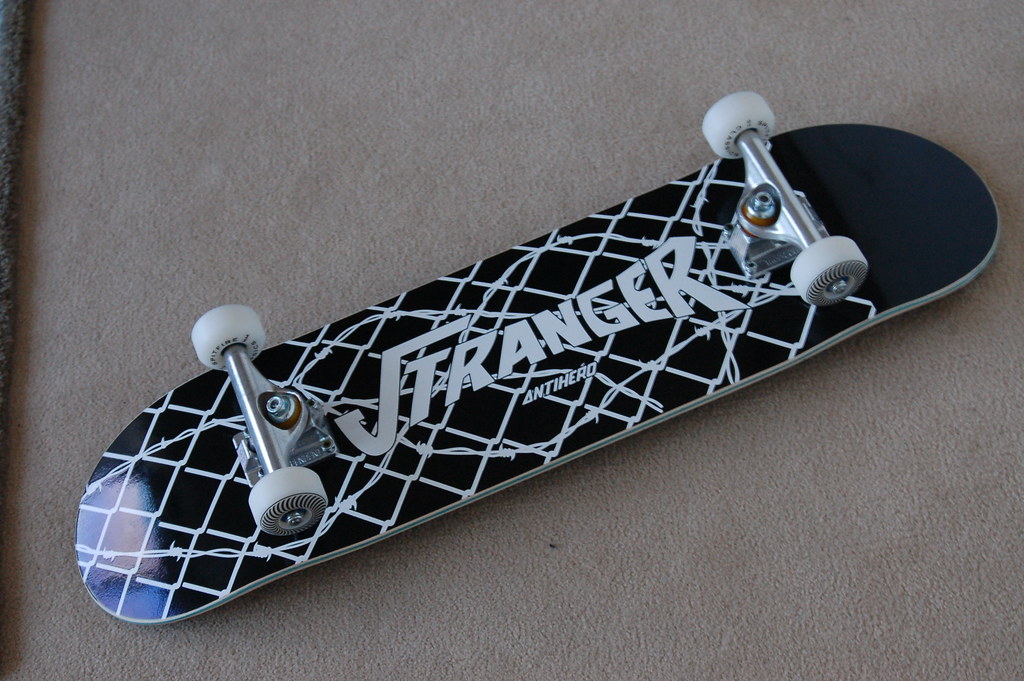
Pick up any Anti Hero deck. The drawings are ugly on purpose, the humour is black, the colours are dirty. None of it would survive a sign-off meeting at a brand owned by a group. Not because it's shocking — because it's unsellable to a big-box buyer who has never pushed a board.
That's the thing people miss when they talk about "the Anti Hero aesthetic" as a graphic style. It isn't a style, it's a symptom. In a structure where nobody above has to approve the artwork, you get what the person drawing actually had in mind. In a structure where someone does, you get whatever offends no one.
Look at the collaborations: Anti Hero toured with Girl for the Beauty and the Beast videos, they drop capsules with Volcom. They don't live in a cave, they sell t-shirts like everyone else. The difference isn't that they turn down money. It's that nobody can order them to make more of it.
The real answer: they've never had to answer to anyone
Here's why Anti Hero is still standing, and it's neither courage nor luck. It's an independent skate brand in the most literal sense of the term — not the marketing sense. Anti Hero belongs to Deluxe, Deluxe belongs to Ermico Enterprises, and that house has been run since 1986 by skate people, in San Francisco. No outside shareholder. No investment fund waiting on a return. No listed group demanding growth every quarter.
That's it. That's the whole answer. A brand with nobody above it never needs to justify itself, so it never needs to smooth itself out. It can keep a 50-year-old rider who moves no units but holds the culture. It can put out a graphic nobody will understand. It can do nothing for two years.
Alien Workshop and Element weren't less sincere. They had owners. And an outside owner, however well-meaning, always asks the same question at year end: how much did it make? The moment that question exists, every decision runs through it — the artwork, the roster, the video, all of it. Anti Hero never had to answer. That's its only superpower, and it's purely legal.
Which makes the story fragile, by the way. That independence rests on no ideology: it rests on the ownership structure of a San Francisco distribution company. The day that structure changes, everything else changes with it. That's the price of the only thing that worked.
What it's worth to you, in 2026
This isn't a pitch to buy Anti Hero over anything else. A board is still seven plies of maple, and there are excellent decks everywhere. If you're starting out, get what you like — skateboarding doesn't need gatekeepers, it needs people who push.
But when you see a skate brand get bought by a group, you now know what to look at. Not the messaging, not the logo, not the launch film. Look at who owns the company. It's the only indicator that reliably predicts what it'll be in ten years — and it's also, in Anti Hero's story, the one variable that never moved.
What's left today, you run into without knowing it. The 17-year-old filming on a fisheye with no gimbal, the crew clip posted raw with no slick edit, the crew that'd rather skate a trash spot than a new park: that way of doing things comes from here. Anti Hero invented none of it, but it's the brand that refused to drop it when everyone else was dropping it.
Thirty-one years, a badly drawn eagle, a team growing old together and books nobody comes to audit. There's no secret. There's just the fact that nobody has ever been able to tell them what to do. And given how many brands we've buried in the meantime, that was clearly worth more than any strategy.
Your first Anti Hero deck — which one was it, and what's left of that board ? Say it in the comments ↓
Le lexique
-
1
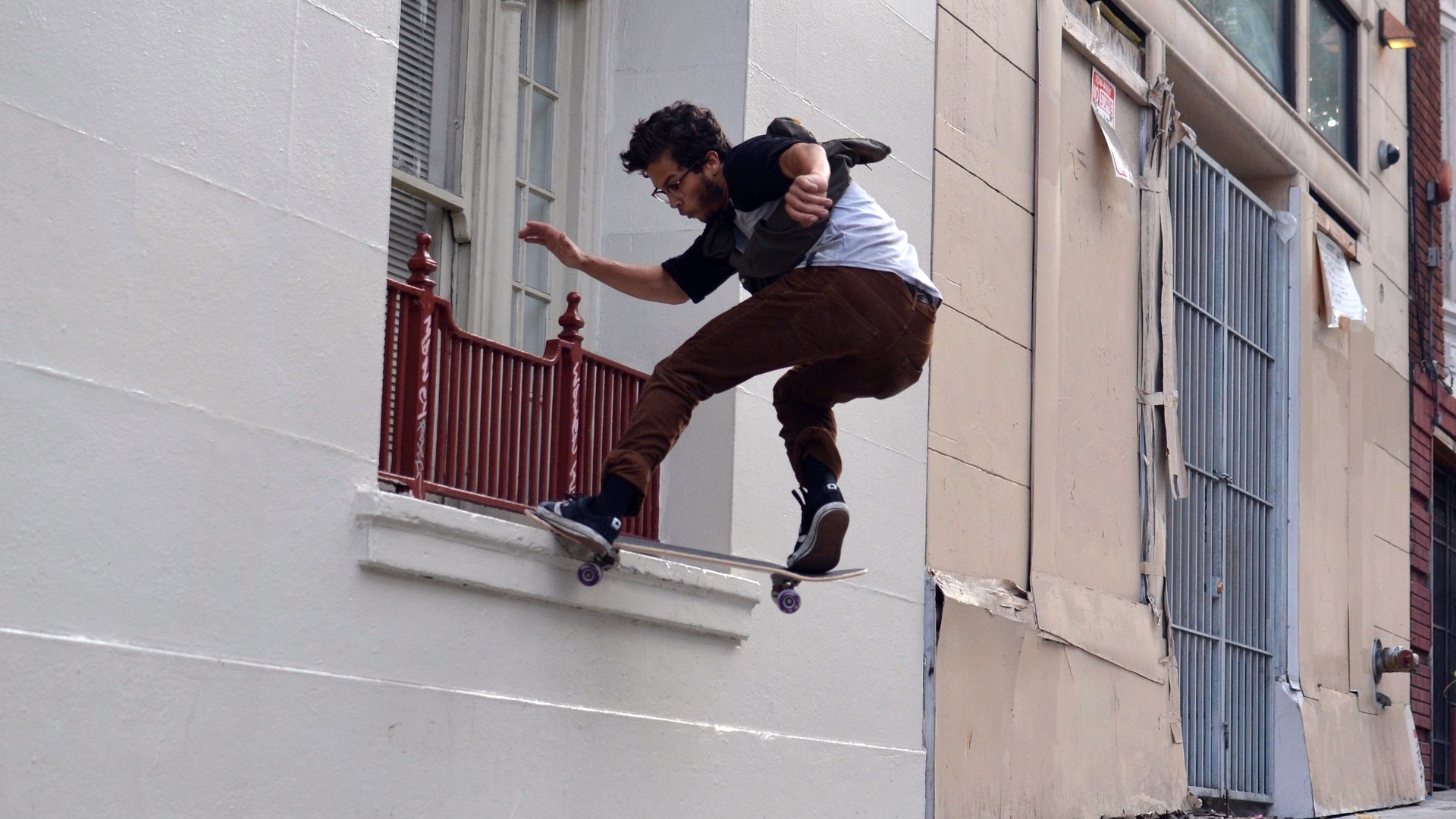
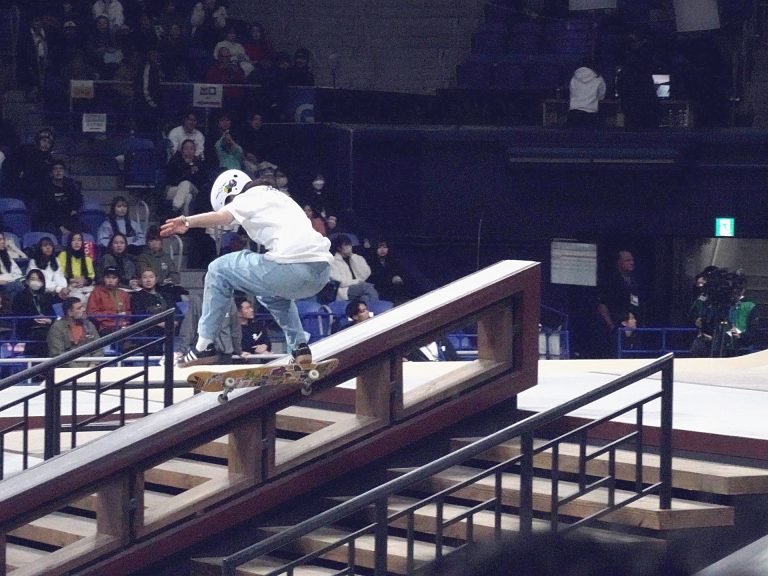
noseslide
Glisse sur le nose de la planche, l'avant posé sur l'arête d'un rebord, l'arrière dans le vide.
-
2
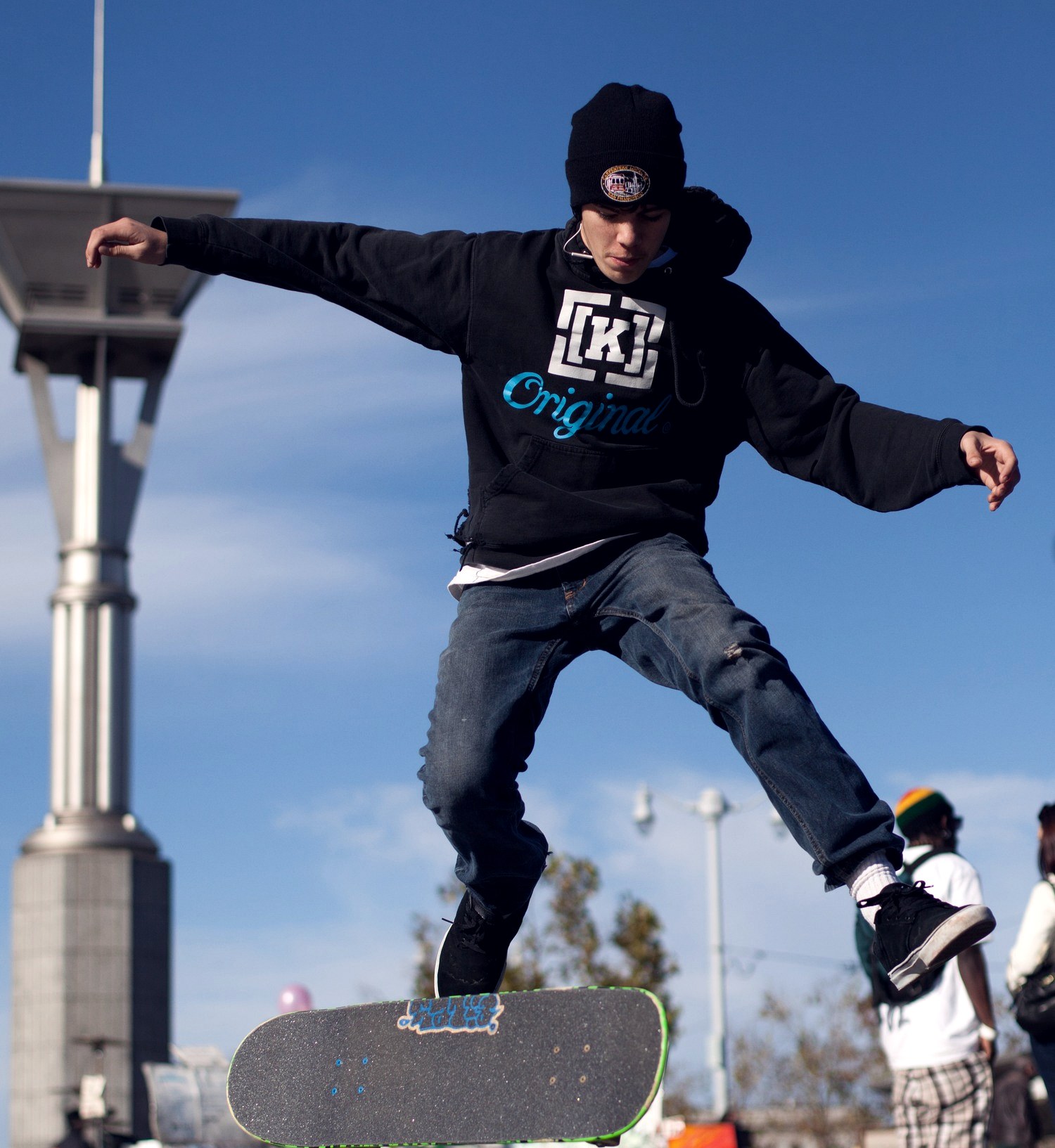
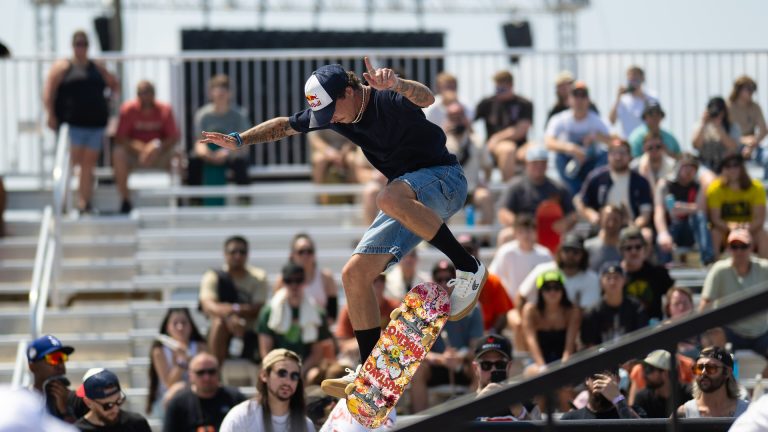
kickflip
Figure où la planche fait un tour complet sur elle-même dans l'axe de la longueur, lancée d'un coup de pied.
-
3
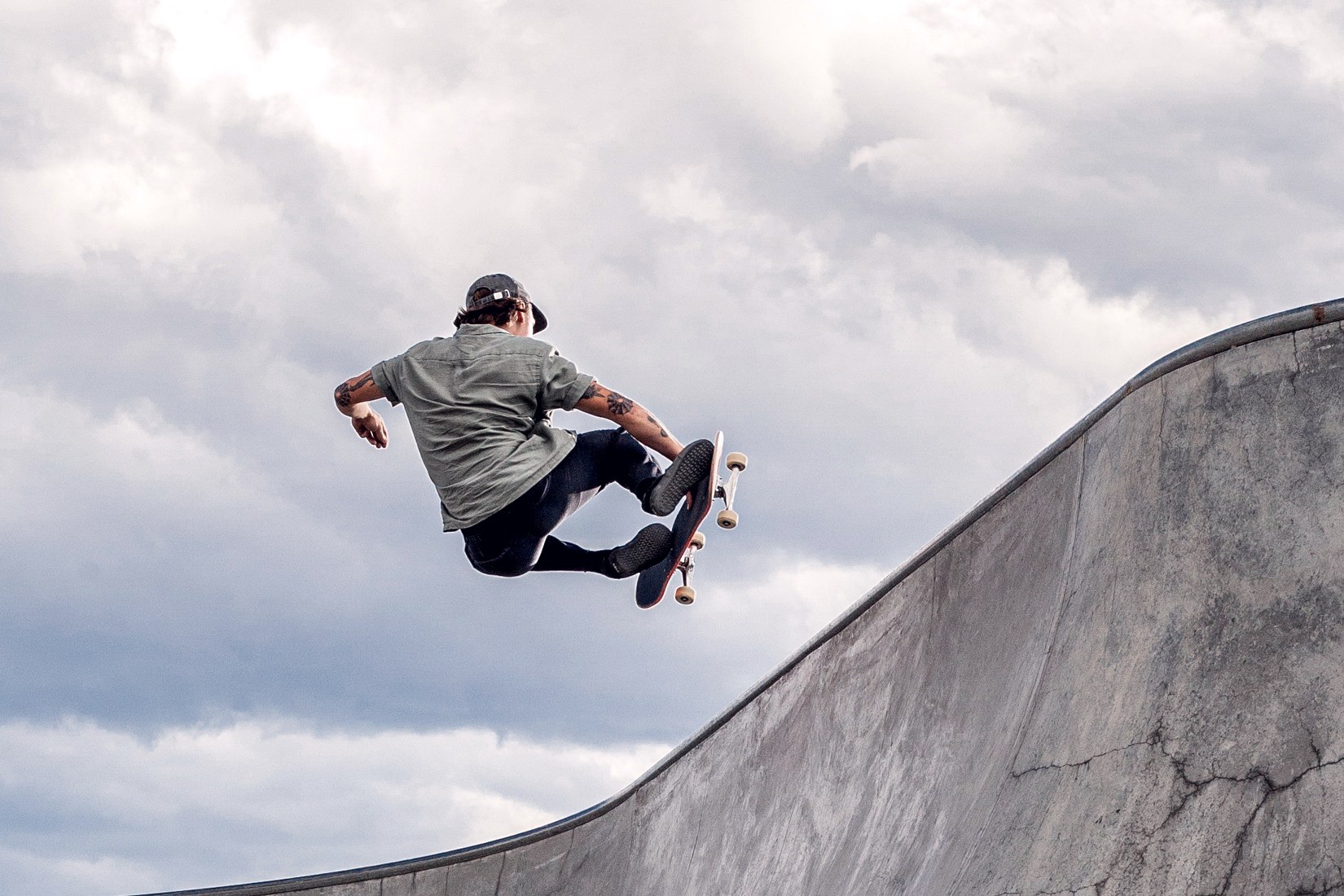
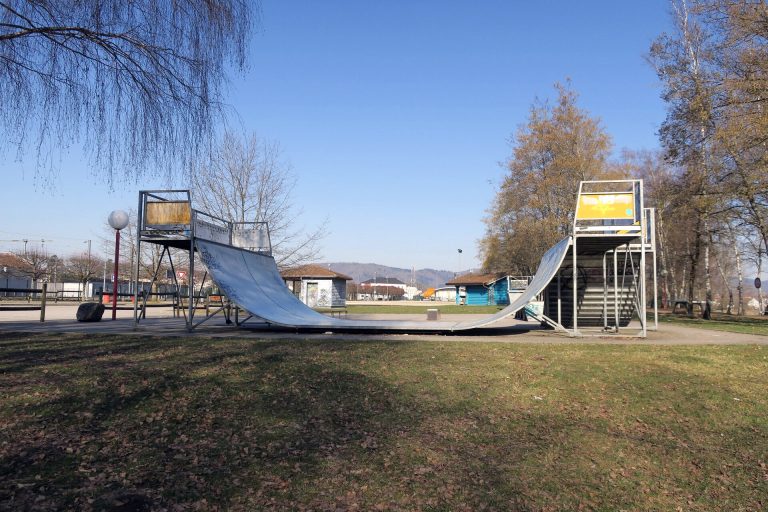
frontside air
Envol hors du bowl face à la rampe, planche tenue à la main ou aux pieds, puis retour dans la courbe.
-
4
coping
Barre métallique qui borde le haut d'un bowl ou d'une rampe, sur laquelle on cale grinds et slides.
-
5
pro model
Planche signature d'un skateur pro : son nom et son graphisme, une part des ventes lui revient.
Shop NOSK8
Voir toute la boutique →
TEE-SHIRTS
TEE-SHIRT NOSK8® NOSKATE #NSITA
Le prix initial était : 35,00 €.29,00 €Le prix actuel est : 29,00 €.
TEE-SHIRTS
TEE-SHIRT NOSK8® P.B HEART #POLARBEAR
Le prix initial était : 35,00 €.29,00 €Le prix actuel est : 29,00 €.
TEE-SHIRTS
TEE-SHIRT NOSK8® I.L.N #ILOVEN8
Le prix initial était : 35,00 €.29,00 €Le prix actuel est : 29,00 €.
TEE-SHIRTS
TEE-SHIRT NOSK8® P.B HEART #NYC
Le prix initial était : 35,00 €.29,00 €Le prix actuel est : 29,00 €.
TEE-SHIRTS
TEE-SHIRT NOSK8® MATRICE HEART #CTRL
Le prix initial était : 35,00 €.29,00 €Le prix actuel est : 29,00 €.
CASQUETTES
CAP NOSK8® P.B #POLARBEAR
Le prix initial était : 35,00 €.25,00 €Le prix actuel est : 25,00 €.
CASQUETTES
CAP NOSK8® N8 #NOSK8
Le prix initial était : 35,00 €.25,00 €Le prix actuel est : 25,00 €.
CASQUETTES
CAP NOSK8® P.B.P #PAW
Le prix initial était : 35,00 €.25,00 €Le prix actuel est : 25,00 €.
HOODIES
HOODIE NOSK8® P.B HEART #NYC
Le prix initial était : 60,00 €.49,00 €Le prix actuel est : 49,00 €.
HOODIES
HOODIE NOSK8® P.B HEART #ORIGINAL
Le prix initial était : 60,00 €.49,00 €Le prix actuel est : 49,00 €.
HOODIES
HOODIE NOSK8® P.B HEART #PHILI
Le prix initial était : 60,00 €.49,00 €Le prix actuel est : 49,00 €.
HOODIES
HOODIE NOSK8® MATRICE HEART #CMD
Le prix initial était : 60,00 €.49,00 €Le prix actuel est : 49,00 €.
HOODIES
HOODIE NOSK8® P.B HEART #POLARBEAR
Le prix initial était : 60,00 €.49,00 €Le prix actuel est : 49,00 €.
SWEAT
SWEAT NOSK8® P.B HEART #NYC
Le prix initial était : 45,00 €.39,00 €Le prix actuel est : 39,00 €.
SWEAT
SWEAT NOSK8® P.B HEART #PARIS
Le prix initial était : 45,00 €.39,00 €Le prix actuel est : 39,00 €.
SWEAT
SWEAT NOSK8® P.B HEART #POLARBEAR
Le prix initial était : 45,00 €.39,00 €Le prix actuel est : 39,00 €.
SWEAT
SWEAT NOSK8® P.B HEART #BARÇA
Le prix initial était : 45,00 €.39,00 €Le prix actuel est : 39,00 €.
SWEAT
SWEAT NOSK8® P.B HEART #PHILI
Le prix initial était : 45,00 €.39,00 €Le prix actuel est : 39,00 €.
Continue ta lecture
Spots10 spots de skate à Paris : un seul se ride sans regarder par-dessus ton épaule
Où skater à Paris : 10 spots classés par niveau et par style, du Dôme du Palais de Tokyo aux dalles de La Défense, avec…
Commentaires (0)