
ℹ️ 🛹 Web Média Skate 🛹 ℹ️

 Back
Tricks
Shove‑It or 180: Who Should Spin, You or Your Board? Rodney Mullen Had the Answer
Shoulders feet back eyes: 3 reasons your shove-it mixes with your 180, 4 steps to separate them, and the rule Rodney Mullen laid down.
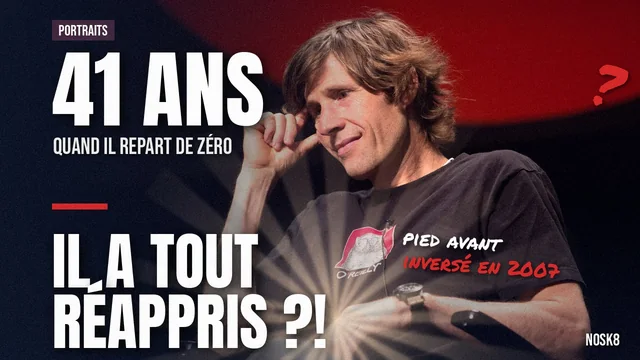
Kid in Florida, Rodney Mullen slept in orthopedic boots to straighten his feet, which turned inward. His father, a dentist and former military man, would only give him a board on one condition: he quits at the first real injury. In 1982, this shy kid showed the world that a board can leave your feet, spin on its own, and come back under you.

You flick your pop shove-it and your body leaves the board. You land off-balance, one foot in the air. Or it’s the reverse on your 180: your shoulders turn, and your board stays right there.
So on these two tricks, who’s supposed to turn, you or your board? Mullen has had the answer since 1982. We get to it after the 4 steps and the 3 causes.
Level
Beginner
Time
Several sessions
Prerequisites
Ollie from a standstill
Surface
Smooth, flat ground
In this article 6 parts
- Gelfand in 1978, Mullen in 1982: two ways to leave the ground
- Shove-it and 180: the 4 steps to stop mixing them up
- The 3 causes that mess everything up: shoulders, back foot, eyes
- So, who’s doing the spinning, you or your board?
- How do you tell if you’re still spinning with your board?
- And once it’s dialed in?
Gelfand in 1978, Mullen in 1982: two ways to leave the ground
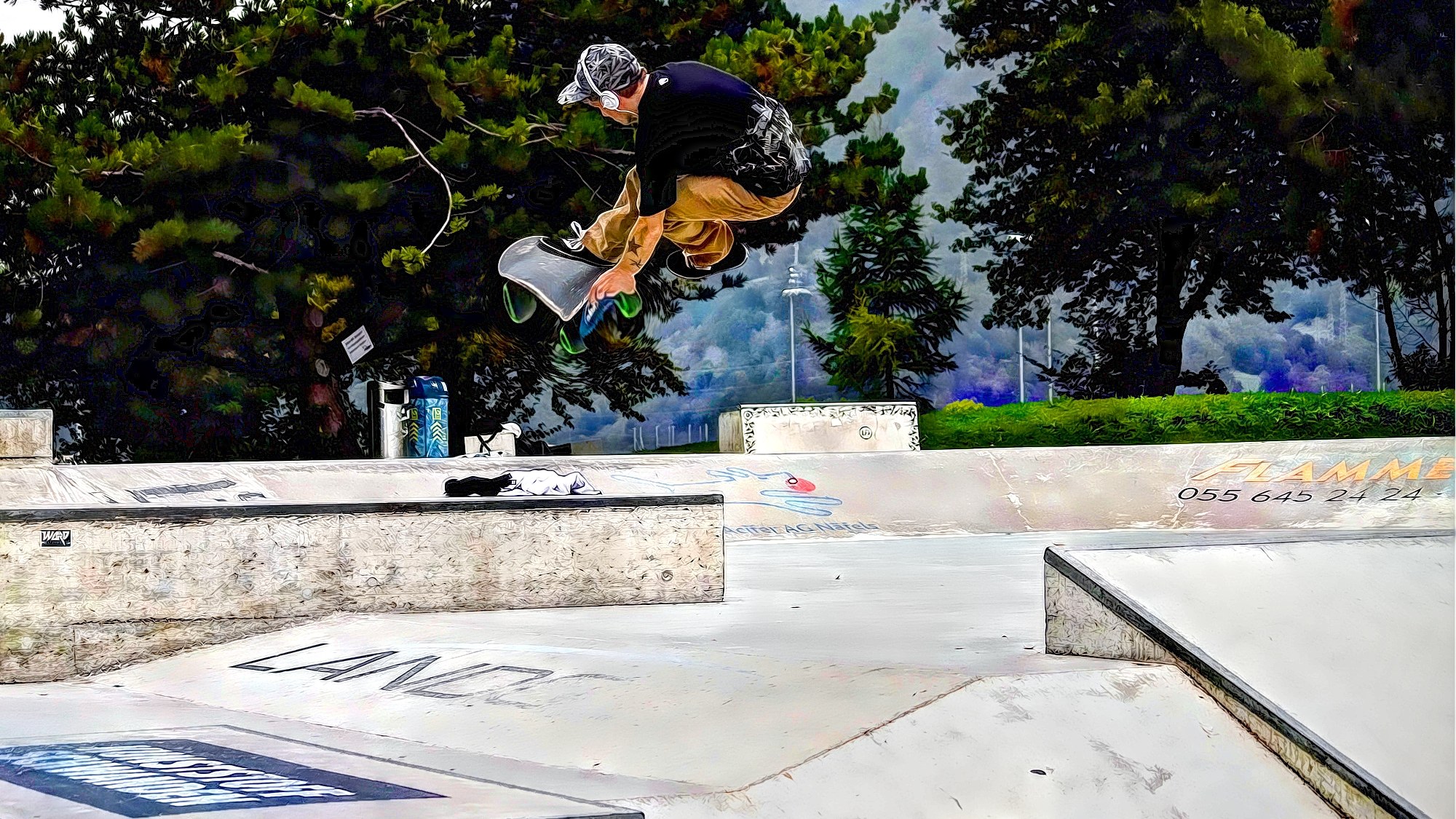
In 1978, Alan Gelfand, nicknamed “Ollie”, launches off a ramp without touching his board with his hands. He and the board go up together and come down together. One single block. Your ollie comes from there.
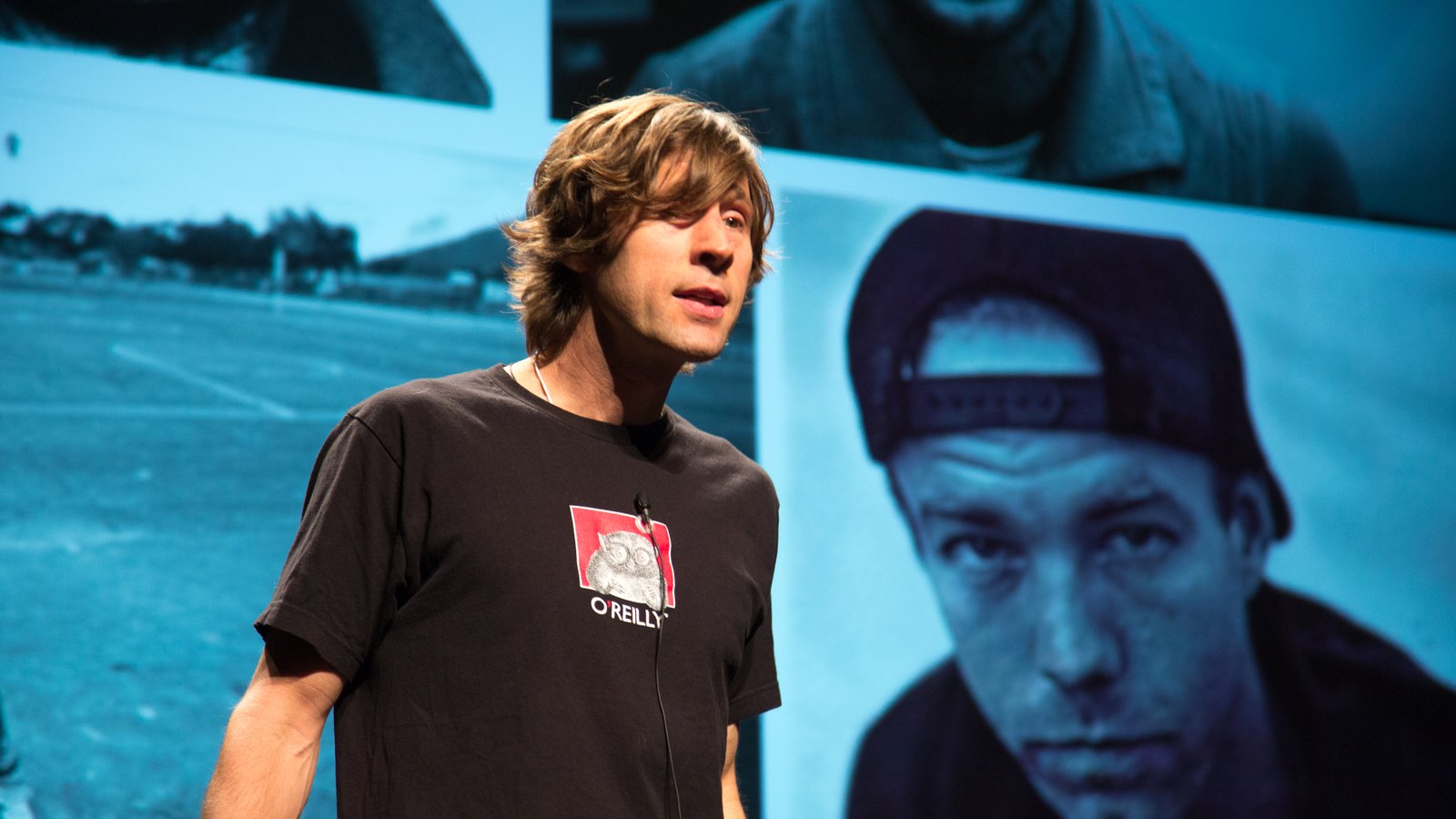
In 1982, Mullen does the opposite. His kickflip, which he first called the “Ollie Flip”, separates the board from the skater. Your foot delivers the kick, the board spins on its own, and you catch it on the way down. Others nicknamed it the “magic flip”, because nobody understood how he did it. His career, with 34 contests won out of 35, is worth a look.
Two opposite ideas, and your two tricks sit on either side. The pop shove-it was originally called the “Ty hop”, after Ty Page. The 180, for its part, is an ollie that makes a half turn. Just remember this for now: one camp separates, the other sticks.
Shove-it and 180: the 4 steps to stop mixing them up
-
On the grass: the board spins, you jump straight up
Set your board on the grass so it can’t roll. Back foot on the tail, you push the board around for a half turn and jump straight up. You land facing the same direction you started.
-
Standing pop shove-it: pop down AND back
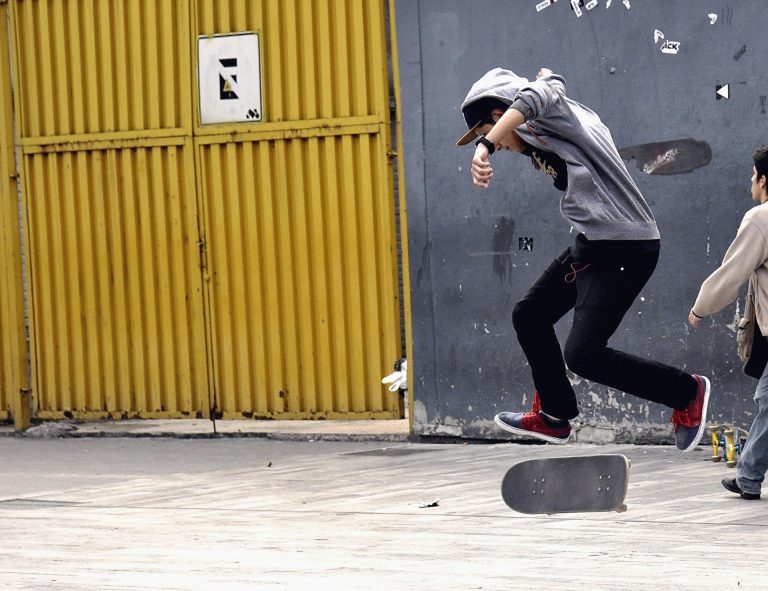
Back foot in the corner of the tail, toe side. The tail snaps, then your foot kicks it back behind you, that’s the scoop. Your front foot lifts just enough to let it pass.
-
Standing 180: shoulders first, feet glued
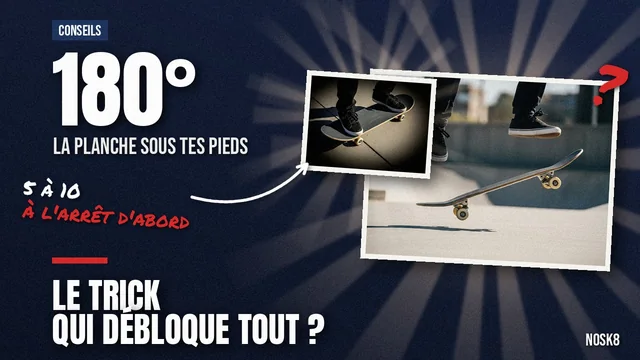
This time, you wind your shoulders the other way, release them right before the pop and ollie. Your feet stay on the board from start to finish. Start with a quarter turn.
-
Rolling: five of each, alternating
Take it easy, on flat ground. Five shove-its, five 180s, then repeat. Alternating forces you to feel the difference between the two motions, instead of grinding a mix of both.
The 3 causes that mess everything up: shoulders, back foot, eyes
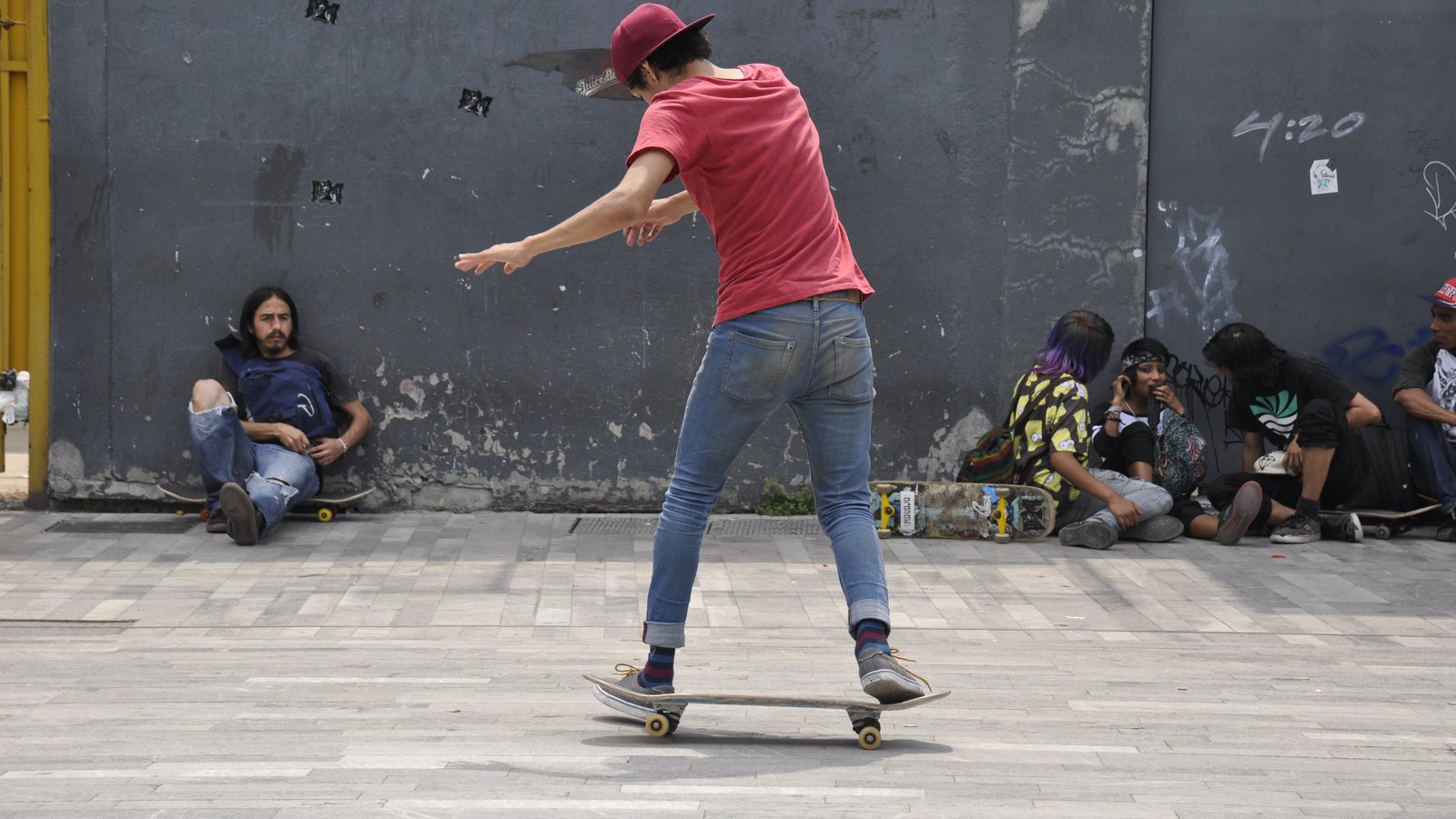
The 3 classic causes
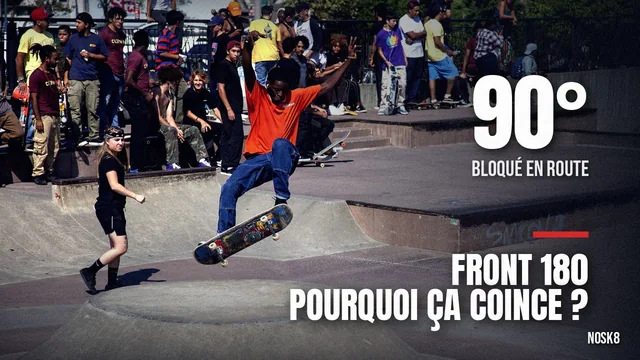
- Shoulders: on your shove-it, they follow the board and your body spins with it. You land at an angle. On your 180, it’s the opposite: they leave too late, and the board stays stuck.
- The back foot: on a shove-it, it pushes backward. On a 180, it slams down like an ollie, then follows your body. You scoop a 180? The board spins without you and shoots out in front.
- Your eyes: on a shove-it, you watch the board spin under you. On a 180, you look at where you’re going to land, and your head pulls the rest along. Look up on a shove-it, and your torso goes with it.
So, who’s doing the spinning, you or your board?
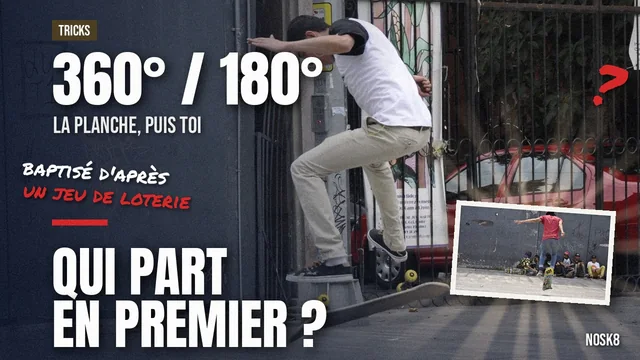
On a shove-it, it’s your board that spins, and you stay put. On a 180, you’re the one spinning, and your board follows, glued to your feet.
That’s exactly the line between Gelfand and Mullen. The 180 is on the ollie side: you and your board, one single unit, from pop to landing. The shove-it is on Mullen’s side: the board leaves, your body stays put in the air, and you catch it.
The three causes above all say the same thing. Shoulders, back foot, eyes: on a shove-it, nothing should follow the board. On a 180, everything has to take it around.

Watch Mullen in his part in Virtual Reality – 1993, for Plan B. The board spins every which way. Watch his shoulders, not his feet.
And the proof that both camps exist is the bigspin: the board does 360°, you only do 180°. Two rotations, two rules, in the same trick.
How do you tell if you’re still spinning with your board?
Prop your phone up facing you and film ten pop shove-its standing still. Slow it down and freeze the frame at the pop. If your shoulders moved, your body is still spinning with the board.
Do the same with ten 180s. Here it’s the opposite: if your shoulders are still square at the pop, you’re late. Count your clean landings, both feet on the bolts.
Three out of ten, you can move on to rolling. Below that, you stay standing still. When you start forcing it, stop. Come back tomorrow with a fresh head.
And once it’s dialed in?
You add a flip to the shove-it and it becomes the varial kickflip. You push the shove-it all the way to 360°, add the flip, and you hold the tre flip, another Mullen trick. On the 180 side, go the other way with the backside 180.
So which one’s giving you trouble: the shove-it where you spin the board, or the 180 where the board stays planted ? Tell us in the comments ↓
Le lexique
-
1
Pop
Le coup sec du tail contre le sol, qui fait décoller la planche.
-
2
Tail
Le bout arrière relevé de la planche.
-
3
Scoop
Le geste du pied arrière qui pousse le tail vers l'arrière pour faire pivoter la planche.
-
4
Pop shove-it
La planche fait un demi-tour à plat sous tes pieds, sans se retourner, pendant que toi tu restes en place.
-
5
180
Un ollie où toi et ta planche faites ensemble un demi-tour en l'air.
-
6
Bigspin
La planche fait un tour complet pendant que toi tu fais un demi-tour.
Continue ta lecture
ChroniquesAdidas, 2016 : Nora Vasconcellos devient la première skateuse de l’équipe — qu’est-ce que la marque venait chercher ?
Juin 2016, Adidas fait entrer sa première skateuse dans l'équipe. Deux mois avant les JO, une caissière du Massachusetts devenue icône. Qu'est-ce que la marque…
Commentaires (0)