
ℹ️ 🛹 Web Média Skate 🛹 ℹ️

Conseils
The kickflip is 44 years old, the pressure flip doesn't use your front foot: which one do you learn first?
Le kickflip date de 1982 et se rentre en plusieurs semaines. Le pressure flip se fait sans le pied avant et rentre en deux sessions. Lequel tu attaques d'abord, et avec quel matos.

→ Pour aller plus loin : Skater sous la pluie : ce que ça détruit vraiment sur ta planche
Level: Intermediate
You've been flicking your front foot off the side of the board for weeks now and it keeps going sideways, half-turned, one wheel hanging in the air. Everybody tells you the kickflip is THE trick to have. And meanwhile, some kid at your park is spinning his board without even moving his front foot.
What he's doing is called a pressure flip. The board rotates because he's crushing the corner of the tail with his back foot — not because he's flicking with the other foot. Two tricks, two completely different logics, and an argument that's been dragging on for thirty years across forums and in the comments under Braille Skateboarding videos.
The real question, the one nobody answers straight: which of the two do you learn first when you're struggling? We answer that at the end, and it's not the answer the purists at the skatepark will give you.
The mistake we see all the time
The classic: you go for your first kickflip when your ollie is barely popping an inch off the ground. Result, the board doesn't have time to finish its rotation, you take it sideways to the shin, and two weeks later you decide you're just not built for this. You are built for this. It's the order that's wrong — and the pressure flip exists precisely for people stuck at that stage.
Pressure flip: the board spins, your front foot never moves

Watch the two tricks side by side in this video: on the kickflip, the board rolls along its axis, like flipping a pancake. On the pressure flip, it whips around from the back, almost diagonally, and it comes back under your feet way sooner.
The reason is mechanical. The pressure flip happens with one foot only: the one on the tail (the raised back end of the board). You don't smack the tail flat like an ollie — you press on its corner, heel side, and that lopsided pressure spins the board all by itself. The skate encyclopedia sums it up well: it's "an inward heelflip without the heelflip," produced by a scraping motion rather than the sharp crack of an ollie.
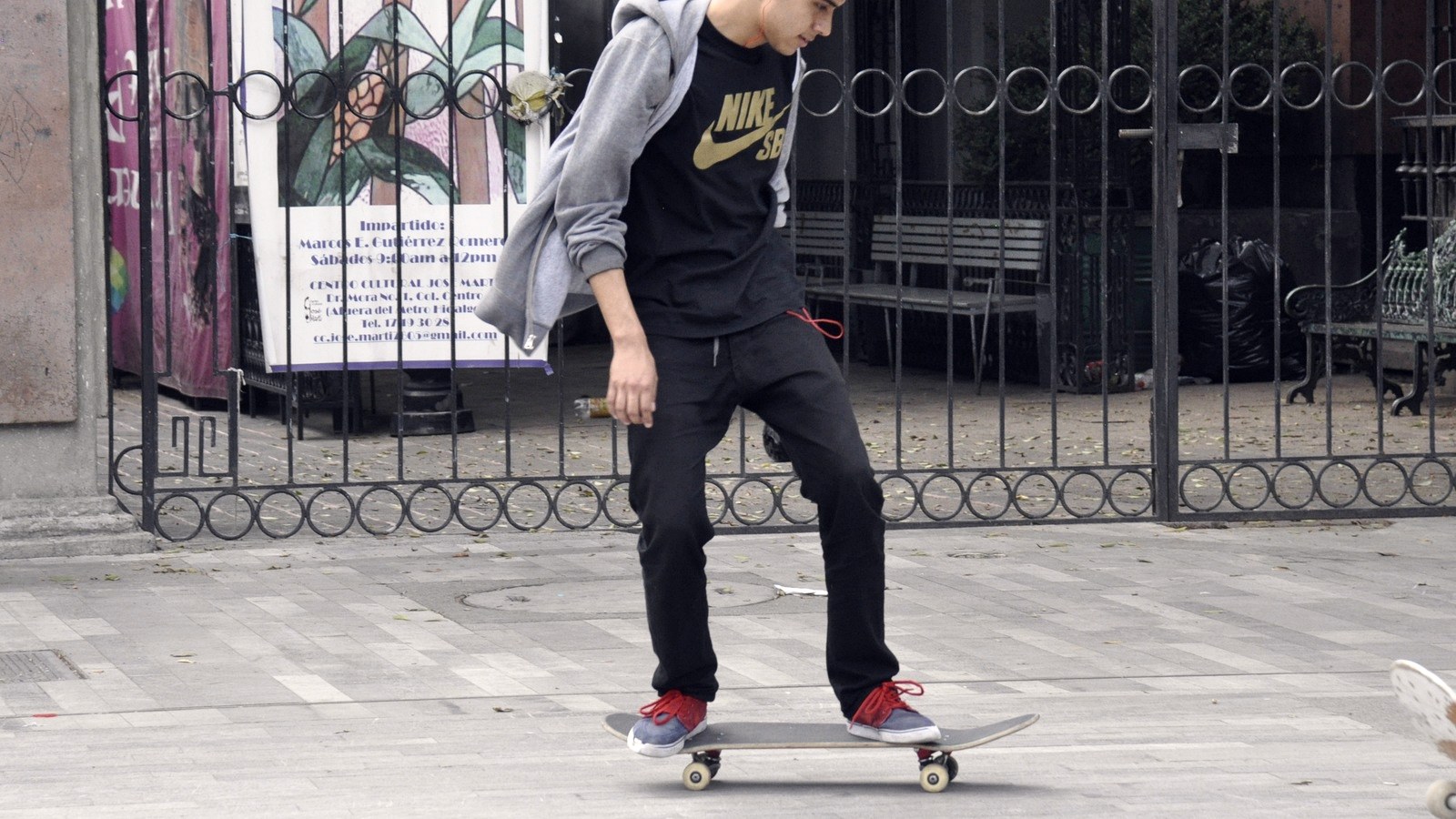
Tony Hawk puts it more harshly: he files the pressure flip under "old school" tricks, forgotten by the generations that came after. He's right, and that's exactly what makes it worth a look today — almost nobody works on it, so almost nobody knows it lands way faster than a kickflip.
The pressure flip in 6 steps — no big ollie required

- Set your back foot at an angle on the tail — not centered, on the heel-side corner. That offset is what creates the rotation. Front foot stays chill, flat, over the front bolts.
- Roll slow — brisk walking pace. Standing still, the board grabs and won't turn; too fast, and you'll never find it again.
- Crush it, don't crack it — you press the corner of the tail toward the ground while scraping slightly backward. The feel has nothing to do with an ollie: it's a wringing motion, not a sharp snap.
- Jump and pull your knees up — your front foot leaves the board straight up, pushing nothing. Let it drag and you kill the rotation.
- Watch the board come back — it does its rotation way lower than a kickflip. You catch it with the front foot first, then set the back one down.
- Check your tail before you go again — the scraping eats through the wood three times faster than a regular ollie. Once the tail is worn down, the board doesn't spin the same.
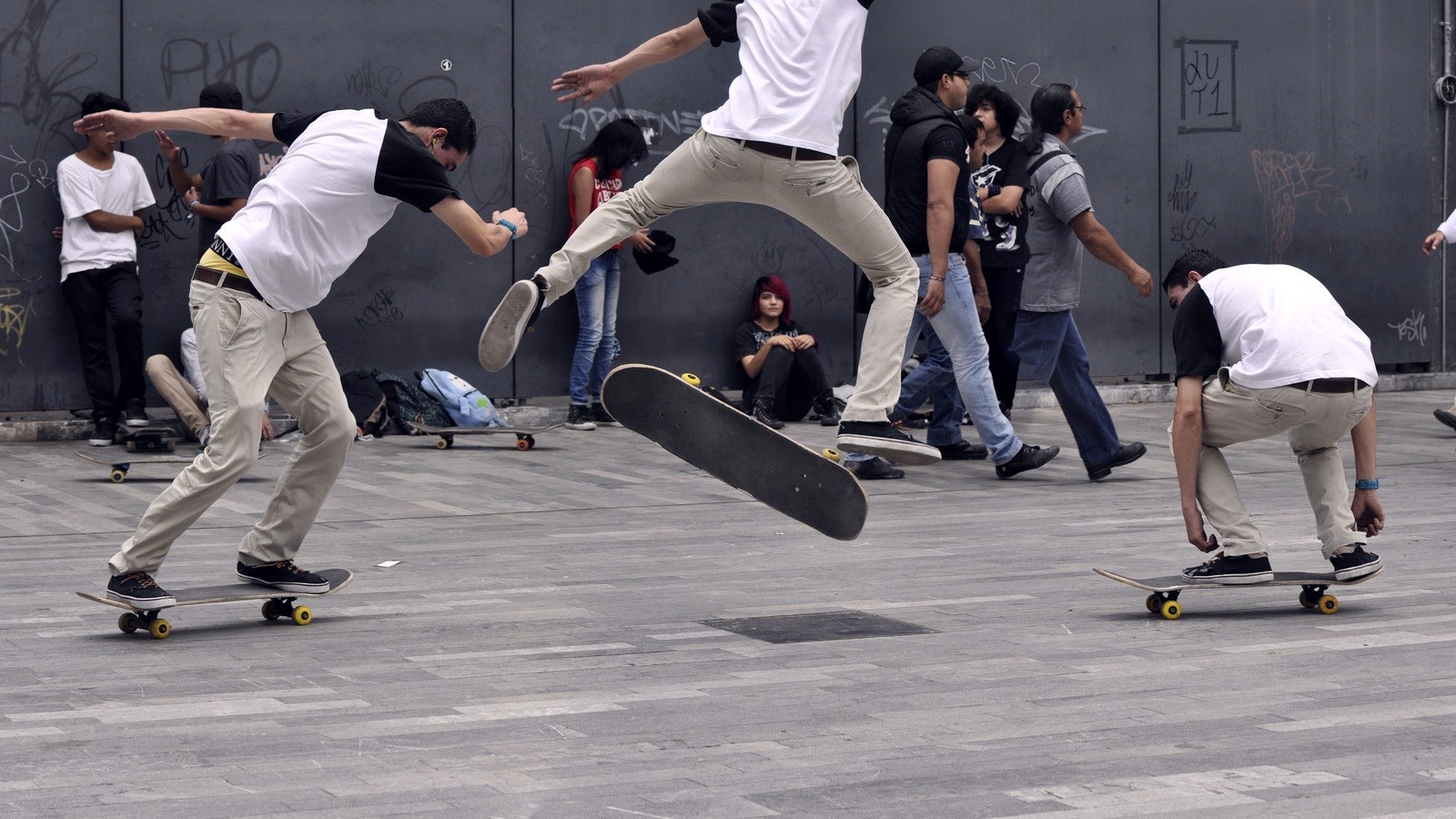
The kickflip is 44 years old and it still won't go quietly
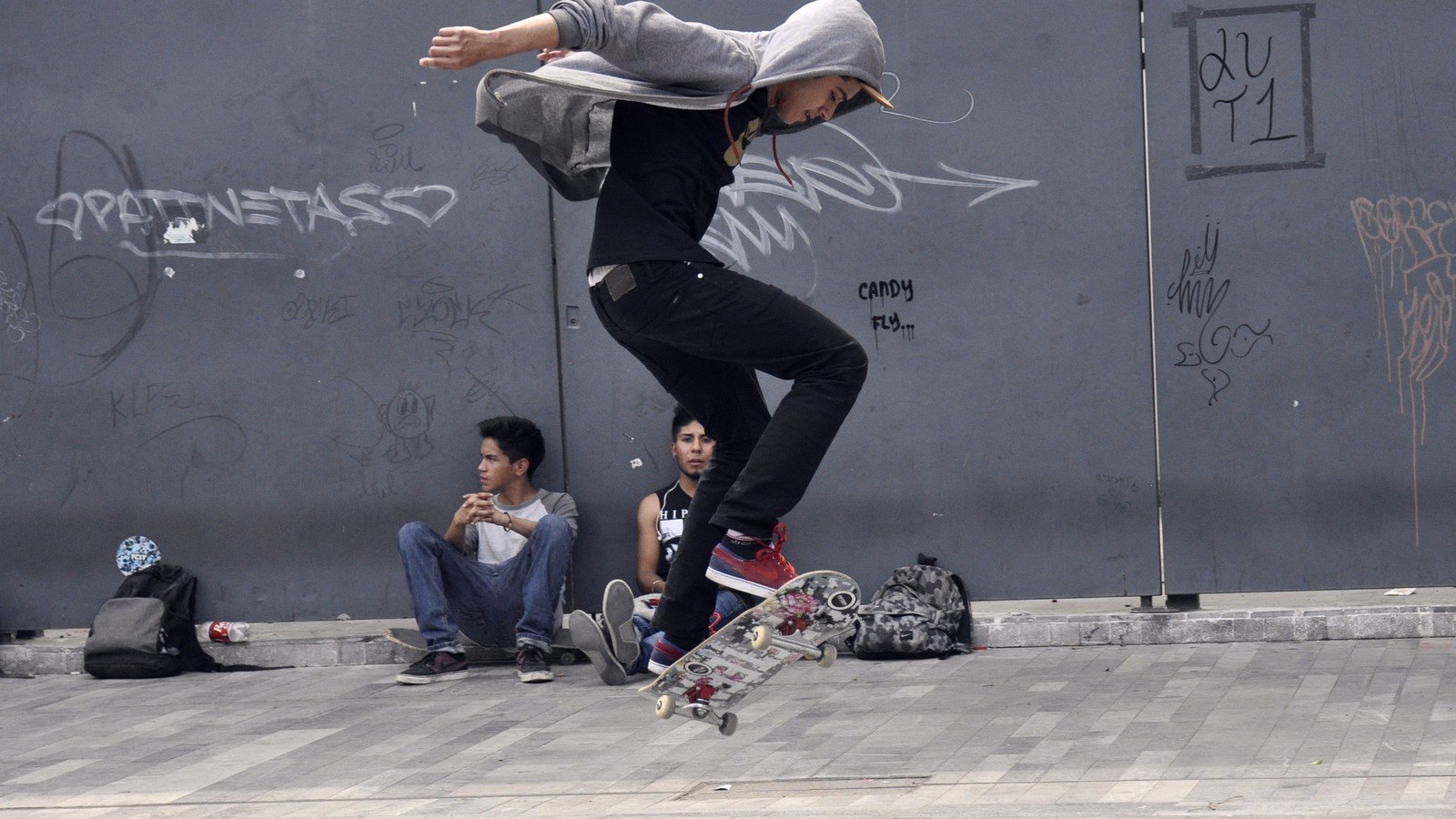
Rodney Mullen invented the kickflip in 1982, in a barn in Florida. Back then he called it the "magic flip." Forty-four years later, it's still the first flip trick everybody wants to land — and that's not just tradition talking.
The kickflip is built on your ollie. You pop the tail, you rise, and only in the air does your front foot flick off the front corner of the board to spin it. Two motions, two feet, in the right order. It's harder — but that mechanic is what carries over to the heelflip, the varial, the tre flip, and pretty much every flip trick out there.
The pressure flip teaches you almost nothing you can carry anywhere else. It lands fast, it looks good on video, and that's where it stops. That's the whole nuance of this matchup — and we're coming back to it in two minutes. If you want the full breakdown of the motion, we took the kickflip apart step by step in this guide.
What it actually changes
The day a flip trick finally lands, you stop being at your board's mercy. You're not watching it drop and hoping anymore, you know where it's going to be. That's the exact moment you go from "someone who owns a skateboard" to "someone who skates" — and it changes how you roll up to the park way more than any $200 setup.
What gear actually matters (and what doesn't)
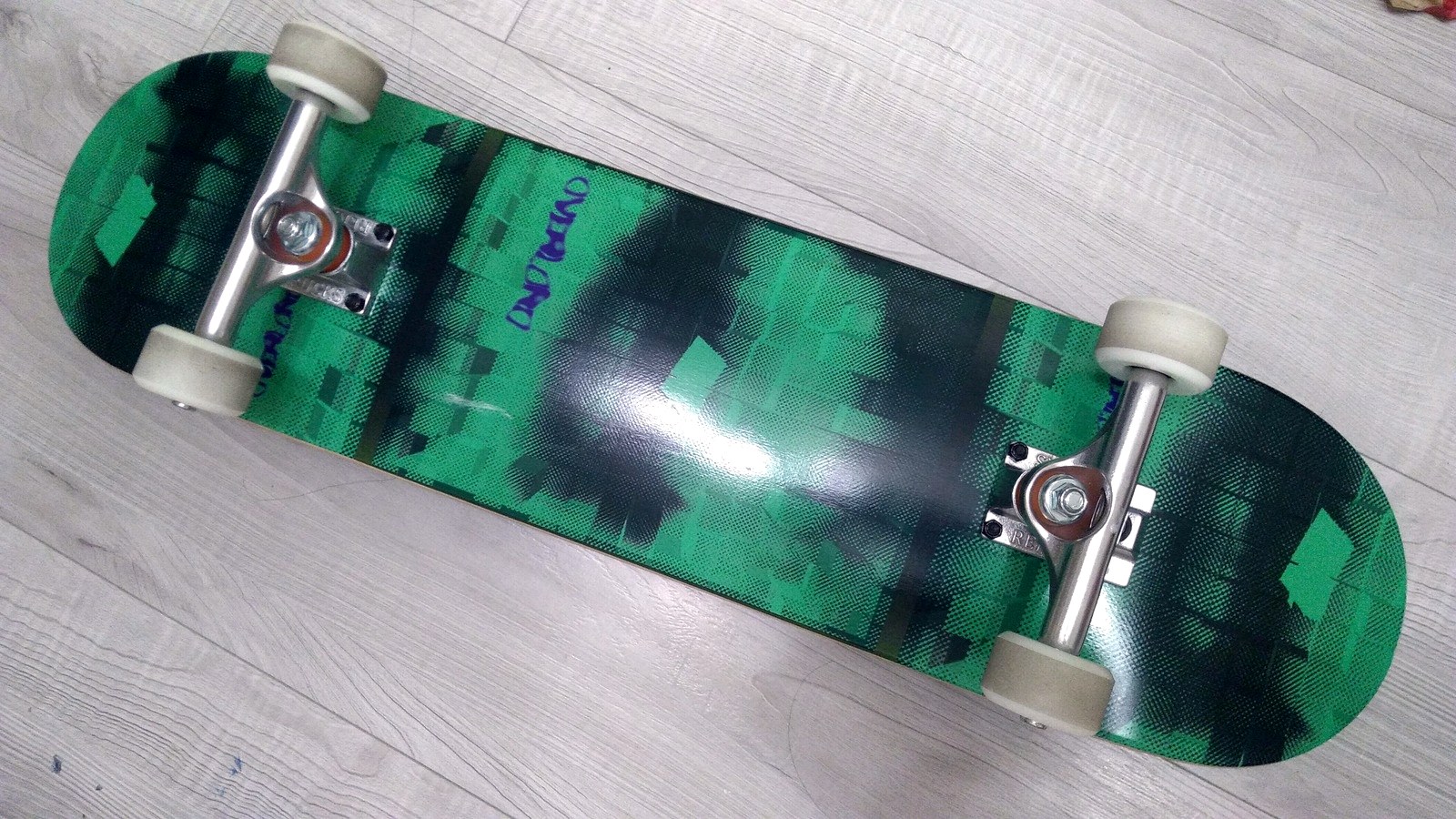
On an ollie, you crack the tail: the wood takes a hit, but a quick one. On a pressure flip, you scrape it across the concrete on every single try. Three hundred tries in an afternoon and a cheap deck gives you a rounded-off tail with no pop left. That's the one serious reason to spend a little more on a board while you're working on flips.
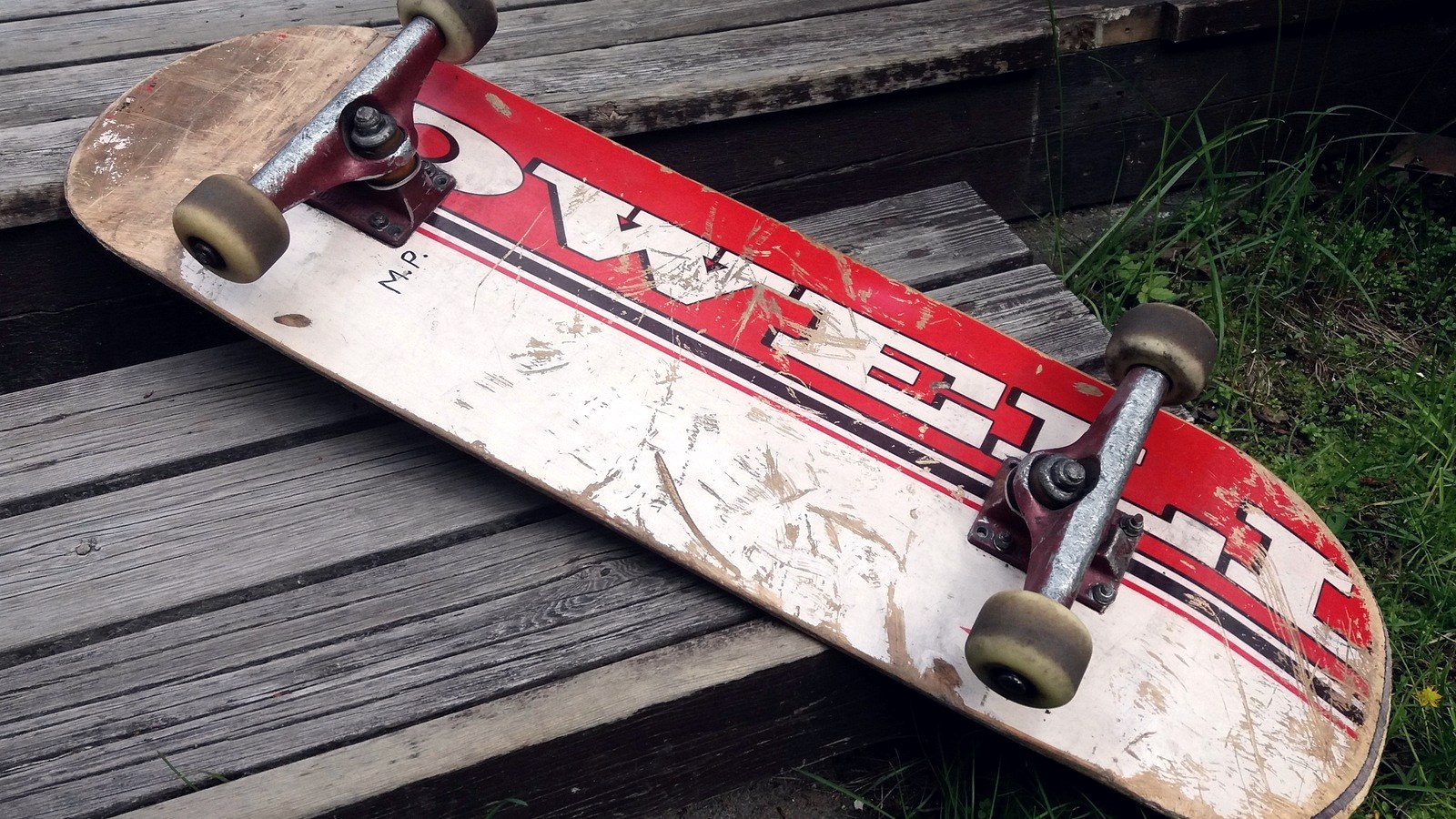
What counts: 7-ply pressed Canadian maple and a dense tail. The brands that hold up on that front: Real and Santa Cruz, two safe bets you'll find between 55 and 75 € for the deck alone, at Skatedeluxe or your local shop.
What doesn't matter: the graphic under the board, the brand of your wheels, and how much your shoes cost. On the other hand, grip that's still alive, absolutely — that's what keeps your back foot from sliding off when you crush the corner of the tail. Slick Mob Grip means ten blown pressure flips in a row with no idea why.
- 8.0″ — the forgiving size — US men's 8-9.5. Wide enough to save a sketchy catch, light enough to spin fast.
- 8.25″ — bigger frame — US men's 10 and up. More stable on the landing, a touch slower to flip.
- 7.75″ — small feet — US men's 4-7. The board spins itself, landings get tighter.
- Grip before anything else — 10 € that'll land you more tricks than a 90 € deck.
So which one do you learn first?
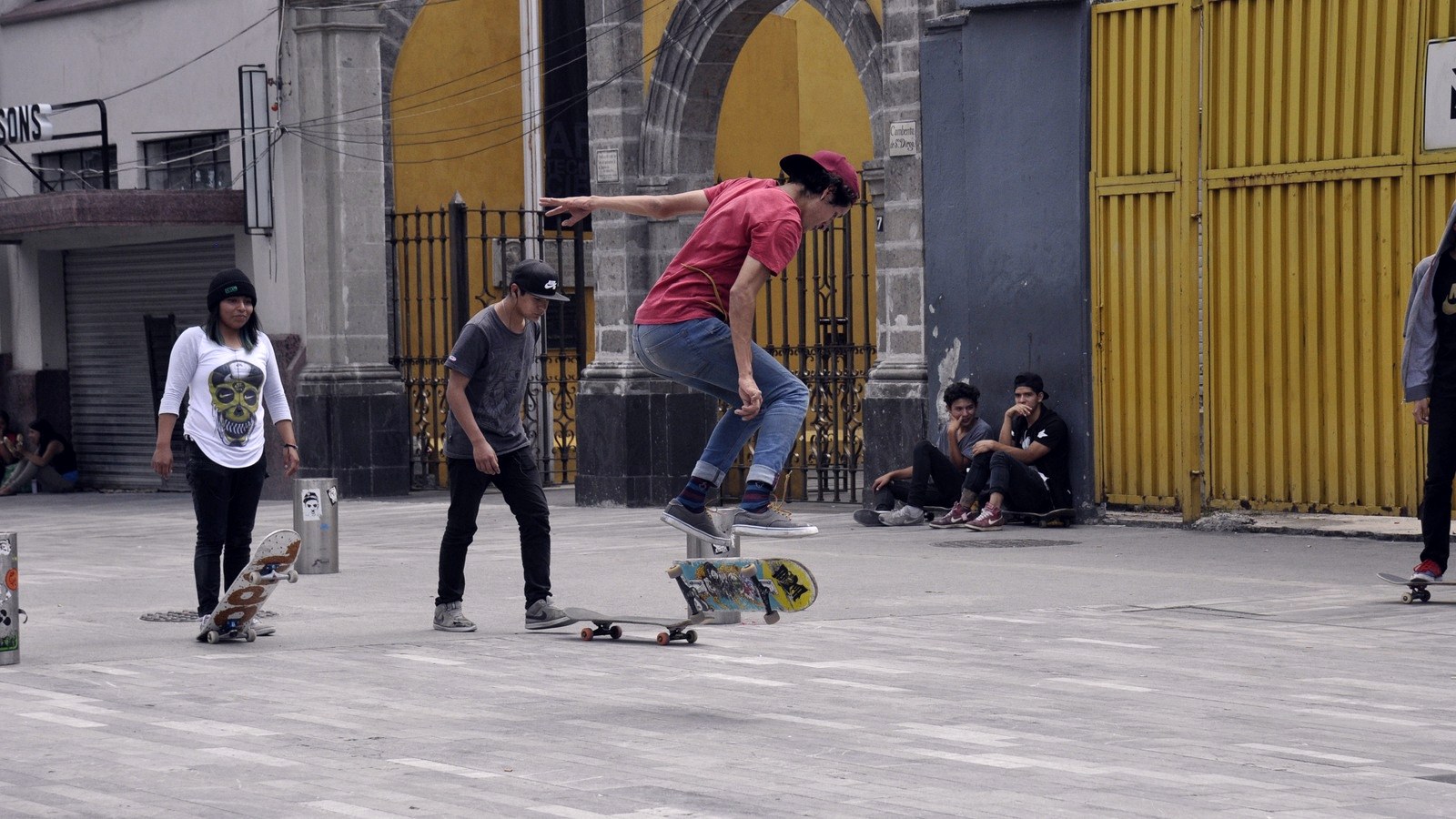
Here's the answer, straight up, and it comes down to one thing: where your ollie is at.
Ollie popping 6 inches or more, while rolling? Go straight for the kickflip. Not the pressure flip. You already have half the motion in your legs, and the kickflip opens up the entire flip family after that. Every week you spend on the pressure flip at this stage is a week you don't get back.
Ollie not leaving the ground yet, or you can't stay on it while rolling? Take the pressure flip. It asks for no pop, it usually lands within two or three sessions, and it gives you the one thing you're actually missing at this stage: proof that your board can do a full rotation and come back under your feet. That click is worth more than any advice.
One condition though, and it's non-negotiable: the pressure flip is a doorway, not a house. The day your ollie is clean, you switch to the kickflip and you don't look back. The skaters who stay stuck on the pressure flip for two years, you spot them instantly at the park — they've got one flip trick, exactly one, since 2019.
Frequently asked questions
Is the pressure flip cheating?
No, it's a legit trick in its own right, older than most of what you see today. The knock on it is that it isn't built on an ollie, so it doesn't set you up for anything else. Some skaters look down on it for that reason. That's not a judgment on you, it's a technical argument that's thirty years old.
How long does it take to land a pressure flip?
Figure two to four sessions if your rolling balance is decent — way quicker than a kickflip. Just don't confuse "landing it" with "landing it clean": the version where both feet touch down at the same time takes longer.
Can I work on both at the same time?
Yes, but not in the same session. The two back-foot motions are opposites — snap on one, scrape on the other — and your body takes a while to keep them separate. Alternate by day instead: pressure flip one day, ollie and kickflip the next.
Does my board really wear out faster with pressure flips?
Yes, on the tail only. The scraping rounds off the wood where an ollie just marks it. On a decent deck it holds up for months, on a big-box board a few weeks.
Now you know which one to attack this weekend, and why. The rest is volume: nobody ever landed a flip by reading an article. Everybody struggles at the start, including the ones filming lines today.
Ride on.
How high does your ollie actually pop, honestly ? Drop your number and how long you've been skating. Tell us in the comments ↓
Follow NOSK8 where you hang out
Parts, spots, behind the scenes: it all drops on the accounts first.
Le lexique
-
1
pressure flip
Figure où la planche tourne uniquement sous la pression du pied arrière sur le coin du tail, sans coup de pied avant.
-
2
kickflip
Figure inventée en 1982 : la planche fait un tour complet sur son axe long, lancée par le pied avant après un ollie.
-
3
tail
Extrémité arrière relevée de la planche. C'est elle qu'on claque pour décoller et qu'on racle sur un pressure flip.
-
4
ollie
Saut de base du skate : on claque le tail au sol et on fait monter la planche avec les pieds, sans les mains.
-
5
heelflip
Variante du kickflip où la planche est lancée par le talon du pied avant, et tourne dans l'autre sens.
Shop NOSK8
Voir toute la boutique →
TEE-SHIRTS
TEE-SHIRT NOSK8® P.B HEART #PHILI
Le prix initial était : 35,00 €.29,00 €Le prix actuel est : 29,00 €.
TEE-SHIRTS
TEE-SHIRT NOSK8® MATRICE HEART #CMD
Le prix initial était : 35,00 €.29,00 €Le prix actuel est : 29,00 €.
TEE-SHIRTS
TEE-SHIRT NOSK8® P.B HEART #PARIS
Le prix initial était : 35,00 €.29,00 €Le prix actuel est : 29,00 €.
TEE-SHIRTS
TEE-SHIRT NOSK8® P.B HEART #PARENTALADVISORY
Le prix initial était : 35,00 €.29,00 €Le prix actuel est : 29,00 €.
TEE-SHIRTS
TEE-SHIRT NOSK8® P.B HEART #BARÇA
Le prix initial était : 35,00 €.29,00 €Le prix actuel est : 29,00 €.
CASQUETTES
CAP NOSK8® P.B #POLARBEAR
Le prix initial était : 35,00 €.25,00 €Le prix actuel est : 25,00 €.
CASQUETTES
CAP NOSK8® N8 #NOSK8
Le prix initial était : 35,00 €.25,00 €Le prix actuel est : 25,00 €.
CASQUETTES
CAP NOSK8® P.B.P #PAW
Le prix initial était : 35,00 €.25,00 €Le prix actuel est : 25,00 €.
HOODIES
HOODIE NOSK8® P.B HEART #NYC
Le prix initial était : 60,00 €.49,00 €Le prix actuel est : 49,00 €.
HOODIES
HOODIE NOSK8® P.B HEART #ORIGINAL
Le prix initial était : 60,00 €.49,00 €Le prix actuel est : 49,00 €.
HOODIES
HOODIE NOSK8® P.B HEART #PHILI
Le prix initial était : 60,00 €.49,00 €Le prix actuel est : 49,00 €.
HOODIES
HOODIE NOSK8® MATRICE HEART #CMD
Le prix initial était : 60,00 €.49,00 €Le prix actuel est : 49,00 €.
HOODIES
HOODIE NOSK8® P.B HEART #POLARBEAR
Le prix initial était : 60,00 €.49,00 €Le prix actuel est : 49,00 €.
SWEAT
SWEAT NOSK8® P.B HEART #BARÇA
Le prix initial était : 45,00 €.39,00 €Le prix actuel est : 39,00 €.
SWEAT
SWEAT NOSK8® P.B HEART #PHILI
Le prix initial était : 45,00 €.39,00 €Le prix actuel est : 39,00 €.
SWEAT
SWEAT NOSK8® P.B HEART #NYC
Le prix initial était : 45,00 €.39,00 €Le prix actuel est : 39,00 €.
SWEAT
SWEAT NOSK8® P.B HEART #PARIS
Le prix initial était : 45,00 €.39,00 €Le prix actuel est : 39,00 €.
SWEAT
SWEAT NOSK8® P.B HEART #POLARBEAR
Le prix initial était : 45,00 €.39,00 €Le prix actuel est : 39,00 €.
Continue ta lecture
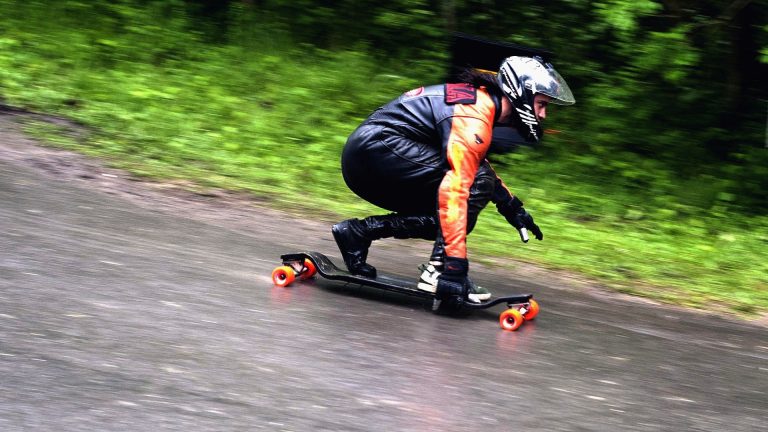
ÉvénementsSLS Tempe, résultats : 3 Japonaises sur le podium femmes — le street bascule-t-il pour de bon ?
Podium 100 % japonais chez les femmes, 0,3 point d'écart chez les hommes : tous les résultats du SLS Tempe Takeover, quatrième stop du Championship…
Commentaires (0)