

June 11, 2026 — the race for the LA28 Olympics restarts. Here’s what’s really changing.
Five weeks. That’s how long until the global skateboarding calendar starts counting points for Los Angeles 2028 again. On June 11, World Skate opens the Olympic qualification window. And pros will have to choose between SLS cash, WST points, or both for the crazy ones. Here’s what’s at stake.
⏱ Reading: 5 min

The WST window opens June 11, 2026
Date locked by World Skate. The World Skateboarding Tour Phase 1 runs from June 11, 2026, to March 31, 2028. This is the only funnel to Phase 2 (April-June 2028), which will select athletes for LA28 — street and park, men and women.
Each WST event awards points. The final standings are calculated based on the best results from the last 18 months. Three athletes max per nation per event, plus six bonus spots if you’re in the world’s top 30, 60 days before the contest. The system is designed to reward consistency, not an isolated flash of brilliance.
Quick comparison with previous editions: in Tokyo 2021, Olympic skateboarding was new, everyone was fumbling around. In Paris 2024, we skated on raw talent and hot streaks — Yuto Horigome’s SLS record that same year said it all. For LA28, we’re moving to an organized system: rankings, points, staged qualifications. Less room for improvisation.
22 months to grab points
The 2026 calendar already includes several stops on parallel circuits: Sydney in February, West Coast US in April, East Coast in May, Brazil in August, France in October, Japan in November, Brazil in December. Except that’s the SLS Tour. Not the WST.
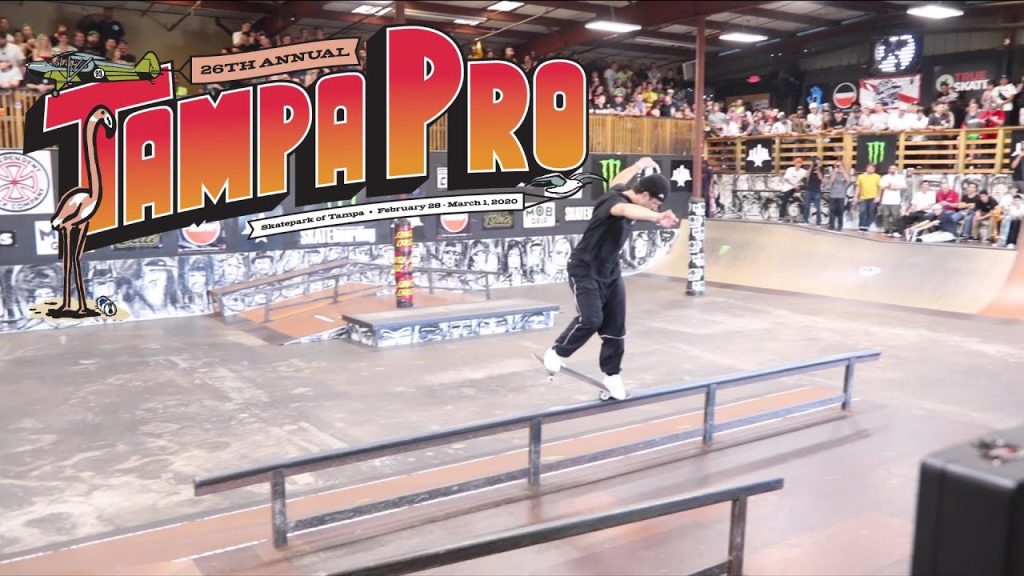
Official WST events will be unveiled gradually by World Skate in the coming weeks. Likely: a mix of Opens (Rome, Sao Paulo, Shanghai), Pro Tours, and Continental Championships. Tampa Pro and the SLS, however, won’t award Olympic points — but will remain the barometer of current form.
For a pro, it becomes a boxer’s scheduling dilemma. At 18-22, you chain them together. At 25-28 with two parallel series, your body demands choices.
Why pros will have to choose
SLS means immediate cash, global audience, brand partnerships — like the recent deal with BMW M that made part of the scene wince. Best Trick, Big Section format, showmanship, cameras. It pays right away.
WST means Olympic points, institutional sponsors, national federations, and a 2028 podium spot. Strictly judged technical format, run + best trick, no unnecessary show. It pays long-term: medal, post-Olympics contracts, student-athlete status.
A Yuto Horigome or a Coco Yoshizawa can juggle both: full team, funds, shared program. An intermediate rider or a rookie will have to choose. That’s where it gets political: agents and federations will pull pros towards WST, brands towards SLS.
The French in ambush
Aurélien Giraud — Tokyo medalist, Paris semi-finalist, pure experience. Probable delegation leader for LA28 if his knees hold up.
Vincent Milou — clean street technique, world top 16, knows how to land a flawless run. The type of profile WST favors.
Charlotte Hym — mom, announced return, tougher than ever. If she gets back to Tokyo level, she’ll bring home a medal.
Lucie Curutchet — the strong pushing young generation. Park or street, she can surprise the selections.
France placed two skaters in Paris 2024. For LA28, the unofficial goal is three minimum. That means WST podiums in 2026-2027, not Instagram buzz.
And for you, what changes
Concretely: the FFRS will announce national pre-selection sessions in the next six months. If you’re ranked amateur or young pro, your 2026-2027 agenda just got rewritten. First WST events live on World Skate platforms (free, multi-cam). If an open passes through Rome, Berlin, or Barcelona, it’s worth the trip.
And for the streets? Nothing changes. That’s almost the best part. The Olympics move federal budgets, institutional sponsors, and equipment contracts — a Powell-Peralta deck under an Olympic medalist’s feet is still just a deck. The culture, it lives elsewhere: in crew clips, burned spots, footy posted at 2 AM.
Pros will determine where they put their energy in the next 22 months. It’s worth watching. It’s rare to see a sport so clearly arbitrate, live, between two parallel economic models. On June 11, 2026, the clock starts. At LA28, we’ll know who read the map right.