
ℹ️ 🛹 Web Média Skate 🛹 ℹ️

Spots
Why Philly refused $1 million for LOVE Park?
À 92 ans, l'urbaniste qui avait dessiné LOVE Park l'a traversé en skate pour défier sa ville. Quatorze ans plus tard, elle rasait la place.

→ Pour aller plus loin : Staline dynamité en 1962, son socle devenu un spot culte à Prague : qui l’a sauvé des bulldozers ?
At 92, the urban planner who drew LOVE Park skated across it to challenge his city. Fourteen years later, she was tearing the square down.
On October 28, 2002, a 92‑year‑old man slipped on a bike helmet over his suit and trench coat. Two young guys held him by the shoulders. He planted his feet on a skateboard in the middle of a granite square opposite Philadelphia’s City Hall, and he rolled. About four and a half meters. Then he stopped, turned to the TV cameras, and said, “God, thank you, thank you, thank you, my whole damn life was worth it just for this moment.”
This guy is Edmund Bacon. He’s not a skater. He’s the urban planner who designed modern Philadelphia’s downtown, and that square is his domain. That day he deliberately broke his own city’s rule. He’d warned the press the day before: he wanted to “skate across LOVE Park and get arrested.”
Fourteen years later, the square was torn down. In the meantime, the city turned down a million dollars, cashed in on the X Games, posted a guard day and night, and chased away the kids who’d made its name famous all the way to Lebanon and Bhutan. So why?
A square to hide a parking lot
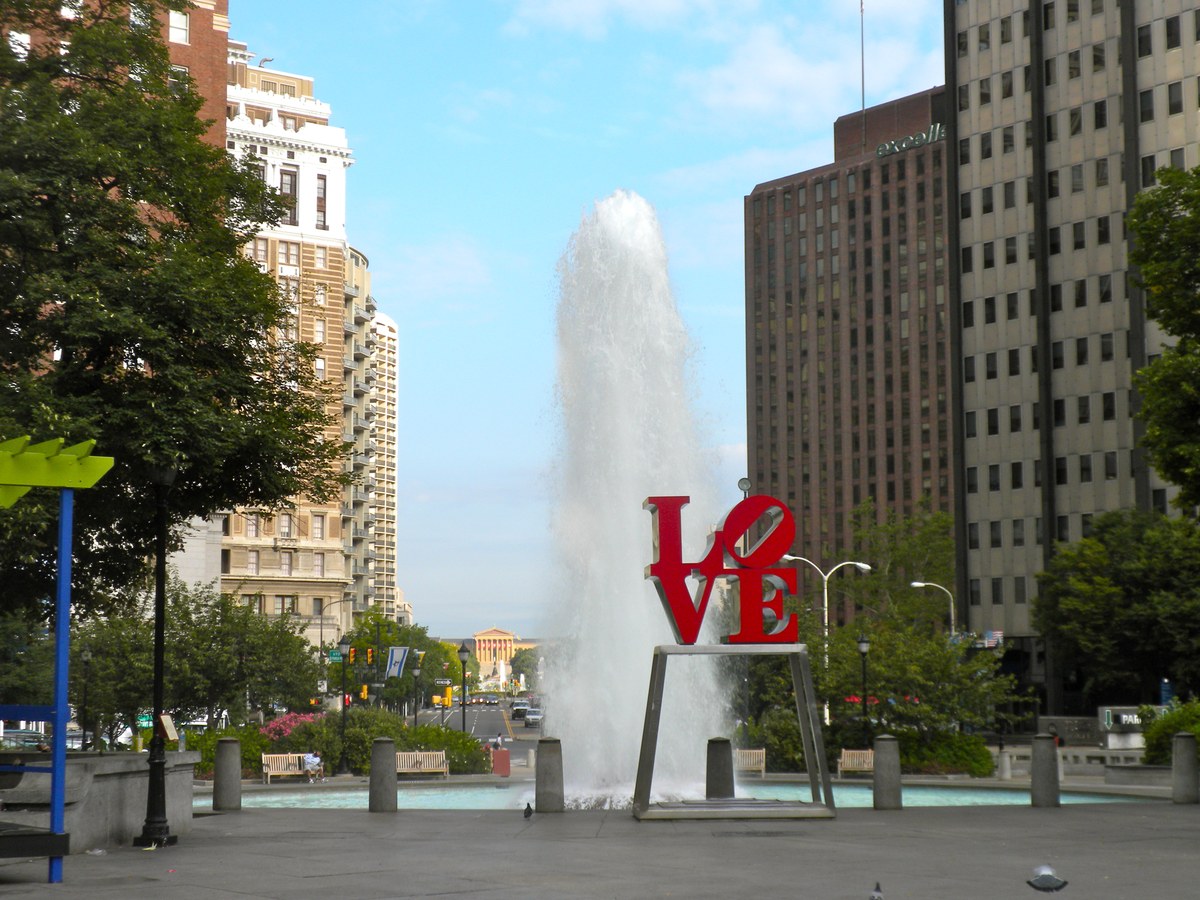
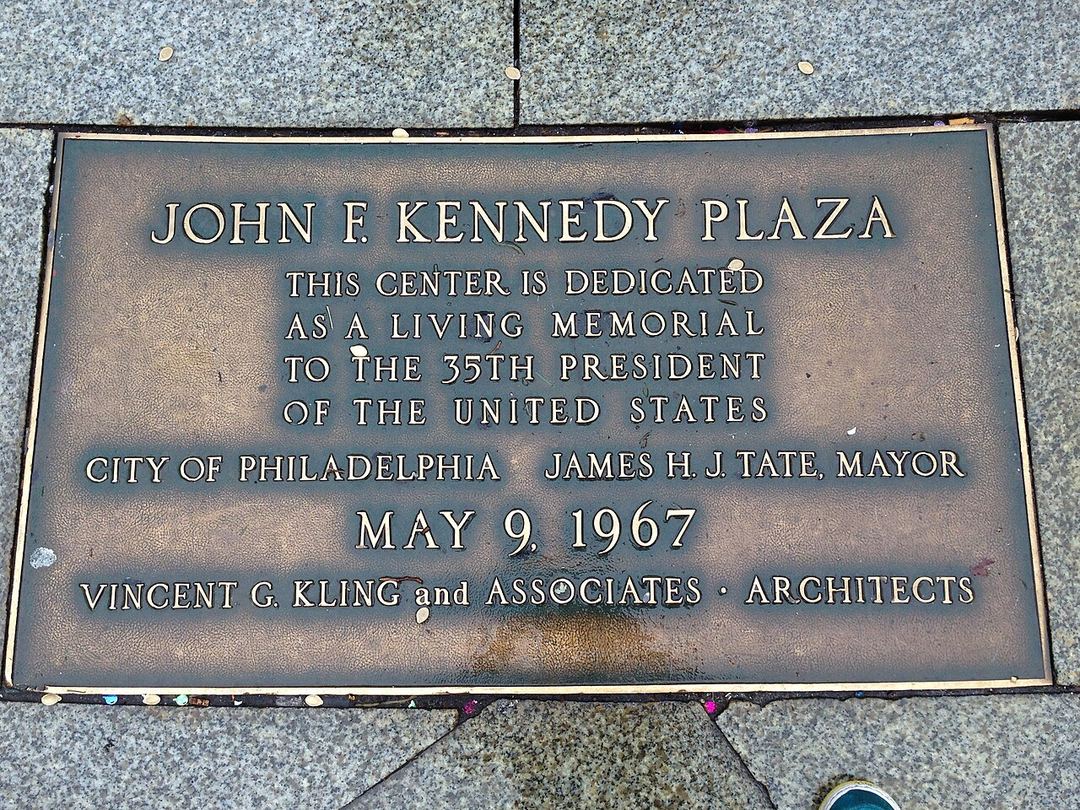
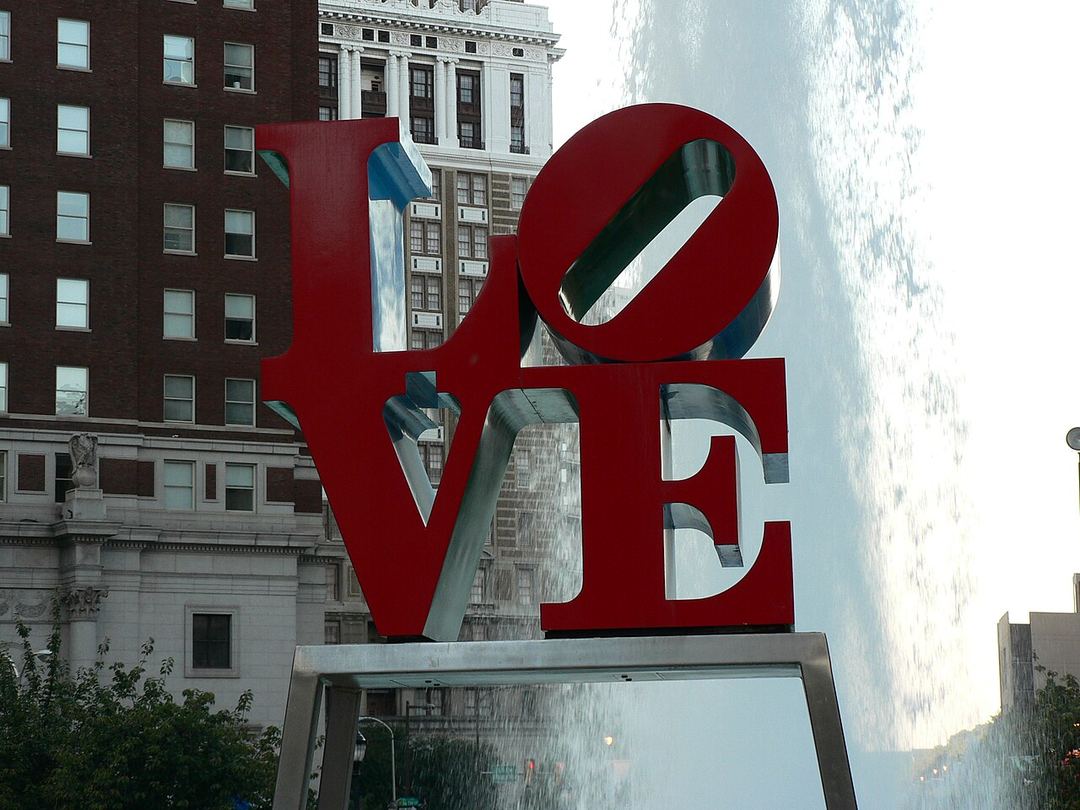
Officially, the spot is called John F. Kennedy Plaza. Nobody calls it that. Everyone says LOVE Park, thanks to Robert Indiana’s red sculpture perched above the big fountain: four stacked letters, the O tilted, that you’ve definitely seen on a mug or a tee‑shirt.
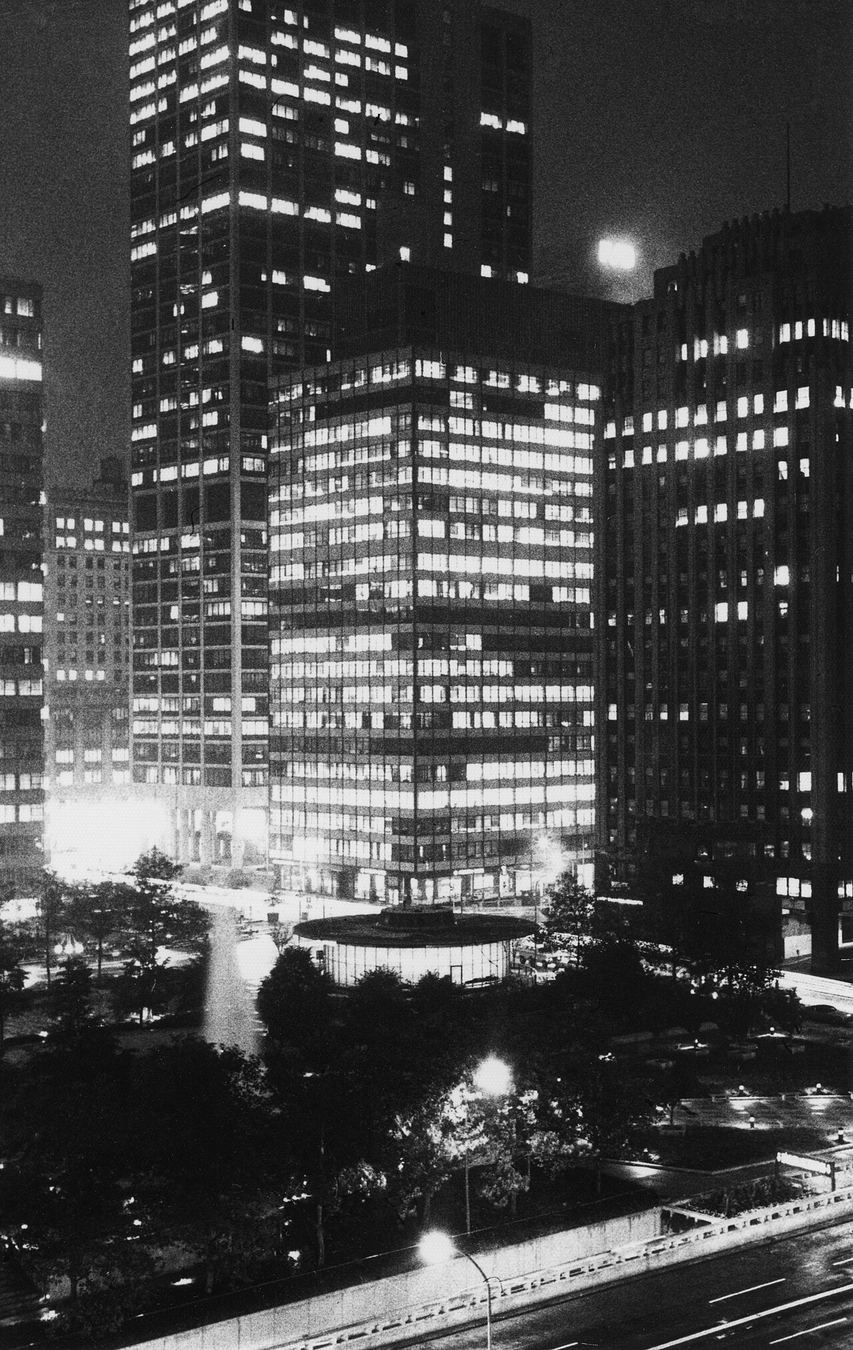
The idea dates back to 1932. Edmund Bacon was then an architecture student at Cornell, and his senior thesis imagined a new downtown for Philadelphia, with a square at its heart. He traveled, worked in Shanghai and Michigan, fought in the war, returned home, and joined the city’s planning commission. In the early 1960s, with his former classmate Vincent Kling, he finally sketched his square. His first role was very prosaic: cover an underground parking lot.
LOVE Park opened in 1965. The sculpture came in 1976, first for a while, then for good in 1978. For years it was just a square. Office workers ate lunch there, and the rest of the time it emptied out. In the '80s, according to writer Maxwell Neely‑Cohen for BuzzFeed News, the spot was pretty neglected, dealers hanging out on the edges.
That void is where skaters show up.
The spot nobody saw coming
For someone who doesn’t skate, a square is just a square. For a rider, it’s a map. Every curb, every step, every rise is a possibility or an obstacle. Most spots have one cool feature: a stair ramp, a wall at the right height. LOVE Park had dozens.
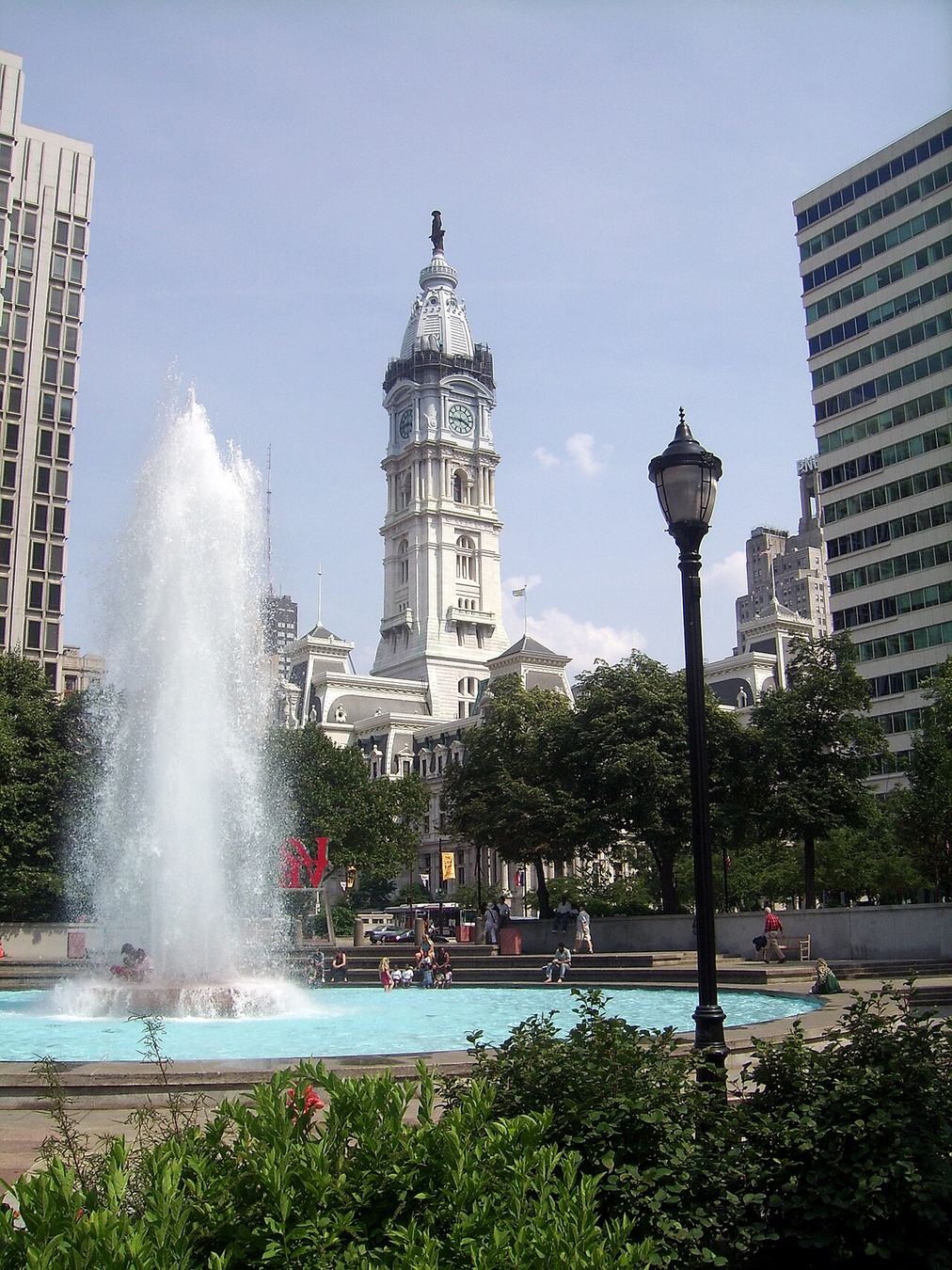
Smooth granite curbs, all heights, straight or curved, chaining one after another. Stairs in multiple sizes. And the “fountain gap”: in winter the fountain is drained, and skaters jump from the top of the square straight into the basin, taking off right next to the LOVE sculpture. Neely‑Cohen calls it the most photogenic spot in skate history. The half‑circle bleachers served as a viewing area.
In 2016, on NPR, Jeff Lutezo, who’d been skating there since 1987, summed it up better than any architect: “It looked like it was built for skate, but it wasn’t.” He added: “It was our home. Sometimes I’d sleep here.”
What Bacon and Kling had sketched out for lunch‑time tie‑and‑suit outfits was, unbeknownst to them, the perfect playground for a discipline that hadn’t really taken shape yet: street skate.
From Philly to the Whole World
Mid‑90s, something rare was happening: an East Coast spot became the epicenter of the skate world, which had been circling California. Videos and mags were all about LOVE. Stevie Williams' part in Transworld’s “The Reason” was shot almost entirely on the square, opening with cops pulling skaters aside. Josh Kalis turned it into his playground. Ricky Oyola, Kerry Getz, a young Chris Cole—names kept dropping.
Neely‑Cohen, who skated there as a teen, found the comparison the most on‑point for a newcomer. Crossing paths with those guys on the square, he wrote, was like heading to Chicago in ’96 and playing hoops with Michael Jordan and Scottie Pippen on their own court. Except afterward you’d share a pretzel with them at the corner street vendor.

By 2000, the square even made it into the video game Tony Hawk's Pro Skater 2. Millions of teens who’d never set foot in Pennsylvania knew the fountain, the sculpture, and the steps by heart. Neely‑Cohen says he was asked if he’d skated LOVE in Lebanon, South Africa, Bhutan, China, Spain, and Thailand. In London, 2008, Nabil, a 19‑year‑old Iraqi architecture student whose family fled the war, asked him first thing: “Did you ever experience LOVE when it was LOVE?”
A city that wanted to pull in visitors had a globally recognized image for free. It decided to fight it.
Also read : Stevie Williams founds DGK in 2002: what’s the difference between getting paid to ride and becoming a boss?
What the archives say: the fine war
Skating was banned on the square early on. According to the Wikipedia article on the park, the first ban came in 1984. Neely-Cohen, however, dates specific bans to 1994 and 2000. Both accounts line up on the essentials: in the '90s, the police made hunting skaters a habit, with a bunch of tickets.

What does that actually look like? Neely-Cohen was 14 on April 7, 2001, when he dropped his board on the granite for the first time. Fifteen minutes later, a guy in a tee‑shirt and faded jeans slapped him on the ground. Behind him, a second, out of breath, flashed a badge: plainclothes cops. His dad paid the fine, then had the report framed.
Alexis Sablone, now an architect and Olympic skater, went through the same scene at the same age. She hid in a back alley while her friends—kids from Boston and Connecticut—were taken to different precincts. Her recap, quoted by Neely-Cohen: “It was LOVE and it was Philly… plainclothes cops chasing 14‑year‑olds.”
And here’s the detail that makes the story absurd. In 2001 and 2002, Philadelphia hosted the X Games, the big televised extreme sports event, with skateboarding on the lineup. According to Neely-Cohen, the city raked in $80 million in revenue. And just after, in 2002, the John Street council raised the fine to $300. They put skate on TV, then chased it off the streets.
What the archives say: the renovation aimed at skaters
Early 2002, the city announced some work. Officially, a renovation. In reality, Wikipedia and Neely‑Cohen describe the same thing: tear out whole sections of granite to replace them with grass, making the square less skatable. A guard is posted day and night.
On April 22, 2002, skaters protested. Transworld Skateboarding reports that an elderly blind woman takes the mic to accuse the city of turning kids into troublemakers, then pushes a few meters on a board she’s borrowed.
Six months later, Edmund Bacon steps onto the board. He brings Vincent Kling, the architect who drew the square with him. Before rolling, he gives a speech. “Philadelphia is against the youth of the world!” he declares, according to Transworld, calling on the mayor to come to the square every day, smile on his face, shake the hands of skaters from all over the globe. Then the proclamation that BuzzFeed transcribed: “I, Edmund N. Bacon, in total defiance of Mayor Street and the Philadelphia City Council, exercise my rights as a U.S. citizen and skate deliberately in my beloved LOVE Park.”

The image circulates through the media. Kevin Bacon’s dad, who helped shape modern Philadelphia, challenges his city on a board at 92. The New York Times mentions him in his obituary in 2005. Nothing changes. The work goes on.
The million dollars the city turned down
There’s one more episode, the most telling for anyone interested in public money. In 2004, Wikipedia says DC Shoes offered to pay for the square’s upkeep, on one condition: skateboarding must be allowed. Neely‑Cohen writes that DC offered Mayor John Street a million dollars a year to keep the square open. Both architects, Bacon and Kling, had opposed bans from the start.
Think for a second what that means. The city spends money to patrol the square and millions to renovate it against skaters. A private company offers to cover the bill. They say no.
The aftermath is costly too. After 2002, the square is guarded 24/7 for fourteen years. Neely‑Cohen talks about millions of dollars of public money spent on surveillance, probably more than needed to maintain the edges. And most Philly‑born pros end up moving elsewhere.
Then comes the end. In February 2016, the city kicked off the demolition and full rebuild of the square. The new mayor, Jim Kenney, lifted the ban on skaters for five days, just before the bulldozers rolled in. A farewell gift.
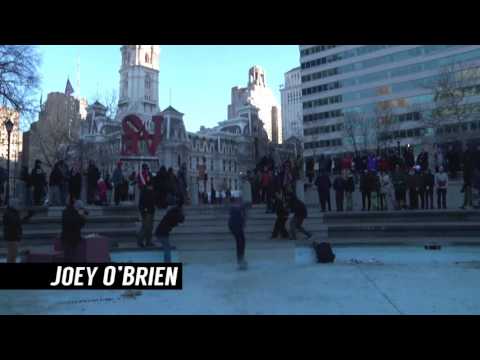
NPR was there. Aaron Grisham drove six hours from Suffolk, Virginia, to catch LOVE before it vanished. It was freezing cold, skaters were burning branches in trash cans to warm up. And at least one of them lifted a granite slab to bring it home. The new square has more greenery, less concrete, and none of the elements that made it a myth.
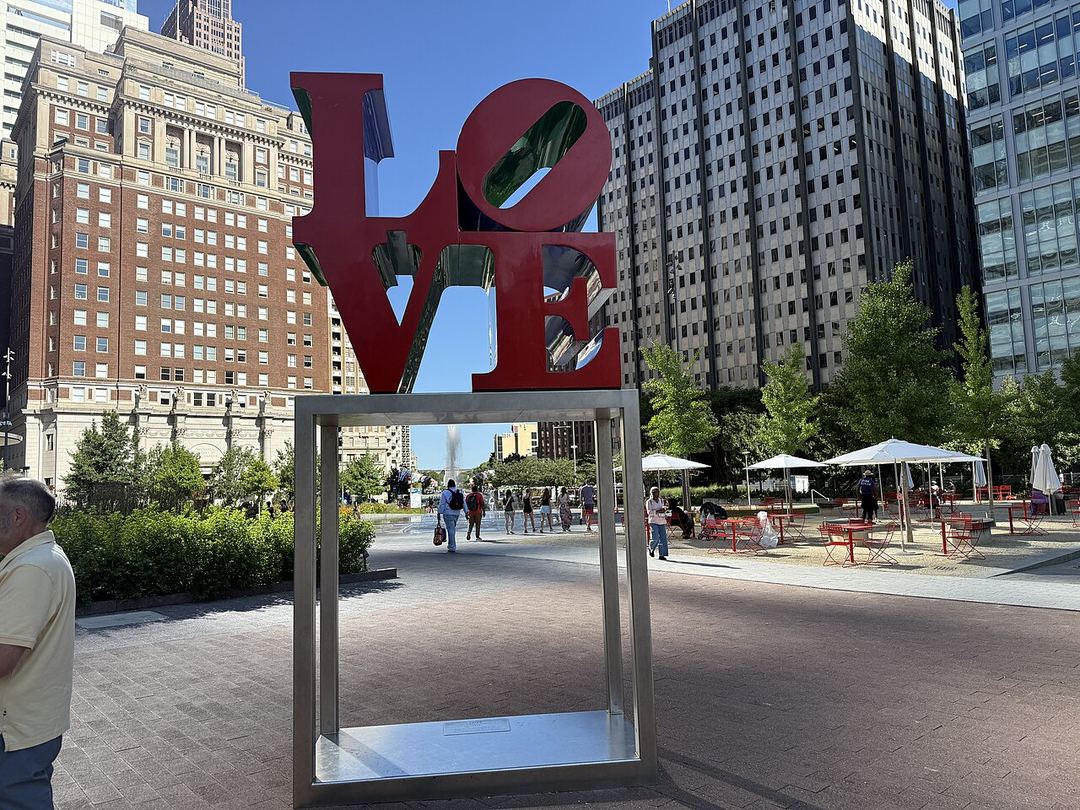
So why did Philly say no to the million?
You’d expect a money story: a developer, a real‑estate project, a tower instead of steps. That’s not it. Money, the city had it on hand. It cashed in on the X Games. It turned down DC’s. It paid out of its own pocket years of surveillance and a multi‑million renovation.
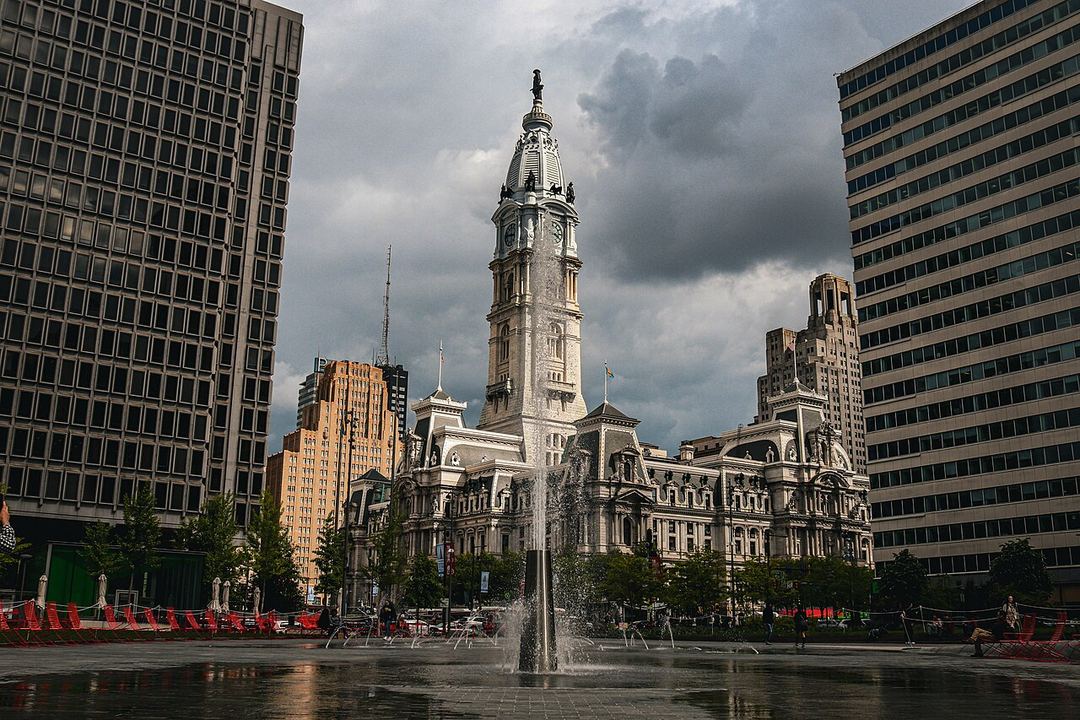
The real answer is political. LOVE Park was right across from City Hall. Every day, elected officials and civil servants looked out their windows at teens in hoodies slapping their boards on the city’s granite. Neely‑Cohen puts that in context: the era of the “broken‑windows” theory and Giuliani’s New York, where any hint of disorder in public space had to be erased. Mayor Street, CEO Joe Martz, councilman Michael Nutter: they saw only public‑property decay.
What they didn’t see was that some of those kids were going to become global stars backed by Nike, and that the square owed them their fame. Neely‑Cohen puts it in one line: it wasn’t a story of capitalism crushing art, it was a lack of imagination.
Philadelphia didn’t turn down DC’s million, then tear down LOVE Park, because the square was too pricey or someone else thought it was gold. They tore it down because they couldn’t stand seeing their youth take over the city’s best public space, right in front of the town hall, without asking for permission. And the guys who drew it, Bacon and Kling, stuck with the skaters all the way.
Read also : “Zero or die” in 2011, split in 2014: why Chris Cole left Zero after 13 years?
What it means, from Malmö to us
The epilogue is set in Sweden. In 2024, the city of Malmö recovers a large chunk of the original granite, which had been sleeping since 2016 in a municipal dump overrun by weeds, to rebuild part of the square. According to Jenkem, it all started with a phone call: Gustav Eden from Skate Malmö called Philadelphia from his municipal email address. Filmmaker Brian Panebianco had measured the lip heights before the demolition, just in case. Other pieces had already been used elsewhere, at Josh Kalis’s TF and the 7th Street skatepark in Wilmington, Delaware.
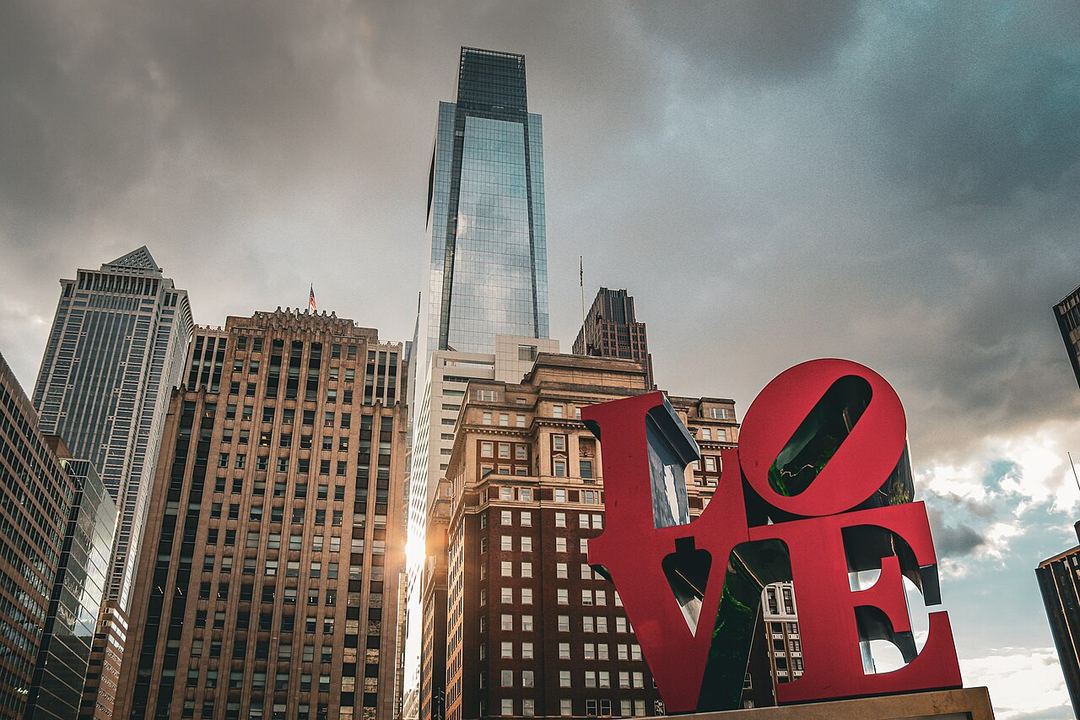
Gustav Eden said this, as reported by Jenkem: “Malmö has no claim on LOVE Park. No one, except Philadelphia’s skaters. It’s your heritage, you created it.” A Scandinavian city acknowledges what the original city refused to see.
The contrast with London is brutal. At the South Bank, skaters eventually won against a development project. In Philadelphia, they didn’t even have a developer across from them: just a town hall. And they lost.
For us in France, the question pops up every time a public space gets covered in anti‑skate benches, metal pins, or off‑limits lawns. LOVE Park shows what a city loses when it only sees youth as a traffic issue: a global image, visitors from the ends of the earth, and the respect of the people who built its reputation without asking for anything in return.
What we couldn’t figure out
No one, to our knowledge, has ever done a serious study on what skaters were reporting in Philadelphia in the ’90s and 2000s. Neely‑Cohen himself notes it: the lost revenue is “impossible to know.” So we’re not making it up here.
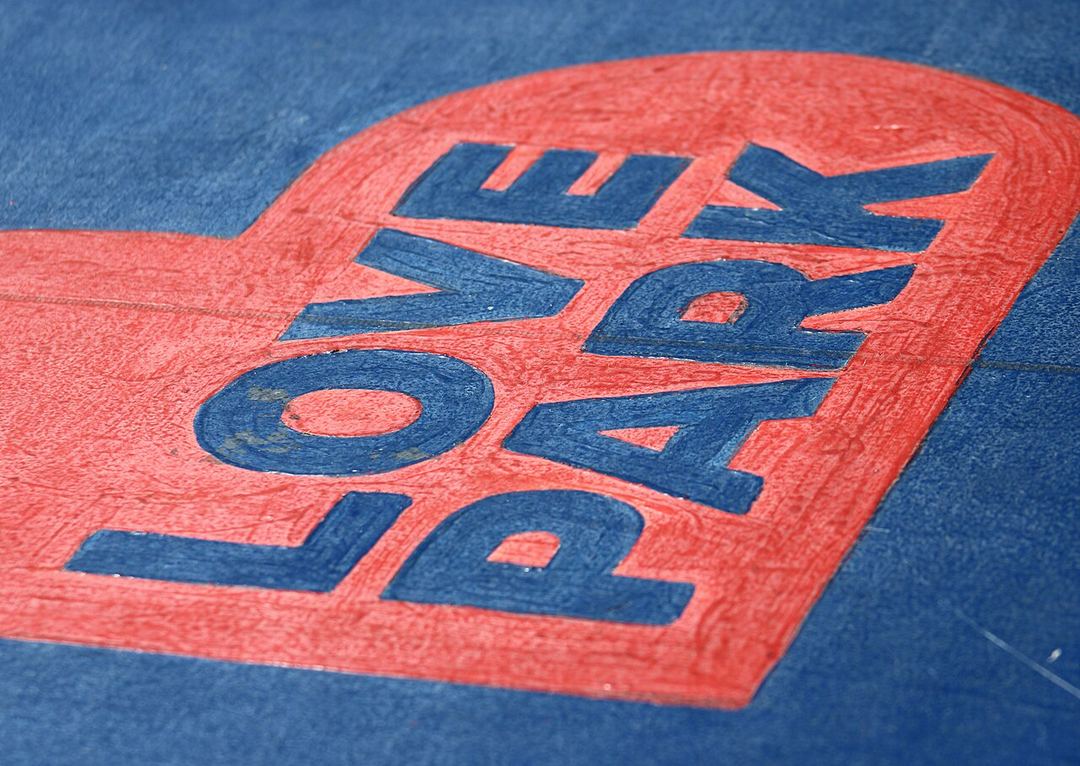
Two points remain fuzzy in the archives. The date of the first ban: 1984 according to Wikipedia, 1994 according to BuzzFeed News. And the exact terms of the DC Shoes offer: a million dollars a year per BuzzFeed News, maintenance coverage per Wikipedia. We couldn’t find a city document setting the amount or duration, so we cited each version with its source.
If you’re dropping in
Spot: a place, often not meant for it, where we come to skate. Rebord (ledge): a stone wall or bench we slide on. Part: the sequence of a skater in a video, often months of shooting for a few minutes. Gap: a void to jump, like the fountain basin at LOVE Park.
Follow NOSK8 where you hang out
Parts, spots, behind the scenes: it all drops on the accounts first.
Shop NOSK8
Voir toute la boutique →
TEE-SHIRTS
TEE-SHIRT NOSK8® P.B HEART #PHILI
Le prix initial était : 35,00 €.29,00 €Le prix actuel est : 29,00 €.
TEE-SHIRTS
TEE-SHIRT NOSK8® MATRICE HEART #CMD
Le prix initial était : 35,00 €.29,00 €Le prix actuel est : 29,00 €.
TEE-SHIRTS
TEE-SHIRT NOSK8® P.B HEART #PARIS
Le prix initial était : 35,00 €.29,00 €Le prix actuel est : 29,00 €.
TEE-SHIRTS
TEE-SHIRT NOSK8® P.B HEART #PARENTALADVISORY
Le prix initial était : 35,00 €.29,00 €Le prix actuel est : 29,00 €.
TEE-SHIRTS
TEE-SHIRT NOSK8® P.B HEART #BARÇA
Le prix initial était : 35,00 €.29,00 €Le prix actuel est : 29,00 €.

CASQUETTES
CAP NOSK8® P.B #POLARBEAR
Le prix initial était : 35,00 €.25,00 €Le prix actuel est : 25,00 €.
CASQUETTES
CAP NOSK8® N8 #NOSK8
Le prix initial était : 35,00 €.25,00 €Le prix actuel est : 25,00 €.

CASQUETTES
CAP NOSK8® P.B.P #PAW
Le prix initial était : 35,00 €.25,00 €Le prix actuel est : 25,00 €.
HOODIES
HOODIE NOSK8® NOSKATE #NSITA
Le prix initial était : 60,00 €.49,00 €Le prix actuel est : 49,00 €.
HOODIES
HOODIE NOSK8® P.B HEART #BARÇA
Le prix initial était : 60,00 €.49,00 €Le prix actuel est : 49,00 €.
HOODIES
HOODIE NOSK8® P.B CENTRE #ORIGINAL
Le prix initial était : 60,00 €.49,00 €Le prix actuel est : 49,00 €.
HOODIES
HOODIE NOSK8® P.B HEART #PARIS
Le prix initial était : 60,00 €.49,00 €Le prix actuel est : 49,00 €.
HOODIES
HOODIE NOSK8® P.B HEART&BACK #ORIGINAL
Le prix initial était : 60,00 €.49,00 €Le prix actuel est : 49,00 €.
SWEAT
SWEAT NOSK8® P.B HEART #BARÇA
Le prix initial était : 45,00 €.39,00 €Le prix actuel est : 39,00 €.
SWEAT
SWEAT NOSK8® P.B HEART #PHILI
Le prix initial était : 45,00 €.39,00 €Le prix actuel est : 39,00 €.
SWEAT
SWEAT NOSK8® P.B HEART #NYC
Le prix initial était : 45,00 €.39,00 €Le prix actuel est : 39,00 €.
SWEAT
SWEAT NOSK8® P.B HEART #PARIS
Le prix initial était : 45,00 €.39,00 €Le prix actuel est : 39,00 €.
SWEAT
SWEAT NOSK8® P.B HEART #POLARBEAR
Le prix initial était : 45,00 €.39,00 €Le prix actuel est : 39,00 €.
Continue ta lecture
SpotsBurnside Skatepark, Portland — le skatepark illégal devenu légende
En 1990, des skateurs de Portland ont coulé du béton sous le Burnside Bridge sans permission. 35 ans plus tard, Burnside est le skatepark DIY…
Commentaires (0)