


Alexis Sablone Inducted into the 2026 Hall of Fame: The Skater Who Never Wanted to Choose
On January 15, 2026, the Skateboarding Hall of Fame announced its inductees. Among the names: a skater with a Master of Architecture from MIT, a cult part from 2002, and four X Games gold medals. Alexis Sablone is one of contemporary skateboarding’s rarest minds. Let’s start from the beginning.
⏱ Reading time: 5 min
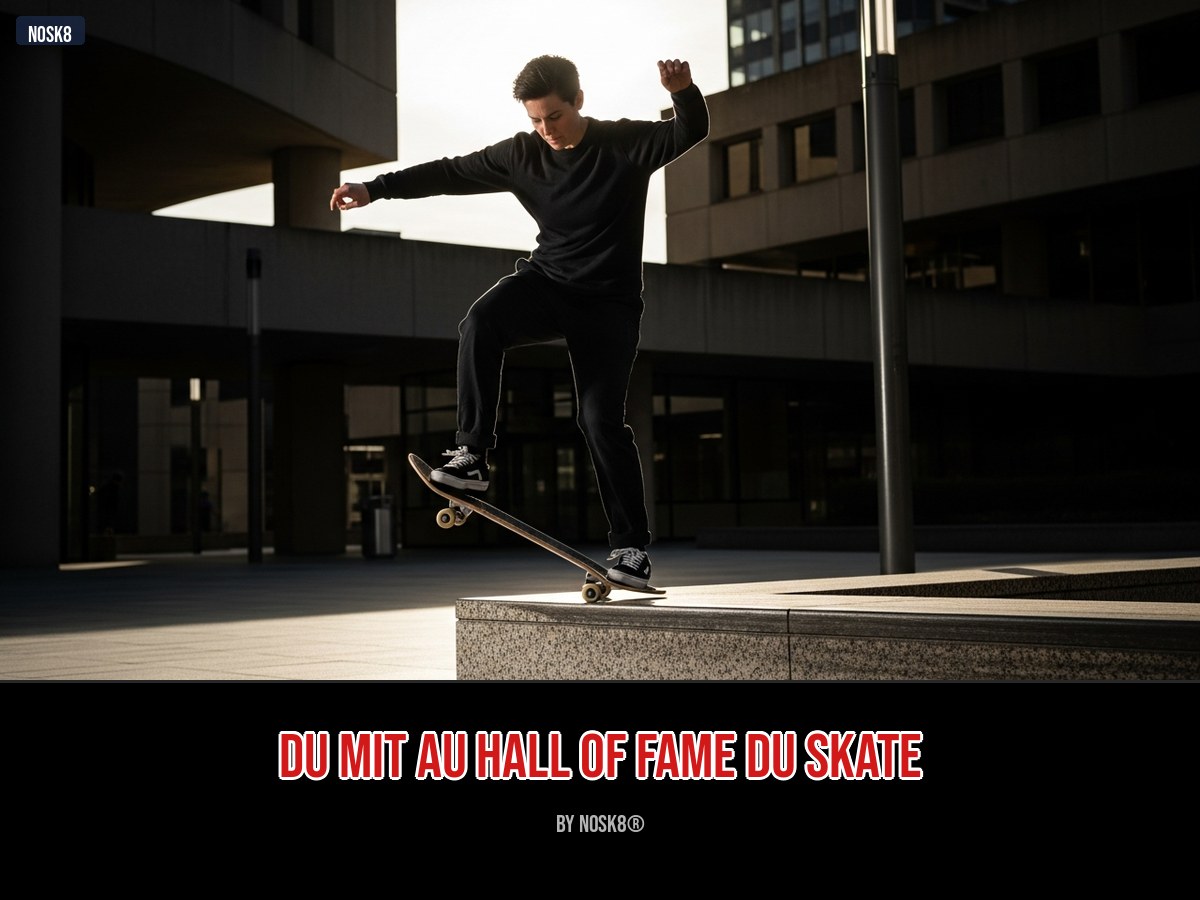
A Pantheon Catching Up
The Skateboarding Hall of Fame released its 2026 list on January 15. Alexis Sablone enters alongside other names the scene knows by heart. No one disputes this induction. It’s rather late for a muse who’s been shining for over twenty years.
Sablone has been skateboarding at a high level since 2002. She took a detour to Tokyo 2020 for the Olympics, accumulated seven X Games medals, designed skateable sculptures, and earned a Master’s degree from MIT. The ceremony is just another line on a resume that didn’t need it.
From PJ Ladd’s Wonderful Horrible Life to Cambridge
Born in 1986 in Old Saybrook, Connecticut, Alexis first picked up a board at ten. In 2002, Coliseum Skateshop released PJ Ladd’s Wonderful Horrible Life, the video that would define an entire decade. Sablone was fifteen. Her part was in it with PJ’s. People still talk about it today.
Immediately after, she left the circuit. Not to stop skateboarding, but to study. Barnard College for art, Copenhagen for a semester at architecture school, then MIT for a master’s degree in 2016. She kept riding in parallel. Converse put her on the roster. She delivered the *Storyboard* part for Thrasher, which she entirely storyboarded in drawings before ever setting foot on the board.
This path has no equivalent in professional skateboarding. You could mention Eric Koston and his business trajectory, but Sablone’s model is different. She built a complete second professional life, in parallel, in a discipline that demands as much brainpower as skateboarding demands legwork.
Tokyo, X Games, and Surgical Precision
Tokyo 2020. First Olympic skateboarding event in history. Alexis finishes 4th in the street final. Fourth, at 35, in a final dominated by acrobatic 13-14 year olds. She delivered perfect, technical runs, but the judging format favored bangers. She narrowly missed the podium.
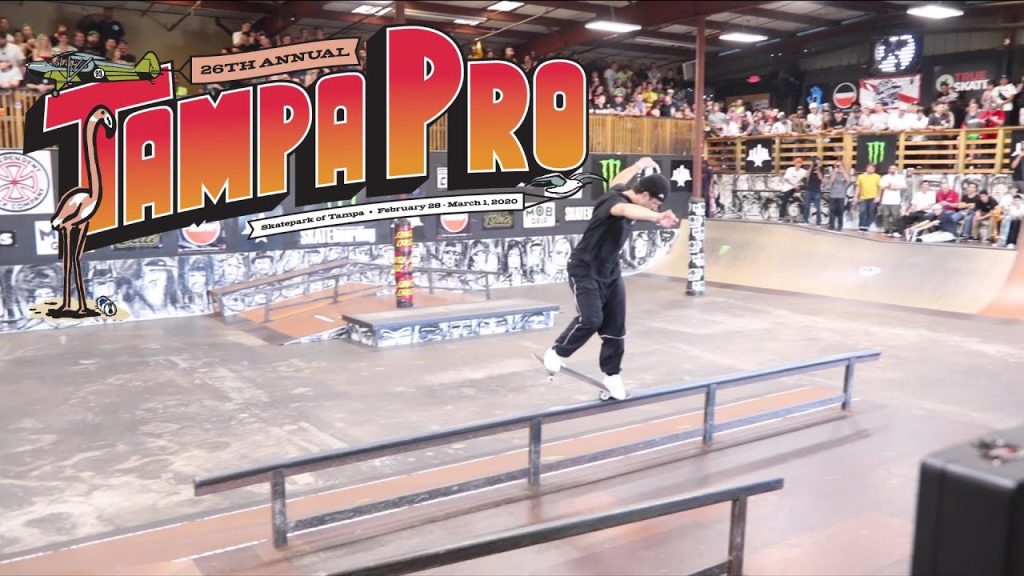
Her true kingdom is the slower, more technical contest formats. At the X Games, she racked up three golds, two silvers, two bronzes. Her skateboarding is an engineer’s work: infinite switch backside tailslides on ledges, perfectly measured frontside crooked grinds, backside lipslides that look calculated with a drafting ruler.
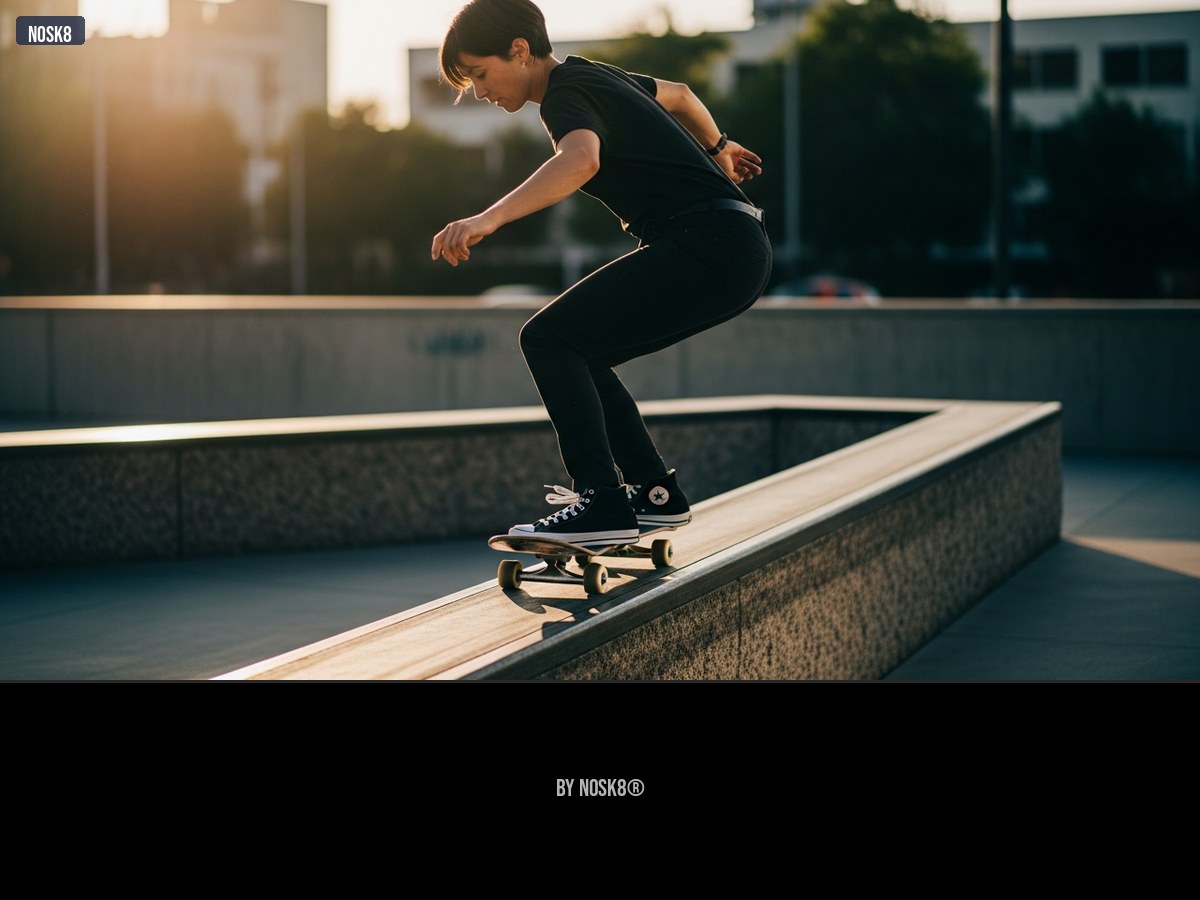
This is skateboarding you re-read frame by frame. No unnecessary flair. Every push justified. You quickly understand she thought out the line before riding it, just like she draws her architectural projects before building them. The setups are as clean as the style: Converse CONS, dark deck, Independent Stage 11 in 139. Nothing more.
Candy Courts: When Skateboarding Becomes Architecture
In 2017, in Malmö, Sablone installed Lady in the Square, a public skateable sculpture in the city center. In 2023, she pushed further with Candy Courts, a disused tennis court in Montclair (New Jersey) that she transformed into a park. Seven colorful, geometric, modular, and demountable elements, designed to be skated as much as admired.
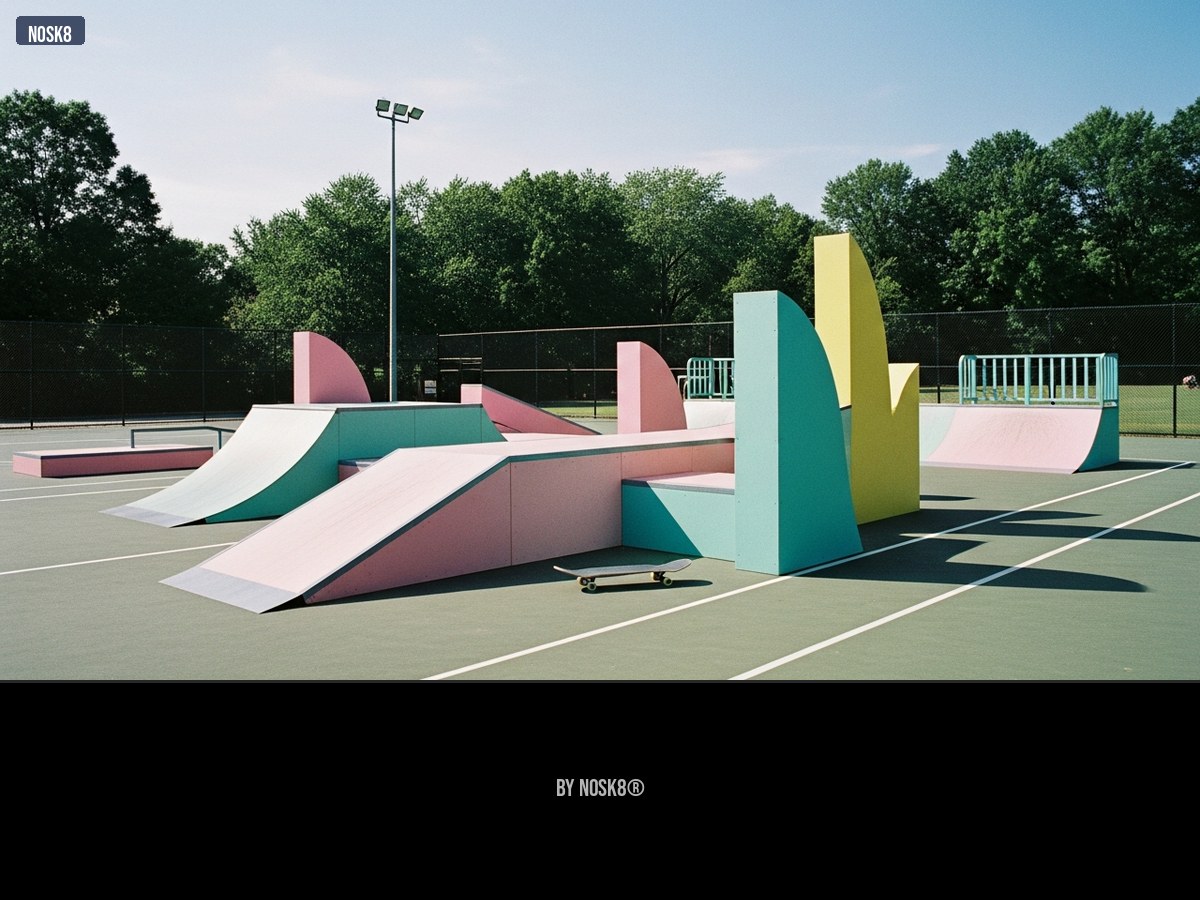
It’s the exact synthesis of her journey. An architect who knows you read a spot with your trucks before you read it with your eyes. Shapes designed to make a bank playable, a ledge accessible, a manual pad readable from the first push. She does what normal urban planners never manage to do: urban furniture that understands skateboarding from the inside.
For Paris 2024, she also designed the Team USA Skateboarding uniforms. Makes sense. Someone who understands pads, skinning, and the textile constraints of a competition outfit is extremely rare at this level.
What Sablone Changes for the Future
The Hall of Fame induction comes at the right time. The teenagers who saw her in Tokyo have grown up. Chloe Covell, Rayssa Leal, Liz Akama fill the Street League rosters. The previous generation, the one that opened the door, is starting to enter the pantheon. Lizzie Armanto last year, Sablone this year.
The model she offers is rarer than any list of achievements. You can do both. You can be a pro since your teens and enter MIT at 28. You can skateboard at the highest global level and sign off on an architectural project. You don’t have to choose between the two sides of your life. For young girls hesitating to put away their board when college comes, that’s a message worth all the medals.
The Fully Flared generation redefined what a part could contain. Sablone, in her own way, redefines what a professional career can contain. Not bad for a kid from Connecticut who started skateboarding in front of her garage.
We read every comment