
ℹ️ 🛹 Web Média Skate 🛹 ℹ️

★ Spots
20 Years of Malmö Building for Its Skaters: So What's It Actually Like in the Streets?
Stapelbäddsparken, Kroksbäck, Sibbarp : ce que la politique skate de Malmö a réellement produit en vingt ans — et ce qui a vraiment tenu.

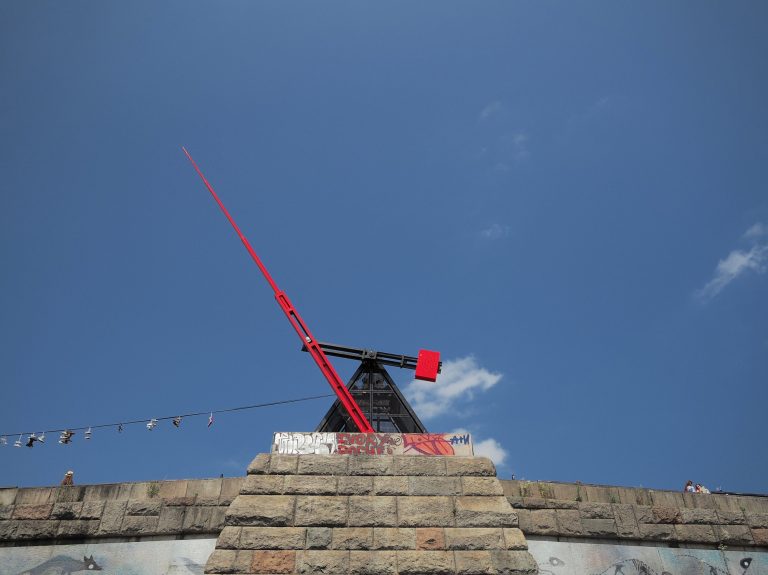
→ Pour aller plus loin : Staline dynamité en 1962, son socle devenu un spot culte à Prague : qui l’a sauvé des bulldozers ?
Back in 2005, a Swedish city hall poured concrete over an old shipyard so kids could skate it. Free, open, no hours, no club, no membership card. Twenty years later, Malmö still carries the tag of "most skateable city in Europe." Except that tag was slapped on by people who've never set a board down there.
We went back through the whole story from the start: who paid, how many spots it actually produced, and what's left today when you roll up with your bag. The answer is more interesting than the postcard.
2005: The City Pours 1,800 m² of Concrete on an Abandoned Shipyard
Västra Hamnen, the western harbor. Up until the '80s, this is where Kockums ran the show — cranes, slipways, ships. Then the industry shut down and the city was left with a whole district to reinvent. A local skate association, Bryggeriet, founded in 1998, showed up with an idea nobody had asked for: put a concrete park on the lot.
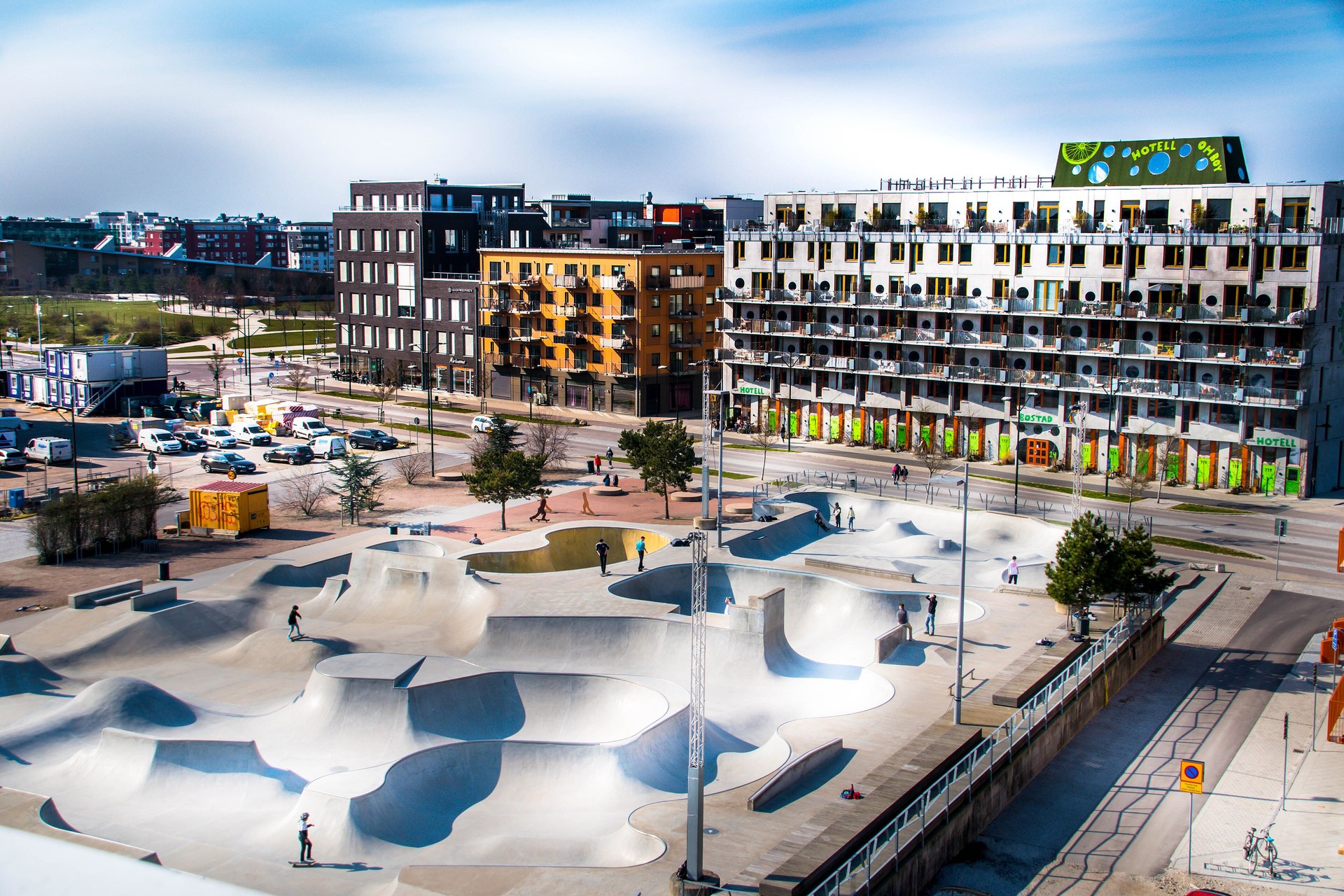
The city said yes. The design went to Stefan Hauser, a builder who works transitions, not catalog pieces. Fall 2005, Stapelbäddsparken opened with 1,800 m² of poured concrete. The site has grown since — the city now talks about roughly 5,300 m² and the biggest outdoor park in Northern Europe. The name comes from the slipway preserved on site, Stapelbädd 7. They kept the shipyard's skeleton and dropped the skating right into it.
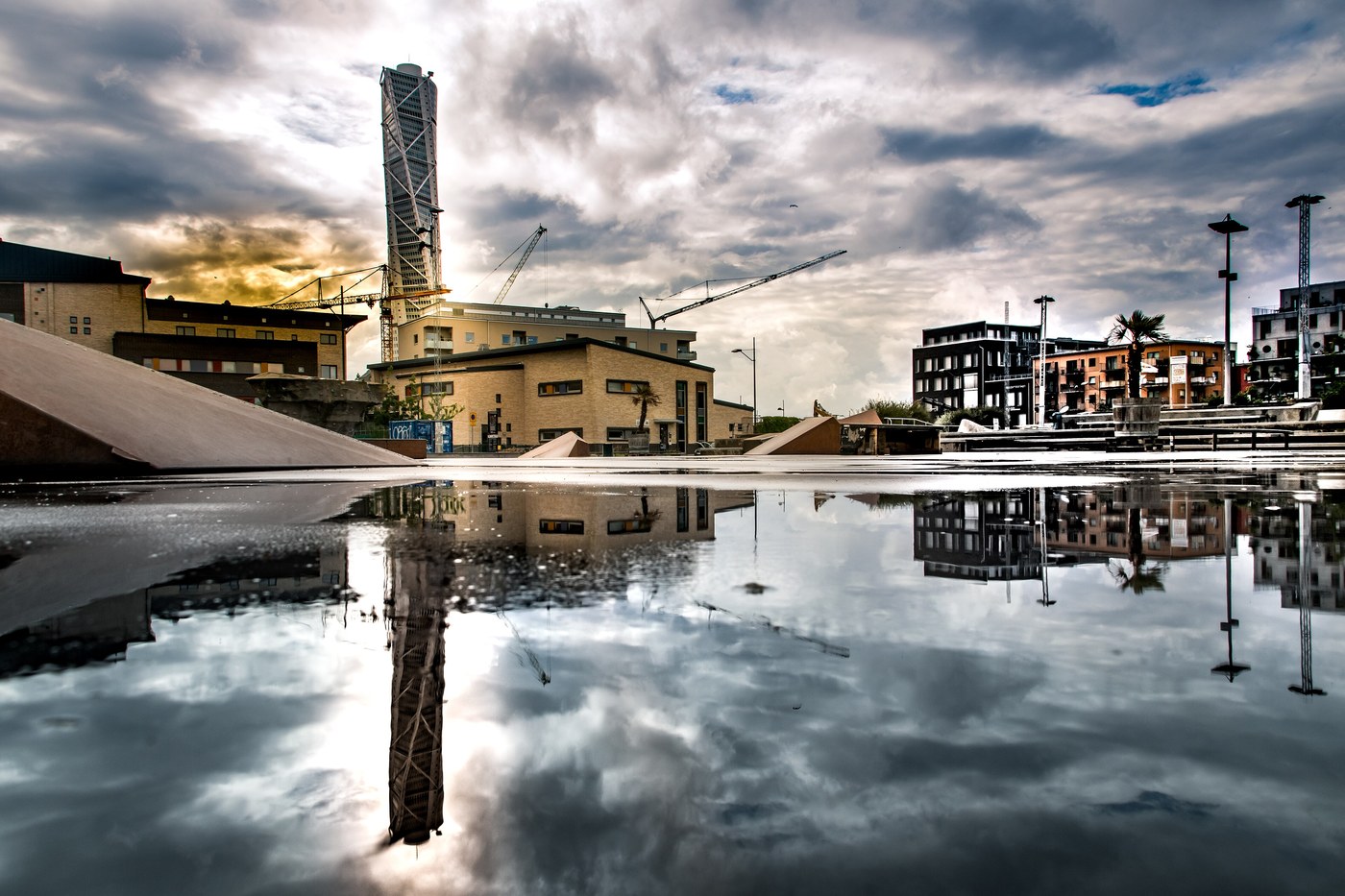 Photo : Maria Eklind · Wikimedia Commons (CC BY-SA 2.0)
The park at the foot of the Turning Torso: the concrete was laid right where the ships used to launch.

LOVE in Malmö - Thrasher
A City Employee Whose Job Is Skateboarding
This is where Malmö breaks away from the pack. Building a park, any city can do that — often badly, often once, often never to touch it again. Malmö did something else: it put someone on it full-time. Gustav Eden, the city's skateboard coordinator, hired around 2014. His job: design the facilities, get them funded, keep them alive. A guy on the city's payroll to fight for skateboarding in the meetings where decisions get made.
He summed up his method in an interview with Free Skate Mag: "If you manage to squeeze money out of them once, it's easier the next time. Especially if they see it's actually being used." Translation: you don't win a budget fight with a speech about culture. You win it with attendance numbers.
The other piece of the machine is Bryggeriets Gymnasium, opened in 2006. A high school — a real one — with an arts program, and skateboarding as an elective right alongside photography and fine arts. Kids come from all over the North to graduate there. Not a camp, not a club: three years of school where skating is part of the timetable.
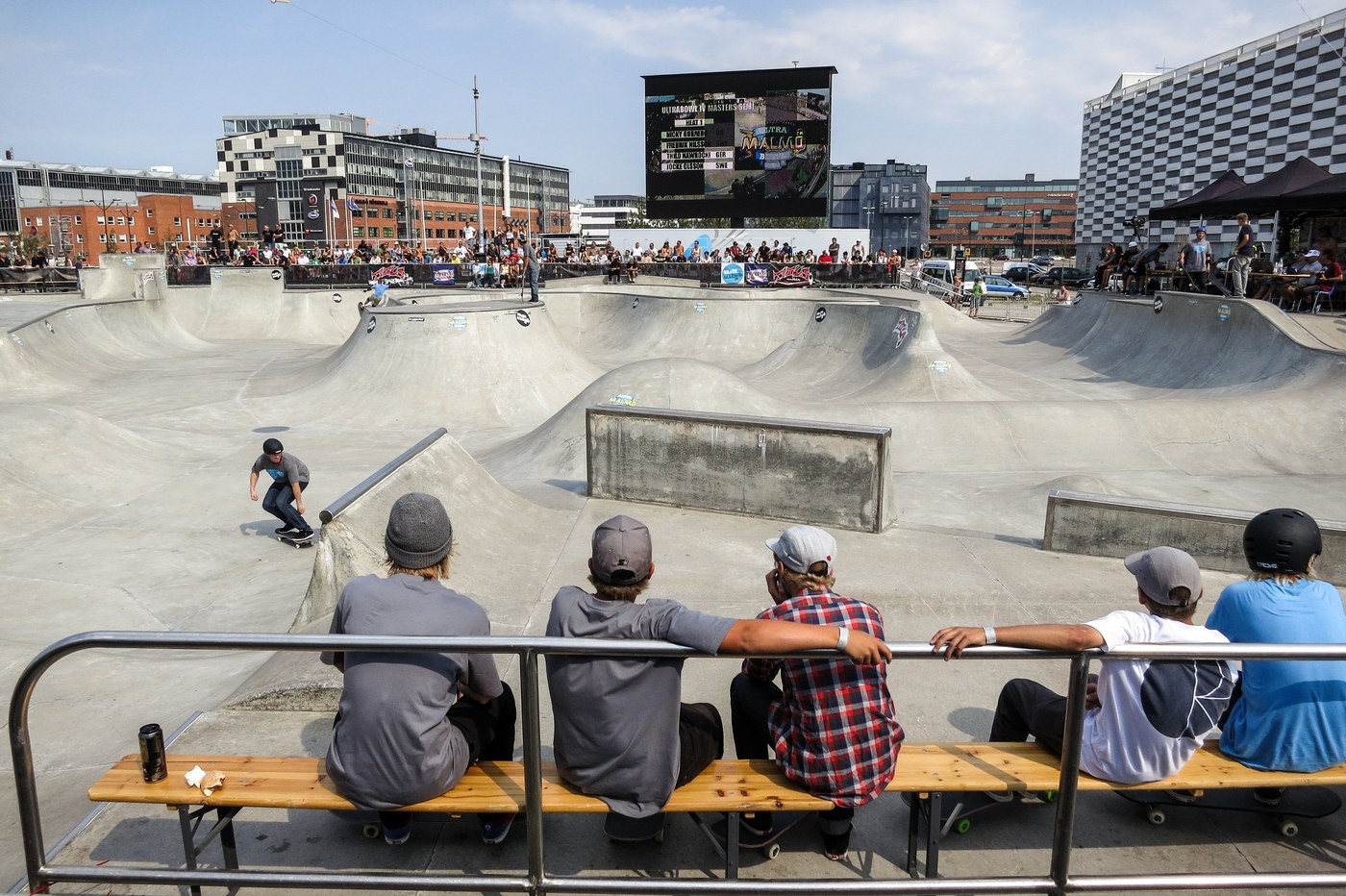 Photo : Håkan Dahlström · Wikimedia Commons (CC BY 2.0)
The Ultra Bowl, in the Stapelbäddsparken bowl: the crowd sits on beer-garden benches three feet from the coping. No grandstand, no ticket.
The 4 Spots the City Paid For
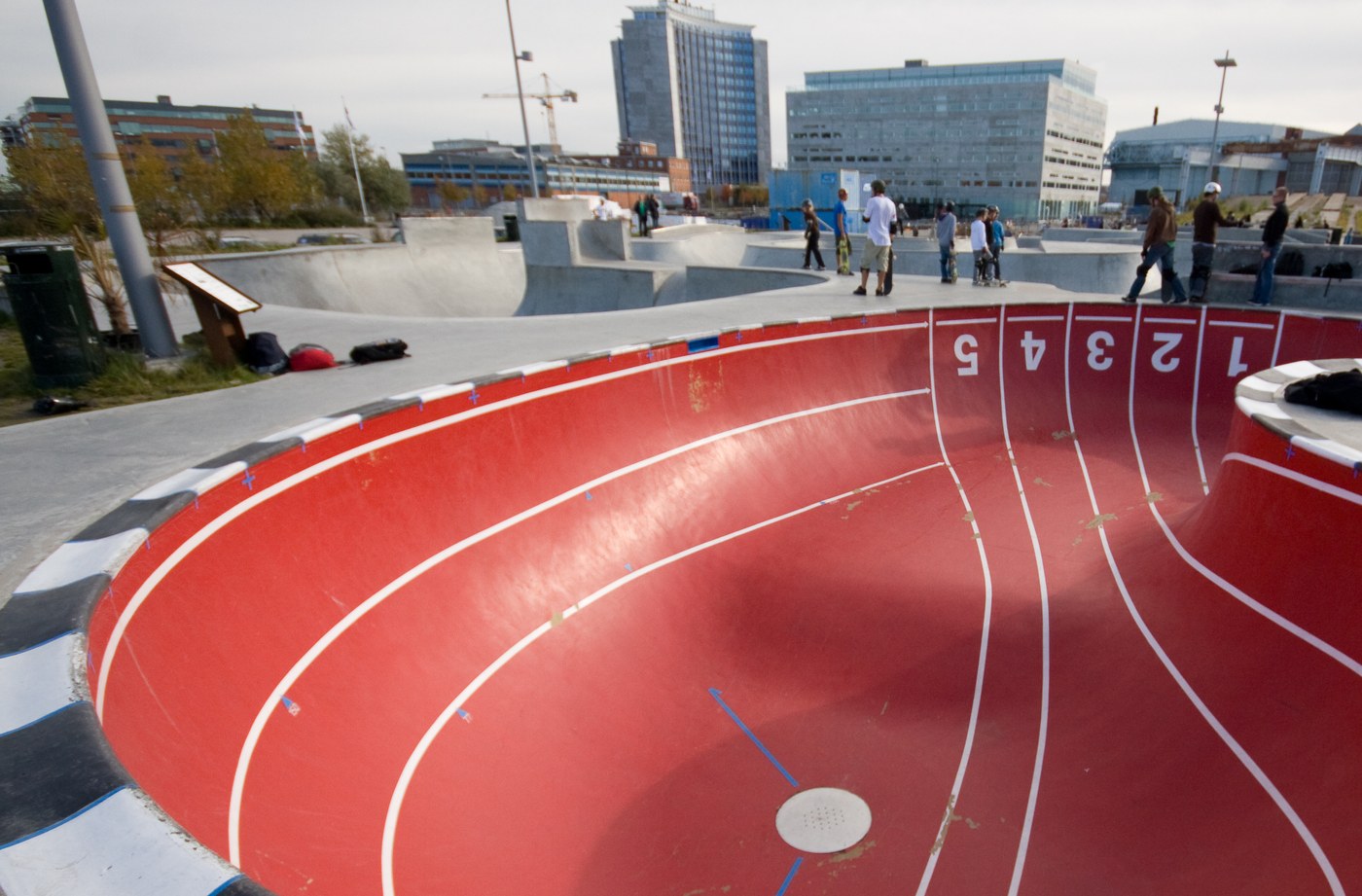 Photo : Håkan Dahlström · Wikimedia Commons (CC BY 2.0)
01
Stapelbäddsparken — the bowl
Västra Hamnen · Stapelbäddsgatan · 10 min walk from the central station
Intermediate
Poured concrete
Open 24/7, free
Poured concrete
Open 24/7, free
The showpiece: a bowl painted like a running track, numbered lanes and white lines running all the way down to the bottom. Clean coping, fast transitions, two depths. This is where the Ultra Bowl goes down every summer. The rest of the site is open access all around it, no fence, no hours.
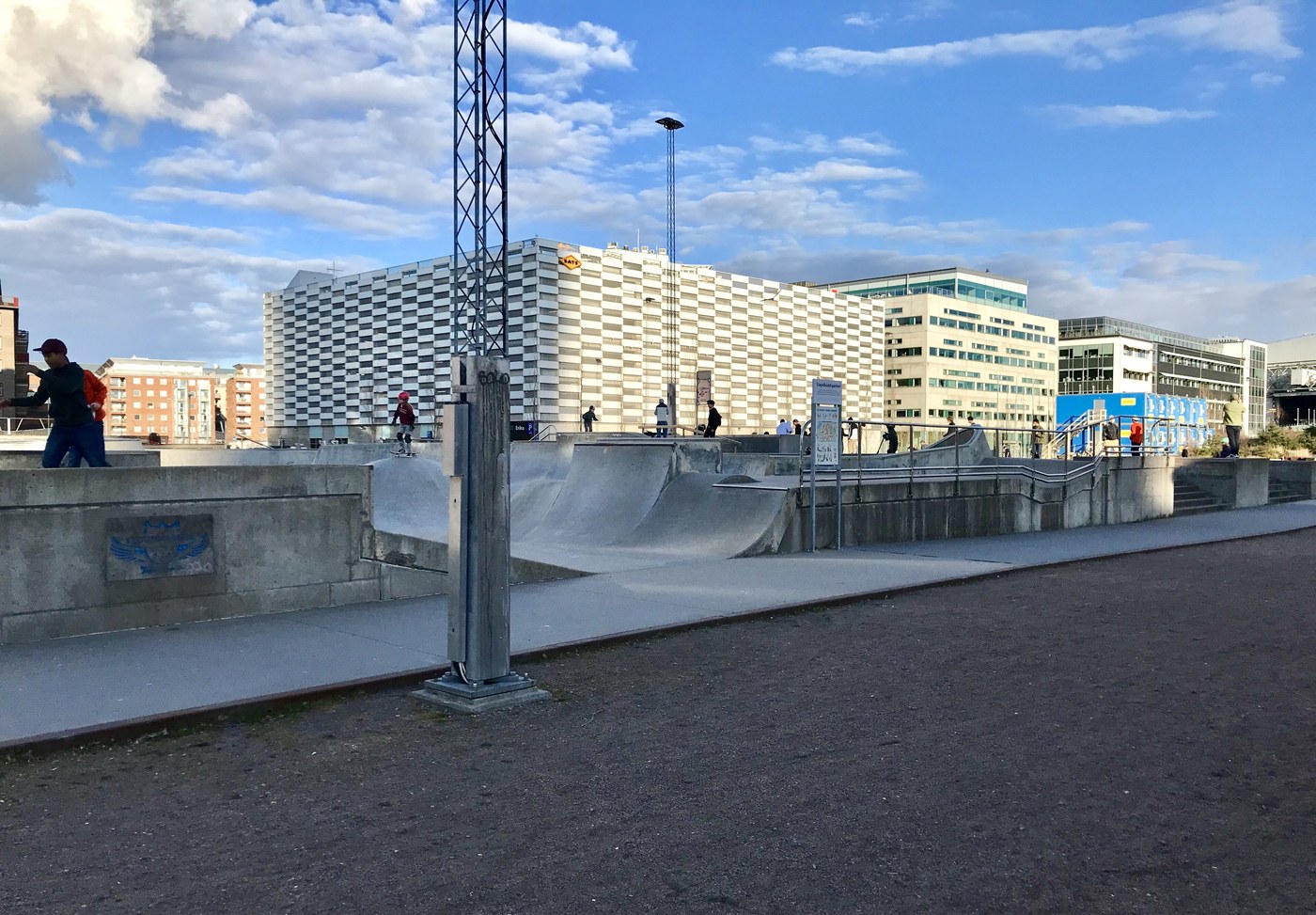 Photo : Vogler · Wikimedia Commons (CC BY-SA 4.0)
02
Stapelbäddsparken — the street section
Västra Hamnen · same site, street side
Beginner friendly
Ledges and banks
All day long
Ledges and banks
All day long
The flat part of the site: ledges, banks, low quarters, stair sets. Way less photographed than the bowl, and that's exactly where you can see the city at work — on a weekday you've got beginners, kids on scooters and old-timers cruising around, all on the same concrete. The café-skateshop Le Boxx is right on site.
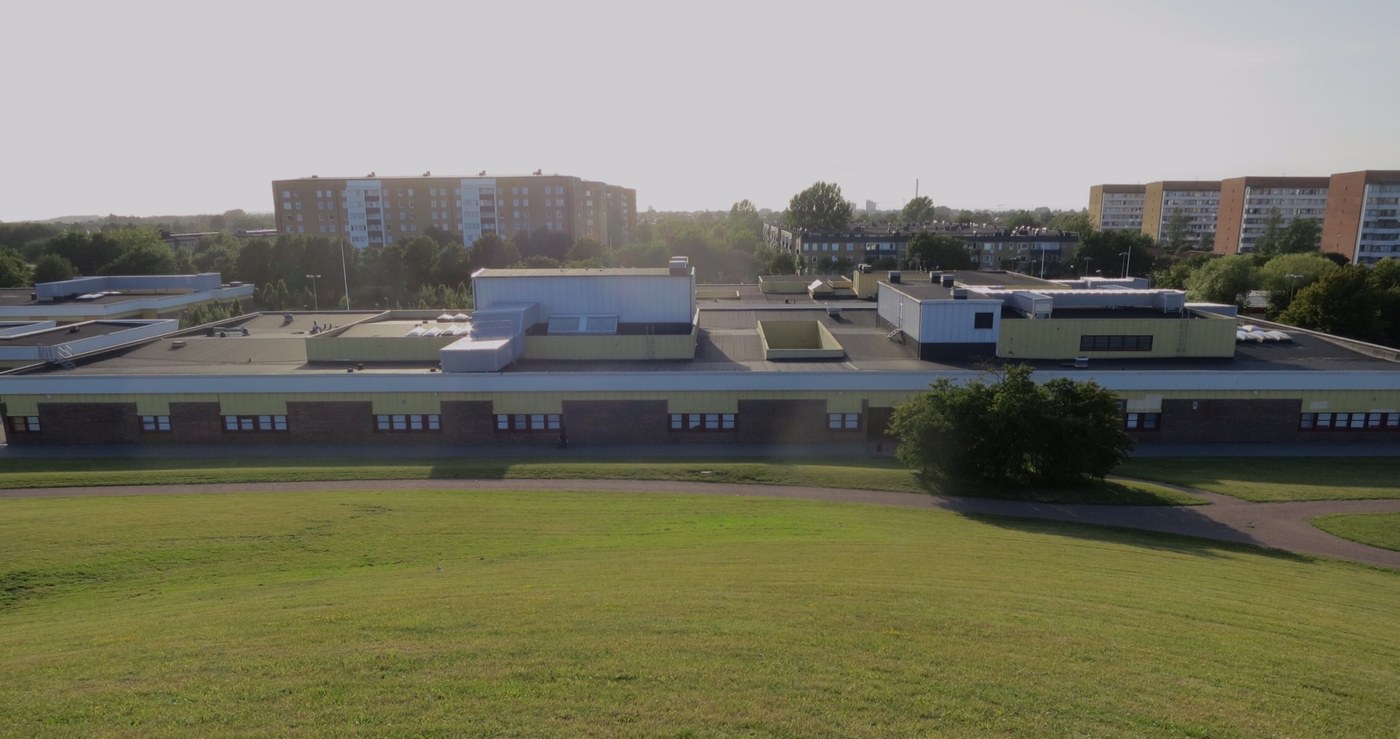 Photo : Jorchr · Wikimedia Commons (CC BY-SA 3.0)
03
Kroksbäck — the world championship bowl
Hyllie · social housing district, southeast of the center
Advanced
Pool coping
1,000 m²
Pool coping
1,000 m²
Opened in 2016, between the housing blocks and the school. A real pool-coping bowl with a double-pipe section, not a slab poured to look good in a grant application. This is where the first Vans Park Series world championship went down, August 19–20, 2016. The neighborhood itself never made the cover of anything.
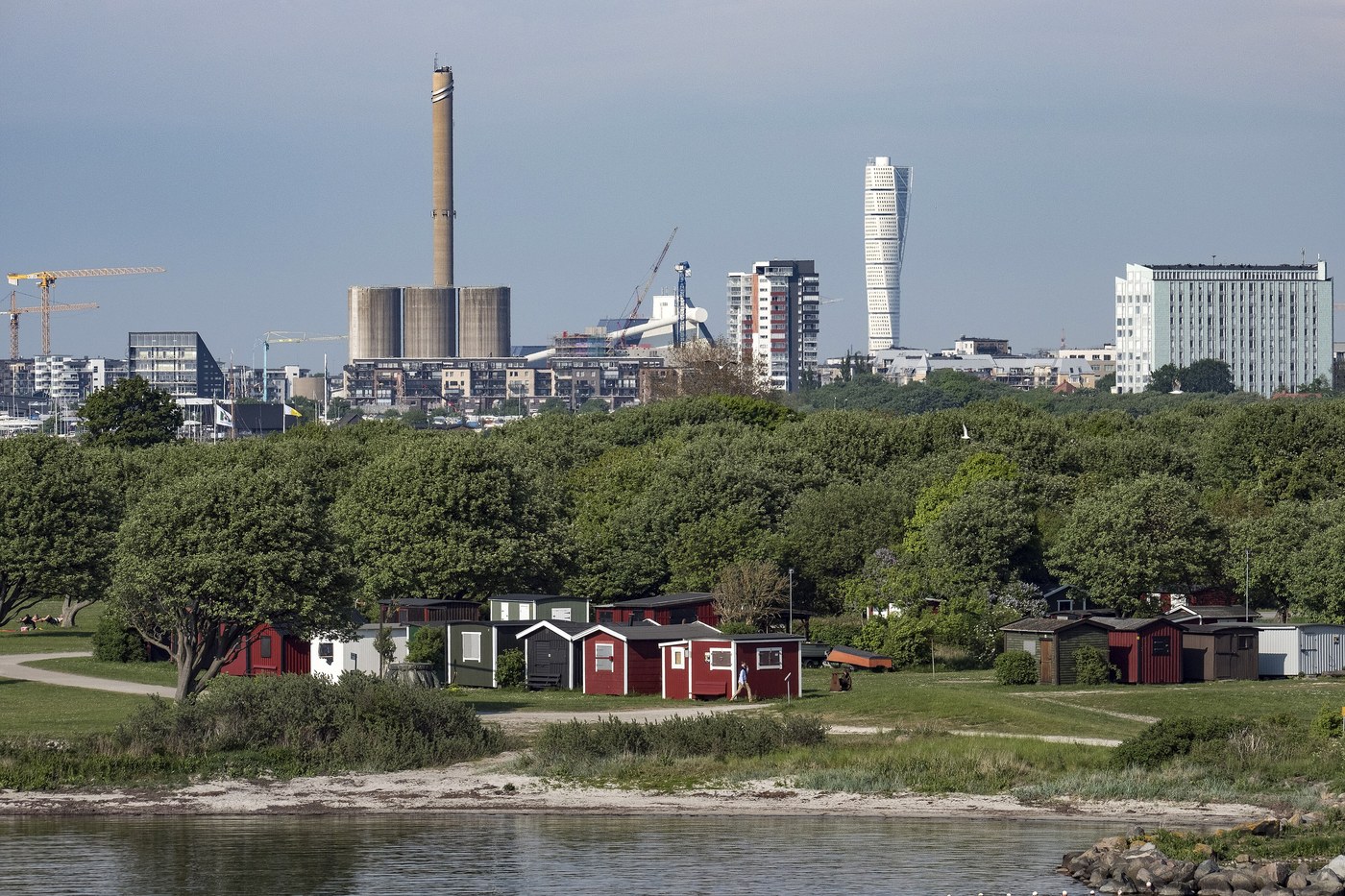 Photo : Johan Wessman / News Øresund · Wikimedia Commons (CC BY 2.0)
04
Sibbarp — the beach park
Limhamn · right on the water, facing the Øresund bridge
Beginner friendly
Concrete, 800 m²
Great evening light
Concrete, 800 m²
Great evening light
Built in 2008 to replace a '90s wooden park that was rotting where it stood. Small, mellow, thirty meters from the sand. Nothing spectacular about the design — but it's the spot that best shows the city's logic: when a facility is worn out, you replace it instead of letting it fall apart until nobody shows up anymore.
20 Years On: What It Actually Looks Like in the Streets
So here's the answer, no gloss. What Malmö has produced in twenty years isn't a skateable city — it's a city with places to skate. The nuance sounds thin. It changes everything.
Concretely: you've got four major concrete parks and a handful of smaller ones, all free, all open, all maintained by the city's public works crews — when something's broken, you call a number and it gets fixed. That's real, and it exists almost nowhere else in Europe. But the rules posted on site are strict: helmet recommended, no graffiti, safety distances, and skateboarding only — no BMX, no scooters, no parkour. You've been handed a playground, with a frame around it.
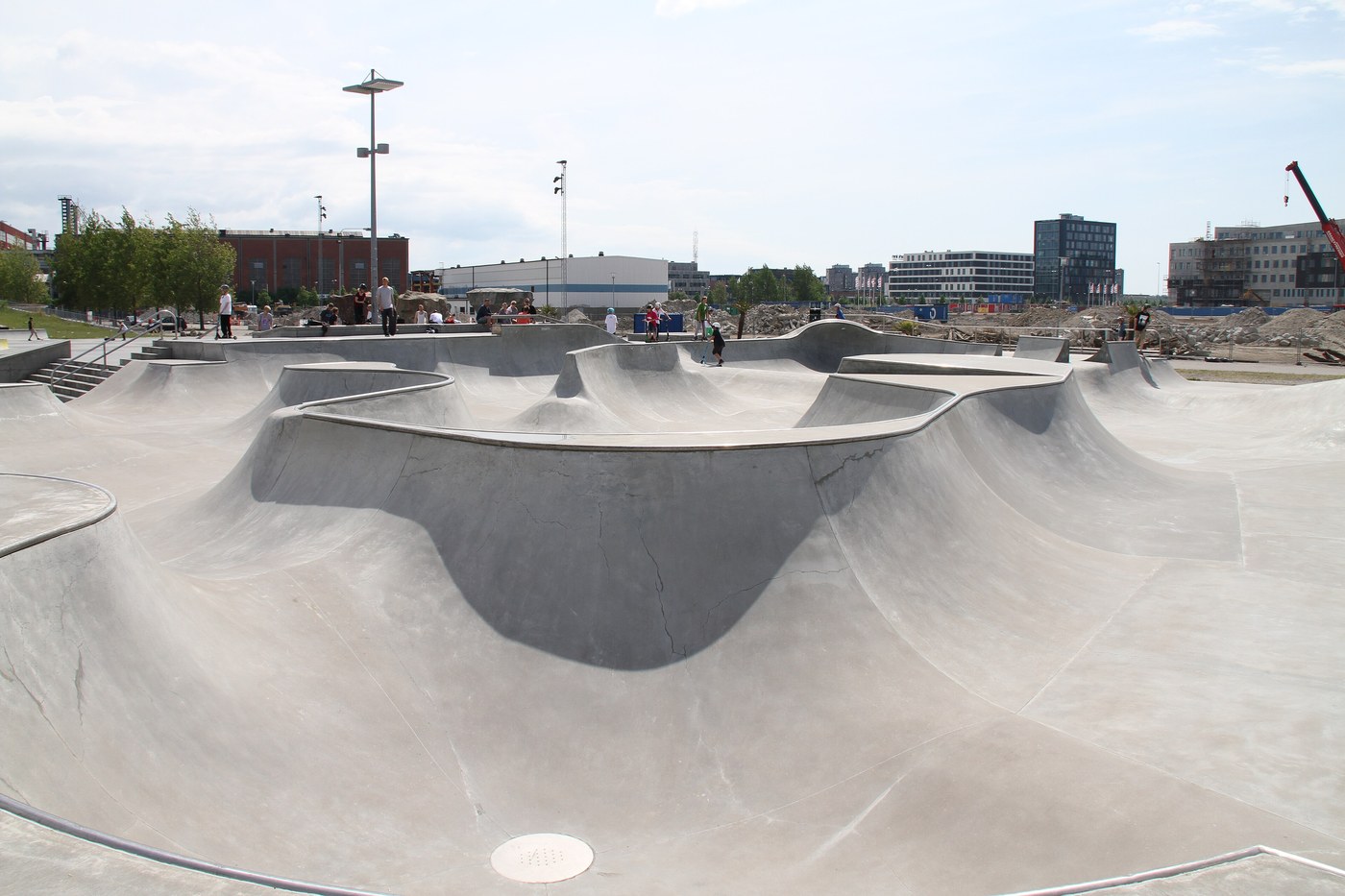 Photo : Susanne Nilsson · Wikimedia Commons (CC BY-SA 2.0)
The concrete of the big bowl: you can spot the cracks with the naked eye. Twenty Swedish winters leave a mark.
The concrete is aging too. Look at the bottom of the big bowl in recent photos: the cracks run from one edge to the other. Twenty winters of freeze and thaw in southern Sweden — no pour survives that. The site got an overhaul in 2011, redeveloped under the name STPLN — and it'll need doing again. A public park isn't a monument: it's a budget line that comes back around every ten years.
And the spotlight has moved on. The first park world championship was held here in August 2016. Then Shanghai, Nanjing, São Paulo, Sharjah, Rome. Malmö never got the event back. If you judged the city by its international shop window, you'd conclude it fell off.
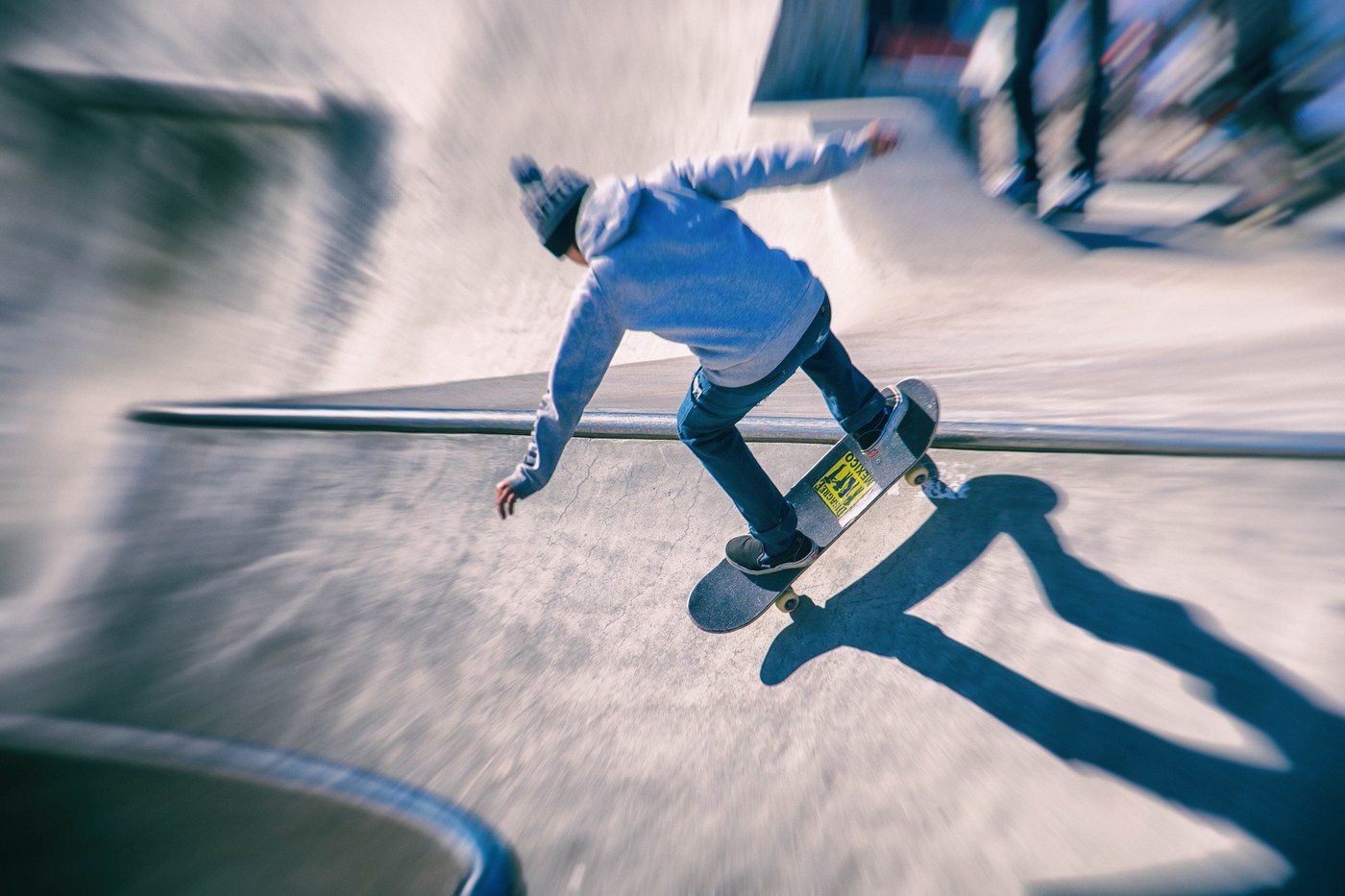 Photo : Maria Eklind · Wikimedia Commons (CC BY-SA 2.0)
Just another Tuesday at Stapelbäddsparken. That's the real result: nobody's watching, and people still show up.
Except the shop window was never the point. What Malmö actually bought with public money isn't concrete: it's people's time. A salaried coordinator who shows up to the meetings. An association that runs beginner, girls' and family sessions all year round. A high school where teenagers from all over the North graduate while skating. Bryggeriet's indoor park closes for the summer and everything moves outside to Stapelbäddsparken — it keeps rolling, season after season, with no cameras around.
That's the answer. The concrete cracks, the contests move on. The human structure holds — and it's the only thing that has survived twenty years. Compare that with EMB, Love Park and Pulaski: legendary spots, but bulldozed or locked down because no city ever put a single salary behind them. Malmö didn't win because it designed better parks. It won because it put someone at a desk.
Before You Go: 4 Things You Need to Know
The real season runs April through September. Southern Sweden is milder than the rest of the country, but the concrete stays wet a good chunk of the winter. In June and July you've got daylight until 10pm — that's when the park really fills up.
Everything is free, but the indoor park closes for the summer. Bryggeriet Skatepark runs September through May; between June and August, the association's activity moves outdoors. If you show up in July counting on the indoor, you'll find the door locked — the classic traveler's trap.
Bring a setup for smooth, fast concrete. The municipal parks are poured clean, not slapped together. Wheels around 54-56 mm in a medium durometer will handle everything, bowl included. Pack a helmet too: it's not mandatory but it's posted as recommended, and on pool coping it's just basic sense.
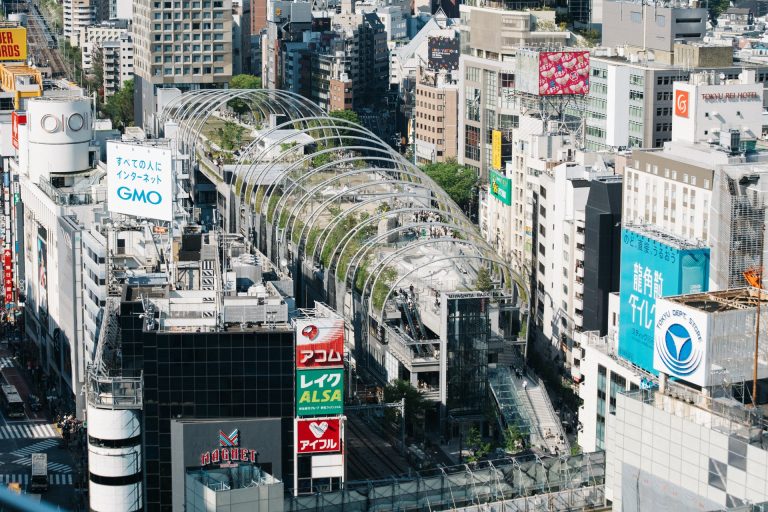
Copenhagen is 35 minutes away by train. The Øresund bridge links the two cities, and the Danish scene has the same density of public concrete. If you're putting a trip together, you don't come for Malmö alone — you come for both sides of the water. The same logic goes for Miyashita Park in Tokyo, another public park a city decided to stand behind.
{
"@context": "https://schema.org",
"@type": "Article",
"headline": "20 ans que Malmö construit pour ses skateurs : ça donne quoi dans la rue ?",
"author": {"@type": "Organization", "name": "Nosk8"},
"datePublished": "2026-08-29",
"description": "Stapelbäddsparken, Kroksbäck, Sibbarp : ce que la politique skate de Malmö a réellement produit en vingt ans, sans idéaliser.",
"keywords": "skatepark Malmö, Stapelbäddsparken, spots skate Suède"
}
Does your city have even one free concrete park open year-round? Name it, or tell us there isn't one. Drop it in the comments ↓
Follow NOSK8 where you hang out
Parts, spots, behind the scenes: it all drops on the accounts first.
Le lexique
-
1
bowl
Cuvette en béton aux parois courbes, héritée des piscines vides, où l'on enchaîne des trajectoires sans jamais poser pied à terre.
-
2
coping
Le tube métallique qui borde le haut d'un bowl ou d'une rampe. C'est dessus que les figures se bloquent et se relancent.
-
3
pool coping
Coping en briques arrondies, comme sur les vieilles piscines américaines. Plus rugueux, plus lent, plus exigeant que l'acier.
-
4
ledge
Muret bas à arête droite sur lequel on glisse ou on grinde. L'obstacle de base du skate de rue.
-
5
bank
Plan incliné en béton, sans courbe, qui sert de tremplin ou de mur de relance.
Shop NOSK8
Voir toute la boutique →
TEE-SHIRTS
TEE-SHIRT NOSK8® P.A CENTRE #PARENTALADVISORY
Le prix initial était : 35,00 €.29,00 €Le prix actuel est : 29,00 €.
TEE-SHIRTS
TEE-SHIRT NOSK8® NOSKATE #SNC
Le prix initial était : 35,00 €.29,00 €Le prix actuel est : 29,00 €.

TEE-SHIRTS
TEE-SHIRT NOSK8® MATRICE HEART #ALT
Le prix initial était : 35,00 €.29,00 €Le prix actuel est : 29,00 €.

TEE-SHIRTS
TEE-SHIRT NOSK8® P.B CENTRE #RNB
Le prix initial était : 35,00 €.29,00 €Le prix actuel est : 29,00 €.

TEE-SHIRTS
TEE-SHIRT NOSK8® P.B HEART #ORIGINAL
Le prix initial était : 35,00 €.29,00 €Le prix actuel est : 29,00 €.

CASQUETTES
CAP NOSK8® P.B #POLARBEAR
Le prix initial était : 35,00 €.25,00 €Le prix actuel est : 25,00 €.
CASQUETTES
CAP NOSK8® N8 #NOSK8
Le prix initial était : 35,00 €.25,00 €Le prix actuel est : 25,00 €.

CASQUETTES
CAP NOSK8® P.B.P #PAW
Le prix initial était : 35,00 €.25,00 €Le prix actuel est : 25,00 €.
HOODIES
HOODIE NOSK8® NOSKATE #NSITA
Le prix initial était : 60,00 €.49,00 €Le prix actuel est : 49,00 €.

HOODIES
HOODIE NOSK8® P.B HEART #BARÇA
Le prix initial était : 60,00 €.49,00 €Le prix actuel est : 49,00 €.

HOODIES
HOODIE NOSK8® P.B CENTRE #ORIGINAL
Le prix initial était : 60,00 €.49,00 €Le prix actuel est : 49,00 €.

HOODIES
HOODIE NOSK8® P.B HEART #PARIS
Le prix initial était : 60,00 €.49,00 €Le prix actuel est : 49,00 €.

HOODIES
HOODIE NOSK8® P.B HEART&BACK #ORIGINAL
Le prix initial était : 60,00 €.49,00 €Le prix actuel est : 49,00 €.

SWEAT
SWEAT NOSK8® P.B HEART #NYC
Le prix initial était : 45,00 €.39,00 €Le prix actuel est : 39,00 €.
SWEAT
SWEAT NOSK8® P.B HEART #PARIS
Le prix initial était : 45,00 €.39,00 €Le prix actuel est : 39,00 €.
SWEAT
SWEAT NOSK8® P.B HEART #POLARBEAR
Le prix initial était : 45,00 €.39,00 €Le prix actuel est : 39,00 €.
SWEAT
SWEAT NOSK8® P.B HEART #BARÇA
Le prix initial était : 45,00 €.39,00 €Le prix actuel est : 39,00 €.
SWEAT
SWEAT NOSK8® P.B HEART #PHILI
Le prix initial était : 45,00 €.39,00 €Le prix actuel est : 39,00 €.
Continue ta lecture
TricksBackside 180 : ton buste part avant ta planche — comment on règle ça en 3 temps ?
Ton corps finit sa rotation, ta planche en est à 90°. Ce n'est pas ta hauteur d'ollie le problème — c'est l'ordre. Les 3 temps…
Commentaires (0)