
ℹ️ 🛹 Web Média Skate 🛹 ℹ️

Spots
Pulaski Park, Washington DC — The Spot Where Everyone Passed Through
Portrait du spot légendaire Pulaski Park (Freedom Plaza) à Washington DC : histoire, skateurs comme Stevie Williams, architecture en marbre et statut actuel.

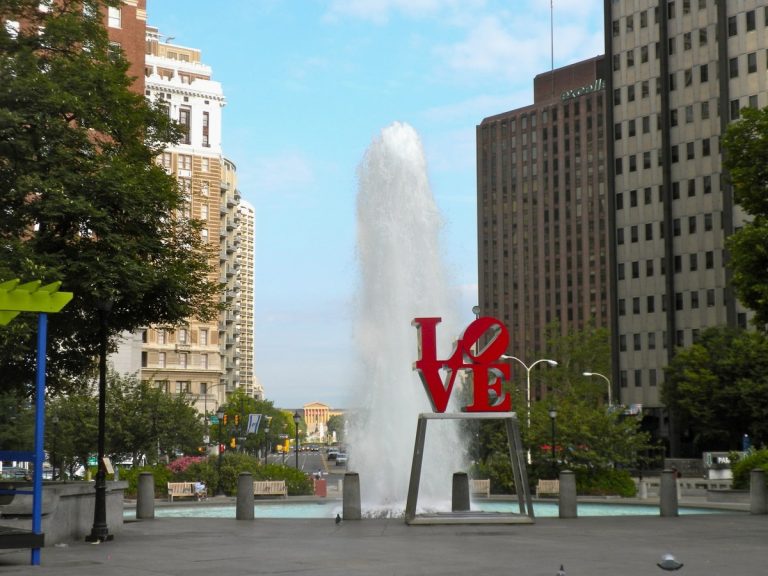
→ Pour aller plus loin : Pourquoi Philly a refusé 1 million de dollars pour LOVE Park ?
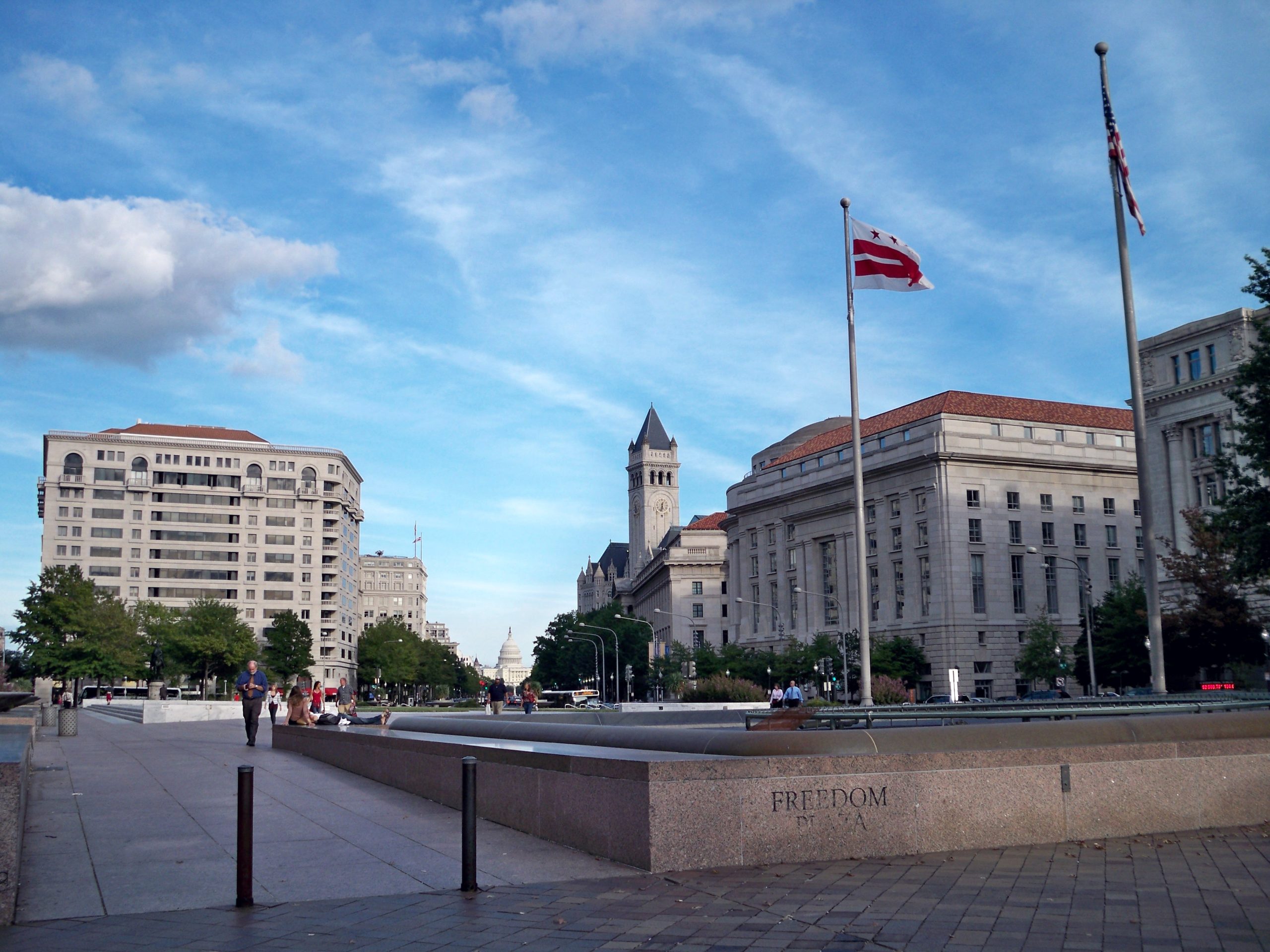
There is a place in Washington DC that does not appear on any official skateboarding map. Officially, it is Freedom Plaza — a marble esplanade at the end of Pennsylvania Avenue, a few hundred meters from the White House. In worldwide skate culture, it is Pulaski Park. And if you remember the videos from the late 1990s, you know exactly why.
DC is not San Francisco, not Barcelona. But this spot produced clips that changed street skating — clips filmed on these marble slabs before any American city knew what skating downtown meant.
Freedom Plaza was not designed for skating. Inaugurated on November 1, 1980, the esplanade was designed by architects Robert Venturi and Denise Scott Brown. Long flat slabs, low right-angle walls, gradually descending stairs, polished stone curbs. The equestrian statue of General Casimir Pulaski at the east end gave the spot its nickname in skate culture. Located less than 400 meters from the White House — which did not stop it from being skated for over two decades.
The name "Pulaski Park" comes from the equestrian statue of General Casimir Pulaski, the Polish hero of the American War of Independence installed at the east of the plaza in 1910. Skaters never used the official name. To them, it was Pulaski. It stayed that way.
Stevie Williams is the name that comes up most when people talk about Pulaski. Originally from Philadelphia, Williams was gravitating around East Coast spots from the mid-1990s. His style — fluid, economical, technically perfect on ledges — was made for this type of surface. In 1999, he joined DC Shoes and began creating content that would show him on these marble esplanades. He later founded DGK (Dirty Ghetto Kids) in 2002, but the images from his DC spot sessions are part of the founding imagery of his legend.
The DC Video in 2003 put a final point on an era. DC Shoes' video, released the same year as Yeah Right! from Girl, remains one of the cleanest US street productions of that decade. Williams appears on spots that every East Coast skater recognized.
Tim O'Connor is the other DC figure from this period. Element rider, then Zoo York, O'Connor was known for his powerful and consistent skating on the capital's marble surfaces — a technical no-frills style that perfectly matched the long lines Pulaski offered.
Freedom Plaza is technically under federal jurisdiction, managed by the National Park Service. Skating is officially prohibited. The "No Skateboarding" signs have been removed often enough that the NPS eventually gave up on that particular point. In 2021, a 21-million-dollar renovation redid part of the urban furniture — without touching the long slabs and curbs that give the spot its value.
The reality on the ground: locals still skate there. Not en masse like in the glory days, but the spot is alive. The marble has taken marks. The angles of the most popular curbs clearly show decades of use — accumulated wax marks, kingpin impacts, characteristic metal-on-stone scratches. That is part of the history of the place.
Follow NOSK8 where you hang out
Parts, spots, behind the scenes: it all drops on the accounts first.
Le lexique
-
1
ledge
Obstacle skate — bordure ou muret sur lequel on glisse ou grind avec les trucks.
-
2
curb
Bordure de trottoir ou de dalle, obstacle de base du street skating pour les grind et slide.
-
3
line
Suite de tricks enchaînés sans interruption lors d'une même prise.
-
4
crooked grind
Grind sur le truck avant, planche désaxée vers l'extérieur du curb. Le nose dépasse, l'arrière flotte.
Continue ta lecture
ChroniquesTop 10 des vidéos skate des années 2000 — le classement qui va faire débat
Fully Flared, Menikmati, Yeah Right — notre top 10 des meilleures vidéos skate des années 2000. Un classement qui va faire débat, et c’est voulu.
Commentaires (0)