

SUMMARY
“The Disciplines of Skateboarding”
Street Skateboarding

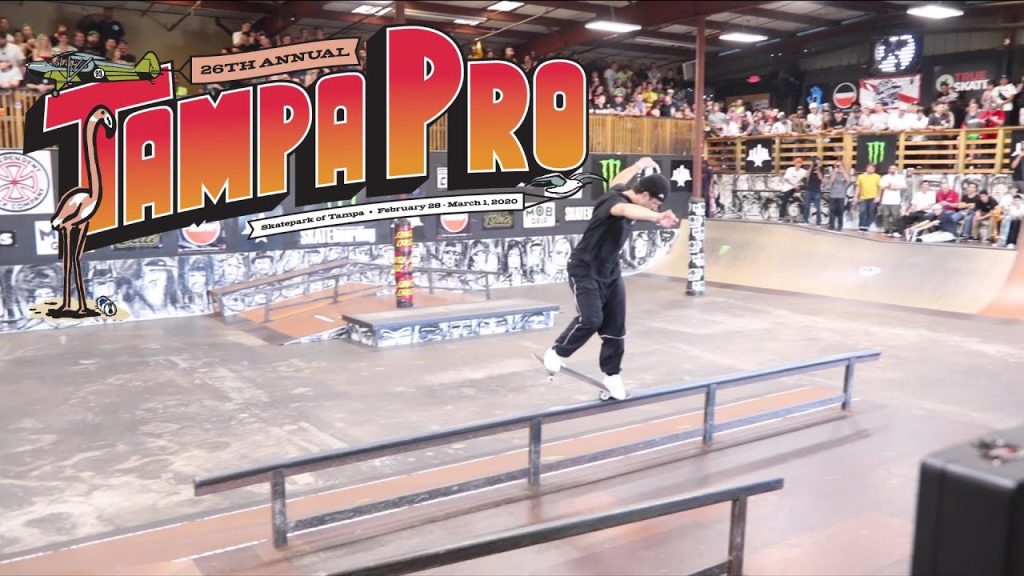
Street skateboarding mainly involves performing tricks on the ground, on obstacles, or over urban features (stairs, stair rails, curbs, benches).
Street includes tricks on open, flat ground, similar to « Freestyle Skateboarding, » the ancestor of « Street Skateboarding. »
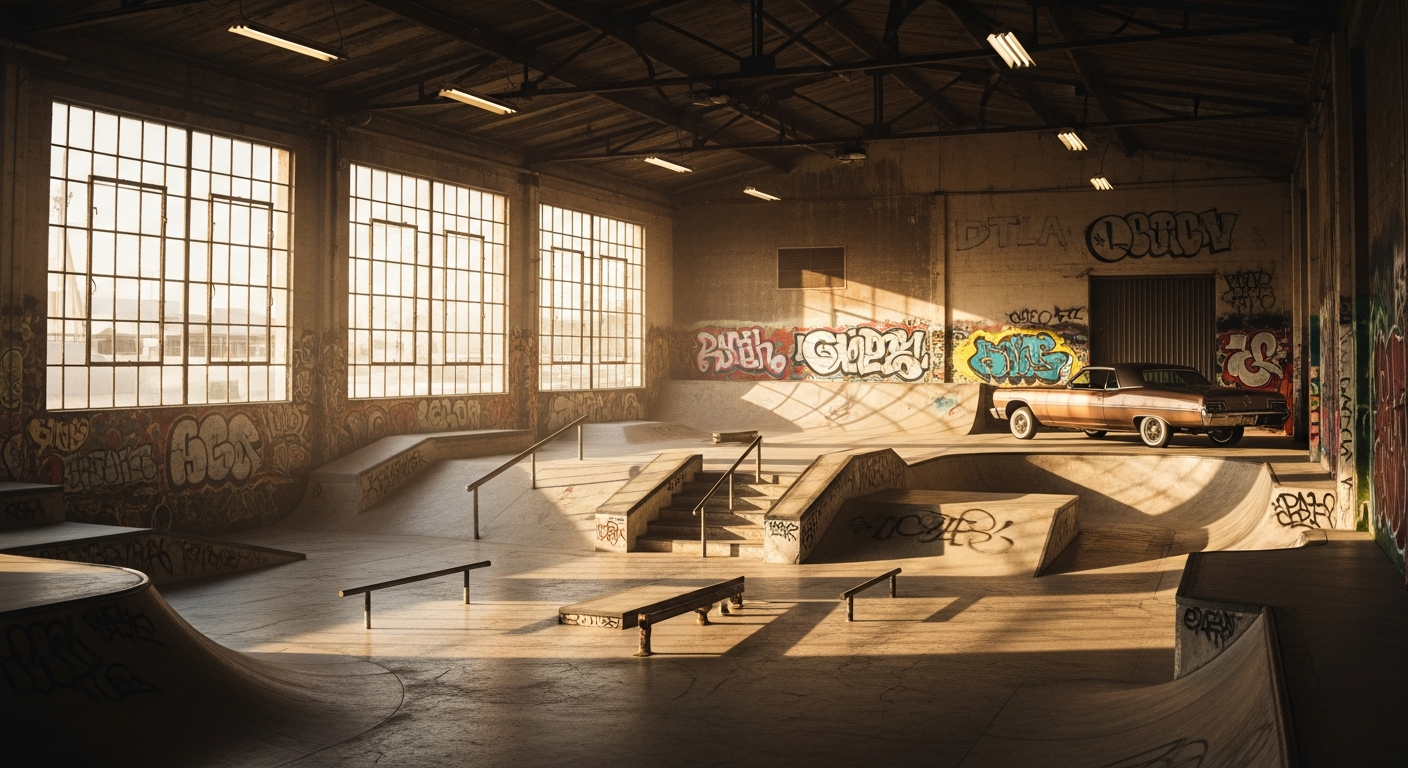
Street skateboarding is practiced in the streets, or in skateparks where urban furniture is replicated: ramps, stairs, rails, inclined planes…
Since the 90s, street has been the most practiced discipline, accounting for about 90% of skaters.
For the general public, « skateboarding » is often confused with or linked to street skateboarding.
Street skateboarding practiced in public spaces creates conflicts with residents. That’s why cities worldwide have adapted specific places for this practice.
Street practice has often been considered a source of noise pollution and degradation of urban furniture, and the response to this problem has been the creation of skateparks to keep skaters away from residential areas.
Vert Skateboarding (Vertical)
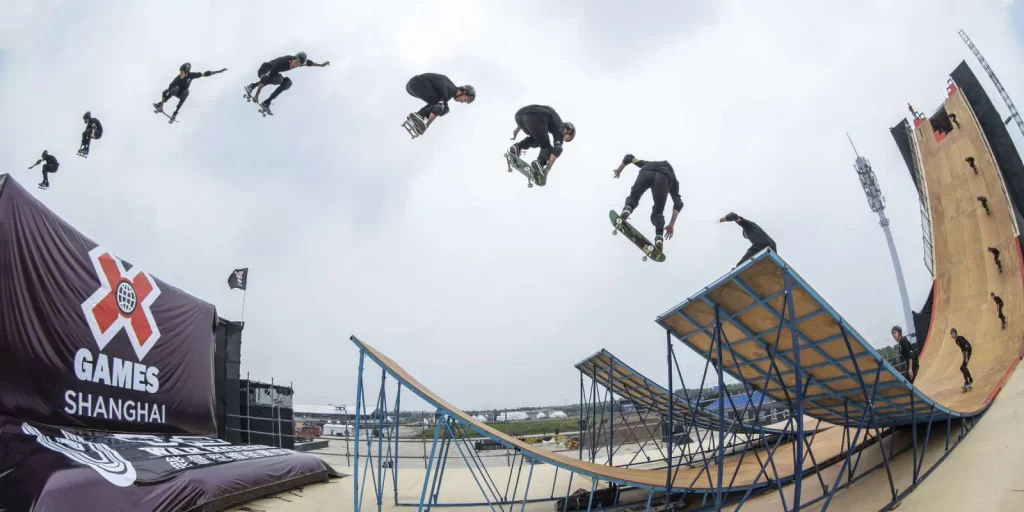
Vert, short for « vertical, » is the practice of ramp skateboarding, a half-pipe that allows you to gain speed to perform aerial tricks and/or grinds on the edge of the ramp (the coping).
This practice is much less popular than street, due to the need for a ramp nearby. This practice was generally done by a more niche audience.

Bowl Skateboarding

This discipline is one of the oldest in the skateboarding world, rooted in the 70s when abandoned Californian empty pools became skateboarding spots.
Bowl skateboarding involves performing tricks on skatepark features: high, vertical curved slopes, as well as transfers within curves and inclined planes.
These transitions allow the skater to maintain or increase speed without putting a foot down. Speed then enables the skater to reach the top edge of the feature (coping) and perform aerial tricks or grinds.
Freestyle Skateboarding
Freestyle is the ancestor of street skateboarding. It involves performing tricks on clear, flat ground.
This practice was inspired by surf maneuvers, gymnastics, and athletic performances. It’s one of the oldest forms of skateboarding.
Freestyle was very popular between 1960 and 1980, with iconic tricks like the hippie jump, handstands, and other moves now called « old school. »

Longboard Dancing

Longboard dancing involves performing acrobatic tricks on a very long board (longboard), typically on flat ground and at low speeds.
Dancing is characterized by fluid, artistic tricks and movements (dance), and complex footwork on the board (boardwalking) inspired by surfing.