

Rédacteur en chef · 18 ans de skate
A vu naitre et mourir 3 generations de pros. Chronique mensuelle.
 NOSK8
NOSK8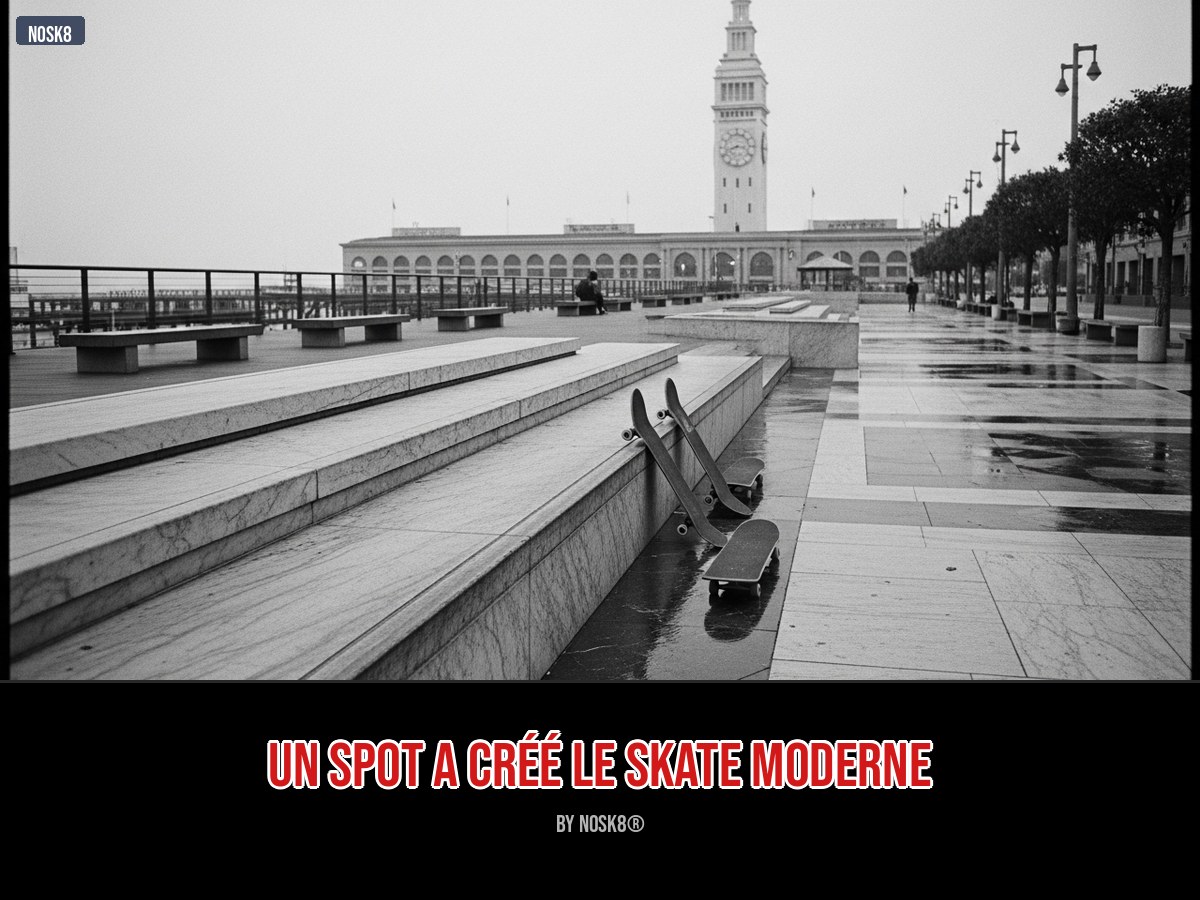
★ Chronique · Opinion
Three stairs, a ledge, a gap. On just 50 square meters of San Francisco marble, a generation of skaters invented modern skateboarding between 1989 and 1994. 32 years after the spot's death, here's why EMB remains an unreplicable blueprint.
Three stairs, a ledge, a gap. On just 50 square meters of San Francisco marble, a generation of skaters invented modern skateboarding between 1989 and 1994. 32 years after the spot's death, here's why EMB remains an unreplicable blueprint.
→ Pour aller plus loin : Tony Hawk a 57 ans. Pourquoi sa generation ne raccroche pas — et la notre non plus.
Three stairs. A low ledge. A gap in the middle. On 50 m² of marble in front of San Francisco’s Ferry Building, an entire generation of skaters wrote the rules of modern skateboarding between 1989 and 1994. Then the spot disappeared. Here’s why EMB remains, 32 years after its demise, the matrix of everything you skate today.
⏱ Reading time: 7 min
Late 80s. San Francisco inaugurates Justin Herman Plaza, a large marble esplanade right in front of the Ferry Building, at the foot of the Bay Bridge. The architect wasn’t thinking about skateboarding. He was thinking about pedestrians, bankers in suits, cable car tourists. He didn’t know he had just designed the perfect spot.
The setting: three low stairs, a barely raised granite ledge, a gap of about 2 m between two blocks (which would become the legendary « Gonz gap » named after Mark Gonzales), and benches perfectly arranged for grinding. The marble was smooth as a mirror. The surrounding concrete, perfectly flat. No cracks. Nothing.
The first skaters arrived in 1989-1990. At first, two or three kids from SoMa, a few locals from Mission. Then the rumor spread. Videos started circulating. And very quickly, all of San Francisco’s skateboarding scene came to the Embarcadero. It was abbreviated. It became EMB. Three letters that would end up carved into the marble of skateboarding history.
What no one understood at the time: EMB’s geometry wasn’t perfect for 80s skateboarding. It was perfect for what was about to be born. The technical street skating that replaced ramps and freestyle. The kind with flip tricks, switch ledge grinds, linked lines. Everything that would define the 90s was contained on that sidewalk.
If you arrived at EMB in 1992 with your new board and your naivety, you had two options. Either you got kicked out by James Kelch (the self-proclaimed bouncer of the spot, known for throwing boards into the bay). Or you took it silently and watched them skate.
Because at EMB, there was a hierarchy. And at the very top, a crew of 15-20 guys who would later be called the EMB mafia: Mike Carroll, Henry Sanchez, Jovontae Turner, Mike York, Karl Watson, Rick Ibaseta, Rob Welsh, Alphonzo Rawls, Drake Jones, James Kelch. Kids from SF, mostly from Mission, Hunters Point, Fillmore. Black and Latino neighborhoods where skateboarding wasn’t the cultural norm, but who created the most influential culture in modern skateboarding.
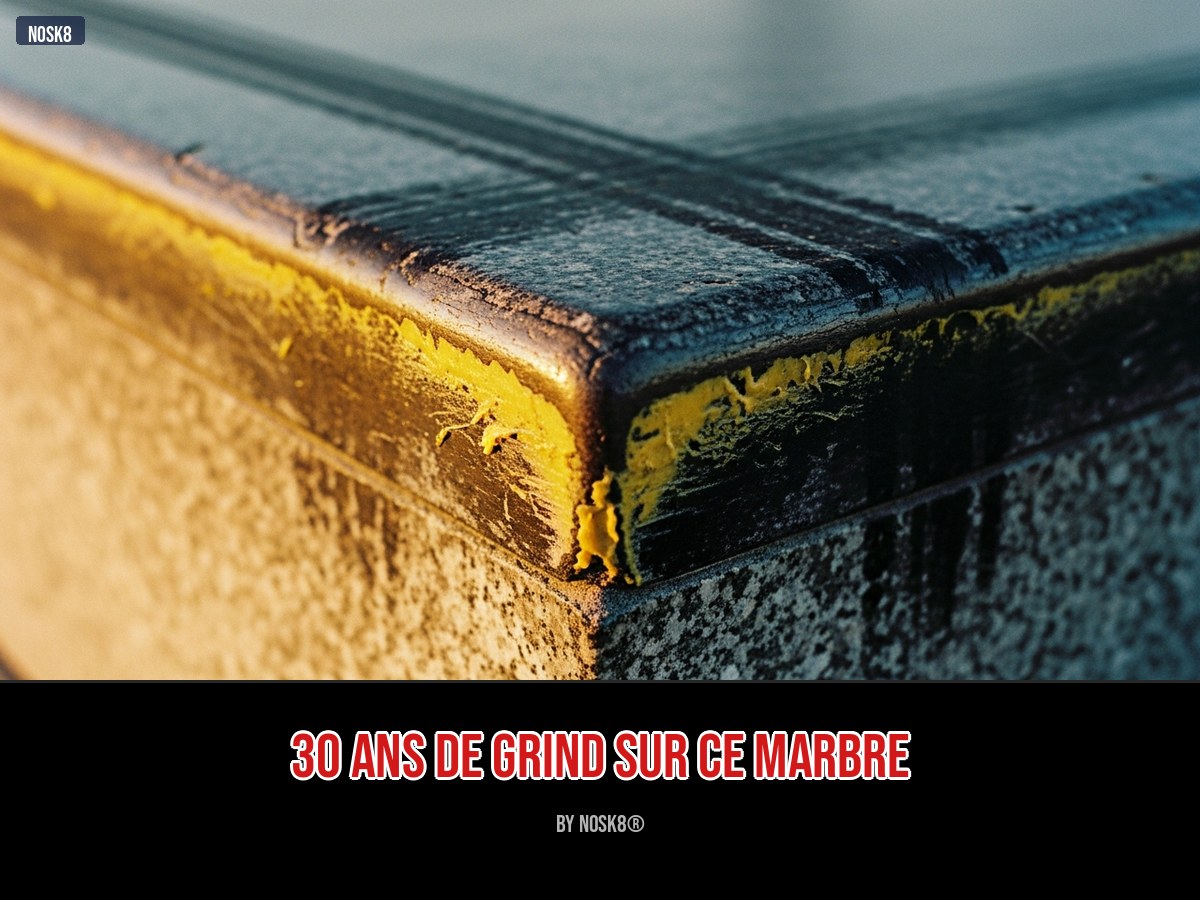
This crew invented something we call today the SF style. Precise, unforced tech ledge skateboarding, with measured pop. Switch tricks before anyone else. Linked lines with no flat ground between tricks. A body language that Koston, Kalis, and later Torey Pudwill would adopt for 25 years.
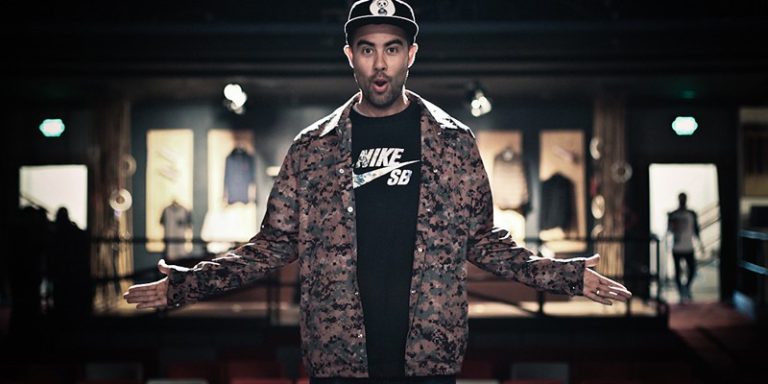
Eric Koston, who was passing through from LA, recounts in This Old Ledge (the Thrasher doc above) that EMB was the only place where he had to prove himself. He came. He skated. The crew validated him. The rest, we know.
For outsiders, it was tough. For locals, it was a school. No coach, no park manager, no instruction manual. Just the gaze of the OGs who validated or invalidated your trick. If you blew the same trick three times, you were out. If you landed it switch, you were in the family.
Do a test. Go outside, find a low ledge, try a switch backside 50-50. If you land it, you’re skating a trick that was popularized at EMB by Mike Carroll in 1992. Link a nollie heelflip at the end of a ledge: Henry Sanchez, 1993, EMB. Try a switch flip front nose grind: Mike York, same spot, same year.
EMB was the first laboratory for widespread switch stance. Before, switch was a curiosity (Gonz, Natas, a few others). At EMB, it became a standard. You didn’t have your trick switch? You weren’t taken seriously.
Two VHS tapes crystallize the EMB era. Plan B — Questionable (1992), with Mike Carroll’s part largely filmed on the central ledge. And Blind — Video Days (1991), with sequences of the EMB crew that would define skateboarding’s aesthetic direction for ten years (we talk about it in detail in our chronicle of Video Days’ 35th anniversary).
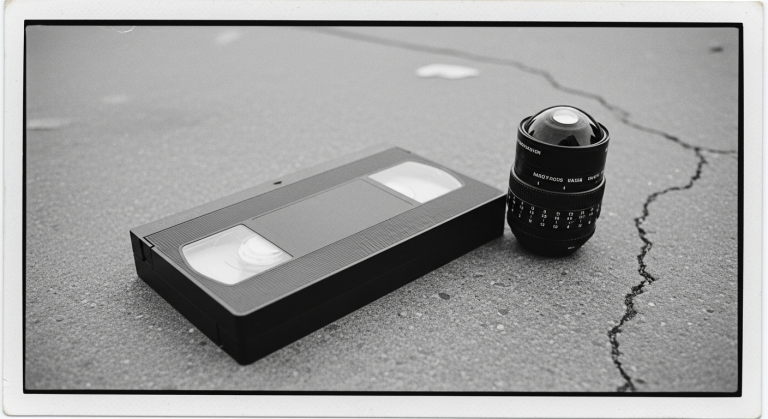
What you need to understand: these videos were filmed with a VX1000. This Sony camera literally recorded every trick at EMB for 4 years. The grain, the compression, the Century 0.3 fisheye: that’s the visual face of EMB. Without the VX1000, no memory of the spot. We wrote why the VX1000 still crushes 4K in 2026 — that’s where the story unfolds.
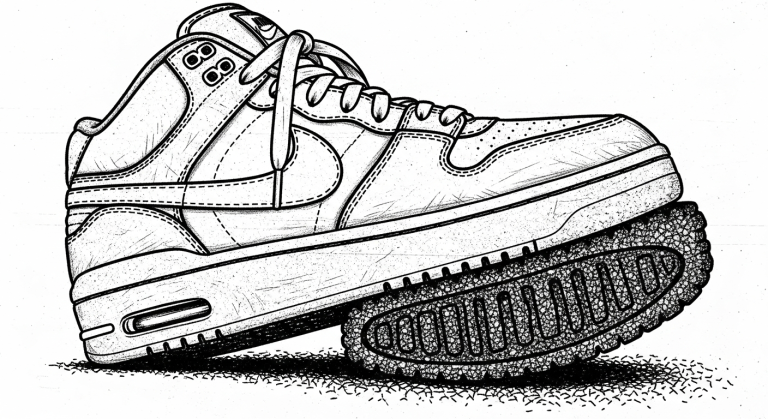
Mike Carroll signed with DC Shoes in 1995, right after EMB. His pro model, the Lynx, was directly inspired by what was needed to skate the spot: thin grip to feel the board, cupsole to absorb ledge drops, lateral reinforcement for nollie flips. Today, if you’re looking for an equivalent shoe, that’s the EMB spec sheet: simple, thin, durable.
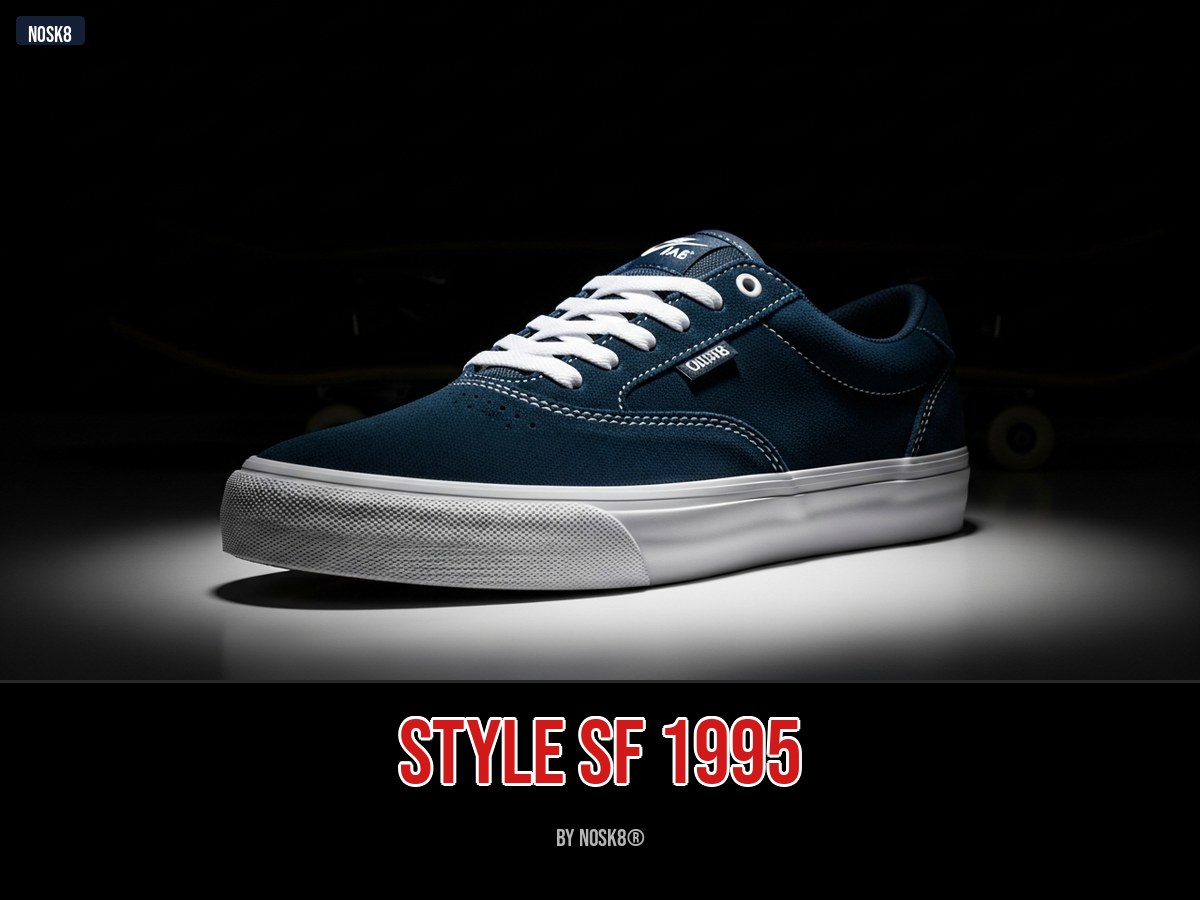
The re-issued pro model of the quintessential EMB skater. Low cupsole, durable suede, perfect board grip for tech ledge. The DNA of SF style in a shoe.
Fast delivery · 30-day returns
Everything stopped in 1994. The city of San Francisco decided to renovate Justin Herman Plaza. Officially, to improve public space. Unofficially, to drive out skaters. Knobs (metal spikes) were installed on the ledges. Trees were planted in the middle of the run. The ground texture was changed. What was smooth became rough. What was skateable became impossible.
Locals migrated. Pier 7, 500 m away, became the new HQ. But the EMB spirit was dead. Pier 7 would be the spot of the second half of the 90s (Henry Sanchez’s part in « Goldfish » is more Pier 7 than EMB by the end). But it wasn’t the same energy. Not the same geometry. Not the same alchemy.
The true last tricks at EMB, filmed on the sidelines of the renovations, look like goodbyes. Jovontae Turner kickflip backside tailslide on the already damaged ledge. Karl Watson doing a nollie heel noseslide at the Gonz gap before the ground was poured. Then nothing.
In 2026, if you go to the foot of the Ferry Building, you’ll see nothing. Just an anonymous pedestrian plaza. No plaque. No memorial. Nothing. Tourists take their photos, businessmen go to lunch, no one knows that 30 years earlier, modern skateboarding was invented here.
But every time you see a pro rider in 2026 land a switch flip front nose, every time you link a noseslide nollie flip out on a low ledge, every time you tell yourself ‘I don’t have my trick switch, it’s not really landed’: you’re paying homage to EMB without knowing it. That’s where this grammar was born.
Why will it never happen again? Because the combination was unique: innocent civic architecture, a tolerant city before gentrification, a camera (the VX1000) that documented everything, a crew with a strong cultural identity, and zero social media. Today, everything kills EMB before it’s born: preventive knobs, private patrols, Instagram burning spots in 48 hours, and communities that no longer let anything settle.
EMB was 6 years of glory for 32 years of mythology. An impossible ratio to reproduce. What remains are the videos, the signature shoes, and the technical vocabulary of all the skaters who followed. That’s already a lot. It’s probably all that was needed.
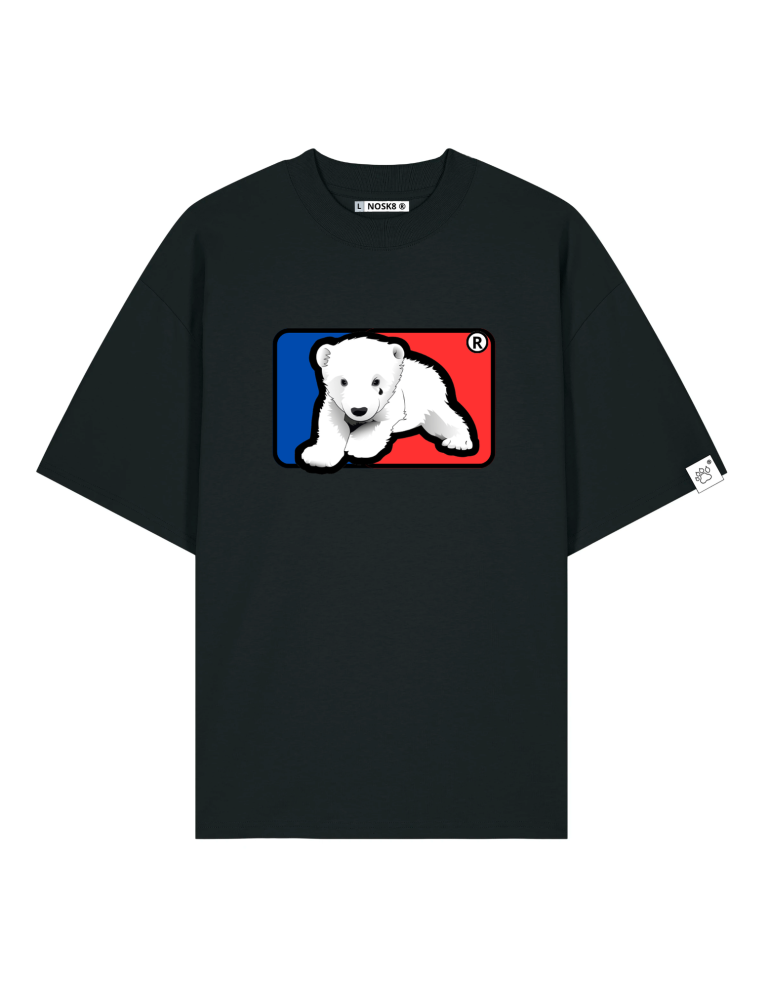
TEE-SHIRTS
TEE-SHIRT NOSK8® P.B CENTRE #RNB
Le prix initial était : 35,00 €.29,00 €Le prix actuel est : 29,00 €.
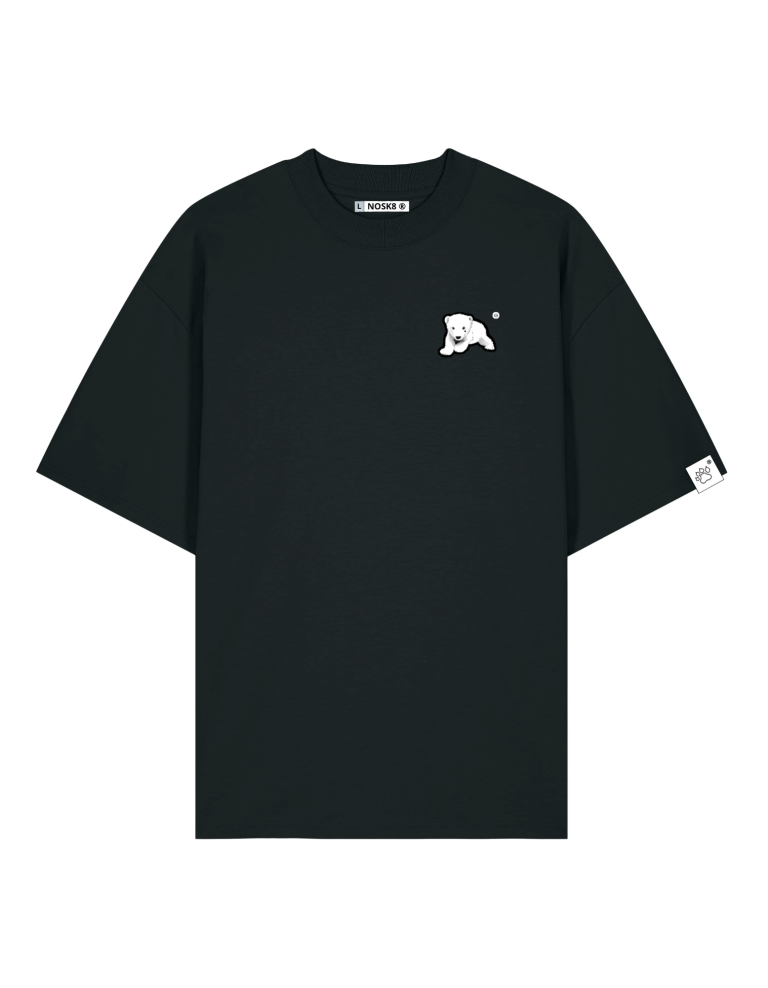
TEE-SHIRTS
TEE-SHIRT NOSK8® P.B HEART #ORIGINAL
Le prix initial était : 35,00 €.29,00 €Le prix actuel est : 29,00 €.
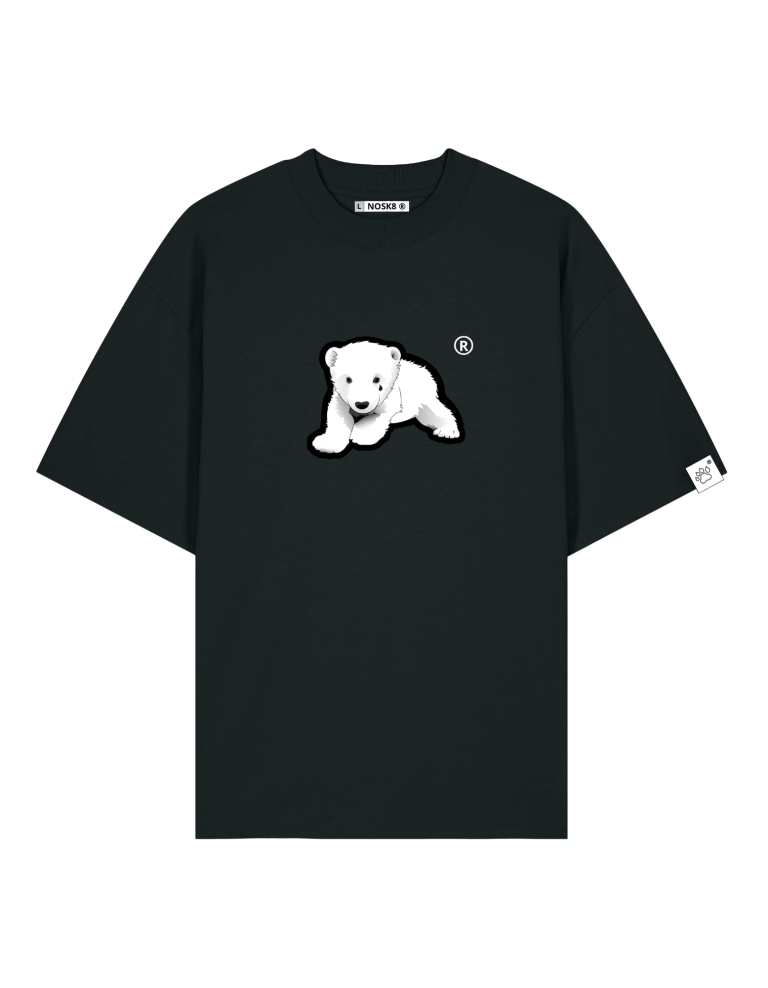
TEE-SHIRTS
TEE-SHIRT NOSK8® P.B CENTRE #ORIGINAL
Le prix initial était : 35,00 €.29,00 €Le prix actuel est : 29,00 €.
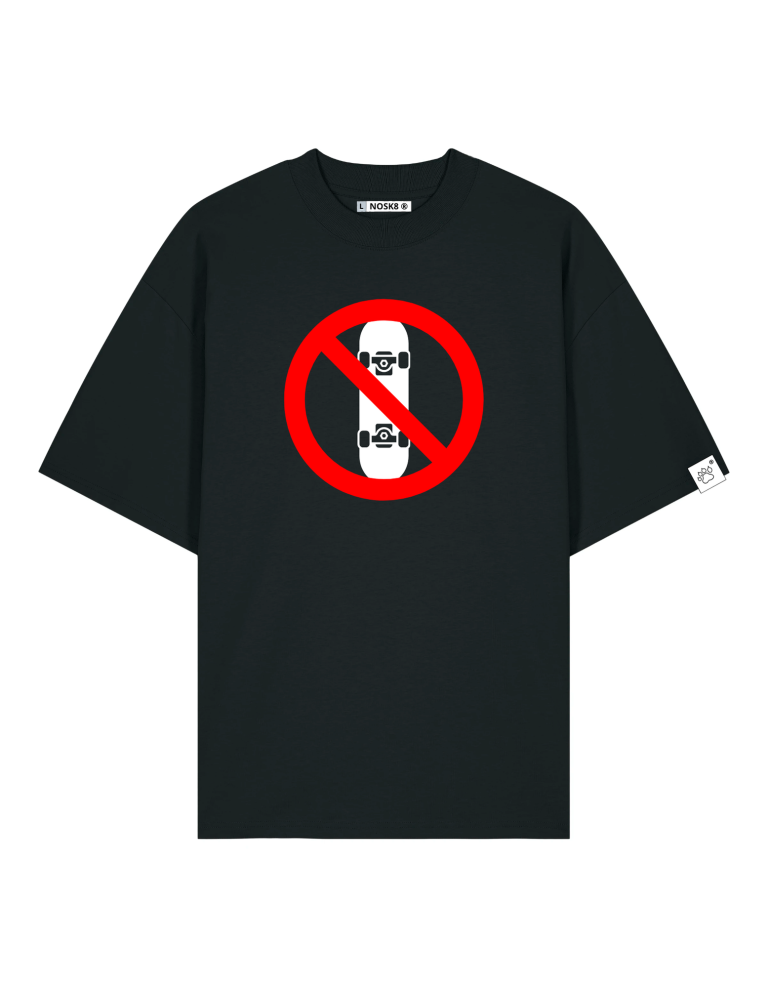
TEE-SHIRTS
TEE-SHIRT NOSK8® NOSKATE #NSITA
Le prix initial était : 35,00 €.29,00 €Le prix actuel est : 29,00 €.
TEE-SHIRTS
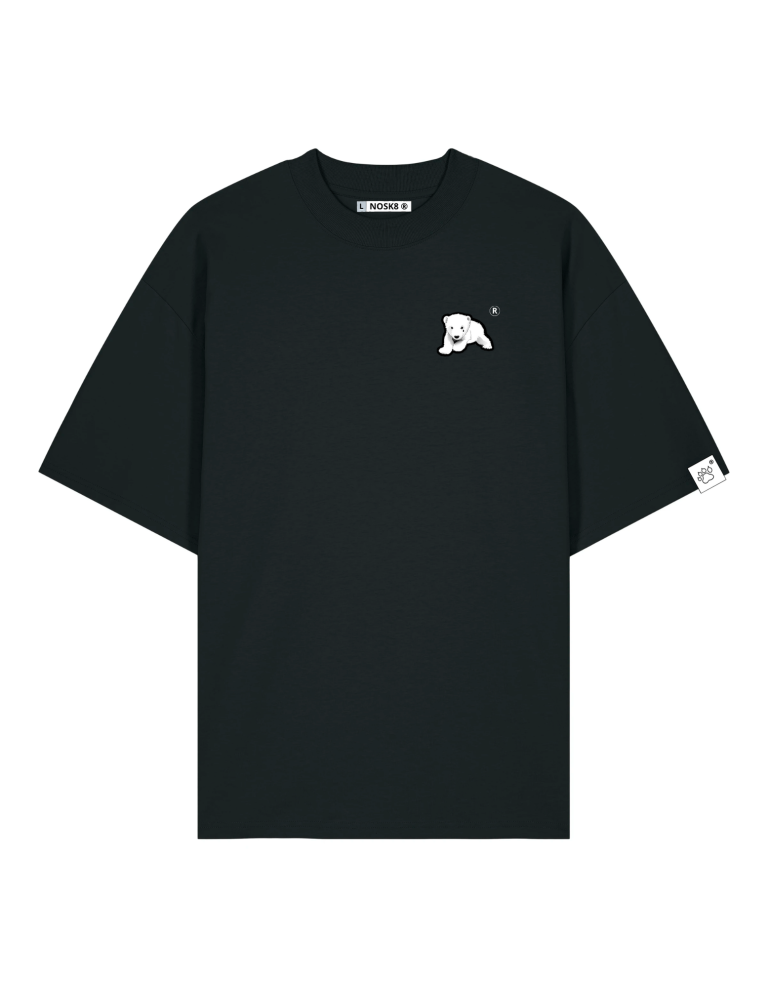
TEE-SHIRT NOSK8® P.B HEART #POLARBEAR
Le prix initial était : 35,00 €.29,00 €Le prix actuel est : 29,00 €.
CASQUETTES
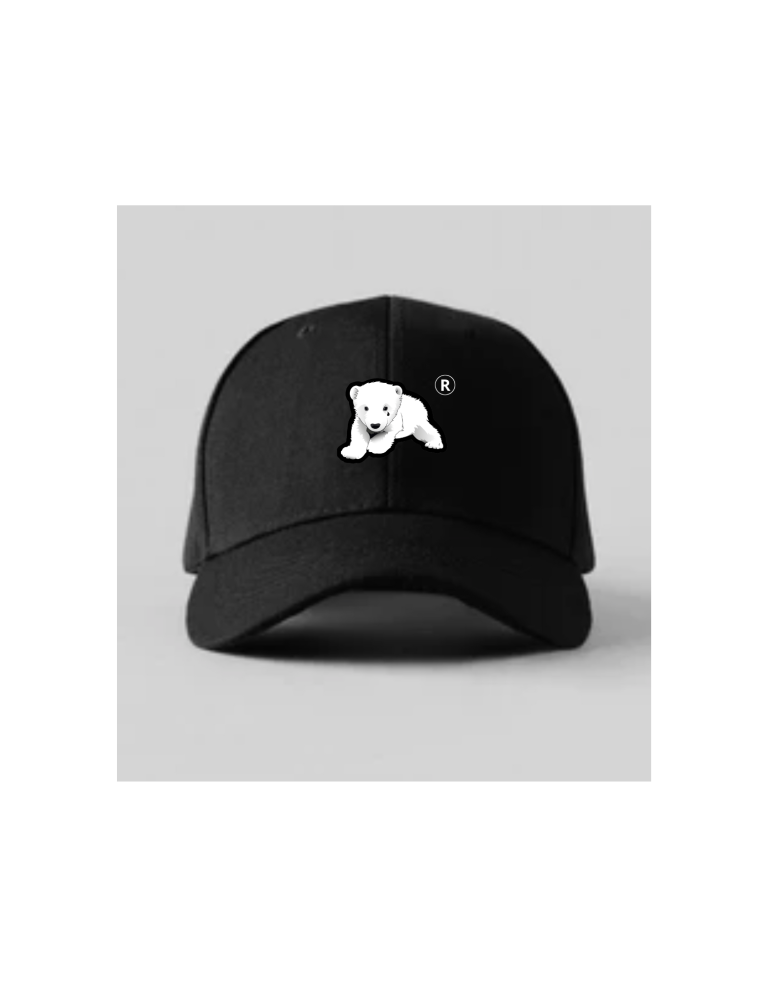
CAP NOSK8® P.B #POLARBEAR
Le prix initial était : 35,00 €.25,00 €Le prix actuel est : 25,00 €.
CASQUETTES
CAP NOSK8® N8 #NOSK8
Le prix initial était : 35,00 €.25,00 €Le prix actuel est : 25,00 €.
CASQUETTES
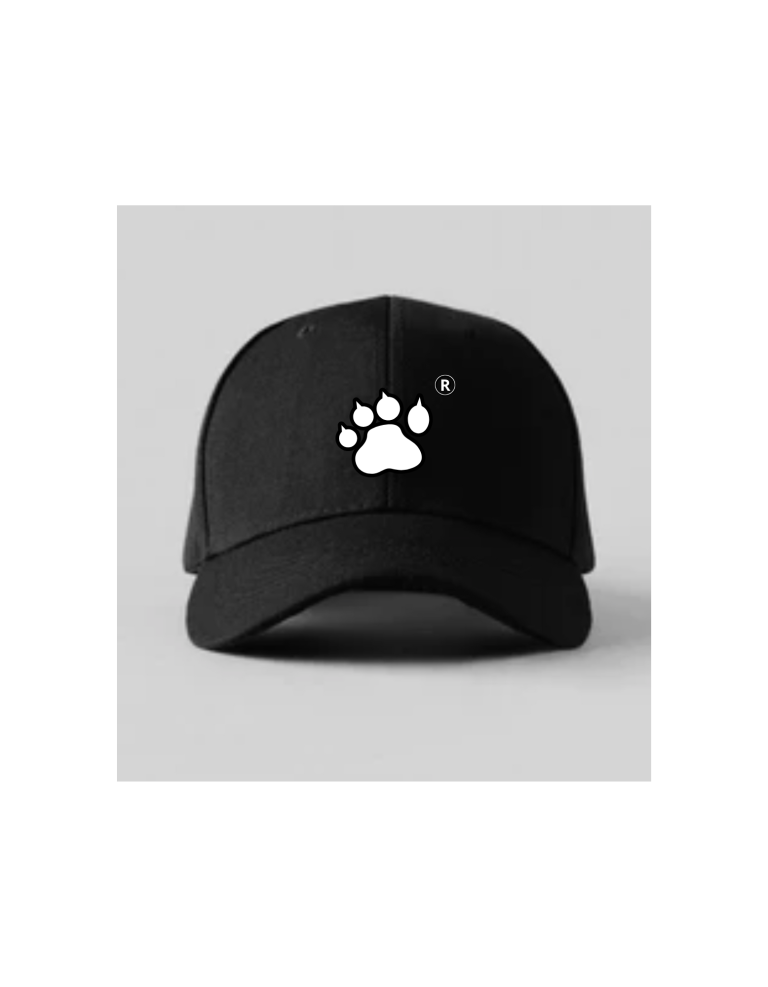
CAP NOSK8® P.B.P #PAW
Le prix initial était : 35,00 €.25,00 €Le prix actuel est : 25,00 €.
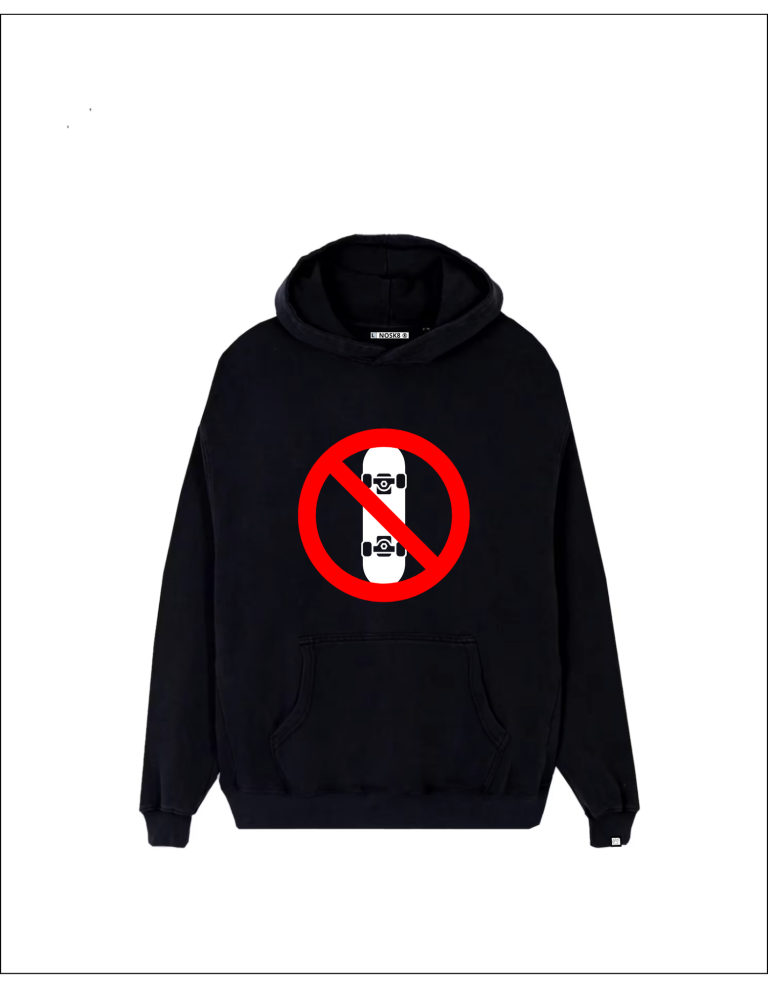
HOODIES
HOODIE NOSK8® NOSKATE #SNC
Le prix initial était : 60,00 €.49,00 €Le prix actuel est : 49,00 €.
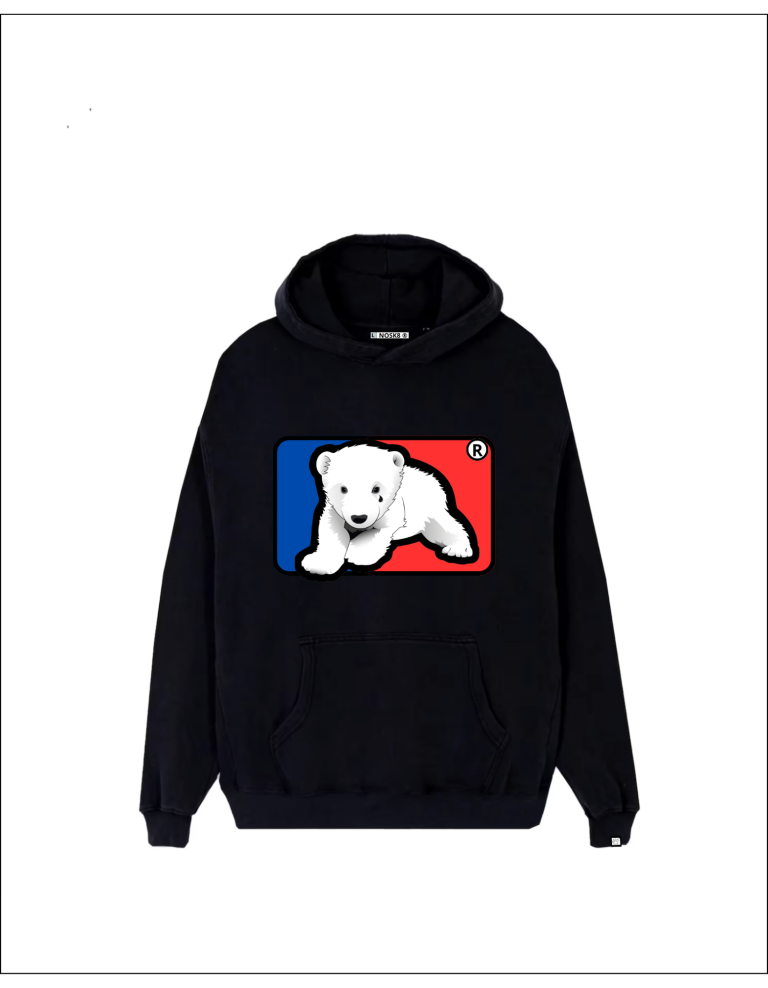
HOODIES
HOODIE NOSK8® P.B CENTRE #RNB
Le prix initial était : 60,00 €.49,00 €Le prix actuel est : 49,00 €.

HOODIES
HOODIE NOSK8® MATRICE HEART #ALT
Le prix initial était : 60,00 €.49,00 €Le prix actuel est : 49,00 €.
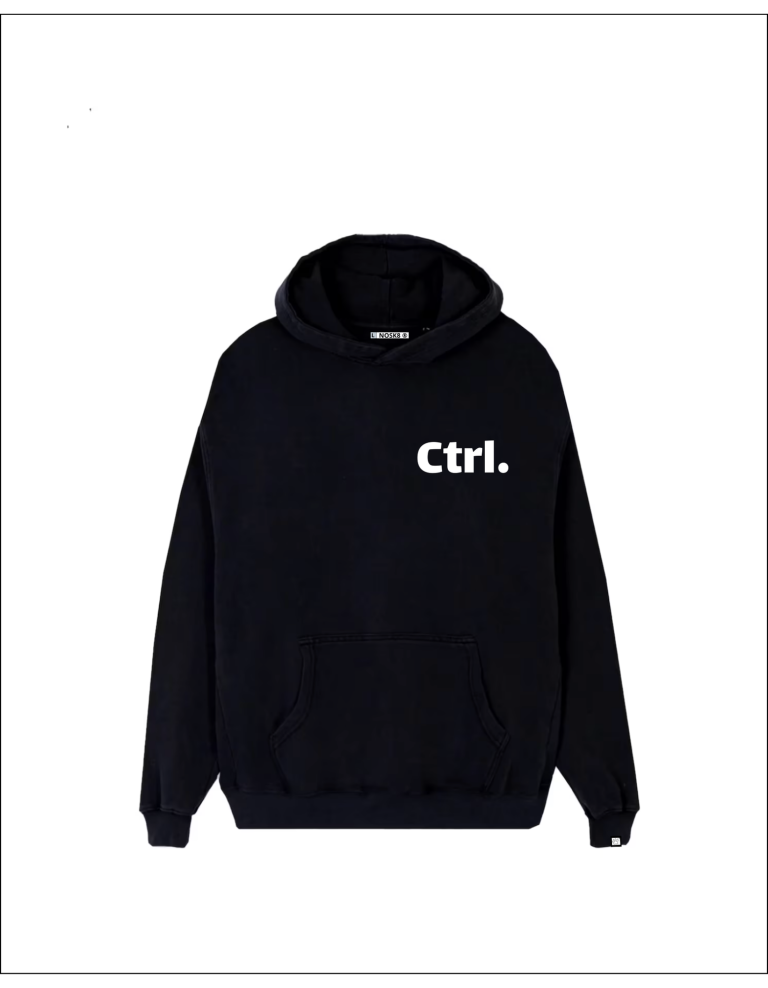
HOODIES
HOODIE NOSK8® MATRICE HEART #CTRL
Le prix initial était : 60,00 €.49,00 €Le prix actuel est : 49,00 €.
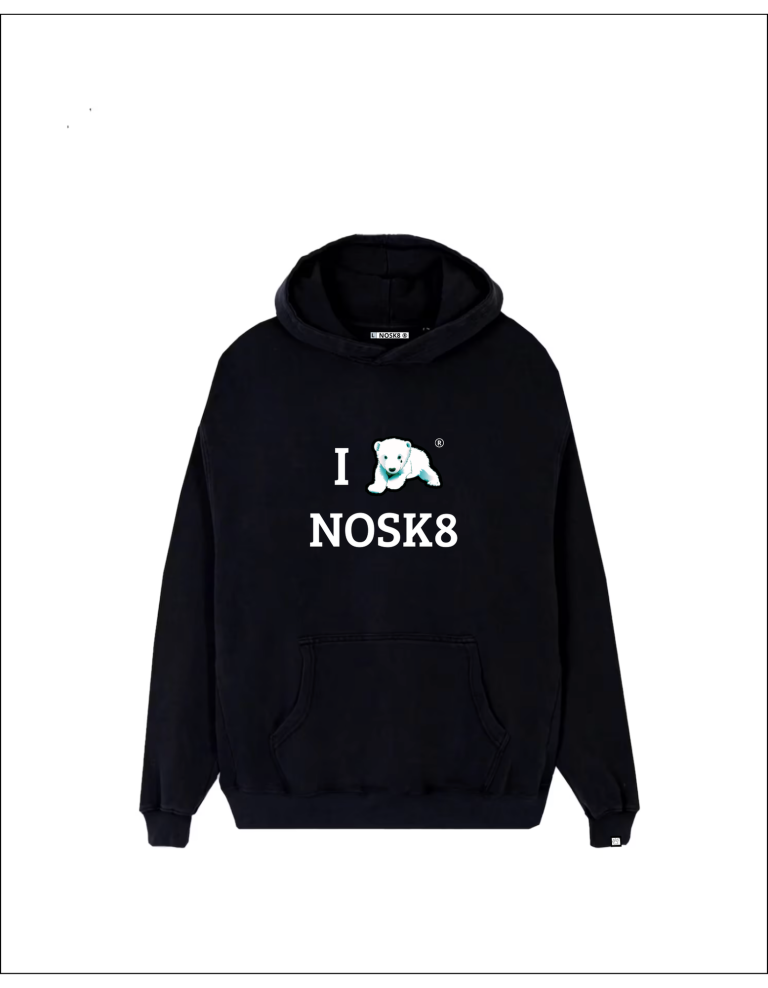
HOODIES
HOODIE NOSK8® I.L.N #ILOVEN8
Le prix initial était : 60,00 €.49,00 €Le prix actuel est : 49,00 €.
SWEAT
SWEAT NOSK8® P.B HEART #BARÇA
Le prix initial était : 45,00 €.39,00 €Le prix actuel est : 39,00 €.
SWEAT
SWEAT NOSK8® P.B HEART #PHILI
Le prix initial était : 45,00 €.39,00 €Le prix actuel est : 39,00 €.
SWEAT
SWEAT NOSK8® P.B HEART #NYC
Le prix initial était : 45,00 €.39,00 €Le prix actuel est : 39,00 €.
SWEAT
SWEAT NOSK8® P.B HEART #PARIS
Le prix initial était : 45,00 €.39,00 €Le prix actuel est : 39,00 €.
SWEAT
SWEAT NOSK8® P.B HEART #POLARBEAR
Le prix initial était : 45,00 €.39,00 €Le prix actuel est : 39,00 €.
Continue ta lecture
Infos / ConseilsNo T-tool in your bag? You're hoofing it home the second a kingpin decides to bail. The definitive guide: what each socket *actually* does, the…





Commentaires (0)